Getting Into the Snowy Range to Hunt
Heading into Wyoming's vast public lands for a hunt is a dream for many, but the sheer complexity of finding good access and understanding mountain terrain can quickly turn excitement into frustration. If you've set your sights on the majestic Snowy Range, you're looking at a truly wild experience, but one that demands careful planning and respect for its rugged nature. This guide will walk you through the ins and outs of getting into the Snowy Range to hunt, ensuring you're prepared for the unique challenges and incredible opportunities this iconic area offers.
Understanding the Snowy Range for Hunters
The Snowy Range, a prominent feature of the Medicine Bow National Forest in southeastern Wyoming, is a stunning landscape defined by high-alpine peaks, glacial lakes, and dense timber transitioning into sagebrush parks and willow bottoms. It’s a place where you can truly get away from it all, but that remoteness also means you need to be self-sufficient and prepared for whatever nature throws your way.
What Makes the Snowy Range Unique
Unlike some of the more famous, larger mountain ranges in Wyoming, the Snowy Range often offers a slightly different feel. It’s accessible from both the east and west, primarily via Highway 130, which becomes the scenic Snowy Range Byway during the warmer months, but closes with the first significant snow. This seasonal closure is a critical factor for late-season hunters. When the snow flies and the highway closes, access becomes severely limited, often requiring snowmobiles or long treks. The range sits within Medicine Bow Country in Southern Wyoming, known for its diverse habitats that support various game animals.
The elevation ranges significantly, from around 7,000 feet in the foothills to over 12,000 feet on peaks like Medicine Bow Peak. This vertical change means diverse ecosystems: you'll find everything from lodgepole pine and spruce-fir forests to alpine tundra. The open areas are often covered in sagebrush and aspen groves, providing crucial feed and cover for big game. It's an area where "still hunting" through timber can be just as productive as glassing open basins, depending on the species and time of year.
Target Species and Opportunities
The Snowy Range is primarily known for its mule deer and elk hunting opportunities. These are the main draws for most hunters venturing into this area.
Mule Deer: You’ll find mule deer scattered throughout the range, often utilizing the timber for cover and moving into the aspen pockets and sagebrush flats to feed. Early season archery hunters might find them in higher alpine areas, while rifle season often pushes them into lower, denser cover as hunting pressure increases. Remember, Wyoming's deer herds, particularly mule deer, have faced challenges in recent years, so managing expectations and doing thorough research is key. For more context, you might want to read about The Wyoming Range Deer Herd Is Half of What It Should Be, even though that's a different area, it highlights the broader trends in mule deer populations across the state.
Elk: Elk are present in the Snowy Range, particularly in the more remote timbered areas and along the edges of larger clearings. Getting on elk here often means putting in the miles, either on foot or with horses. Their patterns can be heavily influenced by pressure, moving into dense sanctuaries quickly once hunting season starts. Understanding The Wyoming Elk Population Estimate Explained can give you a general overview of elk populations statewide, which helps frame the effort required in specific units. Elk season dates here, as with all of Wyoming, are highly specific to hunt areas; Wyoming Elk Season Dates Are Set Hunt Area by Hunt Area.
Other Species:
- Moose: While not as common as deer or elk, Shiras moose inhabit certain drainages and riparian areas within the Snowy Range. Moose tags are incredibly difficult to draw in Wyoming, often taking decades for non-residents.
- Black Bear: Black bears are also present, especially in areas with good berry crops and dense cover. Both spring and fall seasons are typically offered.
- Grouse: For small game hunters, various grouse species, including dusky (blue) grouse and ruffed grouse, can be found in the timbered areas and along stream bottoms, offering a nice change of pace.
Here's a quick overview of primary game species you might target:
| Species | Typical Habitat | Hunting Style | General Tag Availability (Wyoming-wide) |
|---|---|---|---|
| Mule Deer | Forested slopes, aspen, sagebrush, alpine | Spot & stalk, still hunting timber | Limited quota (draw) |
| Elk | Dense timber, high country, transition zones | Spot & stalk, still hunting timber, calling | Limited quota (draw), some general tags |
| Black Bear | Heavy timber, berry patches, drainages | Spot & stalk, baiting (in designated areas) | Over-the-counter or draw |
| Moose | Willow bottoms, riparian areas | Spot & stalk (very rare tags) | Extremely limited quota (draw) |
| Dusky Grouse | Pine and fir forests, forest edges | Walking, flushing | Over-the-counter |
Navigating Access Points and Terrain
Getting into the Snowy Range involves understanding the main arteries, the vast network of forest roads, and the more restrictive wilderness areas. Your mode of transport and physical capabilities will largely dictate how deep you can go.
Main Routes and Road Conditions
The primary access point for the Snowy Range is Wyoming Highway 130, also known as the Snowy Range Byway. This road cuts through the heart of the range, offering numerous turnoffs for campgrounds, trailheads, and forest service roads. However, as mentioned, it’s a seasonal road, typically closing in mid-November and reopening around Memorial Day, depending on snowpack. Once it closes, accessing the interior of the range is a serious undertaking requiring snowmobiles, skis, or snowshoes. Always check the Wyoming Department of Transportation (WYDOT) website for current road conditions and closures before heading out, especially during shoulder seasons.
Beyond the main highway, a dense web of Forest Service roads crisscrosses the lower and mid-elevations. Many of these roads are well-maintained gravel, while others are rough, rocky, and require a high-clearance 4×4 vehicle. Some roads are seasonally gated to protect wildlife winter range or prevent damage during wet periods. This is where tools like onX Hunt really shine. You can use its public land layers and road network overlays to identify legal access points, check for seasonal closures, and understand the difference between public and private land boundaries before you ever leave your couch. For example, if you're exploring the nuances of public land access, you might find BLM Holds 27,860 Square Miles of Wyoming an interesting read, although the Snowy Range is primarily National Forest land.
Parking is generally available at designated trailheads or along roadsides where safe and legal. Always be mindful of blocking gates or private access points, even if they appear unused.
Trail Systems and Wilderness Considerations
The Snowy Range boasts an extensive trail system, ranging from easy interpretive loops to strenuous multi-day backpacking routes that delve deep into the backcountry. For hunters, these trails are crucial for accessing areas away from road-based pressure. You can often find excellent hunting just a mile or two off the beaten path, as many casual hikers don't venture far from their vehicles.
The heart of the Snowy Range is protected as the Platte River Wilderness and the Huston Park Wilderness. These areas are designated wilderness, meaning they have special rules that hunters need to be aware of, especially if you're a nonresident. Wilderness Rules Every Wyoming Nonresident Should Know outlines these regulations in detail. Essentially, motorized vehicles, including ATVs, e-bikes, and even mountain bikes, are prohibited. This means access is strictly by foot or horseback. This restriction creates vast, unpressured havens for wildlife, but it also demands significant physical effort and careful planning from hunters. If you plan to use pack stock, be sure to understand the specific regulations for horses in wilderness areas. This also means you'll need to know about Motorized Limits Inside Wyoming Wilderness to ensure you're compliant.
For those willing to put in the effort, hunting deep within the wilderness areas can be incredibly rewarding. You'll often find older, larger animals that have learned to avoid areas with easier access. However, packing out an animal from several miles deep in the wilderness is a monumental task that requires physical fitness, proper gear, and often a hunting partner or two.
Essential Planning for Your Snowy Range Hunt
Successful hunting in the Snowy Range isn't just about showing up with a rifle. It's about meticulous planning, from map study to physical conditioning, long before you ever step foot in the mountains.
Maps, E-Scouting, and Ground Truthing
Before any trip, your first step should be to acquire detailed maps of your target hunt area within the Snowy Range. Topographic maps are essential for understanding elevation changes, drainage patterns, and potential travel routes. Digital mapping tools, like onX Hunt, are invaluable for this stage. With onX Hunt, you can overlay public and private land boundaries, identify roads and trails, mark potential bedding areas, feeding zones, and water sources, all from your computer or phone. This "e-scouting" allows you to familiarize yourself with the terrain and formulate a game plan. For more on this, check out E-Scouting a Unit Before the Season Opens.
Complementing your digital scouting with physical maps is still a good idea, especially for battery-free navigation in the field. The Medicine Bow National Forest publishes visitor maps that show roads, trails, and land ownership.
"Ground truthing" your e-scouting means visiting the area before your hunt, if possible. This isn't always feasible for nonresidents, but even a few days spent driving roads, hiking trails, and observing the landscape can provide invaluable insights that maps simply can't convey. You'll see current forage conditions, recent animal sign, and gain a better feel for the scale and difficulty of the terrain. If you can't ground truth, look for recent hunting reports or forums specific to the Snowy Range, but take online information with a grain of salt.
Physical Preparation and Gear Selection
Hunting in the Snowy Range, especially if you plan to access deeper areas or the wilderness, demands a high level of physical fitness. You'll be dealing with significant elevation changes, potentially steep and rocky terrain, and the added weight of your pack and possibly game meat. Physical Conditioning for a Mountain Hunt is not just a suggestion; it's a necessity. Start a fitness regimen months in advance that includes cardiovascular endurance, strength training, and hiking with a weighted pack. Nothing ruins a hunt faster than being too out of shape to get to where the animals are, or worse, being unable to get a downed animal out.
Your gear selection should be equally rigorous. Here’s a basic checklist of what to consider:
- Layered Clothing System: Weather in the mountains can change dramatically within hours. Be prepared for everything from warm sunshine to freezing rain or snow.
- Quality Rain Gear: Waterproof and breathable outer layers are non-negotiable.
- Sturdy Hiking Boots: Broken-in, waterproof boots with good ankle support are crucial.
- Navigation Tools: GPS device (with extra batteries), compass, and physical maps. Your phone with onX Hunt is great, but don't rely solely on it.
- Optics: High-quality binoculars are essential for glassing open areas and identifying game at a distance. Consider their power with Optics Power for Wyoming's Long Sightlines. A spotting scope can also be beneficial if you're planning to hunt vast open country.
- Backpack: A comfortable, appropriately sized pack (daypack for shorter trips, larger internal frame pack for multi-day trips or packing out meat).
- First-Aid Kit: Comprehensive enough for wilderness emergencies.
- Water and Water Filter/Purifier: Don't underestimate your hydration needs at altitude.
- Survival Gear: Fire starter, headlamp, emergency shelter, knife.
- Game Bags: For packing out meat.
- Weapon: Rifle, bow, or muzzleloader appropriate for the species and season.
Remember, every ounce counts when hunting in the mountains. Choose reliable, lightweight gear whenever possible.
Key Considerations for Hunting Success in the Snowy Range
Beyond the basics, there are specific environmental and regulatory factors that heavily influence success in the Snowy Range. Paying attention to these details can give you a significant advantage.
Weather, Altitude, and Hunting Pressure
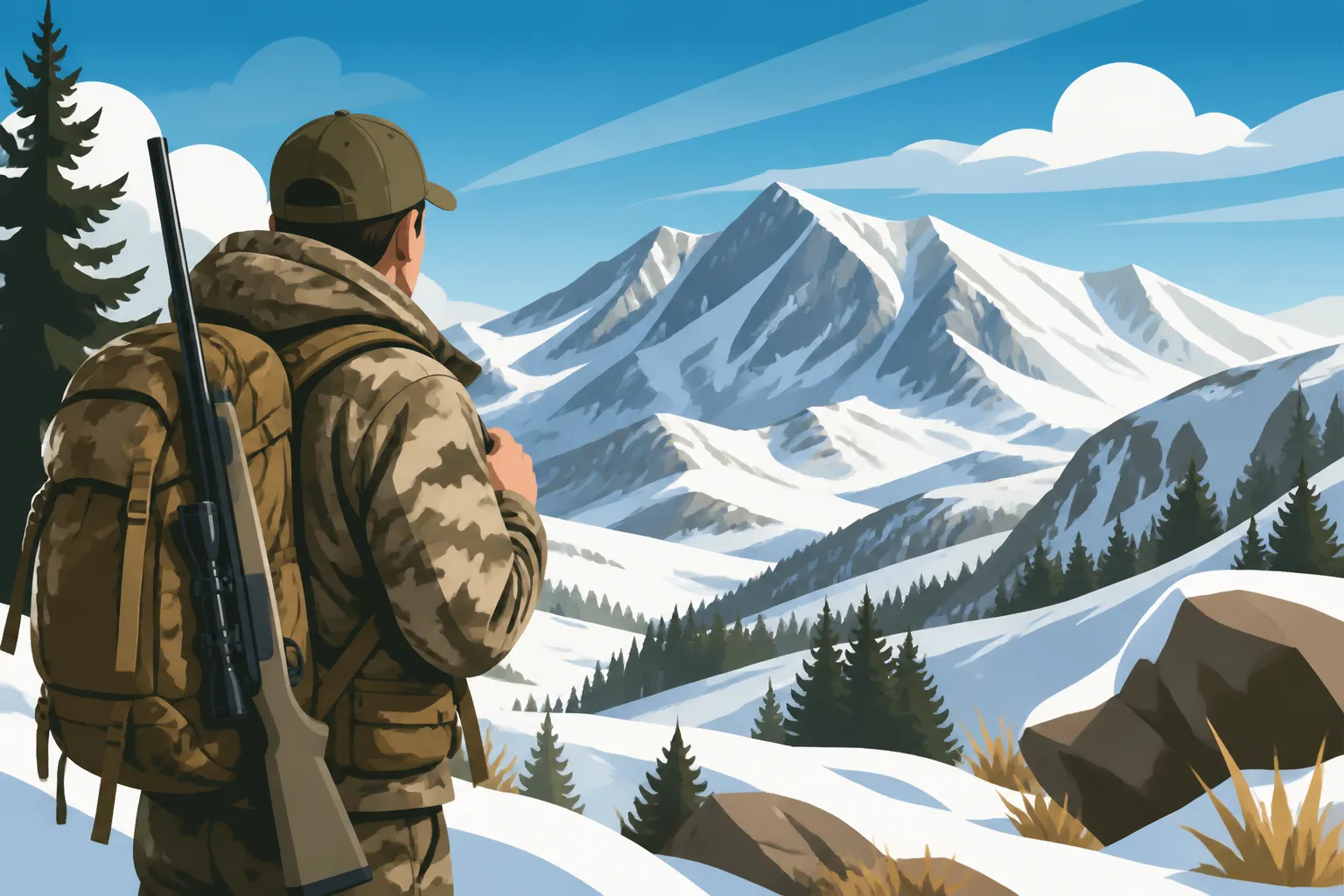
Weather: As noted, mountain weather is unpredictable. Summer can bring afternoon thunderstorms, while fall can quickly transition from mild days to severe snowstorms. Always check the forecast, but be prepared for rapid changes. Late-season hunters must factor in heavy snow and potential whiteout conditions, especially at higher elevations. This can impact animal movement, pushing them to lower, more sheltered areas, but it also makes human travel much more difficult and dangerous.
Altitude: The high elevations of the Snowy Range can cause altitude sickness for those not acclimated. Symptoms include headaches, nausea, dizziness, and fatigue. Give yourself a day or two to acclimate before strenuous activity if you're coming from sea level. Stay hydrated, avoid alcohol, and pace yourself. What feels easy at home can be exhausting at 10,000 feet.
Hunting Pressure: The more accessible parts of the Snowy Range, particularly areas near the highway or easily driven forest roads, will experience significant hunting pressure, especially during the opening days of rifle season. This pressure will often push game into denser timber, steeper terrain, or deeper into wilderness areas. To find success, you'll need to be willing to hunt areas that others aren't, which almost always means walking farther or hunting smarter. This includes being keenly aware of wind direction, especially when stalking, as discussed in Reading Wind on an Open-Country Stalk.
Regulations Specific to the Area
Always consult the current Wyoming Game and Fish Department (WGFD) regulations for your specific hunt area within the Snowy Range. Regulations can change annually and vary significantly by hunt unit, species, and weapon type.
- License Types: Understand the difference between general licenses and limited quota licenses. The Snowy Range will likely be covered by specific limited quota areas for elk and deer. You'll want to review resources like Wyoming General Licenses Against Limited Quota: Two Different Games to clarify your tag type.
- Season Dates: Pay close attention to the opening and closing dates for your chosen species and weapon. Archery seasons often precede rifle seasons and may have different boundaries or regulations.
- Weapon Restrictions: Ensure your chosen weapon meets Wyoming's legal requirements. For instance, there are minimum draw weights for bows and specific caliber requirements for firearms.
- Wilderness Regulations: Reiterate the importance of understanding and adhering to wilderness rules, especially the prohibitions on motorized travel.
- Conservation Stamp: Don't forget your Wyoming Conservation Stamp; it's required for most hunting and fishing activities.
- Proof of Hunter Education: If you were born after January 1, 1965, you'll need proof of hunter education. See Anyone Born After 1965 Needs Wyoming Hunter Education for more details.
Planning a hunt in the Snowy Range is an adventure in itself. With proper preparation, respect for the environment, and a little grit, you can have an unforgettable experience in one of Wyoming's most beautiful hunting grounds. Remember to always prioritize safety, leave no trace, and enjoy the wild beauty this special place has to offer.
Disclaimer
This article is for general informational purposes only and does not constitute professional advice. Laws, prices and regulations vary by location and change over time. Consult a qualified professional for guidance on your specific situation.