Trailhead Parking Rules for Wyoming Hunters
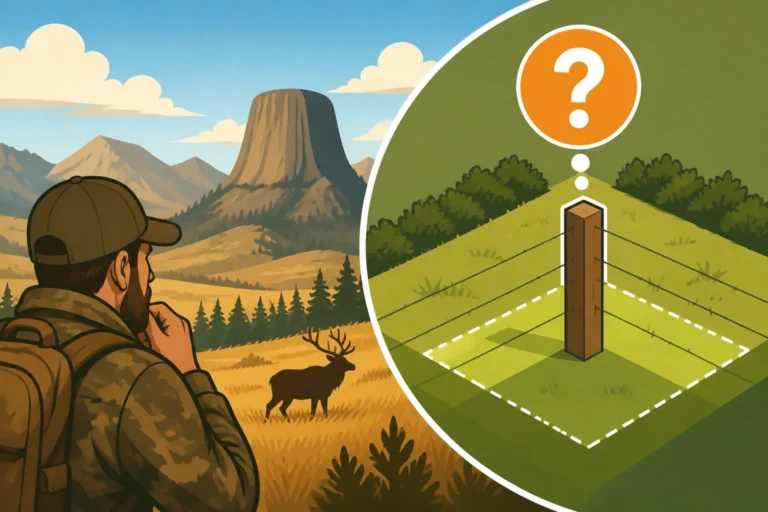
One of the most frustrating things for a hunter headed to Wyoming, especially for those venturing into public lands, is arriving at a promising trailhead only to find confusing or non-existent parking options. It's a real headache trying to figure out where you can legally and respectfully leave your vehicle without trespassing, blocking access, or risking a ticket or tow. This guide is here to untangle those complexities, walking you through Wyoming's trailhead parking rules and offering practical advice to ensure your hunt starts on the right foot, not with a parking violation.
Understanding Wyoming's Public Land Access and Parking Basics
Wyoming is a vast state, and a significant portion of it is public land, ripe for hunting. However, knowing where you can park to access that land is just as crucial as knowing how to hunt it. It’s not always as simple as pulling off the nearest dirt road. Different land agencies have different rules, and what's okay in one area might be a big no-no just a few miles down the road.
The Landscape of Access: Federal, State, and Private
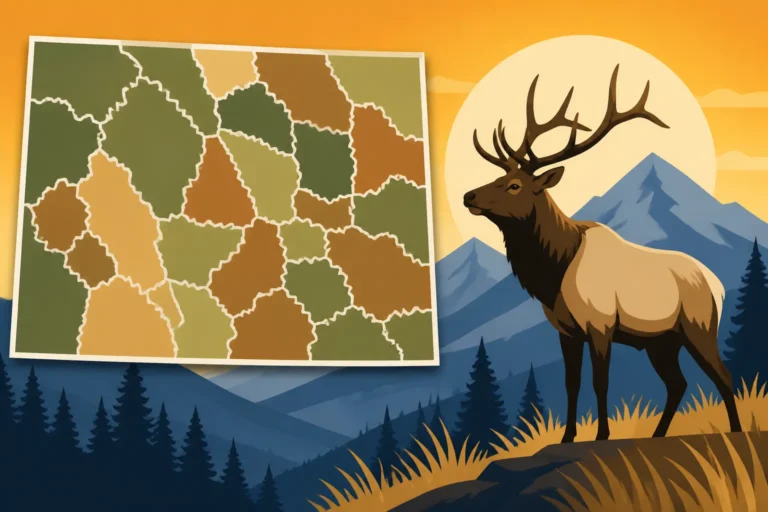
When you're looking at a map of Wyoming, you'll see a patchwork quilt of land ownership. This mosaic includes vast tracts of federal land, primarily managed by the Bureau of Land Management (BLM) and the U.S. Forest Service, along with state-owned lands and, of course, private property. Each of these categories comes with its own set of rules regarding access and, by extension, parking.
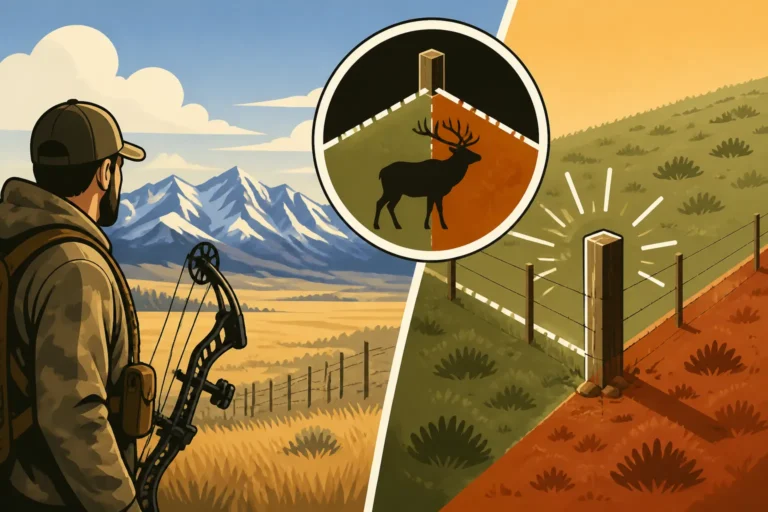
Imagine you're trying to reach a promising elk habitat deep in the mountains. Your mapping app, like onX Hunt, shows a national forest boundary right next to a block of private land, with a small section of State Trust Land thrown in for good measure. You might see a faint two-track road leading toward what looks like public access. The crucial step here is knowing who manages that road and the land immediately adjacent to it. Parking directly on State Trust Land, for instance, is generally not permitted, even if you have permission to hunt it. You typically need to park on adjacent public roads or federal lands and walk in. Conversely, a designated trailhead within a National Forest might have specific parking regulations, capacity limits, or even require a day-use fee. The infamous "checkerboard" pattern, especially prevalent in some parts of the state where alternating sections of public and private land create a confusing grid, can make this even more complex. Understanding Wyoming's Federal Land Split: BLM and Forest Service is a great starting point, as these agencies manage the bulk of the accessible public hunting grounds.
General Rules for Parking on Public Land
Regardless of the specific agency, a few overarching principles apply when parking on any public land in Wyoming. Common sense and respect are your best guides here. The general idea is to park in a way that is safe, doesn't damage the environment, and doesn't impede access for others, including landowners, emergency services, or other recreational users.
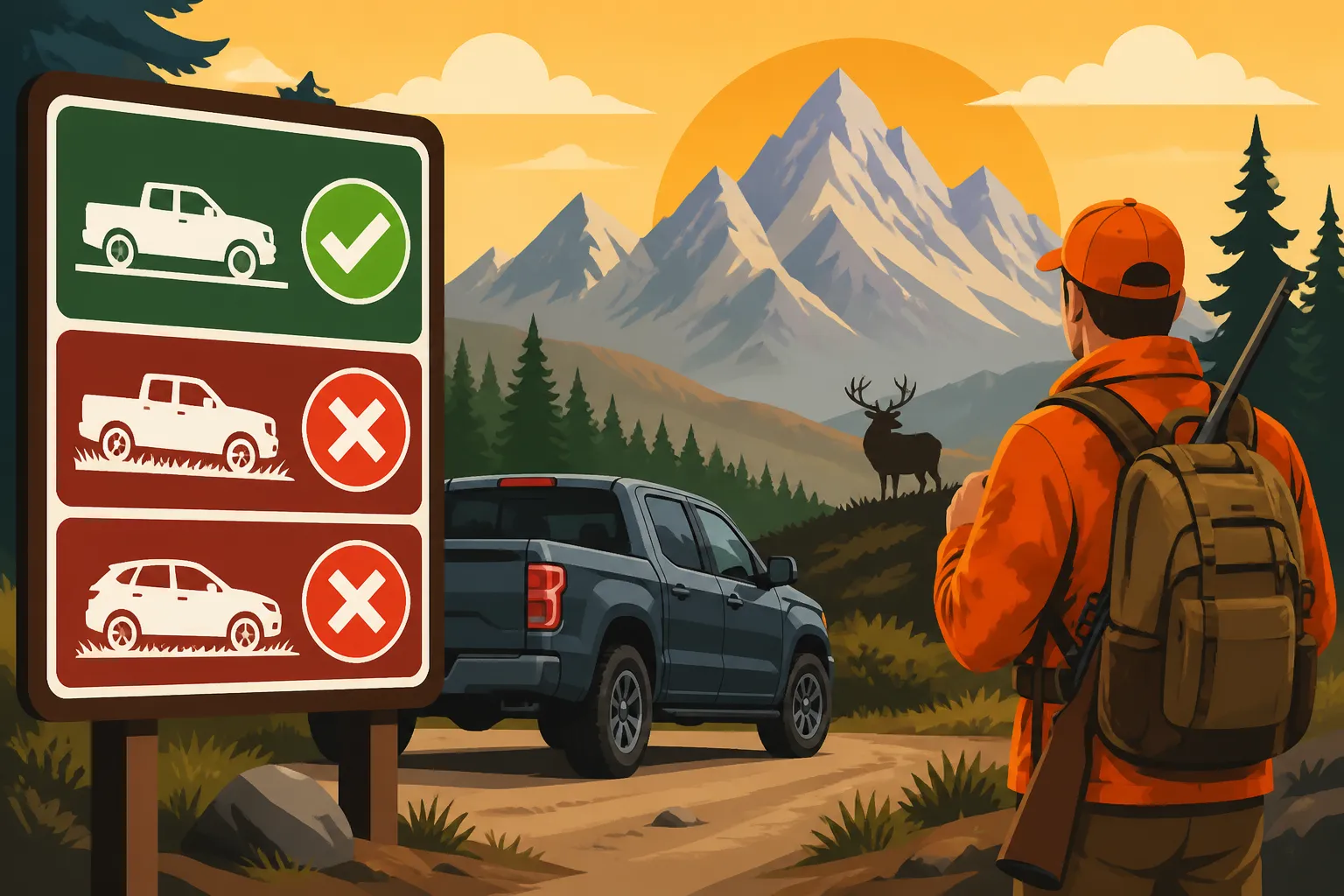
Most public lands, particularly BLM ground and less developed national forest areas, allow for "dispersed parking." This means you're often allowed to pull off established roads and park your vehicle, rather than needing a designated lot. However, this isn't a free-for-all. Always ensure your vehicle is completely off the main travel way, even if it's just a dirt two-track. You should never block gates, even if they appear unused, or obscure private driveways. Beyond access, consider the impact on the land itself. Avoid parking in meadows, wet areas, or creating new ruts or trails. The goal is to leave no trace, or at least minimize your impact. This often means parking on firm, dry ground, preferably in an area that has clearly seen previous vehicle traffic without showing signs of abuse. Thinking about Dispersed Camping on Wyoming BLM Ground can give you a good idea of the mindset for dispersed parking – you're essentially finding a temporary, unobtrusive spot for your vehicle.
Specific Parking Scenarios and Considerations for Hunters
Wyoming offers a huge variety of hunting environments, from high mountain peaks to vast open sagebrush plains. Each of these areas, often managed by different entities, comes with its own set of considerations for where and how you can park your vehicle. It’s not a one-size-fits-all situation, and understanding these nuances can save you a lot of grief.
National Forest and Wilderness Area Trailheads
When you’re heading into Wyoming’s national forests, like the Bridger-Teton or Shoshone, you'll often encounter formal trailheads. These are usually well-marked and typically have designated parking areas. These areas are generally your safest bet for legal parking. However, even these can come with specific rules you need to be aware of.
For instance, some popular trailheads, especially those leading into heavily used recreational areas or near wilderness boundaries, might have limited parking spots. Arriving early is often key, particularly during peak hunting seasons. You might also find signs indicating specific regulations, such as limits on overnight parking, "no parking" zones, or even requirements for recreation passes (though these are less common for basic trailhead parking specifically for hunting access). Always look for these posted signs. These rules are put in place to manage traffic flow, protect fragile ecosystems, and ensure emergency access. Ignoring them can lead to fines.
Furthermore, if your hunt takes you into designated wilderness areas, the rules become even stricter. While you might park at a trailhead outside the wilderness boundary, inside the wilderness, motorized vehicles and mechanical transport are generally prohibited. This means your access beyond the trailhead will be on foot or horseback. It's vital to understand Motorized Limits Inside Wyoming Wilderness and be aware that for nonresidents, hunting within designated wilderness often triggers The Wilderness Guide Requirement for Wyoming Nonresidents. While this doesn't directly impact your trailhead parking, it's part of the broader access planning that can dictate where you even can hunt from a particular trailhead. Always consult the specific National Forest or Wilderness Area regulations for the most up-to-date and localized parking information.
BLM Land and Dispersed Access
The Bureau of Land Management (BLM) oversees vast stretches of Wyoming, often characterized by open sagebrush plains, rolling hills, and river breaks. Accessing BLM land often involves less formal trailheads and more dispersed parking opportunities compared to National Forests. This flexibility is a huge benefit for hunters, but it also demands a higher degree of personal responsibility.
On BLM land, you'll frequently encounter a network of two-track roads, often unmaintained, that crisscross the landscape. These are your primary arteries for access. Parking generally involves pulling off these roads onto firm, stable ground. The key is to ensure your vehicle is entirely clear of the travel way, allowing other vehicles, including large ranch equipment, to pass unimpeded. Never create a new road or drive cross-country if it's not explicitly permitted or if it will cause resource damage. Look for existing pull-offs or areas where other vehicles have clearly parked before. Avoid parking in or directly adjacent to washes, drainages, or sensitive wildlife habitats.
A critical consideration for BLM land, especially in the winter or during wet periods, is seasonal road closures. The BLM, often in conjunction with the Wyoming Game and Fish Department, will close certain roads to protect wildlife winter range or to prevent road damage during muddy conditions. These closures can severely impact your access, turning a short drive to a trailhead into a multi-mile hike. Always check for Road Closures Across Wyoming Public Land before heading out, as these can change rapidly due to weather or management decisions. Apps like onX Hunt often integrate these closures, but verifying with the local BLM field office is always a good idea.
State Trust Land and Access Yes Program
Wyoming's State Trust Lands (STL) are parcels of land managed by the state, primarily to generate revenue for public education. While these lands are often open to public recreation, including hunting, their access rules can be distinct from federal lands, especially regarding parking.
Generally, you cannot drive on or park directly on State Trust Land unless specifically designated. Most access to STL is by foot, from an adjacent public road or adjoining public land. This means you’ll often need to find legal parking on a county road, a BLM road, or national forest land, and then walk into the State Trust parcel. It’s a subtle but important distinction. Imagine you've identified a promising STL section that holds deer. Your pre-hunt scouting with a tool like GoHunt or onX Hunt shows the parcel, but it’s landlocked by private property with only a county road running along one side. Your parking option would be to find a safe, legal pull-off on that county road and then walk the property line to access the STL, being careful not to step on private land. You can learn more about the specifics of Wyoming State Trust Land Hunting to prepare yourself.
A fantastic resource for hunters looking to access private or difficult-to-reach public lands is Wyoming's Access Yes program. This initiative, run by the Wyoming Game and Fish Department, leases access from private landowners, creating "Walk-In Areas" (WIAs) and "Hunter Management Areas" (HMAs) that are open to the public for hunting. Many of these areas have specific, designated parking locations. For WIAs, you typically don't need additional permission; just show up and park in the designated spot. For HMAs, you'll often need to obtain a free permit online from the Game and Fish website, which will also provide detailed maps and specific instructions, including where to park. Always read the signage at Access Yes properties carefully, as parking rules here are usually explicit. Understanding How Wyoming's Access Yes Program Works is crucial for leveraging these opportunities, and they will clearly spell out where to leave your rig.
Tools and Best Practices for Navigating Parking Challenges
Navigating Wyoming's complex land ownership and associated parking rules can feel like a daunting task, especially if you're not familiar with a particular area. Fortunately, modern technology and smart planning can drastically simplify the process, helping you avoid frustrating delays or costly mistakes.
Leveraging Technology: Mapping Apps
In today's hunting world, digital mapping apps are no longer a luxury; they're an essential piece of gear, almost as important as your binoculars or rifle. For figuring out parking and access in Wyoming, these tools are invaluable.
Take onX Hunt, for example. This app has revolutionized how hunters interact with land. With onX Hunt, you can instantly see land ownership boundaries, clearly distinguishing between federal, state, and private parcels. This is absolutely critical for identifying legal parking. You can overlay different land designations, topo maps, and even satellite imagery. Before you ever leave your driveway, you can zoom in on potential access points, identify public roads, and scout for existing pull-offs or designated parking areas near trailheads. You can mark potential parking spots as waypoints, saving you precious time and reducing guesswork once you're on the ground. It also shows roads, trails, and often overlays for seasonal closures, helping you anticipate any access issues.
Similarly, GoHunt offers incredible unit-specific data and insights that can indirectly aid your parking strategy. While GoHunt's primary focus is on draw odds, harvest data, and overall unit analysis, the detailed maps and information about specific hunt areas can help you understand the terrain, the density of roads, and general access points. By combining the comprehensive land ownership overlays of onX Hunt with the detailed unit research from GoHunt, you get a powerful combination for pre-hunt planning, ensuring you know where you're going and, more importantly, where you can legally park to get there. Always download offline maps for your chosen area, because cell service is rarely a guarantee in Wyoming's backcountry.
Planning Ahead and Scouting Your Access
Even with the best mapping apps, a little old-fashioned planning and scouting go a long way. Relying solely on a map, no matter how detailed, can sometimes miss critical ground-level realities like washouts, locked gates not marked as private, or dense vegetation preventing access.
Start your planning by thoroughly e-scouting your chosen hunt unit. Identify all potential access roads and parking locations. Once you have a few options, if at all possible, try to physically scout those access points before your hunt begins, especially if you're traveling a long distance. Drive the roads, check for "no parking" signs, and assess the suitability of pull-offs. Is the ground firm enough? Will it block anyone? Are there any unexpected private property lines? This kind of reconnaissance is gold. If a physical scout isn't feasible, spend extra time reviewing recent satellite imagery for signs of changes. Beyond that, always check the official sources. The Wyoming Game and Fish Department website has detailed regulation booklets for each hunt area, which often include maps and specific access rules. Contacting the local Forest Service Ranger District or BLM Field Office for your hunt area can also provide invaluable, up-to-the-minute information on road conditions, closures, or specific parking rules. When you're E-Scouting a Unit Before the Season Opens, remember that parking access is a critical component of that process.
Respecting Private Property and Local Communities
This point cannot be stressed enough: always, always respect private property. The vast amount of public land in Wyoming often intertwines with private ranch lands, and maintaining good relationships between hunters and landowners is paramount for continued access.
Never assume you can park on private land, even for "just a minute," without explicit, pre-arranged permission. Trespassing, even unintentionally, can lead to severe consequences, including fines, loss of hunting privileges, and even vehicle impoundment. More broadly, it erodes the goodwill that allows public land hunters to operate in the state. If you need to cross private land to reach public access, or if a potential parking spot is on private property, you absolutely must secure permission from the landowner before you go. This often involves a phone call well in advance of your hunt, and being prepared for them to say no. Having a clear understanding of Getting Permission to Cross Private Ground is essential for ethical and legal hunting.
Furthermore, be courteous to the local communities you pass through. Park respectfully in towns, don't leave trash, and drive safely on rural roads. Negative interactions can ripple through a community and lead to increased access restrictions for everyone. Remember that those "trailhead parking rules" are often in place for a reason—to protect resources, ensure safety, and maintain peace between different land users. Adhering to them not only keeps you legal but also contributes to the positive reputation of hunters in Wyoming.
Parking Considerations by Land Type
To make things a bit clearer, here's a quick summary of general parking considerations based on land type in Wyoming:
| Land Type | General Parking Rules | Key Considerations |
|---|---|---|
| National Forest | Designated trailheads, some dispersed parking off roads. | Look for posted signs, potential day-use fees, limited capacity, respect wilderness boundaries and motorized vehicle rules. |
| BLM Land | Mostly dispersed parking off established two-tracks. | Ensure vehicle is fully off travel way, avoid creating new ruts, check for seasonal road closures, minimize environmental impact. |
| State Trust Land | Generally NO parking directly on STL; park on adjacent public roads/lands and walk in. | Verify access points via maps, respect private land boundaries, be prepared for foot access only. |
| Access Yes Areas | Specific designated parking areas, clearly marked. | Follow all posted signage precisely, obtain HMA permits if required, parking rules are usually very strict and explicit. |
| County/Public Roads | Legal pull-offs, shoulders, or designated areas. | Do not block traffic, gates, or private drives. Be aware of private property boundaries along road edges. Check local ordinances for roadside parking limits. |
| Private Land | ONLY with explicit, prior permission from the landowner. | Never assume. Always ask. Get permission in writing if possible. Failure to do so is trespassing. |
Disclaimer
This article is for general informational purposes only and does not constitute professional advice. Laws, prices and regulations vary by location and change over time. Consult a qualified professional for guidance on your specific situation.