Getting Into the Medicine Bow National Forest
When you dream of hunting in Wyoming, images of vast sagebrush flats or towering, rugged peaks often come to mind. But south-central Wyoming holds a gem that sometimes gets overlooked, a sprawling forest full of timbered slopes, aspen groves, and high-country basins: the Medicine Bow National Forest. Figuring out how to access this diverse landscape and make the most of your hunting trip can feel a bit overwhelming, especially if you're not familiar with its unique characteristics. This guide is here to help you unravel the secrets of getting into and effectively hunting the Medicine Bow National Forest.
Understanding the Medicine Bow National Forest's Landscape for Hunters
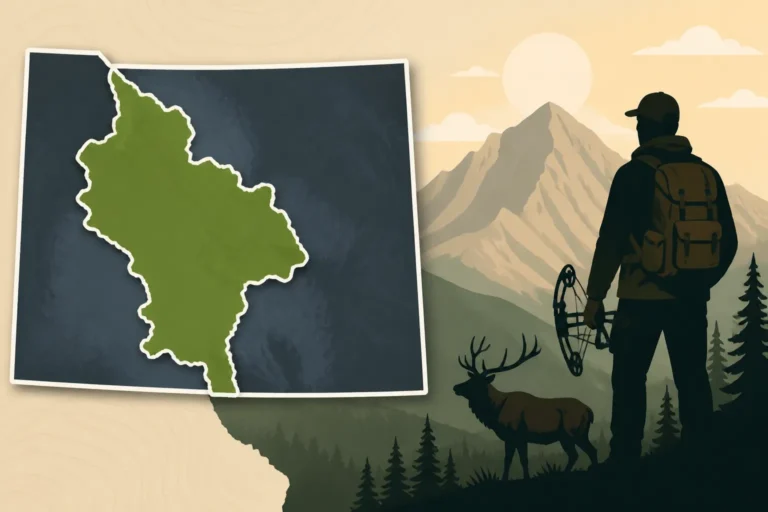
The Medicine Bow National Forest, often affectionately called "The Med Bow" by locals, isn't just one contiguous block of timber. It’s a vast, diverse area that stretches across parts of southeastern Wyoming, offering a completely different hunting experience than the open country further north or east. It's truly a mixed bag of environments, from the lower-elevation pine forests to the alpine tundra near its highest peaks.
Geographic Features and Terrain Diversity
Picture this: you've driven for hours across the high desert, and then suddenly, the landscape rises, greening with dense timber and aspen stands. That's the Medicine Bow. It’s characterized by rolling hills, steep drainages, and significant elevation changes, particularly in the Snowy Range and Sierra Madre portions. You'll find ponderosa pine, lodgepole pine, Douglas fir, and those beautiful, golden aspen groves that light up the mountainsides in the fall. This varied terrain means different strategies for different hunters. A still hunter might love the dark timber, while someone focused on glassing might seek out the open parks and clearcuts.
Unlike the vast, open plains where you can see for miles, the Medicine Bow often means tighter quarters. This can be a challenge for those used to long-range shooting, but it also provides excellent cover for both hunter and hunted. The density of the timber means you're often hunting by sound and tracks, paying close attention to the wind and your approach. It’s a place where patience and quiet movement often pay off more than pure optics power. Understanding these nuances before you arrive can dramatically improve your chances of success and enjoyment.
Weather Patterns and Seasonal Considerations
Hunting in the Medicine Bow National Forest means preparing for all types of weather, often within the same day. Given its higher elevations, especially in the Snowy Range, snow can fall as early as September and stick around well into the spring. Summer afternoons can bring intense thunderstorms with lightning, and fall days can swing from warm, sunny mornings to freezing, blustery afternoons. Always pack layers and be ready for anything.
Early season archery hunters might experience mild, pleasant conditions, but they should still carry rain gear and be mindful of sudden temperature drops. Rifle season, typically later in the fall, almost guarantees you'll encounter snow, mud, or frozen ground. This impacts animal movement, vehicle access on forest roads, and your personal comfort. Knowing when to expect cold fronts or potential early snowfalls, which can push animals down to lower elevations, is key to planning your trip. It's not uncommon for a hunt to be decided by how well you adapt to rapidly changing conditions.
Key Access Points and Navigating the Forest
Getting into the Medicine Bow National Forest is relatively straightforward, but navigating it once you're there requires some planning, especially if you're not familiar with the network of roads and trails.
Major Entry Corridors and Roads
The primary access points to the Medicine Bow National Forest generally follow major highways that cut through or run alongside it. For instance, in the southern part of the state, Highway 230 and Highway 70 (the "Battle Pass Scenic Byway," often closed in winter) provide critical entry into the Sierra Madre and Snowy Range areas. Further north, I-80 offers convenient exits that lead to forest roads and campgrounds. From Laramie, heading west on Highway 130 will take you right into the heart of the Snowy Range.
Most of these main highways connect to a complex network of paved and gravel forest roads. Many of these gravel roads are well-maintained during the summer and early fall, but they can quickly turn to mud or become impassable with snow. Always check local forest service road conditions before heading out, especially if you’re planning a late-season hunt. For hunters with trailers or those concerned about vehicle clearance, sticking to the more maintained routes is a good idea. However, some of the best hunting often requires venturing a bit further down the less-traveled paths.
Navigating the Forest: Maps, Apps, and Motorized Rules
Once you're off the main highways, navigating the Medicine Bow can get tricky. Roads branch off, some are gated, and others are seasonal. This is where good navigational tools become invaluable. A reliable GPS unit, especially one with preloaded topo maps, is essential. Even better, many hunters now rely on mapping apps like onX Hunt, which can display private and public land boundaries, forest roads, and even wilderness areas right on your phone or tablet. This can save you a lot of headache and prevent accidental trespass onto private ground.
| Navigational Tool | Best Use Case | Key Advantage | Important Consideration |
|---|---|---|---|
| Paper Topo Maps | General overview, backup when electronics fail | No batteries, durable | Can be hard to read, don't show land ownership |
| GPS Device | Pinpointing exact location, marking waypoints | Highly accurate, works without cell signal | Batteries die, requires map downloads |
| onX Hunt App | Real-time land ownership, road networks, custom maps | Comprehensive, easy to use, offline capabilities | Relies on battery, subscription cost |
| Motor Vehicle Use Map (MVUM) | Official guide to legal motorized routes | Shows specific open/closed roads and vehicle types | Often black and white, can be outdated if not latest |
It's crucial to understand the rules regarding motorized vehicle use. The Medicine Bow National Forest, like other national forests, has a Motor Vehicle Use Map (MVUM) that designates which roads are open, which are seasonal, and which are completely closed to vehicles. These maps are the only legal authority on where you can drive. Never assume a two-track is a legal road. Sticking to these designated routes is important for ethical hunting and avoiding fines. Pay attention to signs on the ground, as they always supersede older map data. Many areas within the forest are foot-traffic only, especially as you get further from main roads or venture into designated wilderness areas. Knowing Motorized Limits Inside Wyoming Wilderness is vital if you plan to explore deeper.
Hike-In and Backcountry Opportunities
For those seeking a true wilderness experience and willing to put in the legwork, the Medicine Bow National Forest offers fantastic hike-in and backcountry hunting opportunities. The further you get from a road, the fewer other hunters you'll typically encounter, and often, the more undisturbed the game animals will be. This means strapping on a good pack, filling it with necessities, and heading into the timber.
Popular areas for backcountry access include trailheads leading into the designated wilderness areas, such as the Platte River Wilderness or parts of the Snowy Range and Sierra Madre that are managed for non-motorized use. Access to the Wind River and Teton Wilderness in Wyoming may be more iconic for some, but the Med Bow offers closer and often less-pressured opportunities. This kind of hunting demands physical fitness and self-sufficiency. You'll need to be prepared to navigate without cell service, carry all your gear, and potentially pack out an animal several miles. Researching trail systems and elevation profiles beforehand with tools like GoHunt can help you identify promising remote areas away from the crowds.
What You Can Hunt in the Medicine Bow National Forest
The Medicine Bow National Forest is a haven for a variety of game species, offering different challenges and rewards depending on what you're after. From big game to smaller forest creatures, there's something for every hunter.
Big Game Species: Elk, Mule Deer, and Moose
The big draw for many hunters in the Medicine Bow is the opportunity to pursue elk and mule deer. Elk are found throughout the timbered mountainsides, often moving between dense cover and the more open parks or clearcuts to feed. Hunting elk here often involves silent tracking through the trees or patiently waiting near water sources and travel corridors. During the rut, you might hear the iconic bugle echoing through the canyons, providing a thrilling challenge for bowhunters. Understanding Bugle and Cow Call Timing Through the Rut is critical for success.
Mule deer are also prevalent, favoring the mixed conifer and aspen stands, as well as the transition zones between forest and sagebrush. While you might not see the giant bucks found in some of Wyoming's more arid mule deer areas, the Medicine Bow offers solid opportunities for respectable animals. The varied terrain and cover often make mule deer here a bit more elusive, requiring a different approach than glassing wide-open basins.
Perhaps the most sought-after and hardest-to-draw tag in the Medicine Bow is for Shiras moose. These majestic animals prefer riparian areas, willow bottoms, and dense, marshy timber. Moose populations are stable in parts of the forest, but tags are extremely limited and can take many years to draw. If you're lucky enough to draw a moose tag, focus your scouting on areas with plenty of water and willow browse. Knowing Moose Draw Odds by Hunt District can help you understand the challenge.
Other Forest Game: Black Bear and Grouse
Beyond the big game, the Medicine Bow National Forest also offers hunting opportunities for black bear and various grouse species. Black bears are residents of the forest, particularly in areas with good cover and food sources like berries. Both spring and fall seasons are available, though regulations regarding baiting vary. Hunters should always be bear aware and know how to identify black bears versus grizzlies, though the latter are generally not found in the Medicine Bow.
For those who enjoy upland bird hunting, the Medicine Bow is home to dusky (blue) grouse and ruffed grouse. These birds provide an exciting challenge, often flushing explosively from timbered hillsides or thick aspen stands. Grouse hunting is typically a walk-and-stalk affair, often combined with a big game hunt, providing a nice break from the intensity of pursuing larger animals. A good bird dog can be a huge asset, but many hunters enjoy working the cover on foot.
Specific Hunting Unit Considerations
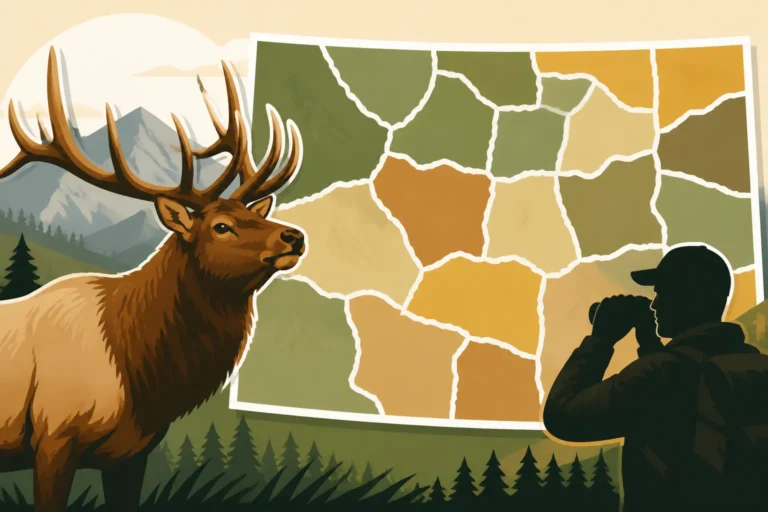
The Medicine Bow National Forest spans several different hunt units for each species, and regulations can vary significantly from one unit to the next. For instance, some elk units might be general license areas, while others are limited quota. Some deer units may have antler point restrictions, while others do not. It's imperative to consult the current Wyoming Game and Fish Department regulations for the specific hunt area you plan to pursue.
You’ll want to pay close attention to the unit numbers (e.g., "E" for elk, "D" for deer) and their corresponding boundaries. Understanding How Wyoming Numbers Its Hunt Areas and then looking up specific rules for that number is crucial. The regulations will detail season dates, weapon restrictions, and license types. For example, some areas might have an archery-only season followed by a general rifle season, while others are rifle-only from the start. Tools like GoHunt can provide draw odds and harvest data broken down by unit, helping you plan your application strategy before you even think about buying a license.
Essential Tools and Resources for Your Trip
Successfully hunting the Medicine Bow National Forest goes beyond just knowing what's out there; it requires having the right tools and knowing where to find the most current information. Preparation truly makes all the difference when you're heading into this kind of country.
Maps and Digital Scouting
We’ve touched on it already, but good maps are non-negotiable. Whether you prefer old-school paper topo maps or modern digital tools, you need to know where you are, where you can go, and what lies between you and your target. Digital mapping apps have revolutionized how many of us hunt. Services like onX Hunt provide detailed satellite imagery, public and private land boundaries, forest service roads, and even landowner contact information. This allows you to scout from home, identify potential access points, and mark promising areas before you ever step foot in the forest. You can mark water sources, potential bedding areas, and escape routes.
However, don't rely solely on technology. Always have a backup plan. A paper map and compass are light, durable, and don't run out of battery. Downloading offline maps to your phone or GPS device is also critical, as cell service is spotty to non-existent in much of the Medicine Bow's backcountry. Taking the time to study your maps, both digital and physical, before your hunt will give you a significant advantage. This process of E-Scouting a Unit Before the Season Opens is a powerful tool for planning a hunt in unfamiliar territory.
Regulation Books and Online Resources
The most important resource for any hunter is the current year's Wyoming Game and Fish Department hunting regulations. These free booklets are available online and at local Game and Fish offices and license vendors. They are the definitive guide to legal hunting in Wyoming, covering everything from season dates and bag limits to weapon restrictions and tagging requirements. Don't rely on information from previous years or what someone else told you; laws and regulations change.
The Wyoming Game and Fish website is also an invaluable resource. You can find draw odds, harvest statistics, hunt planner tools, and detailed maps of hunt areas. For instance, you can use their site to understand Wyoming's Elk Hunt Unit Boundaries or locate specific deer or antelope units. For more in-depth planning and data analysis, services like GoHunt offer comprehensive statistics, drawing odds calculators, and filtering tools that can help you identify units that fit your desired hunting style and point accumulation. These resources are designed to help you plan your hunt effectively and legally.
Gear and Physical Preparation
Hunting the Medicine Bow National Forest demands appropriate gear and a reasonable level of physical fitness. The rugged terrain, variable weather, and potential for long hikes mean you need to be prepared. Good quality rain gear is a must, as are sturdy, broken-in hiking boots. Layering clothing is essential to adapt to temperature swings. You’ll need a comfortable backpack capable of carrying your daily essentials and potentially a load of meat.
If you're planning a backcountry trip, consider a portable water filter, a reliable first-aid kit, and satellite communication device for emergencies. The higher elevations, particularly in the Snowy Range, can take a toll if you're not acclimated. If you're coming from sea level, give yourself a day or two to adjust to the altitude before hitting the steep trails hard. Physical conditioning, including hiking with a loaded pack, will significantly enhance your experience and increase your chances of success. Understanding Physical Conditioning for a Mountain Hunt can help you get ready for the rigors of a hunt in the Med Bow.
Disclaimer
This article is for general informational purposes only and does not constitute professional advice. Laws, prices and regulations vary by location and change over time. Consult a qualified professional for guidance on your specific situation.