Pack Stock Rules Inside Wilderness Areas
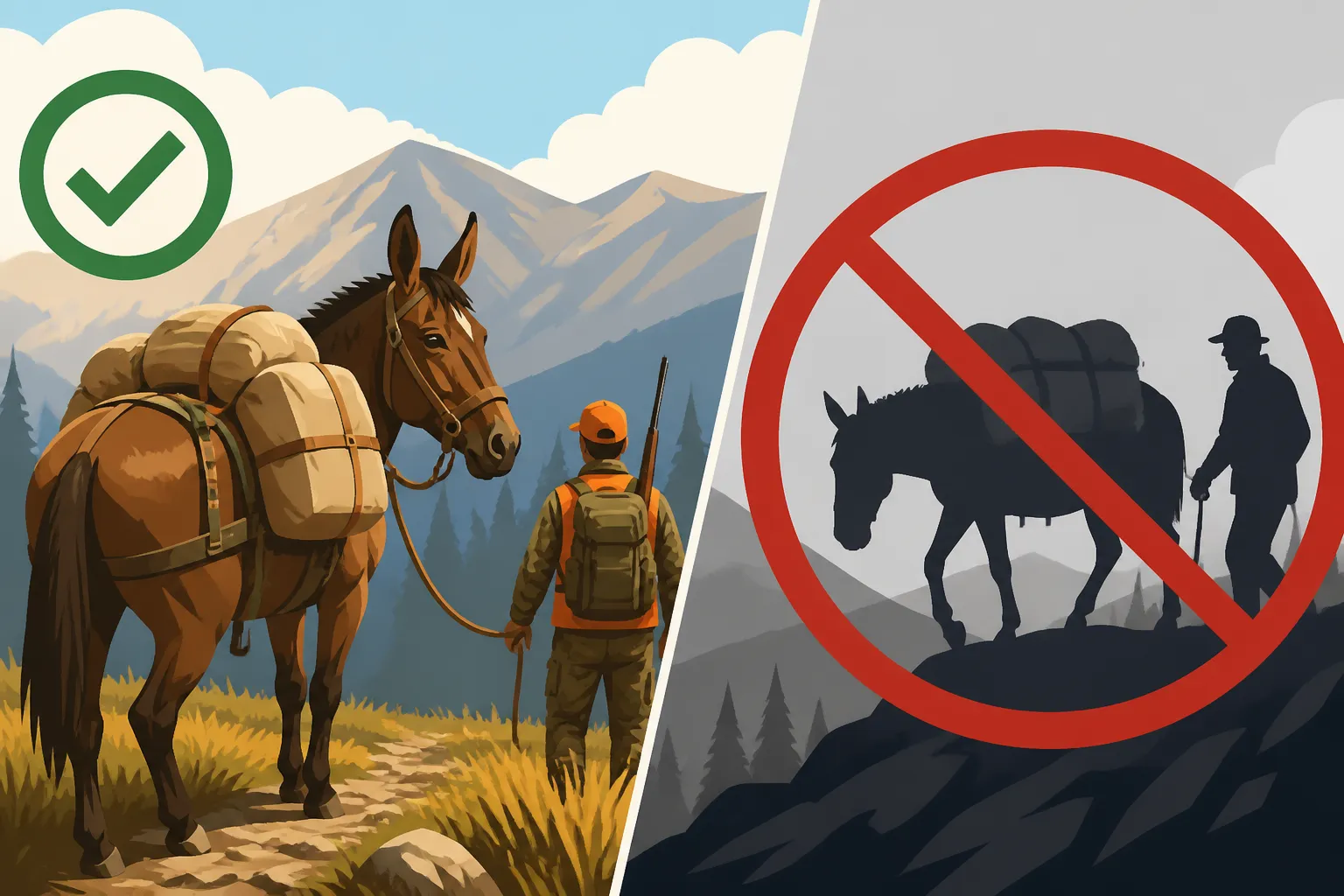
Navigating Wyoming's vast wilderness with pack stock can be an incredible experience, but it comes with a strict set of rules that can feel overwhelming at first. Many folks, myself included, have stood at a trailhead with horses or mules, looking at the "Wilderness Area" sign and wondering exactly what they can and can't do, worried about accidentally breaking a regulation and spoiling a hard-earned trip. This guide will walk you through the essential rules and best practices for using pack stock in Wyoming's wilderness areas, helping you understand the "why" behind the regulations and how to plan a responsible, enjoyable, and compliant adventure.
Why Pack Stock Rules Exist in Wyoming Wilderness
Before we dive into the specifics, it's helpful to understand the philosophy behind these regulations. Wilderness areas, by definition, are places "where the earth and its community of life are untrammeled by man, where man himself is a visitor who does not remain." This designation means these lands are managed to preserve their wild character, and that includes minimizing the impact of even traditional uses like pack stock.
Protecting the Pristine Environment
One of the primary reasons for strict pack stock rules is to protect the fragile wilderness ecosystem. Horses, mules, and llamas, while perfectly natural in many settings, can introduce non-native plant seeds through their feed, compact sensitive soils, and contribute to erosion, especially in high-use areas or during wet conditions. Their waste can also alter nutrient cycles and contaminate water sources if not managed properly. The rules aim to mitigate these impacts, ensuring that the wild beauty and ecological integrity of places like the Bridger-Teton National Forest remain intact for generations to come. It’s about leaving no trace, not just from our footsteps, but from our animals' presence too.
Minimizing Conflicts with Other Users
Wyoming's wilderness areas are shared spaces, attracting a diverse range of users—backpackers, hunters, anglers, climbers, and those simply seeking solitude. When pack stock are used, there's a potential for conflict, whether it's related to trail damage, sanitation, or simply the presence of large animals impacting the experience of someone seeking a "wild" encounter. The regulations are designed to foster harmonious coexistence. By setting clear expectations for how pack stock users operate, they help ensure everyone can enjoy the wilderness safely and respectfully. For instance, knowing how to yield the trail or properly picket your animals away from water sources goes a long way in showing courtesy to fellow wilderness visitors.
Essential Regulations for Pack Stock in Wyoming Wilderness
Wyoming's wilderness areas, often found within the larger boundaries of our National Forests like the Shoshone and Medicine Bow, adhere to federal wilderness regulations, which are then often supplemented by specific local rules from the managing forest or district. It's always crucial to check with the specific ranger district for the area you plan to visit, as nuances can exist between, say, the Popo Agie Wilderness and the Gros Ventre Wilderness.
Stock Requirements and Health
Bringing pack stock into the wilderness isn't just about loading them up; it's about ensuring they are fit and properly prepared. Many areas require that all hay or feed brought into the wilderness be certified weed-free. This isn't just a suggestion; it's a critical measure to prevent the introduction of invasive plant species that can outcompete native vegetation and disrupt the ecosystem. Imagine spending years waiting to draw a bighorn sheep tag and then inadvertently introducing a weed that destroys their forage. It's a real concern. Additionally, your animals should be in good health and condition to handle the rigors of mountain travel, minimizing the risk of injury or distress that could necessitate a complicated and impactful rescue. Think of the remote nature of the Wind River and Teton Wilderness Access in Wyoming and how much tougher a situation becomes if an animal is injured there.
Camping and Grazing Restrictions
Where you can camp and how you manage your stock's grazing are among the most important regulations. In many wilderness areas, open grazing is either prohibited or highly restricted, especially near water sources or in heavily used camps. This means you might need to carry certified weed-free feed, or use portable corrals or high-lines to contain your animals. The goal is to prevent overgrazing of native vegetation and to keep stock away from riparian areas where their presence can contaminate water and damage fragile streambanks. Camping with stock often requires you to be a certain distance from trails, water, and other camps, ensuring solitude for all users and minimizing impact. For example, there are strict rules around camp setup in grizzly country to prevent bear encounters, which also tie into Food Storage Rules in Grizzly Country.
Trail Etiquette and Right-of-Way
Just like on a highway, there's a "code of the road" on wilderness trails. When you encounter other users, particularly backpackers, it's generally expected that pack stock users will yield the right-of-way. This means stepping off the trail, if safe to do so, and allowing hikers to pass. Speak calmly to hikers as you approach to avoid startling them or their animals, and be prepared to take control of your stock. Your animals should always be under control, whether that's leading them, riding them, or using hobbles in camp. This prevents runaways, reduces trail damage, and ensures safety for everyone. Remember, many hikers aren't accustomed to large animals on the trail, and a polite, proactive approach from you can make all the difference in a positive interaction. These common courtesies are part of the broader Wilderness Rules Every Wyoming Nonresident Should Know.
Navigating Wilderness Access with Pack Stock
Getting into a wilderness area with pack stock requires more than just showing up at the trailhead. It involves careful planning, understanding specific access points, and sometimes even acquiring permits. Ignoring these steps can lead to frustration, turning a dream trip into a logistical nightmare.
Understanding Permitting and Quotas
Some of Wyoming's wilderness areas, especially the more popular ones or those managed to protect specific resources, might operate under a permit or quota system for pack stock users. This is particularly true in areas where usage might be concentrated, or where a limited entry system is in place to preserve the wilderness character. These permits often specify entry and exit points, dates, and the number of stock allowed. It's crucial to research these requirements well in advance of your trip. Websites for the Bureau of Land Management (BLM) and the Forest Service are your go-to resources. Applications might be required months in advance, and some areas may use a lottery system similar to how hunting tags are drawn. Using tools like GoHunt can sometimes help gather information on specific unit regulations or access points, though direct agency contact is always best for official permit requirements.
Planning Your Route and Camp
Detailed route planning is paramount when taking pack stock into the wilderness. You need to know not only where you're going but also where you can safely and legally take your animals. Consider water availability, forage (if allowed), suitable camping spots that meet minimum distance requirements from water and trails, and the condition of the trails themselves. Some trails might be too narrow, too rocky, or have bridges unsuitable for stock. A good topographic map, along with digital mapping tools like onX Hunt, can be invaluable here. These apps allow you to mark potential camps, water sources, and assess terrain difficulties before you even leave home. Always have a backup plan for water and camp locations, as conditions can change rapidly in the mountains. For hunters, this planning also includes considering how you'll pack out an animal, which is where understanding the logistics of Pack String Outfitters Working in Wyoming can be helpful even if you're not hiring one.
Gear and Best Practices for a Successful Pack Stock Trip
Beyond the rules, there are best practices and essential gear that will make your pack stock trip both successful and responsible. Think of it as investing in both your safety and the longevity of the wilderness experience for everyone.
Essential Gear for Your Animals and Camp
Packing smart is critical. For your animals, essential gear includes proper packing saddles and panniers, lead ropes, hobbles or high-lines, and a repair kit for any tack. As mentioned, certified weed-free feed might be a requirement, so plan for hay cubes or pellets if grass grazing is restricted. For your camp, think low-impact: a small, lightweight tent, a cooking system that minimizes fire risk, and bear-resistant food containers if in grizzly country. A shovel or trowel for proper waste disposal (both human and animal) is also a must.
Here's a quick look at some key gear and why it matters:
| Item | Purpose | Wilderness Impact Consideration |
|---|---|---|
| Certified Weed-Free Feed | Provides nutrition, prevents invasive plant introduction. | Reduces spread of non-native seeds and overgrazing. |
| High-Line or Portable Corral | Secures stock in camp, limits impact on vegetation. | Prevents trampling, allows animals to rest without free-roaming. |
| Bear-Resistant Containers | Protects food from wildlife, especially bears. | Prevents habituation of animals to human food, ensures safety. |
| Shovel/Trowel | Digging catholes for human waste, scattering stock waste (where allowed). | Ensures proper sanitation, prevents contamination. |
| Stock Hoof Boots | Protects animal hooves on rocky terrain. | Minimizes trail erosion, animal discomfort, and potential injury. |
| Repair Kit (tack) | Fixes broken straps, buckles, etc. in the field. | Prevents need for premature exit, maintains animal control. |
For safety, always carry a first-aid kit for both humans and animals, and a reliable satellite communication device, especially in areas with no cell service. Even seemingly minor injuries to a horse or mule far from a trailhead can become a major problem. When considering a longer trip, or if you're venturing into particularly rugged country, researching Wilderness Pack Trips Built for Hunters can give you an idea of the types of equipment and preparedness levels professionals employ.
Low-Impact Stockmanship and Leave No Trace
The principles of Leave No Trace extend fully to pack stock use. This means choosing durable surfaces for travel and camping, properly disposing of waste, minimizing campfires, respecting wildlife, and leaving what you find. For stock, this translates to:
- Staying on established trails: Avoid creating new trails, especially in wet or sensitive areas.
- Camping in designated or hardened sites: If no designated sites exist, choose a durable surface like rock or dry grass, away from water and trails.
- Managing waste: Spread out manure away from water sources and trails, or pack it out if required. Human waste should always be buried in catholes at least 200 feet from water, camp, and trails.
- Minimizing grazing: Use weed-free feed. If grazing is allowed, move your animals frequently to prevent overgrazing any single spot.
- Protecting water: Keep animals out of lakes and streams as much as possible. Water them from buckets or lead them to a wide, durable bank.
These practices, while sometimes requiring extra effort, are what preserve the very wilderness experience you seek. They allow for future generations to enjoy the same wildness, whether they're hiking, hunting for elk (like in Elk Hunting the Wind River Wilderness), or exploring on horseback. It's about being a responsible steward of these incredible landscapes.
Taking pack stock into Wyoming's wilderness is an unparalleled adventure, offering access to remote country few others see. The regulations might seem extensive, but they are designed to protect the very essence of what makes these places special. By understanding the "why" behind the rules, preparing thoroughly, and practicing low-impact stockmanship, you can ensure your wilderness experiences are not only successful and memorable but also respectful of the land and fellow users. Always remember to check with the specific land management agency for the most current and localized regulations before you hit the trail, because a well-planned trip is always a safe and responsible one.
Disclaimer
This article is for general informational purposes only and does not constitute professional advice. Laws, prices and regulations vary by location and change over time. Consult a qualified professional for guidance on your specific situation.