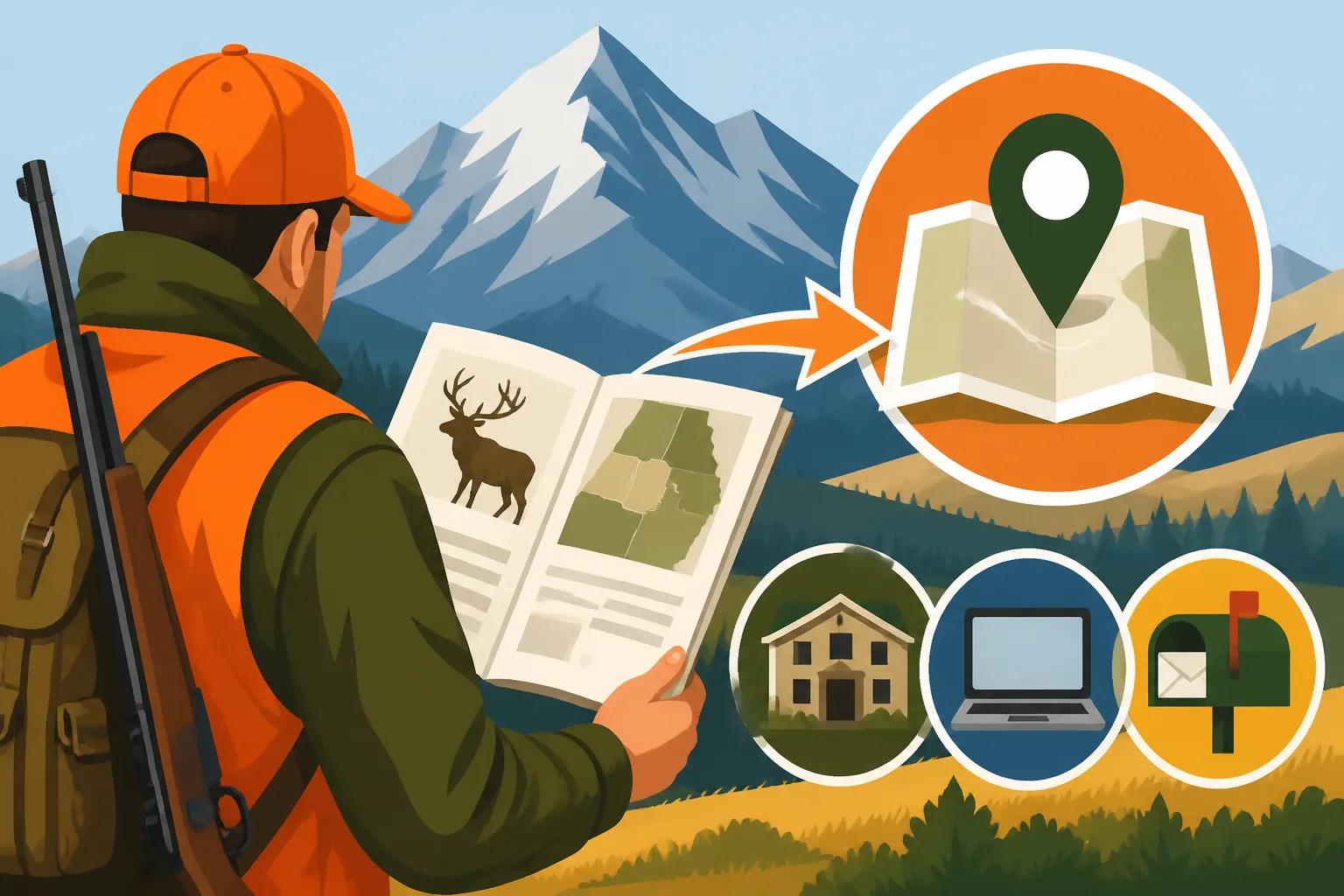
Where to Find Wyoming Hunt Area Regulation Booklets
Trying to make sense of Wyoming's complex hunting regulations can feel like an overwhelming task, especially when you're juggling multiple species, different hunt areas, and varying weapon types. It's easy to get that sinking feeling, wondering if you've truly covered all your bases before heading out into the field. This comprehensive guide is designed to cut through the confusion, showing you exactly where to find the most accurate and up-to-date Wyoming hunt area regulation booklets, ensuring you're fully prepared and compliant for your next adventure.
The Digital Lifeline: Finding Regulations Online
In today's connected world, one of the most convenient and immediate ways to access Wyoming's hunting regulations is right from your computer or smartphone. The Wyoming Game and Fish Department (WGFD) website is your absolute go-to resource, serving as the official repository for all current regulations. For many hunters, especially those planning a trip from out of state, this digital access is a godsend, saving trips to distant offices and ensuring you always have the latest information at your fingertips.
When you navigate to the WGFD website, you'll find a dedicated section for "Regulations." This isn't just a simple page; it's a gateway to all the specific season and hunt area information you'll need. They typically break down the regulations by species – think elk, deer, antelope, bighorn sheep, moose, and even smaller game and upland birds. Each of these sections will usually have a downloadable PDF document that outlines everything, from season dates to legal weapons, license types, and specific hunt area boundaries. The beauty of these PDFs is their searchability; you can often use a simple Ctrl+F (or Command+F on a Mac) to quickly find keywords like your hunt area number, "archery," or "muzzleloader," streamlining your research significantly. This is invaluable when you're cross-referencing information, perhaps after using a mapping application like onX Hunt to scout potential public land access points or identifying specific habitat features.
Beyond just the static PDF documents, the WGFD often provides interactive tools like the A Walkthrough of the Wyoming Hunt Planner. This online tool can allow you to search for hunt areas, view maps, and sometimes even link directly to the relevant regulations for that specific area. It's a fantastic way to visualize the information and understand how a regulation translates to a physical location. While general regulations might cover statewide rules, the hunt area specific booklets are where you'll find the intricate details that truly define your hunt, such as specific opening and closing dates for various license types (e.g., What a Wyoming Type 1 Elk License Means vs. Which Animals a Type 6 Elk License Covers), special archery-only periods, or antler point restrictions. Always make sure you're looking at the current year's regulations, as dates and rules can change annually, and relying on outdated information can lead to severe disappointment, or worse, legal trouble. You'll find that Where the Current Wyoming Regulations Are Posted is typically front and center on the WGFD's main hunting page when a new regulation cycle begins.
The Tangible Truth: Grabbing Physical Booklets
While digital regulations are incredibly convenient, there's still a strong case to be made for having a physical copy of the hunt area regulation booklets in your hands. Many seasoned hunters will tell you there's nothing quite like flipping through actual pages, highlighting key dates, and making notes directly in the margins. It’s also a lifesaver when you're deep in the backcountry, miles from cell service, and your phone battery is on its last leg.
The most reliable place to pick up physical copies of the Wyoming hunt area regulation booklets is any official Wyoming Game and Fish Department regional office. These offices are scattered throughout the state, with major hubs in cities like Cheyenne, Casper, Cody, Jackson, Laramie, Pinedale, and Sheridan. If you're driving through on your way to a hunt, stopping at one of these offices is a great opportunity not only to grab the booklets but also to chat with local biologists or game wardens if they're available. They often have invaluable insights into current conditions, game movements, and subtle interpretations of the regulations that aren't immediately apparent in print.
Beyond the WGFD offices, you'll also find regulation booklets available at many license vendors across Wyoming. These include sporting goods stores, bait and tackle shops, some grocery stores, and even gas stations, particularly in smaller towns that cater to the hunting community. These vendors are crucial distribution points, making it easy to grab a copy even if you're not near a major WGFD hub. It’s always a good idea to confirm with the vendor that they have the most current year’s booklets, as sometimes older stock might linger. Having a physical copy of, say, the specific regulations for Wyoming Elk Season Dates Are Set Hunt Area by Hunt Area can be critical for quick reference, especially when you're trying to figure out if you're in the right zone or if a particular area has specific weapon restrictions.
Why These Booklets Are Your Hunting Bible
It's easy to browse hunting forums, listen to podcasts, or get advice from friends, but when it comes to the law, the official Wyoming hunt area regulation booklets are your absolute bible. These aren't just suggestions; they are the legal framework governing every aspect of your hunt. Relying on hearsay, outdated information, or a general understanding can lead to significant penalties, from hefty fines to license revocation, and even the loss of your harvested animal. No hunter wants that gut-wrenching feeling of realizing they made a mistake that could have been easily avoided.
These booklets detail everything from statewide regulations (like blaze orange requirements during rifle seasons or rules for hunting from a vehicle) to highly specific hunt area stipulations. For instance, while a general elk license might get you into certain areas, knowing the specifics of Wyoming's General Elk Licenses and Where They Work often requires diving into the booklet to see which specific hunt areas are open to general tags and which are designated "limited quota" areas where only draw tags are valid. They meticulously lay out season dates for various species and weapon types within each hunt area, clarify license types (like Type 1, Type 6, Type 9, and what animals they allow), and outline restrictions on weapon choices, broadhead specifications, and even the use of electronic calls or baiting.
Furthermore, these official documents provide essential information that directly impacts your success and safety in the field. They often include critical details about carcass tagging, evidence of sex requirements, meat salvage rules, and chronic wasting disease (CWD) testing instructions. Imagine putting in years for a coveted bighorn sheep tag, only to run afoul of a tagging regulation because you didn't consult the official text. The regulations also serve as the final word on things like How Wyoming Numbers Its Hunt Areas and Hunt Areas Against Herd Units in Wyoming, which can be incredibly confusing if you're trying to compare data from different sources or apply for future draws using services like GoHunt for analysis. The bottom line is, ignorance of the law is not a defense, and these booklets are the single most authoritative source for staying legal and ethical in the field.
Navigating the Nuances: Tips for Regulation Comprehension
Once you have your hands on the regulations, either digitally or physically, the real work begins: understanding them. Don't let the sheer volume of text intimidate you. With a methodical approach, you can extract the critical information you need for a successful and legal hunt.
First, always start by identifying the general regulations section. These are the rules that apply statewide, regardless of the species or specific hunt area. They cover universal topics such as licensing requirements, hunter education (remember, anyone born after 1965 needs Anyone Born After 1965 Needs Wyoming Hunter Education), legal shooting hours, trespass laws, and basic weapon requirements. Get a solid grasp of these overarching rules before you dive into the specifics, as they form the foundation of legal hunting in Wyoming.
Next, move to the species-specific regulations for what you plan to hunt. If you have an elk tag, go straight to the elk section. If it's mule deer, focus there. Within these sections, pay very close attention to the tables detailing season dates, hunt areas, and license types. This is where most of the critical, hunt-defining information resides. You'll see which Wyoming Elk Season Dates Are Set Hunt Area by Hunt Area apply to your specific tag, or if a particular unit like Area 1 for deer has specific antler point restrictions. Use a highlighter or a digital annotation tool to mark your specific hunt area(s) and the corresponding dates and legal weapon types. For example, if you're hunting an archery-only season, double-check that your broadhead meets The Minimum Cutting Width a Broadhead Must Make requirement.
Finally, cross-reference everything with a good map. Online mapping tools like onX Hunt are fantastic for this, allowing you to overlay hunt area boundaries directly onto topographic maps. This visual confirmation helps prevent accidental trespass into an adjacent hunt area with different rules or even private land. Imagine you're studying Reading an Antelope Hunt Unit Map or Elk Unit Maps That Show Private Land Overlays; comparing the lines on your map to the descriptions in the booklet helps solidify your understanding of where you can and cannot legally hunt. Regularly checking the WGFD website for amendments or emergency closures is also a smart practice, especially closer to your hunt date, as conditions can sometimes necessitate changes.
Remember, understanding the regulations is not just about avoiding a ticket; it's about being a responsible, ethical hunter. It ensures the longevity of Wyoming's wildlife resources and upholds the proud tradition of fair chase.
Here's a quick comparison of accessing regulations:
| Feature | Online PDF Regulations (WGFD Website) | Physical Regulation Booklet (WGFD Office/Vendor) |
|---|---|---|
| Accessibility | 24/7 with internet connection | During business hours, at physical locations |
| Searchability | Keyword search (Ctrl+F), quick navigation | Manual page-flipping, requires careful reading |
| Portability | On smartphone/tablet (if downloaded), lightweight | Bulky, can be heavy for backpack, may get damaged |
| Updates | Most current version, instant access to amendments | Static, may be outdated if not the latest printing |
| Offline Use | Only if downloaded before losing service | Always available, no battery or signal needed |
| Cost | Free to view/download | Free at WGFD offices, potentially nominal fee elsewhere |
Disclaimer
This article is for general informational purposes only and does not constitute professional advice. Laws, prices and regulations vary by location and change over time. Consult a qualified professional for guidance on your specific situation.