The Minimum Cutting Width a Broadhead Must Make
One of the trickiest parts about gearing up for a Wyoming archery hunt, especially for big game, is making absolutely sure every piece of your equipment meets the letter of the law. You’ve put in the range time, scouted your unit, and probably invested a good chunk of change in your setup, so the last thing you want is to be caught off guard by a regulation you overlooked. This guide will walk you through the specifics of Wyoming’s broadhead cutting width requirements, helping you understand the rules and why they're in place, so you can hunt confidently and ethically.
Understanding Wyoming's Broadhead Cutting Width Rule
Wyoming has very clear, non-negotiable rules when it comes to the broadheads you can use for hunting big game. These aren't just arbitrary lines in the sand; they're in place to ensure a quick, ethical kill. As archers, our primary responsibility is to dispatch an animal as humanely as possible, and the tools we choose play a huge role in that.
The 7/8-Inch Minimum Cutting Diameter Explained
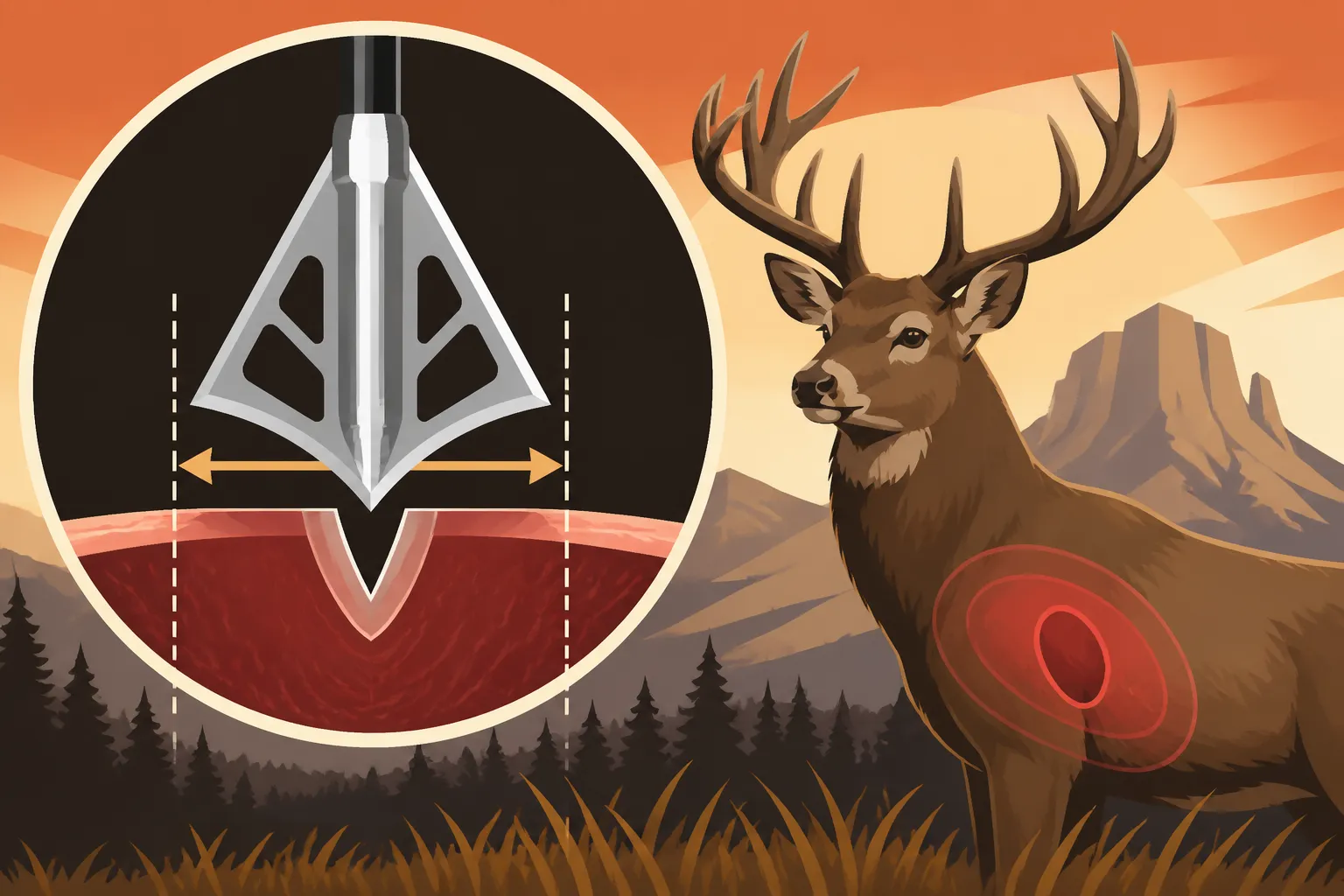
The core of Wyoming's broadhead regulation for big game hunting is straightforward: your broadhead must have a minimum cutting diameter of 7/8 of an inch. This isn't just about the width of the blades when they're folded back; it's about the total cutting surface that enters and passes through the animal. This rule applies across the board, whether you're chasing elk, deer, antelope, or any other big game species.
Think of it this way: the state wants to ensure that when your arrow hits its mark, it creates a wound channel large enough to cause significant hemorrhage and damage vital organs quickly. A smaller cutting diameter, even with perfect shot placement, simply might not create the necessary trauma for a fast, humane kill. This 7/8-inch measurement is a critical baseline that helps achieve that goal. It's a balance between penetration and cutting surface, designed to give the animal the best chance of expiring quickly. You can learn more about specific requirements by checking out the article on Broadheads That Fail the 7/8-Inch Ring Test.
Fixed Blades Against Mechanical Broadheads Under the Rule
This minimum cutting width rule becomes particularly important when you consider the different types of broadheads available on the market today. Both fixed-blade and mechanical (expandable) broadheads need to comply, but how you measure them can differ slightly.
Fixed-blade broadheads are generally simpler to evaluate. Their blades are rigid and don't move, so you simply measure the widest point from one cutting edge to the opposite. Most reputable fixed-blade broadheads designed for big game hunting will easily exceed the 7/8-inch minimum. Common designs often feature cutting widths from 1 inch to 1 1/4 inches or more, making them a safe bet regarding this particular regulation.
Mechanical, or expandable, broadheads are where hunters sometimes need to pay closer attention. These broadheads are designed with blades that deploy upon impact, creating a wider cutting diameter than their ferrule might suggest. For mechanical broadheads, the 7/8-inch rule refers to the cutting diameter when the blades are fully deployed. This is a crucial distinction. A mechanical broadhead might measure much less than 7/8 inch when its blades are folded back, but as long as it expands to 7/8 inch or greater upon entry, it’s generally considered compliant in Wyoming. However, it's vital to ensure your mechanicals deploy reliably and consistently to their advertised cutting width. Issues like dull blades, slow bow speeds, or poor shot angles can sometimes prevent full deployment, which would effectively render the broadhead non-compliant in a hunting scenario. Always double-check manufacturer specifications and consider testing a few heads into a dense foam target to confirm proper deployment. You can get a deeper dive into these options by reading about Fixed and Expandable Heads Under Wyoming Rules.
Why Broadhead Design is Crucial for Ethical Hunting
Beyond just meeting legal requirements, the design of your broadhead is a significant factor in the ethics of hunting. As responsible archers, we strive for clean, humane kills, and a broadhead's cutting width is directly tied to its effectiveness in achieving this.
Maximizing Hemorrhage for a Quick Kill
The primary goal of any broadhead is to create a wound channel that severs arteries, veins, and vital organs, leading to rapid blood loss (hemorrhage) and a swift, humane death. A broadhead with a sufficient cutting width, like the 7/8-inch minimum mandated by Wyoming, maximizes this effect.
When an arrow strikes a big game animal, it doesn't just create a single hole. It creates a wound channel. A broader cutting width means a larger wound channel, increasing the likelihood of hitting and severing multiple vessels and damaging more tissue. This accelerated blood loss is what causes the animal to lose consciousness and expire quickly, minimizing suffering. Imagine the difference between a small puncture and a wide, gashing cut – the latter will bleed far more profusely. This is the principle behind the cutting width rule. It's not about making a bigger hole for the sake of it; it's about making a more effective hole for an ethical harvest. Many experienced hunters use resources like GoHunt to research broadhead designs that consistently provide wide cutting diameters and robust penetration.
Shot Placement Still Reigns Supreme
While broadhead design and cutting width are undeniably important, it's absolutely critical to remember that they are secondary to shot placement. Even the widest, most well-designed broadhead won't guarantee a quick kill if it's placed in a non-vital area.
A precisely placed arrow with a compliant broadhead, aimed at the animal's vitals (heart and lungs), is the ultimate goal. This combination ensures maximum damage to the organs necessary for life, leading to rapid incapacitation. Conversely, a broadhead that meets all legal requirements but hits a leg, gut, or other non-vital area will result in a wounded animal and a potentially prolonged, agonizing experience. This is why consistent practice, understanding animal anatomy, and knowing your effective range are paramount. You could be using the best broadhead on the market, but if you can't put it where it needs to go, its effectiveness is negated. Many hunters spend countless hours practicing for this moment, tuning their bows with broadheads, and learning how to read wind on an open-country stalk to ensure their shot placement is perfect. For more on preparing your gear, consider reading up on Bow Tuning Worth Doing Before a Mountain Hunt.
Practical Broadhead Selection and Field Preparation
Choosing the right broadhead and making sure it's ready for the field involves more than just pulling a pack off the shelf. It requires careful consideration, measurement, and dedicated practice.
Checking Your Broadheads for Wyoming Compliance
Before you even think about heading into the field, you need to verify that your chosen broadheads meet the 7/8-inch minimum cutting width. For fixed-blade broadheads, grab a ruler or a caliper and physically measure the widest point across the blades. It's that simple. Most packaging will list the cutting diameter, but a quick physical check provides peace of mind.
For mechanical broadheads, the process is a bit different but equally important. You need to verify their fully deployed cutting diameter. This information should be clearly stated on the packaging. Many mechanical broadheads, like the popular Rage Hypodermic or the G5 Deadmeat, boast cutting widths well over an inch, ensuring compliance. However, some smaller-game or specialized mechanicals might not hit the 7/8-inch mark. Don't assume; always check. If you're unsure, or if the packaging is vague, contact the manufacturer. If a broadhead advertises a 1-inch cutting diameter, it should deploy to that size. It's also a good idea to ensure the blades are sharp; a dull blade won't cut as effectively, even if it meets the width requirement.
Here’s a quick reference for common broadhead types and typical cutting widths:
| Broadhead Type | Typical Cutting Width Range | Wyoming Legal (7/8" minimum) | Notes |
|---|---|---|---|
| Fixed Blade (3-Blade) | 1" – 1.25" | Yes | Generally robust, good penetration. |
| Fixed Blade (4-Blade) | 1" – 1.125" | Yes | Excellent cutting surface, can be more susceptible to wind drift. |
| Mechanical (Rear-Deploy) | 1.5" – 2" | Yes (when deployed) | Wider cutting diameter, excellent blood trails. Ensure reliable deployment. |
| Mechanical (Front-Deploy) | 1" – 1.5" | Yes (when deployed) | Good balance of cutting width and penetration. Ensure reliable deployment. |
| Cut-on-Contact (Fixed) | 7/8" – 1.25" | Yes | Known for excellent penetration, especially with bone. |
Remember, this table provides typical ranges. Always verify the specific model you intend to use.
Tuning Your Bow for Broadhead Flight
Even if your broadheads are perfectly legal and razor sharp, they won't do you any good if your bow isn't tuned to shoot them accurately. Broadheads, especially those with larger cutting diameters or different designs than your field points, can have a noticeable impact on arrow flight. The additional surface area of the broadhead blades can catch air differently, leading to erratic flight if your bow isn't properly tuned.
Broadhead tuning involves ensuring your arrows fly perfectly straight out of your bow, without any wobbling or "planing." This often means making minor adjustments to your arrow rest, nocking point, or even tiller on traditional bows. A common method is "paper tuning," where you shoot an arrow through a piece of paper close to the bow and analyze the tear pattern. You want a perfect bullet hole, indicating clean arrow flight. Another method is "walk-back tuning," which helps ensure your sight pins are aligned for varying distances with broadheads. Neglecting broadhead tuning is a mistake many hunters make, leading to frustrating misses and unethical shots in the field. Resources like GoHunt often have excellent articles and videos on proper bow tuning techniques. Don't underestimate this step; it's just as important as shot placement. For more detail, you might want to look at Arrow Weight That Gets Through an Elk.
Field-Testing and Practice with Broadheads
Once your broadheads are confirmed compliant and your bow is tuned, the final and perhaps most crucial step is extensive field-testing and practice. It's a common adage in bowhunting: "Practice with what you hunt with." This means shooting your actual hunting broadheads (or identical practice versions) at various distances and under different conditions.
Don't just shoot a few arrows to confirm they hit the target. Shoot them from different positions – standing, kneeling, sitting. Practice shooting at angles you might encounter in the field. Pay close attention to how they fly, how they group, and how they impact your target. This practice builds muscle memory and confidence, which are invaluable when that moment of truth arrives on a hunt. Many hunters set their Realistic Archery Practice Distance for Big Game at 60 yards, but will primarily focus on making accurate shots inside 40 yards for ethical hunting. You should be able to consistently group your broadheads tightly before you even think about putting them into a quiver destined for a Wyoming hunt. This dedicated practice ensures that when you draw back on a bull elk or mule deer, you have absolute confidence in your equipment and your ability to make an ethical shot.
Avoiding Common Broadhead Mistakes
Even experienced hunters can sometimes overlook small details that lead to big problems. When it comes to broadhead legality and performance in Wyoming, there are a few common pitfalls to steer clear of.
Overlooking Proper Deployment for Mechanical Broadheads
One of the most frequent mistakes, especially with mechanical broadheads, is assuming they will always deploy perfectly. While modern mechanicals are incredibly reliable, various factors can impede full blade deployment. A common issue is impact with dense material like heavy hide or bone at a sharp angle. If the blades don't open fully, your effective cutting diameter could be far less than the legal 7/8-inch, and more importantly, less effective at creating the necessary wound channel for a quick kill.
To mitigate this, always ensure your mechanical broadheads are maintained properly. Check for any dirt or debris that could gum up the deployment mechanism. Ensure the blades are sharp and free of rust. When practicing, consider shooting a few mechanicals into a dense foam target to confirm they are deploying as advertised. Some hunters even choose to carry a small field-sharpening tool to touch up blades if they've been rattling around in a quiver. This small effort can make a world of difference when it counts. Whether you're using a Recurve, Longbow or Compound for Western Elk, ensuring every component works as intended is critical.
Trusting Marketing Claims Over Physical Measurement
Another trap hunters can fall into is blindly trusting the marketing claims on broadhead packaging. While manufacturers generally provide accurate specifications, it’s always a good practice to verify, especially for the critical 7/8-inch minimum. Packaging might state a "1-inch cutting diameter," but it's important to confirm this for your specific broadhead model.
Sometimes, a manufacturer might produce multiple versions of a broadhead, and a slight variation could mean one version meets the minimum while another, perhaps older or specialized for small game, does not. Always double-check the exact model number. Better yet, as discussed earlier, physically measure fixed blades or verify the stated deployed diameter for mechanicals. It takes mere seconds and removes all doubt, ensuring you are fully compliant with Wyoming Game and & Fish Department regulations. A careful approach ensures you don't face an unpleasant surprise or, worse, violate regulations due to a simple oversight.
Disclaimer
Please be aware that hunting regulations, including those concerning broadheads, can change. While this guide provides the most current information available, it is always your responsibility to consult the official Wyoming Game and Fish Department regulations for the current year before engaging in any hunting activities. This content is for informational purposes only and does not constitute legal advice.