Hunt Areas Against Herd Units in Wyoming
It’s easy to get lost in the jargon of hunting regulations, especially when you’re trying to decipher where you can actually put your boots on the ground and chase down an animal in Wyoming. Many hunters, particularly those new to the state or embarking on a do-it-yourself adventure, often find themselves scratching their heads over the difference between "hunt areas" and "herd units." This guide is designed to clear up that confusion, explain why these distinctions matter, and help you navigate Wyoming’s vast landscapes with confidence, ensuring you’re always on the right side of the law and maximizing your hunting opportunities.
Understanding Wyoming's Core Hunting Boundaries
When you pick up a Wyoming Game and Fish Department regulation booklet, or when you’re poring over maps online, two distinct geographical concepts will repeatedly pop up: Hunt Areas and Herd Units. While they both define regions on a map, their purpose and how they impact your hunting experience are fundamentally different. Knowing which is which is critical to a successful and legal hunt.
What Exactly is a Hunt Area?
Think of a "hunt area" as the official, regulatory boundary that dictates where you can hunt a specific species and what the rules are for that location. These are the numbered areas you’ll see printed on your license – for example, Elk Area 7, Deer Area 15, or Antelope Area 87. They are strictly administrative divisions established by the Wyoming Game and Fish Department (WGFD) to manage harvest, set season dates, and define weapon types for specific species.
These boundaries are often defined by prominent geographical features like major rivers, highways, mountain ranges, or county lines. They are designed for clarity and enforceability, making it easier for hunters to understand the specific regulations that apply to their chosen location. When you draw a license, it’s for a particular hunt area, and every single rule from season dates to antler point restrictions to legal weapon choices is tied directly to that area number. Ignoring these boundaries, even by a few yards, can lead to serious legal trouble, because the rules change immediately as you cross into a different hunt area. This is why having a reliable mapping tool like onX Hunt on your phone is so invaluable in the field; it keeps these lines crystal clear. How Wyoming Numbers Its Hunt Areas provides even more detail on this system.
The Role of Hunt Areas in License Types and Seasons
Hunt areas are the foundation of Wyoming's licensing and season structure. When you apply for a limited quota tag, you’re applying for a license that is only valid in a specific hunt area, and often only for a particular type of animal (e.g., bull elk, any white-tailed deer, antlerless antelope). Each hunt area has its own set of season dates, which can vary wildly even between adjacent areas. One area might have an archery season opening in late August and a rifle season starting in October, while the area right next door might open its rifle season a full two weeks earlier or later.
This specificity allows the WGFD to fine-tune harvest pressure across the state. For instance, in an area with a healthy elk population, they might offer more liberal tags or longer seasons. Conversely, in an area where elk numbers are struggling, they might issue very few tags, shorten the season, or restrict hunting to antlerless animals only to help the herd recover. These regulations are all published in the annual WGFD hunt booklets, which are essential reading before you apply or hunt. Understanding Wyoming Elk Season Dates Are Set Hunt Area by Hunt Area is paramount, as timing your hunt correctly based on the specific area you drew your tag for is crucial. Similarly, Wyoming General Licenses Against Limited Quota: Two Different Games highlights how these area distinctions affect the types of licenses available.
Decoding Wyoming's Herd Units
While hunt areas are about where and when you can hunt, "herd units" are about where the animals live and are managed. These are ecological and biological designations, defining the geographical range of a specific big game population. The WGFD uses herd units to monitor population dynamics, assess habitat, and implement long-term management strategies for deer, elk, antelope, moose, and bighorn sheep.
Defining a Herd Unit: A Biological Perspective
A herd unit represents the home range of a distinct population of animals. This includes their summer range, winter range, and the migration corridors they use to move between them. For example, you might hear about the Wyoming Range Mule Deer Herd, the Jackson Elk Herd, or the Red Desert Pronghorn Herd. These aren't just names; they refer to specific groups of animals that predominantly reside within a defined geographical area, interacting with each other and their shared environment.
Biologists constantly study these herd units, conducting aerial surveys to count animals, monitoring health, and tracking migration patterns. Their goal is to ensure the long-term sustainability of these populations, considering factors like habitat availability, disease prevalence, predator impact, and human disturbance. Understanding these biological units helps wildlife managers set realistic population objectives and gauge the overall health of a species in a particular region. This biological focus is what differentiates a herd unit from a hunt area; one is about the animals themselves, the other about the human activity of hunting them. The article on The Wyoming Elk Population Estimate Explained delves deeper into how these herd units are used to track animal numbers.
How Herd Units Influence Management Decisions and Quotas
The data collected within herd units directly informs the WGFD's management decisions. If biologists determine that a specific mule deer herd unit is below its population objective due to a harsh winter – like What the 2022-23 Winter Did to Wyoming Mule Deer describes – they might recommend a reduction in tags for the hunt areas that overlap with that herd unit for the upcoming season. Conversely, if a certain antelope herd unit is thriving, they might increase the number of available doe/fawn tags to help control population growth and prevent overgrazing.
Herd units are also crucial for managing diseases like Chronic Wasting Disease (CWD) or Brucellosis. If a herd unit shows a high prevalence of CWD, the WGFD might implement specific testing requirements for harvested animals or adjust harvest strategies within the overlapping hunt areas to try and reduce disease transmission. These long-term management goals for a specific animal population within its natural range are the primary driver behind the creation and monitoring of herd units. When you’re researching an area for an upcoming hunt, looking at the WGFD's herd unit management plans can give you invaluable insight into the health and trends of the animal population you're hoping to find. Wyoming Elk Herd Units and Winter Range further illustrates this point for elk.
Why the Distinction Matters to You, the Hunter
The casual hunter might think "a boundary is a boundary," but confusing hunt areas and herd units can lead to missed opportunities, frustration, or even legal trouble. Knowing the difference empowers you to make smarter decisions, from application strategy to in-field execution.
Navigating Regulations: Applying for Tags and Planning Your Hunt
The most direct impact for you, the hunter, is in the application process. You apply for a hunt area specific to a species and license type. Your tag will explicitly state "Elk Area X" or "Deer Area Y." It will not say "Jackson Elk Herd Unit." This means you must know the boundaries of your hunt area intimately. If you have a tag for Elk Area 7, you cannot legally harvest an elk a hundred yards over the line in Elk Area 8, even if the elk migrated from the same herd.
Furthermore, hunt area boundaries often dictate weapon restrictions. Some areas might be rifle-only, while others might have extended archery seasons or specific muzzleloader seasons. These weapon types are strictly tied to the hunt area definition. Wyoming Hunt Areas That Limit Your Weapon Choice is a critical read if you’re planning on hunting with anything other than a rifle. When planning your hunt, you'll consult the WGFD regulations for your specific hunt area to understand the legal dates, species, sex, and weapon restrictions. Ignoring this can ruin your hunt before it even begins.
Impact on Hunt Success and Strategy
While you legally hunt within a hunt area, your success will often depend on understanding the herd units that overlap or influence that area. Animals don't read boundary maps. A herd of elk might spend its summer in one herd unit but migrate through several hunt areas as winter approaches. If you're hunting an area known to be a migration corridor for a specific herd, understanding their typical movement patterns from their herd unit is key to intercepting them.
Consider a situation where you've drawn a coveted deer tag for an area that contains only a small portion of a much larger mule deer herd unit. Knowing the overall health and population trends of that herd unit (not just the small hunt area) can inform your scouting strategy. If the herd unit population is down, you might adjust your expectations or focus your efforts on known bedding areas or feeding grounds that offer better odds. Tools like GoHunt can provide statistics on draw odds and harvest success rates, which are always broken down by hunt area, but coupling this with knowledge of the underlying herd unit population trends gives you a much richer picture. This helps you figure out where deer are likely to be found, based on their biological needs, within the legal boundaries of your hunt. Scouting a Wyoming Unit From Your Kitchen Table becomes much more effective when you combine both types of mapping data.
Practical Tools for Pinpointing Hunt Areas and Herd Units
Navigating these distinct mapping systems can seem daunting, but thankfully, there are excellent resources available to help hunters pinpoint both hunt areas and herd units, ensuring compliance and improving success.
Official Wyoming Game and Fish Resources
The first and most authoritative source for all things hunting in Wyoming is the Wyoming Game and Fish Department itself. Their website is a treasure trove of information, and it's where you'll find the official word on all regulations, seasons, and boundaries.
- Regulation Booklets: The WGFD publishes annual regulation booklets for each species (elk, deer, antelope, etc.). These are indispensable. They contain detailed maps of all hunt areas, outlining their boundaries and listing the specific season dates and rules for each area number. Always download or pick up the most current year's booklet, as boundaries and regulations can change annually.
- Online Interactive Maps: The WGFD often provides interactive online maps on their website. These tools allow you to zoom in, click on specific areas, and often toggle between different layers, including hunt area boundaries. While they might not explicitly label "herd units" in the same way, the biological data they present, often tied to "herd management units" or "population data," will align with these biological distinctions. You can often find Wyoming Elk Hunt Unit Boundaries here, for example.
- Hunt Planner: The WGFD's online hunt planner is another fantastic resource. It allows you to search for hunt areas by species, location, or even specific dates, and it's a great way to visualize where boundaries lie relative to towns, roads, and land ownership. A Walkthrough of the Wyoming Hunt Planner can help you get started with this tool.
Leveraging Digital Mapping Tools
Beyond the official state resources, a new generation of digital mapping applications has revolutionized how hunters approach planning and in-field navigation. These tools are indispensable for understanding both hunt areas and herd units, especially when you're out in the field and need real-time information.
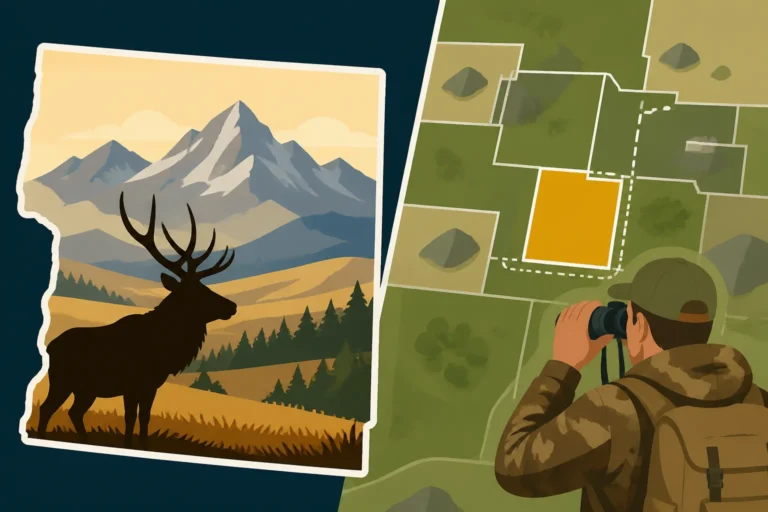
- onX Hunt: This application is almost universally used by serious Western hunters, and for good reason. onX Hunt provides incredibly detailed maps that overlay public and private land ownership, roads, trails, and most importantly, hunt area boundaries. You can clearly see the lines separating one hunt area from another, right on your phone or GPS device. This is crucial for avoiding accidental trespass or hunting in the wrong area. While onX Hunt primarily focuses on regulatory boundaries, it often includes layers or data points that correspond to biological management units or historical animal movements, helping you piece together the herd unit information. I personally use onX Hunt to ensure I'm always aware of The Rules on Hunting From a Vehicle versus walking, and where a specific hunt area ends.
- GoHunt: Another powerful online resource for Western hunting, GoHunt offers extensive data analysis, draw odds, and filtering tools. While its primary strength lies in helping you choose and draw tags by analyzing hunt areas, it also provides detailed information on herd populations, harvest success rates, and trends, which directly relates to the health and distribution of various herd units. GoHunt often consolidates data from the WGFD, presenting it in an easily digestible format that allows you to research specific hunt areas with an understanding of the underlying herd dynamics. When I'm trying to decide between applying for two adjacent hunt areas, I'll often look at GoHunt's data on the relevant herd units to see which one has stronger population trends.
Comparison of Hunt Areas and Herd Units
| Feature | Hunt Area (Regulatory) | Herd Unit (Biological) |
|---|---|---|
| Purpose | Define legal hunting boundaries, seasons, and rules. | Manage wildlife populations, habitat, and health. |
| Created by | Wyoming Game and Fish Department (WGFD) regulations. | WGFD biologists based on animal ecology. |
| Key Identifier | Numbered areas (e.g., Elk Area 7, Deer Area 15). | Named populations (e.g., Jackson Elk Herd, Red Desert Pronghorn). |
| Impact on Hunter | Determines where your license is valid, season dates, weapon restrictions. | Informs scouting strategy, understanding population health/trends, and animal movements. |
| Boundaries | Often defined by roads, rivers, county lines, mountain ranges. | Defined by animal movements, summer/winter ranges, migration corridors. |
| Variability | Can change annually or every few years based on harvest data. | Generally stable, but can shift over long periods due to habitat change or disease. |
| Primary Tool for | Applying for tags, checking regulations, in-field legality. | Long-term planning, researching population trends, understanding animal behavior. |
Common Confusions and Pitfalls to Avoid
Even with the best tools and understanding, it's easy to get tangled up in the details. Wyoming is a big state with complex ecosystems and management needs, leading to some nuanced situations when it comes to hunt areas and herd units.
When Boundaries Overlap or Diverge
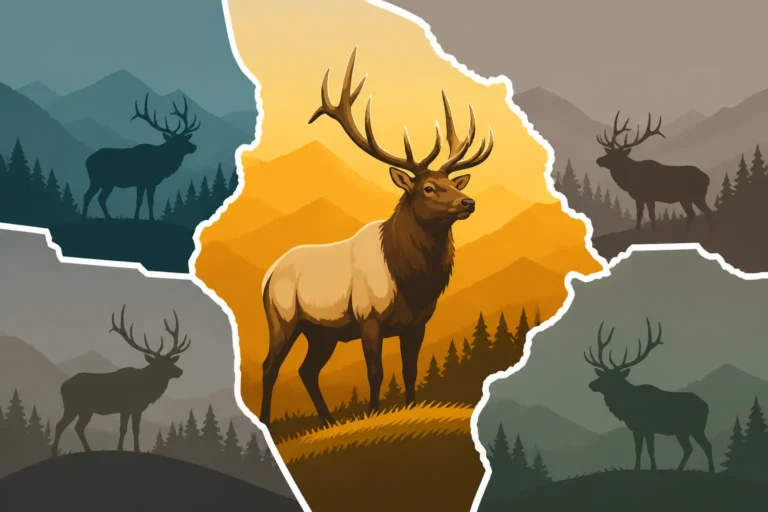
It's crucial to understand that hunt areas and herd units do not always align perfectly. In fact, they rarely do. A single, large herd unit might span several different hunt areas. For example, the massive Red Desert mule deer herd unit might encompass parts of Deer Area 97, Area 98, and Area 99. Conversely, a single hunt area might contain portions of two different, smaller herd units. This is where the confusion often arises.
Imagine you've drawn a tag for Deer Area 97. Biologically, the deer you're hunting are part of the Red Desert Mule Deer Herd. However, the season dates and specific antler point restrictions for Area 97 are only for that area, even if the mule deer frequently cross into Area 98, which might have different dates or rules. Your responsibility as a hunter is to strictly adhere to the regulations of the hunt area printed on your license. The herd unit information helps you understand the bigger picture of animal movements and population health, but it doesn't override the hunt area rules. Always consult the official WGFD hunt area maps and regulations for the exact boundaries and rules of your specific tag. This is particularly important when considering areas with Antler Point Restrictions Wyoming Kept for 2026.
The Importance of Double-Checking Everything Before Your Hunt
Given the dynamic nature of wildlife management and the potential for regulatory changes, it cannot be stressed enough: always double-check the most current regulations before your hunt. What was true last year might not be true this year. Season dates can shift, hunt area boundaries can be adjusted, and special restrictions might be added or removed based on the latest biological data from the herd units.
Before you ever leave home, download the latest regulation booklet. Cross-reference your planned hunting spots with your mapping app (like onX Hunt) to ensure you are clear on hunt area boundaries. If you're going with a group, make sure everyone understands the specific hunt area number and its rules. A quick call to the local WGFD office or checking the official WGFD website for any last-minute updates is always a good idea. This diligence is what separates a successful, legal hunt from a potentially frustrating or even unlawful one. Remember, ignorance of the law is not an excuse in the field, and fines or license suspensions can put a damper on your passion for a long time. Where the Current Wyoming Regulations Are Posted is your go-to resource for this crucial step.
Disclaimer
This article is for general informational purposes only and does not constitute professional advice. Laws, prices and regulations vary by location and change over time. Consult a qualified professional for guidance on your specific situation.