Hunting Access Across the Sierra Madre
Oh, the Sierra Madre! Just hearing those words conjures images of rugged peaks, deep timber, and those wide-open sagebrush parks where a trophy animal might be just over the next rise. But let's be real, while the thought of hunting this stunning corner of Wyoming is exciting, the reality of figuring out where you can actually step foot can be incredibly frustrating. Land ownership in these mountain ranges is a mosaic, and nobody wants to spend their precious hunting time staring at a "No Trespassing" sign or, worse, actually committing a trespass. This guide is going to walk you through the ins and outs of public hunting access in the Sierra Madre, giving you the tools and knowledge to confidently plan your next adventure.
Understanding the Sierra Madre's Unique Land Puzzle
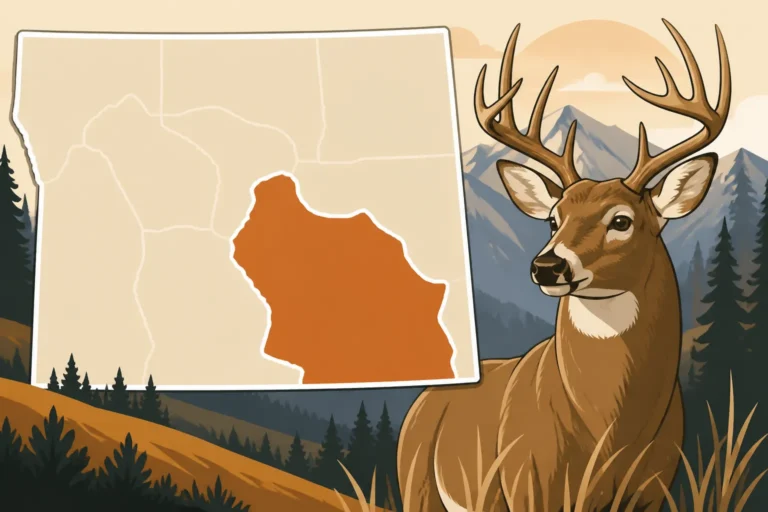
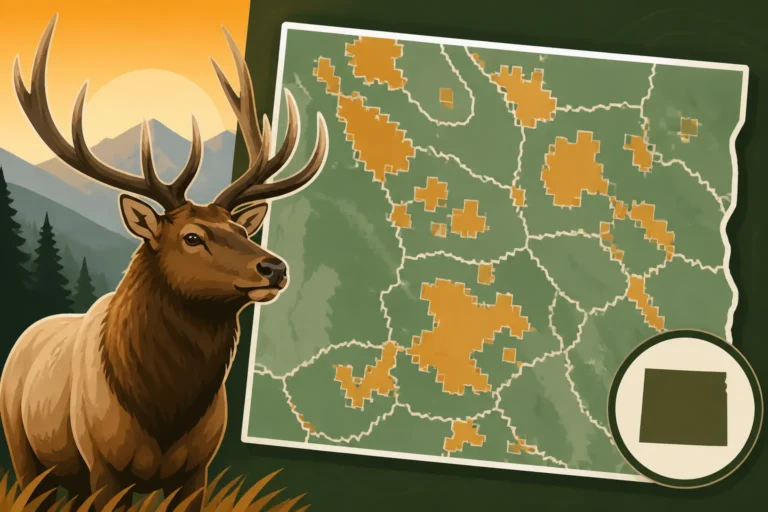
When you look at a map of the Sierra Madre in Wyoming, particularly the portion within the Medicine Bow National Forest and the surrounding areas, it's easy to get overwhelmed. Unlike some vast, unbroken stretches of public land you might find elsewhere, this region often presents a real "checkerboard" puzzle. You'll find a complex mix of federal lands – primarily National Forest and Bureau of Land Management (BLM) – interspersed with state trust lands and a good deal of private property. Navigating this without a solid plan can feel like trying to solve a Rubik's Cube blindfolded.
The Federal Footprint: National Forest and BLM
The core of the hunting access in the Sierra Madre revolves around the federal lands. The Medicine Bow National Forest dominates the higher elevations, offering incredible opportunities for elk, mule deer, and even some moose in its timbered slopes and high country basins. Medicine Bow Country in Southern Wyoming is a key resource for understanding this specific forest. These lands are generally open to public hunting, but access points can sometimes be tricky due to surrounding private holdings.
Below the Forest Service boundaries, or sometimes adjacent to them, you'll find vast stretches of Bureau of Land Management (BLM) land. This ground is often lower in elevation, characterized by sagebrush flats, juniper breaks, and aspen groves. It's prime habitat for mule deer and elk during migration periods, and often holds good numbers of antelope further out on the plains. BLM Holds 27,860 Square Miles of Wyoming is a great reference to grasp the sheer scale of BLM land across the state. The access rules on BLM are generally straightforward: if it's public, you can hunt it. The trick, again, is getting to it legally.
State Trust Lands and Private Property Interludes
Adding another layer to this complexity are Wyoming's State Trust Lands. These parcels are typically managed to generate revenue for the state's public institutions, but many are open to public hunting through specific access programs. However, don't assume every piece of state land is open; you always need to verify. Wyoming State Trust Land Hunting rules can vary, so always check the latest regulations.
Then there's the private property. Large ranches, timber company lands, and smaller private holdings are woven throughout the Sierra Madre. These parcels are, by default, closed to public hunting unless you have explicit permission from the landowner or you're part of a dedicated access program. This is where a lot of the frustration comes in, especially when a piece of public land you want to hunt is landlocked by private ground. It's crucial to respect these boundaries, even if it feels like they're blocking your path to that perfect hunting spot.
Strategies for Identifying Legal Access Points
Given the intricate land ownership patterns, simply "driving out there" isn't an effective strategy for hunting the Sierra Madre. You absolutely need to do your homework beforehand. This isn't just about finding game; it's about ensuring you're legal and ethical in your approach.
E-Scouting: Your Best Friend Before You Go
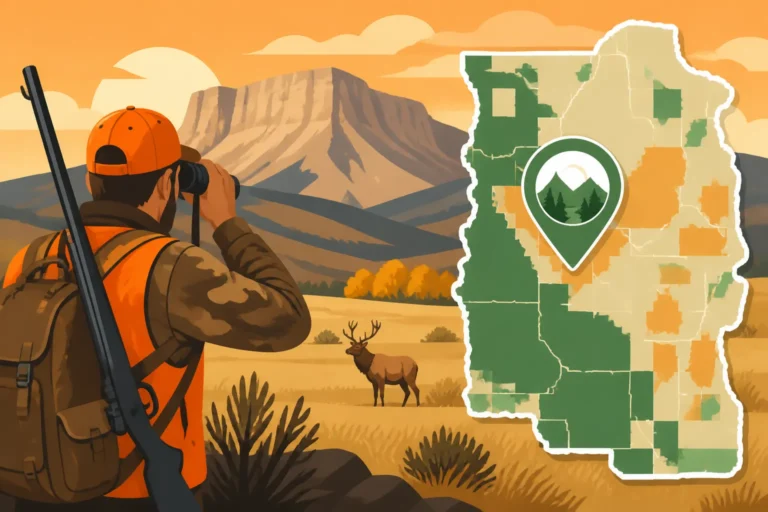
Before you even think about putting boots on the ground, your most powerful tool is e-scouting. This involves using mapping software to digitally explore your chosen hunt area. Brands like onX Hunt are invaluable here. You can literally see property boundaries, landowner names, federal and state land designations, and even topographic features from your couch. This allows you to identify potential public access routes, pinpoint landlocked public parcels, and understand the surrounding private property lines. E-Scouting a Unit Before the Season Opens outlines this process in detail.
When e-scouting the Sierra Madre, pay close attention to:
- Public Road Access: Look for county roads, Forest Service roads, or BLM roads that directly access public land. Some roads might traverse private land but have public easements – confirm these carefully.
- Walk-In Access (WIA) and Hunter Management Areas (HMAs): The Wyoming Game and Fish Department (WGFD) has fantastic programs like Access Yes, which lease private land or gain easements across it for public hunting. These are clearly marked on apps like onX Hunt and on the WGFD website. HMAs often require a free online permission slip, while WIAs usually do not. How Wyoming's Access Yes Program Works is a must-read for anyone considering these areas.
- Floating In: While less common in the steep Sierra Madre, if there are navigable rivers or streams, Navigable Water Access for Wyoming Hunters might be an option to reach public lands that are otherwise blocked. Always verify navigability and public access points.
Leveraging Mapping Tools and Local Knowledge
Modern hunting apps are game-changers for access. onX Hunt, for example, clearly shows all property boundaries, different land ownership colors, and even private landowner names, which can be crucial for requesting permission. You can download maps for offline use, which is essential as cell service in the Sierra Madre is often non-existent. GoHunt is another excellent resource, offering not just mapping capabilities but also drawing odds and detailed hunt unit information that can help you select an area with better public access.
Beyond the digital tools, don't underestimate local knowledge. A quick stop at a local WGFD office, a sporting goods store, or even a diner in a nearby town like Saratoga or Encampment can yield invaluable insights into local access issues, unmapped trails, or where landowners might be amenable to granting permission. Just remember to be respectful and offer something in return, even if it's just buying a coffee.
Here's a quick overview of land types and typical access in the Sierra Madre:
| Land Type | General Access | Key Considerations |
|---|---|---|
| National Forest (USFS) | Generally open via marked roads/trails | Check for seasonal road closures, wilderness restrictions |
| Bureau of Land Management (BLM) | Generally open via roads/two-tracks | Often intermingled with private, check boundaries carefully |
| Wyoming State Trust Land | Many parcels open to public hunting | Always verify current status with WGFD; some require permission |
| Private Land | Closed without explicit landowner permission | Do NOT trespass; research Access Yes/HMA programs |
Overcoming Landlocked Public Land Challenges
One of the most disheartening experiences for a public land hunter is seeing a beautiful piece of public ground on their map, only to realize it's completely surrounded by private property with no legal access. This is a common scenario in the checkerboard landscapes of Wyoming, including parts of the Sierra Madre. But don't despair – there are strategies and rules to be aware of.
The Corner Crossing Debate and Reality
You might have heard about "corner crossing," a hot topic in Western hunting that involves stepping from one piece of public land to another at a property corner where four parcels meet, without physically touching the private land. Whether Corner Crossing Is Legal in Wyoming is a detailed look at this complex issue. Recent legal developments have affirmed that corner crossing, done without touching private land, is indeed legal in Wyoming. However, this is not a blanket solution. It requires extreme care to ensure you do not trespass, and it doesn't create a right-of-way across private land, only at the corner. Always be mindful of fences, gates, and any landowner signage. While legally permissible, it can sometimes lead to uncomfortable encounters, so weigh your options carefully.
Seeking Permission and Alternative Routes
The most straightforward way to access landlocked public land is to simply ask for permission to cross the private property. This takes courage, a polite demeanor, and sometimes a bit of luck. Knock on doors, be prepared to introduce yourself, explain your intentions clearly, and always offer to respect their property. Some landowners are surprisingly generous, especially if you offer to help with a task or share some game meat (after you've successfully harvested, of course!).
If direct permission isn't an option, look for other creative access solutions. Could you hike in from a different public access point that requires a much longer walk? Sometimes, the extra effort means less hunting pressure and a more rewarding experience. Finding Landlocked Public Parcels in Wyoming goes into more detail on how to approach these situations. Remember, patience and persistence are key when it comes to finding those hidden gems.
Practical Tips for Hunting Access in the Sierra Madre
Once you've done your homework and identified your access points, preparing for your actual hunt in the Sierra Madre requires a few more practical considerations. This isn't just about legality; it's about being effective and safe in rugged country.
Road Conditions and Seasonal Closures
Many of the public access roads in the Sierra Madre, especially within the National Forest, are unpaved and can range from well-maintained gravel to deeply rutted two-tracks. Pay attention to road closures, particularly seasonal ones. Many Forest Service roads close in the fall for winter range protection or simply due to heavy snowfall. Always check with the local Forest Service office or the WGFD for current road conditions and closure orders before you head out. Getting stuck miles from pavement, especially if you're alone, is a serious situation. Road Closures Across Wyoming Public Land is a good resource to review before you travel.
Understanding Wilderness Rules and Permits
Portions of the Sierra Madre, particularly within the Medicine Bow National Forest, might border or even include designated wilderness areas. If your hunt takes you into or near a wilderness area, you need to be acutely aware of the specific rules. Motorized vehicles, bicycles, and even game carts are generally prohibited in wilderness areas. Nonresident hunters often face specific requirements, such as needing a licensed guide for hunting big game in wilderness. Wilderness Rules Every Wyoming Nonresident Should Know is critical reading. Always check the rules for the specific wilderness area you intend to enter to avoid a costly misunderstanding.
Gear Up for Remote Travel
The Sierra Madre can be unforgiving. Even if you access via a seemingly easy road, you're likely to be miles from aid. Carry a detailed paper map (as a backup to your digital tools), a compass, and know how to use them. A satellite communication device (like a Garmin InReach or Spot device) is highly recommended for emergency communication. Carry ample water, food, extra clothing layers, a first-aid kit, and bear spray, as grizzly bears do occur in parts of Wyoming's mountain ranges, though they are much rarer here than further north. Good physical conditioning is also paramount, as hunting the steep terrain can quickly exhaust you.
In the end, hunting the Sierra Madre is an incredibly rewarding experience, offering solitude and fantastic opportunities for big game. By thoroughly researching your access, respecting private property, and being prepared for the conditions, you can ensure your hunt is both legal and memorable.
Disclaimer
This article is for general informational purposes only and does not constitute professional advice. Laws, prices and regulations vary by location and change over time. Consult a qualified professional for guidance on your specific situation.