Filing a Complaint With the Wyoming Board
When you’ve invested your hard-earned money and precious vacation time into a Wyoming hunting adventure, the last thing you expect is for things to go sideways with your outfitter or guide. Sometimes, despite all your planning, a situation arises that leaves you feeling frustrated, misled, or even endangered. This guide is here to walk you through the process of How to File an Outfitter Complaint in Wyoming with the Wyoming Board of Outfitters and Professional Guides, explaining what constitutes a valid complaint and what steps you can take to address your concerns.
Understanding the Wyoming Board of Outfitters and Professional Guides
It’s easy to think of a hunting trip as a simple transaction between you and a service provider, but in Wyoming, the business of guiding hunters is highly regulated. This isn't just about protecting the state's natural resources; it's also about ensuring a level of professionalism and safety for everyone involved. The Wyoming Board of Outfitters and Professional Guides serves as the primary regulatory body, overseeing the conduct and qualifications of those who take clients into the field.
What the Board Does
The core mission of the Wyoming Board of Outfitters and Professional Guides is to regulate the outfitting and guiding industry within the state. They're not just a rubber stamp for licenses; they actively ensure that outfitters and guides meet certain professional standards, adhere to state laws, and provide services in a safe and ethical manner. Think of them as the quality control and enforcement agency for professional hunting services. They set the rules, they issue the licenses, and crucially, they investigate alleged violations of those rules. Their ultimate goal is to protect both the public—that's you, the hunter—and the reputation of the legitimate outfitting businesses that operate responsibly. If you have concerns about an outfitter or guide, understanding the Board's role is your first step toward seeking resolution.
This regulatory oversight means that when an outfitter or guide falls short of these standards, there's a formal avenue for accountability. It's not just a matter of leaving a bad review online, though that certainly has its place. The Board has the authority to impose serious consequences, from fines to license suspension or even permanent revocation, if an outfitter or guide is found to be in violation of the regulations. This power is what gives your complaint weight and ensures that the system has teeth. Without such a body, the industry would be far more susceptible to unscrupulous operators, and hunters would have little recourse when things go wrong.
Who Falls Under Their Jurisdiction
The Board's reach extends to anyone operating as a professional outfitter or guide in Wyoming. This includes licensed outfitters, who are typically the business owners responsible for the overall operation, securing permits, and employing guides. It also covers professional guides, who are individuals employed by an outfitter to directly lead hunts and provide services to clients in the field. Even resident guides, who are Wyoming residents who guide a friend or family member without pay, fall under certain regulations, though the scope of their involvement with the Board's complaint process is usually different than that of commercial operations.
Essentially, if someone is offering services to take you hunting for compensation in Wyoming, they should be operating under the purview of this Board. This distinction is important because if you have an issue, you need to be sure the person or entity you're complaining about is actually licensed and regulated by the state. This means checking that the outfitter holds a valid license number, which you can usually verify through the Board's public records. If you're dealing with an individual who claims to be a guide but isn't affiliated with a licensed outfitter, or doesn't hold the appropriate credentials, your recourse might be different, potentially falling into general consumer protection laws rather than specific outfitting regulations. For comprehensive details on who is covered, you might want to look into Every Wyoming Guide Works Under a Licensed Outfitter.
Licensing and Bonding Requirements
Wyoming's licensing and bonding requirements are in place precisely to offer a layer of protection to the hunting public. Outfitters must hold a valid outfitter license, which involves meeting specific experience requirements, passing examinations, and maintaining a certain level of insurance. Professional guides must also be licensed and generally work under the umbrella of a licensed outfitter. These licenses aren't just pieces of paper; they represent that the individual or business has met the state's criteria for competence and ethical operation.
Furthermore, many outfitters are required to maintain a bond. This bond acts as a financial guarantee that the outfitter will fulfill their contractual obligations. If an outfitter defaults on their agreement or engages in certain prohibited activities, this bond can sometimes be used to recover funds for aggrieved clients. This is a critical safeguard, especially when you consider the significant financial investment often made in a guided hunt. Before booking any hunt, it's always wise to confirm that the outfitter is properly licensed and bonded. This simple step can save you a world of heartache down the line. Understanding Outfitter Insurance and Bonding Requirements is crucial for any hunter considering a guided trip.
When to Consider Filing a Complaint
Deciding whether to file a formal complaint can feel daunting. It's not a step to be taken lightly, but it's a powerful tool for accountability when a genuine problem arises. Understanding what types of issues are legitimately actionable by the Board versus those that are just part of the hunting experience is key.
Common Issues That Warrant a Complaint
The Wyoming Board of Outfitters and Professional Guides primarily deals with violations of state law, Board rules, and contractual breaches that directly impact the safety, legal compliance, or promised services of a hunt. Here are some examples of situations that would typically warrant a formal complaint:
- Breach of Contract: This is a big one. If your outfitter fundamentally failed to provide the services explicitly outlined in your written contract—for example, promising a certain camp setup, specific game species pursuit, or guide-to-hunter ratio, and then not delivering—this could be grounds for a complaint. This isn't about failing to kill an animal, but failing to provide the agreed-upon means to hunt.
- Misrepresentation or Fraud: If an outfitter or guide intentionally misrepresented their services, the hunting area, game populations, or their qualifications to deceive you into booking, that's a serious offense. This could involve false advertising, lying about access to private land, or fabricating success rates.
- Safety Violations: Any actions or inactions by an outfitter or guide that directly jeopardized your safety or the safety of others on the hunt would be a very serious complaint. This could range from improper firearm handling, unsafe transportation, or gross negligence in camp.
- Illegal Activities: If you witness or are asked to participate in illegal hunting practices, such as hunting out of season, taking over-limits, hunting restricted areas, or using illegal methods, you absolutely should file a complaint. This not only violates regulations but can put your own hunting license at risk.
- Gross Negligence or Professional Misconduct: This covers a broad range of behaviors that demonstrate a severe lack of care or professionalism, such as abandoning clients, being under the influence of drugs or alcohol during a hunt, or unethical treatment of game.
These are the kinds of issues that strike at the heart of the regulatory framework and the trust hunters place in their professional service providers. If you’re unsure, it’s always better to inquire with the Board about whether your specific situation fits their complaint criteria.
What Isn't a Valid Complaint
Just as important as knowing what does constitute a valid complaint is understanding what typically doesn't fall under the Board's jurisdiction. Many frustrations on a hunting trip, while disappointing, are simply part of the outdoor experience and not actionable regulatory violations. The Board isn't there to mediate every grievance.
Here are scenarios that usually do not warrant a formal complaint to the Board:
- Failure to Harvest Game: This is perhaps the most common misconception. No outfitter can guarantee you'll kill an animal. Hunting is inherently uncertain, and success depends on countless factors—weather, animal movement, your own shooting skills, and plain luck. Unless an outfitter specifically promised a "guaranteed kill" (which is highly unethical and likely illegal itself), the Board will not intervene because you didn't tag an animal.
- Unfavorable Weather Conditions: You can't complain about the weather. Rain, snow, extreme heat, or high winds are forces of nature, and no outfitter can control them. These conditions often make hunting difficult, but they are not a breach of contract or professional misconduct.
- Personality Conflicts: While it's always better to get along with your guide, a personality clash or simply not enjoying their company isn't something the Board will investigate. They are concerned with professional conduct, not personal compatibility.
- Minor Disagreements or Discomforts: A bumpy road, a slightly cold tent, or food you didn't particularly enjoy are usually minor issues that don't rise to the level of a regulatory violation. These are often part of the rustic nature of hunting camps.
- Lack of Animal Activity: Similar to not harvesting game, if the animals just weren't moving or present in the numbers you hoped for, that's a hunting challenge, not an outfitter violation. Unless the outfitter deliberately put you in a known non-game area while promising game, this isn't a complaint the Board will entertain.
It's vital to differentiate between an unfortunate hunting trip and a genuine violation of professional standards or laws. The Board's resources are dedicated to upholding the integrity of the industry, not settling every personal dissatisfaction. For guidance on Red Flags When Booking a Wyoming Outfitter, doing your homework upfront can prevent many of these frustrations.
The Importance of Documentation
If you believe you have a legitimate complaint, thorough documentation is your absolute best friend. Without solid evidence, your complaint becomes a "he said, she said" situation, which is incredibly difficult for the Board to investigate and rule upon. Start gathering everything pertinent as soon as you recognize a potential issue.
What kind of documentation are we talking about?
- Written Contract: This is paramount. Every guided hunt should have a clear, written contract outlining services, dates, prices, expectations, and cancellation policies. This document is the foundation of your agreement. Keep a copy, and refer to it often.
- Emails and Texts: Any communication with the outfitter or guide, whether before, during, or after the hunt, can be crucial. Screenshots of text messages or printed emails can provide evidence of promises made, instructions given, or issues raised.
- Photos and Videos: Visual evidence can be incredibly powerful. Did they put you in a different camp than promised? Is there unsafe equipment? Photos of these conditions, time-stamped if possible, can be invaluable. If illegal activity occurred, discreet video evidence (where legal and safe to obtain) would be compelling.
- Witness Statements: If other hunters, guides, or even non-hunting companions were present and observed the issues, their written statements can corroborate your claims. Get their contact information and ask them to write down what they saw or heard, signing and dating it.
- Financial Records: Copies of your payment receipts, cancelled checks, or credit card statements prove the financial transaction and the amounts paid. This is important if your complaint involves a dispute over money or services not rendered.
- Your Own Notes/Journal: Keep a detailed, chronological journal of events. Jot down dates, times, specific incidents, who was involved, and what was said. Do this as close to the event as possible, so the details are fresh. Even if it's not direct evidence, it helps you organize your thoughts and provide a clear narrative.
The more comprehensive and organized your documentation, the stronger your case will be, and the easier it will be for the Board to investigate and come to a conclusion.
The Step-by-Step Complaint Process
Filing a formal complaint is a structured process designed to ensure fairness and thoroughness. It typically begins with an attempt at direct resolution and escalates to a formal investigation by the Board.
Initial Contact and Informal Resolution
Before you jump to filing a formal complaint, it's almost always a good idea to try and resolve the issue directly with the outfitter or guide. Many misunderstandings can be cleared up with a calm, rational conversation. Sometimes, an outfitter might not even be aware of a problem or might have a reasonable explanation for what happened.
Start by contacting the outfitter in writing, via email or certified mail, outlining your concerns clearly and factually. Refer to your contract if applicable. State what you believe went wrong and what resolution you are seeking. Be specific, avoid emotional language, and give them a reasonable timeframe (e.g., 7-14 days) to respond. Keep copies of all correspondence. If they respond, try to work out a mutually agreeable solution. This step not only potentially resolves the issue faster but also demonstrates to the Board that you made a good-faith effort to work things out before escalating. If the outfitter is unresponsive, dismissive, or unwilling to find a resolution, then moving to a formal complaint is the next logical step.
Submitting a Formal Complaint
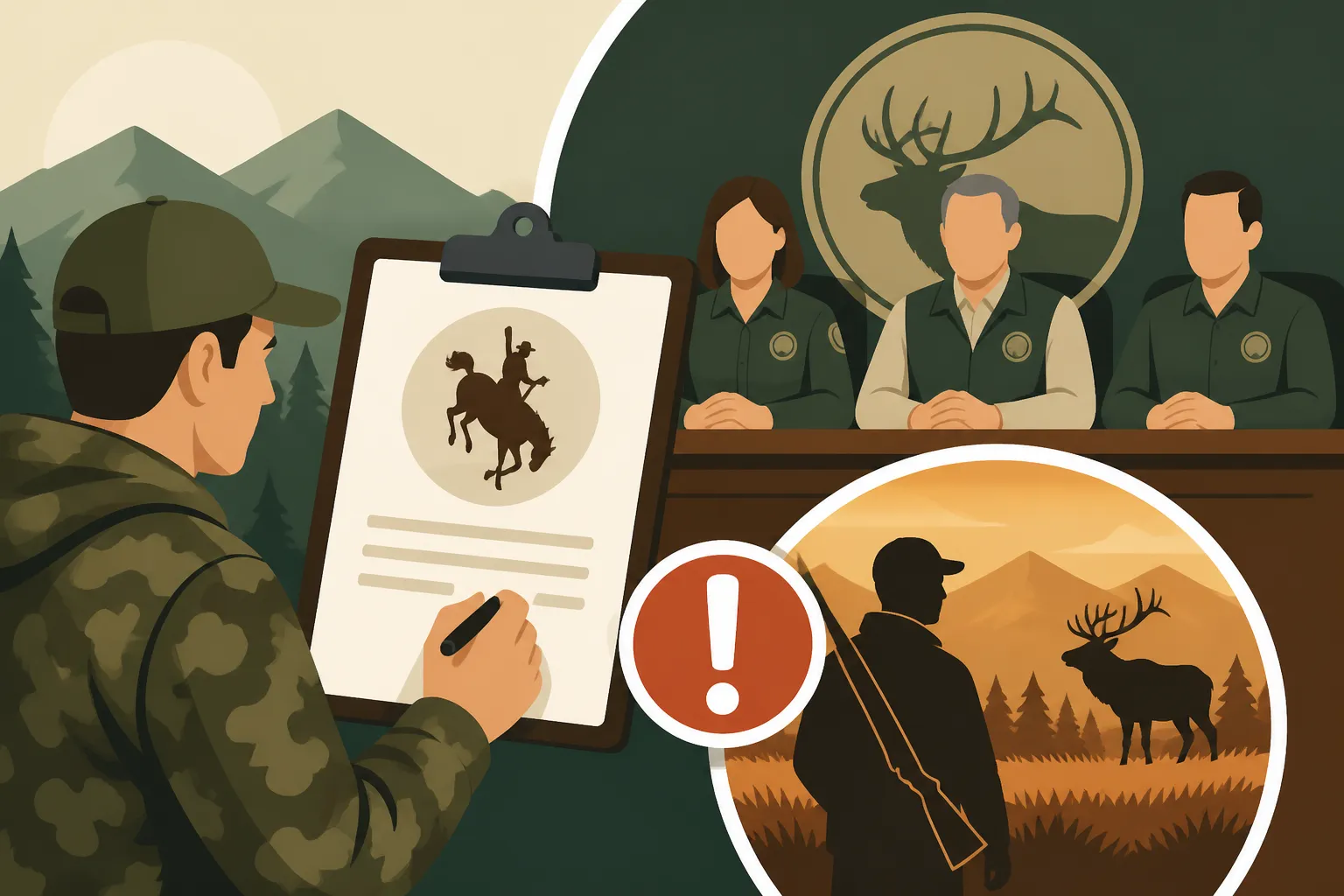
If informal resolution fails, it’s time to prepare your formal complaint for the Wyoming Board of Outfitters and Professional Guides. This is not just a phone call; it requires a specific process. The Board usually provides a complaint form on their official website. You'll need to download this form and fill it out completely and accurately.
The form will typically ask for:
- Your full contact information as the complainant.
- The full name and contact information of the outfitter or guide you're complaining about. Make sure you have the correct legal name of the outfitter and, if possible, their license number.
- A detailed narrative describing the incident(s) or issues. Be factual, chronological, and concise. Explain what happened, when it happened, where it happened, and who was involved.
- The specific dates of the hunt.
- How you believe the outfitter or guide violated state statutes or Board rules. You don't need to be a lawyer, but try to tie your concerns back to professional conduct.
- The desired outcome or resolution you are seeking. While the Board can't usually recover money for you, they need to understand what you hope to achieve.
- A list of all supporting documentation you are attaching (copies only, never originals).
Once the form is completed, you'll typically need to sign it, often under oath or affirmation, and submit it along with all your supporting evidence. Always send it via certified mail with a return receipt requested, or use an online submission portal if one is provided, making sure you receive a confirmation. This creates a clear record of when and how your complaint was submitted. It's a thorough process, but crucial for due diligence.
Investigation and Review
After your formal complaint is submitted, the Board’s work begins. This isn't an overnight process; investigations can take time, sometimes weeks or even months, depending on the complexity of the case and the availability of all parties.
Here’s a general overview of what happens during the investigation and review phase:
- Initial Assessment: The Board's staff will first review your complaint to ensure it falls within their jurisdiction and contains sufficient information to proceed. If something is missing, they might contact you for clarification or additional details.
- Notification to Outfitter/Guide: Once the complaint is deemed valid, the outfitter or guide against whom the complaint is filed will be notified. They will receive a copy of your complaint and be given an opportunity to respond, providing their side of the story and any supporting evidence they wish to submit.
- Information Gathering: The Board's investigators will then gather all relevant information. This might involve reviewing contracts, examining advertising materials, conducting interviews with you, the outfitter/guide, and any witnesses. They might also consult with game wardens or other relevant agencies if the complaint involves legal violations.
- Review by the Board: Once the investigation is complete, a report will typically be prepared and presented to the full Board during one of their scheduled meetings. Both you and the outfitter/guide may have the opportunity to present your case to the Board directly, either in person or via teleconference, though this varies depending on the specific procedures and seriousness of the complaint. The Board will then review all the evidence and deliberate on the findings.
The process is designed to be fair and impartial, giving both sides an opportunity to be heard. Be prepared for it to take time, and respond promptly to any requests for information from the Board.
Potential Outcomes and Hunter Expectations
It’s important to have realistic expectations about what a complaint to the Wyoming Board of Outfitters and Professional Guides can achieve. While the Board has significant authority, their power has limits, particularly when it comes to financial restitution.
Disciplinary Actions the Board Can Take
If the Board finds that an outfitter or guide has indeed violated regulations, they have a range of disciplinary actions at their disposal. These are designed to punish misconduct, deter future violations, and maintain the integrity of the profession.
Potential disciplinary actions include:
- Fines: The Board can levy monetary fines against the outfitter or guide. These fines can vary significantly depending on the severity and nature of the violation.
- Probation: The outfitter or guide might be placed on probation, requiring them to operate under specific conditions for a set period. Failure to adhere to these conditions could lead to more severe penalties.
- Suspension of License: For more serious violations, the Board can suspend an outfitter's or guide's license for a certain period, preventing them from operating during that time.
- Revocation of License: This is the most severe penalty. If a violation is egregious, habitual, or demonstrates a profound disregard for ethical conduct or safety, the Board can permanently revoke a license. This effectively ends their ability to operate as a licensed outfitter or guide in Wyoming.
- Public Reprimand: A formal, public statement condemning the outfitter's or guide's actions.
- Cease and Desist Orders: In cases where an unlicensed individual is operating, the Board can issue an order to stop their activities.
These actions focus on regulating the professional conduct of the outfitter or guide and protecting the public from future misconduct. They are not primarily focused on making the individual complainant financially whole.
What a Complaint Cannot Do
Understanding the limitations of the Board is just as important as knowing their powers. While they can impose significant professional consequences, they are generally not equipped to handle civil disputes, especially those involving monetary damages.
Here's what the Board typically cannot do:
- Guarantee Financial Reimbursement: The Board is primarily a regulatory body, not a court of law. While their findings might be useful if you pursue a civil lawsuit, they usually cannot force an outfitter to refund your money, provide a free replacement hunt, or compensate you for lost wages or travel expenses. If your primary goal is to recover money, you might need to pursue civil litigation in small claims court or higher court, depending on the amount.
- Force a New Hunt: They cannot order an outfitter to provide you with another hunt, even if they find that a breach of contract occurred.
- Provide Personal Apologies: While disciplinary action can be taken, the Board cannot compel an outfitter or guide to personally apologize to you.
- Resolve Interpersonal Conflicts: As mentioned earlier, personality clashes or minor grievances that don't violate specific regulations are usually outside their scope.
Essentially, the Board's role is to enforce the professional standards of the industry, not to act as your personal lawyer or collection agency. While a successful complaint can provide a sense of justice and prevent similar issues for future hunters, it's critical to manage your expectations regarding direct financial outcomes. For financial recourse, you would typically need to explore legal options outside of the Board's jurisdiction.
Checking an Outfitter's Complaint History
One of the most valuable services the Board provides, even before you ever have to consider filing a complaint yourself, is transparency. Savvy hunters understand the importance of vetting an outfitter thoroughly before committing to a hunt. Part of this due diligence should always include checking an outfitter's professional history.
The Wyoming Board of Outfitters and Professional Guides typically makes public records of disciplinary actions against licensed outfitters and guides available. This means you can often search their database or contact them directly to inquire about an outfitter's complaint history. Knowing that an outfitter has had past complaints, even if resolved, can give you valuable insight into their operations and help you make an informed decision. Perhaps there was a minor issue that was quickly remedied, or perhaps a pattern of serious violations exists. This information can be a critical data point when you're comparing potential outfitters.
Platforms like BookYourHunt or GoHunt, which aim to connect hunters with reputable outfitters, often include vetting processes and hunter reviews that can give you additional insight. However, always cross-reference this with the official Board records to get the most accurate and official picture. Taking the time to research Looking Up a License in the Wyoming Outfitter Board can save you significant trouble and disappointment down the road.
Preventative Measures and Smart Booking
While it's good to know how to file a complaint, an even better scenario is never needing to file one in the first place. Proactive research and careful booking practices can significantly reduce your risk of a negative experience.
Vetting an Outfitter Thoroughly
Choosing the right outfitter is one of the most critical decisions you'll make for your Wyoming hunting trip. It requires far more than just looking at attractive photos on a website or seeing a single positive testimonial. Think of it as a deep dive into their professional background and operational style.
Start by checking their licensing. Always verify that an outfitter is currently licensed by the Wyoming Board of Outfitters and Professional Guides. This is a non-negotiable first step. Then, delve into their references. Ask for a list of recent clients—not just the ones they’ve hand-picked for stellar reviews, but a mix from the last year or two. Don't just email; call these references and ask specific questions: What was the guide-to-hunter ratio? Was the camp as described? Were game populations as expected? Did they deliver on all contractual promises? Were there any hidden fees? How was their communication leading up to and during the hunt?
Also, check for any public reviews or mentions beyond the outfitter's own site. While individual reviews should be taken with a grain of salt, patterns can emerge. Look at various platforms, including hunting forums, social media, and third-party booking sites like BookYourHunt. Finally, consider asking to speak with one of their guides. A reputable outfitter will be transparent and willing to provide this information. For more detailed questions, consider reviewing Questions to Ask a Wyoming Outfitter.
Understanding Contracts and Deposits
The contract is the cornerstone of your agreement with an outfitter. Many hunters make the mistake of simply glancing at it before signing, often swayed by the excitement of the hunt. This is a dangerous oversight. Every word in that contract matters, especially when it comes to your financial investment.
Before you put down any money, read the contract in its entirety. Pay close attention to:
- What's Included and Excluded: Are meals, lodging, field dressing, game transport, and trophy prep all covered? What about licenses, tags, or airport transfers? Make sure there are no ambiguities.
- Payment Schedule and Deposit Terms: Understand when payments are due and what portion is non-refundable. Most outfitters require a significant deposit well in advance.
- Cancellation and Refund Policy: This is crucial. What happens if you have to cancel? What if the outfitter cancels? What if you fail to draw a tag? Clear terms here can prevent huge headaches. Some outfits will issue refunds or roll over deposits if you don't draw, while others won't. Deposits and Cancellation Terms can vary widely, so clarity is key.
- Liability and Waivers: Understand what you're agreeing to regarding personal injury or property damage.
- Species and Season Specifics: Ensure the contract clearly states the species you're hunting, the hunt dates, and the specific hunt area if applicable.
If anything in the contract is unclear, ask for clarification in writing before you sign. Do not assume anything. Once you sign, you are legally bound by those terms. Many outfitters operate on strict schedules and booking processes, especially for popular species like elk; understanding Book Your Wyoming Hunt Before the Draw Runs means early commitment, but that commitment should always be backed by a solid contract.
Utilizing Reputable Platforms
In today’s digital age, there are more resources than ever to help hunters connect with outfitters. While direct booking is always an option, utilizing reputable booking platforms can add an extra layer of confidence and convenience to your planning. Websites like BookYourHunt.com or GoHunt.com specialize in connecting hunters with vetted outfitters, often providing detailed trip descriptions, transparent pricing (though always confirm current costs with the outfitter directly), and sometimes even customer reviews.
These platforms often perform their own due diligence, verifying outfitter licenses and insurance, and providing a structured environment for communication and booking. They streamline the process of finding an outfitter that matches your budget, desired species, and hunting style. While you should still do your own research and verify details, these platforms can serve as an excellent starting point, offering a curated selection of outfitters who are generally committed to professional standards. They can help you navigate the vast landscape of options, making it easier to find a reliable partner for your Wyoming adventure.
Disclaimer
This article is for general informational purposes only and does not constitute professional advice. Laws, prices and regulations vary by location and change over time. Consult a qualified professional for guidance on your specific situation.