Pack String Outfitters Working in Wyoming
The dream of hunting Wyoming's truly wild, unpressured backcountry often clashes with the harsh reality of its remoteness. Hauling gear and meat deep into roadless areas presents immense challenges for most hunters. This guide will explore how pack string outfitters can be your trusted partners in conquering those vast distances, unlocking incredible hunting opportunities that are otherwise out of reach.
The Call of the Wild: Why Deep Backcountry Access is a Challenge
Wyoming's vast public lands offer some of the most spectacular hunting in the Lower 48, but the sheer scale and ruggedness of its wilderness areas can quickly turn a dream hunt into a logistical nightmare. Many of the most desirable elk, deer, and sheep units are far from any maintained road, existing within designated wilderness or vast roadless tracts of national forest and BLM land. For the average hunter, getting themselves, their gear, and ultimately their harvest in and out of these remote regions presents a monumental hurdle.
Where Roads End and the Real Wilderness Begins
Imagine looking at a map, seeing a pristine basin full of elk, miles from the nearest two-track. You dream of setting up a spike camp there, far from the crowds. But then the reality sets in: that "pristine basin" is probably behind a wilderness boundary where motorized vehicles are strictly prohibited. Motorized Vehicles Inside Wyoming Wilderness Areas Even in areas without official wilderness designation, the terrain itself—steep canyons, dense timber, roaring rivers—can make vehicle access impossible. You simply can't drive to where the best hunting often is. This means every single item you need for your hunt, from your sleeping bag to your rifle, has to be carried in on your back, or on the back of an animal.
The Physical Gauntlet of Hauling Everything Yourself
A self-sufficient backcountry hunt means carrying a significant amount of weight. You're not just bringing a daypack; you're carrying a tent, sleeping system, cooking gear, food for several days, water purification, emergency supplies, and all your hunting equipment. This can easily add up to 50-70 pounds, or even more, before you even consider packing out an animal. Climbing thousands of vertical feet with that kind of load, especially at Wyoming's higher altitudes, is physically grueling. It drains your energy for the actual hunting, increases the risk of injury, and can quickly make a multi-day trip unbearable. And if you're lucky enough to harvest an elk? The thought of quartering a 500-pound animal and making multiple trips, each with 80-100 pounds of meat, capes, and antlers, back to a trailhead miles away, is enough to deter many otherwise capable hunters.
Horses and Mules: The Backcountry's Original Heavy Lifters
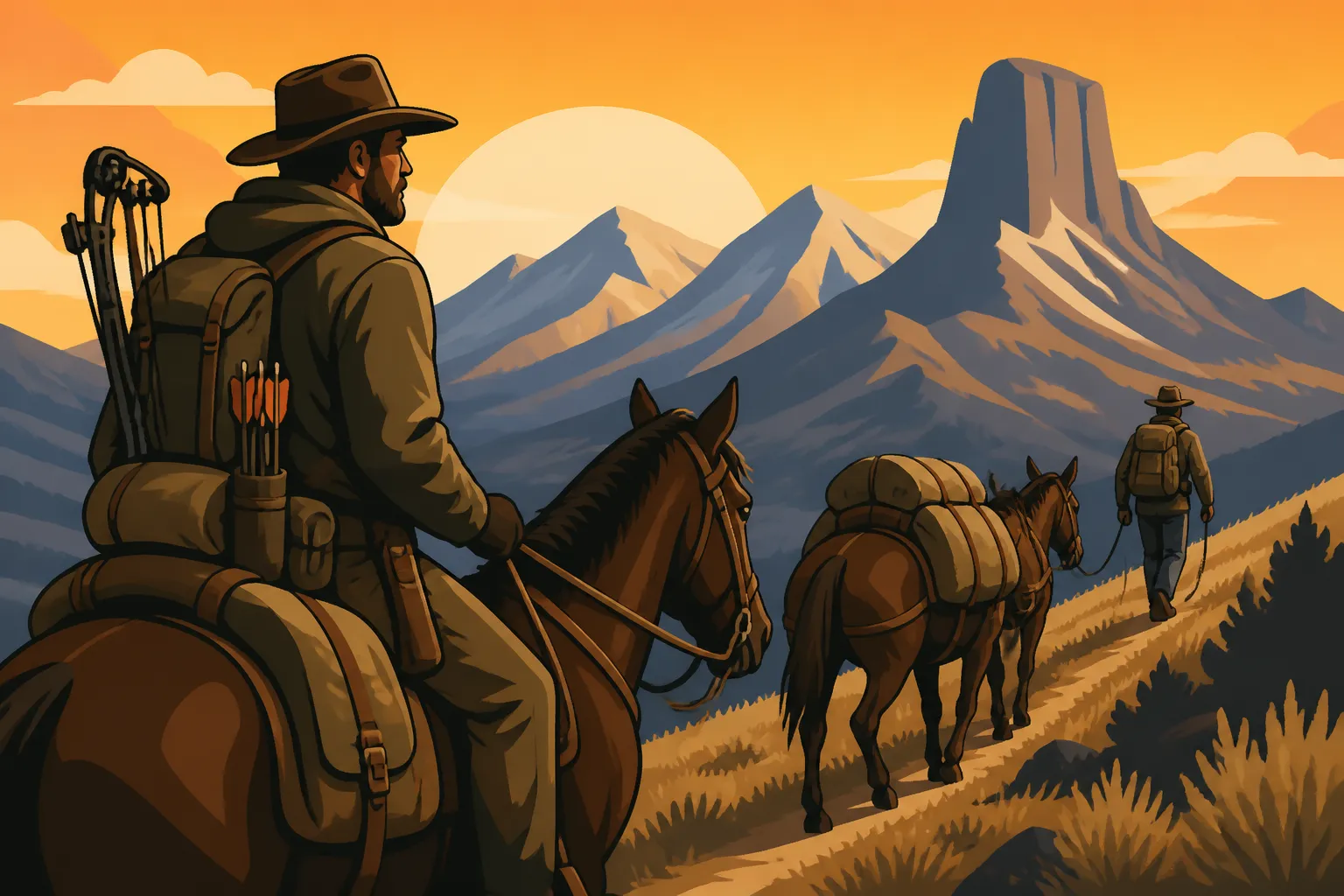
This is precisely where the tradition of the pack string outfitter shines. For centuries, horses and mules have been the indispensable workhorses of the American West, especially in its wildest corners. These animals possess an incredible ability to navigate rough trails, climb steep grades, and carry prodigious loads with a sure-footed grace that modern machinery simply can't replicate. A pack string allows you to transport all your necessary gear—and the weight of a downed animal—into and out of places that would be physically impossible, or at least highly impractical, for a human to manage alone. They aren't just transportation; they are your key to unlocking those truly remote, unpressured hunting grounds that hold the biggest, oldest animals.
Decoding Pack String Outfitter Services in Wyoming
When you start looking into pack string outfitters, you'll find a spectrum of services, each designed to meet different levels of hunter independence and budget. It's not a one-size-fits-all solution, and understanding the nuances will help you choose the right fit for your Wyoming adventure.
More Than Just a Ride: The Core of a Pack String Operation
At its heart, a pack string outfitter provides the means to get you, your hunting party, and all your equipment deep into the backcountry using horses and mules. This isn't just about riding a horse; it's about the entire logistical support system that comes with it. Outfitters employ experienced wranglers who are adept at handling livestock, navigating wilderness trails, and often possess an intimate knowledge of the local terrain and wildlife. They manage the animals, ensuring they are healthy and capable of the work, and they expertly pack loads so everything arrives safely at your destination. This foundational service is what differentiates a true pack string outfitter from someone just renting horses. Wilderness Pack Trips Built for Hunters
Your Choices: Drop Camps Versus Fully Guided Hunts
The primary distinction in pack string services revolves around how much support you want once you're in the backcountry.
The Independent Spirit: Drop Camp Hunts
For many seasoned hunters who enjoy the challenge of figuring things out for themselves but lack the means or desire to pack in their own gear and pack out an animal, a drop camp is an ideal solution. With a drop camp, the outfitter uses their pack string to transport you and your equipment to a pre-selected, remote campsite. This camp might be one the outfitter has already set up with a tent, cots, and a cooking stove, or it might just be the location where they drop your gear for you to set up your own spike camp. Wyoming Drop Camp Hunts Explained Once you're delivered, the outfitter and their wranglers depart, leaving you and your party to hunt entirely on your own for the agreed-upon duration. They return on a specified date for pickup, or if you call them out early due to a successful harvest.
Drop camps offer an incredible sense of independence and self-reliance. You make all the hunting decisions, plan your day, and manage your own camp. However, this also means you're responsible for all aspects of your hunt, from navigation and game recovery to cooking and managing any unforeseen circumstances. It's a fantastic way to experience true wilderness hunting without the back-breaking effort of packing in your base camp. What a Wyoming Drop Camp Actually Includes
The Full-Service Experience: Guided Hunts with Pack Support
On the other end of the spectrum are fully guided hunts that utilize pack strings. In this scenario, not only does the outfitter get you into the backcountry with horses, but a professional guide (or guides, depending on your party size) stays with you for the entire duration of the hunt. These guides lead the hunting efforts, often providing horses for you to ride daily, setting up and breaking down camp, cooking meals, and handling all aspects of game recovery and packing.
This option is perfect for hunters who are less experienced in the specific terrain, new to a particular species, or simply want to maximize their hunting time by offloading all the logistical burdens. The guide's knowledge of the area, animal behavior, and local regulations can be invaluable. It's a more inclusive, hands-on experience where the outfitter manages almost everything, allowing you to focus entirely on the hunt itself. What a Fully Guided Wyoming Elk Hunt Includes
Beyond the Full Hunt: Specialized Packing Services
Sometimes, a hunter already has a DIY plan but encounters a logistical bottleneck. Some pack string outfitters offer specialized services:
- Meat Packing Only: You've successfully harvested an animal miles from the trailhead, and now you're facing a multi-day pack out on your own. Many outfitters will offer a "meat packing" service, where they'll bring a string of mules to your downed animal, pack out the quarters, head, and hide, and deliver it to your vehicle or a nearby processor. This service is a lifesaver for many DIY hunters and can be pre-arranged or called in as needed, though calling in on short notice might depend on the outfitter's availability.
- Gear Hauling: Perhaps you want to backpack in for the hunt, but only want a portion of your heavier gear hauled to a specific point. Some outfitters can accommodate this, dropping off food caches, camp gear, or even extra water.
Planning and Booking Your Wyoming Pack String Adventure
Embarking on a pack string hunt in Wyoming is an exciting prospect, but it requires careful planning and due diligence to ensure a safe, successful, and enjoyable experience. You're entrusting a significant portion of your hunt's success to your outfitter, so making an informed decision is paramount.
Finding and Vetting a Reputable Outfitter
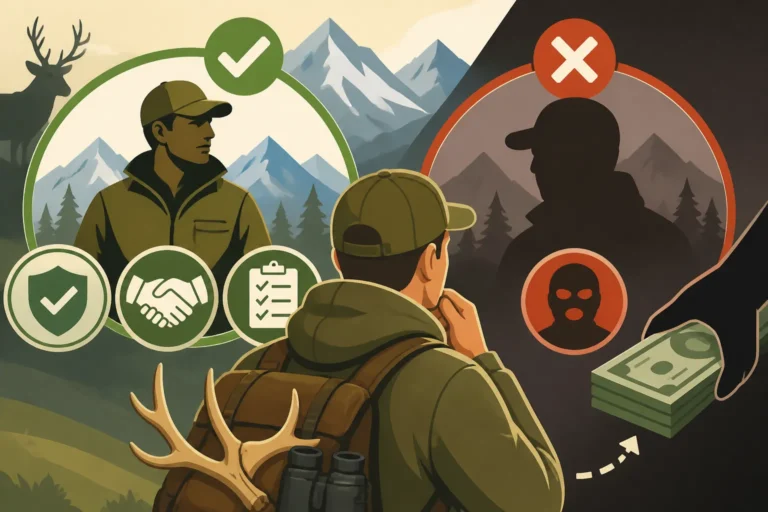
This is arguably the most critical step. Not all outfitters are created equal, and while the vast majority are professional and ethical, it's essential to do your homework. Start by looking for outfitters who are licensed and bonded in Wyoming. You can often verify this through the Wyoming Board of Outfitters and Professional Guides. Ask for references from past clients—and actually call them. Inquire about the outfitter's experience in your chosen hunt area, the condition and temperament of their horses and mules, the experience level of their wranglers, and their safety protocols, especially for Wilderness First Aid on a Guided Hunt.
It's also a good idea to discuss their contingency plans for bad weather, injured hunters, or lost animals. Websites like BookYourHunt can be a great starting point, allowing you to browse different outfitters and their offerings, read reviews, and get a sense of what's available. You might also find valuable insights or recommendations on forums and resources like GoHunt, where experienced hunters share their experiences. Remember, the cheapest option isn't always the best when it comes to a backcountry hunt; reliability and safety are priceless. Vetting a Wyoming Outfitter Before You Send a Deposit
Understanding the Investment: Costs and Inclusions
The cost of a pack string hunt can vary widely depending on the duration, the level of service (drop camp vs. fully guided), the species, and the outfitter's reputation. A drop camp is generally less expensive than a fully guided hunt because you're paying primarily for transportation and the use of a pre-set camp, rather than for a guide's daily expertise.
It's crucial to get a detailed breakdown of what's included in the price. Standard inclusions usually cover transportation for you and your gear, use of horses for riding (on guided hunts), basic camp amenities (for drop camps), and game packing services. However, you'll almost always need to budget separately for:
| Item | Drop Camp (Typical) | Fully Guided (Typical) |
|---|---|---|
| Outfitter Fee | Lower cost (transport & camp setup) | Higher cost (includes guide services) |
| Licenses & Tags | Always separate | Always separate |
| Personal Gear | Always separate | Always separate |
| Gratuities (Tips) | Recommended for wranglers | Recommended for guides & wranglers |
| Food | Usually self-provided | Often included |
| Meat Processing | Separate | Separate |
| Taxidermy | Separate | Separate |
| Travel (to base) | Separate | Separate |
| Camp Amenities | Basic (tent, stove, cots often) | More robust (often cook tent, etc.) |
| Horse Riding | Transport in/out only (optional daily) | Daily riding often included |
| Guide Service | Not included | Included (professional hunter) |
| Game Packing | Included from camp | Included (often by guide/wrangler) |
Always ask for a written contract that clearly outlines all services, dates, prices, and cancellation policies. This transparency prevents misunderstandings down the line. What a Wyoming Drop Camp Hunt Costs
Preparing Yourself for the Challenge
Even with the help of a pack string, a backcountry hunt is physically demanding. You'll be spending long hours in the saddle, hiking rugged terrain, and potentially dealing with extreme weather.
- Physical Conditioning: Don't underestimate the need for physical fitness. Even if you're riding, you'll be mounting and dismounting, hiking short distances, and certainly needing strength for game recovery. Start a training regimen well in advance focusing on cardio, leg strength, and core stability. Physical Conditioning for a Mountain Hunt
- Riding Ability: While you don't need to be a seasoned cowboy, a basic comfort level around horses and the ability to ride for extended periods will greatly enhance your experience. Let your outfitter know your riding experience honestly so they can assign appropriate mounts. How Much Riding Ability a Horseback Hunt Needs
- Gear Selection: Pack wisely. Focus on durable, lightweight, and weather-appropriate gear. Layering is key in Wyoming's unpredictable mountain weather. Make sure your sleeping bag is rated for colder temperatures than you expect. GoHunt's gear recommendations often feature items suitable for rugged Western hunts.
- Altitude Acclimation: Wyoming's hunting elevations can range from 6,000 to over 10,000 feet. If you're coming from sea level, plan to arrive a day or two early at a higher elevation to help your body adjust, if possible.
- Mental Toughness: Backcountry hunting, especially in a drop camp, tests your resolve. Be prepared for solitude, challenging conditions, and the potential for discomfort. A positive attitude and resilience are just as important as physical strength.
Responsibility and Respect: Ethical Hunting with Pack Strings
Hunting in Wyoming's wilderness is a privilege, and with that privilege comes a profound responsibility to the land, the wildlife, and other users. Pack string outfitters are typically stewards of these lands, and as their client, you are expected to uphold those same values.
Minimizing Your Footprint: Leave No Trace Principles
When you venture deep into the backcountry, the goal is to leave it as pristine as you found it – or even better. Outfitters often instill strict "Leave No Trace" principles. This means packing out all your trash, including food scraps and spent casings. Properly dispose of human waste, keep fires small and contained (or use a stove), and minimize your impact on vegetation and water sources. If you're in grizzly country, strict Food Storage Rules in Grizzly Country are not just recommendations, they are essential for safety and conservation. Your outfitter will provide guidance on these practices, and adhering to them ensures the health of the ecosystem and continued access for all.
Ethical Harvest and Game Recovery
A responsible hunter's commitment extends far beyond the shot. It's your ethical duty to make a clean, humane kill and to exhaust all efforts to recover any wounded animal. Pack string outfitters and their guides are invaluable here, using their tracking skills and knowledge of the terrain to help ensure proper game recovery. Wyoming has strict The Meat Salvage Requirements for Big Game laws, meaning you must recover all edible portions of your animal. The ability of a pack string to get a heavy animal out of steep, remote country also directly supports fulfilling these ethical and legal obligations, preventing wanton waste that might occur if a hunter were forced to abandon meat due to logistics.
Sharing the Wilderness: Respect for All
Wyoming's public lands are a shared resource. You'll likely encounter other hunters, hikers, horseback riders, and wildlife enthusiasts. Maintaining a respectful demeanor, being courteous on trails, and practicing safe firearm handling are paramount. Outfitters often operate under special use permits, and their continued access, as well as yours, depends on everyone demonstrating responsible behavior. Being aware of your surroundings, minimizing noise, and leaving things undisturbed contribute to a positive experience for everyone who cherishes the wild spaces of Wyoming. Your outfitter will typically outline expectations for conduct in camp and in the field, including Firearm Safety Expectations From Your Guide, ensuring a harmonious experience for all involved.
Disclaimer
This article is for general informational purposes only and does not constitute professional advice. Laws, prices and regulations vary by location and change over time. Consult a qualified professional for guidance on your specific situation.