Horseback and Pack String Outfitters in Wyoming
The vastness of Wyoming's backcountry is both its greatest allure and its most significant challenge for hunters. For many, the dream of chasing elk or deer deep in a remote wilderness area remains just that—a dream—because accessing these untouched sanctuaries by vehicle is simply impossible. That's where horseback and pack string outfitters become not just a luxury, but an absolute necessity, transforming distant peaks and hidden valleys into huntable ground and turning those dreams into reality.
The Lure of Remote Wilderness Hunts in Wyoming
There’s an undeniable pull to the wild, untouched corners of Wyoming. Imagine leaving behind the roads, the noise, and the crowds, venturing into country where the only sounds are the wind, the rustle of leaves, and the distant bugle of an elk. This isn't just about bagging an animal; it's about the profound experience of truly immersing yourself in nature, far from the trappings of modern life. But that immersion comes with an access conundrum.
Why Horseback and Pack String Outfitters Are Essential
The truth is, much of Wyoming's most promising big game habitat lies deep within designated wilderness areas or vast tracts of roadless national forest, places where motorized travel is strictly forbidden. This isn't just a suggestion; it's a rule enforced to preserve the wild character of these landscapes. You can hike in, of course, carrying everything on your back, but try packing out an entire elk or even a large mule deer from ten miles deep. It’s a monumental, often impossible, task for most hunters.
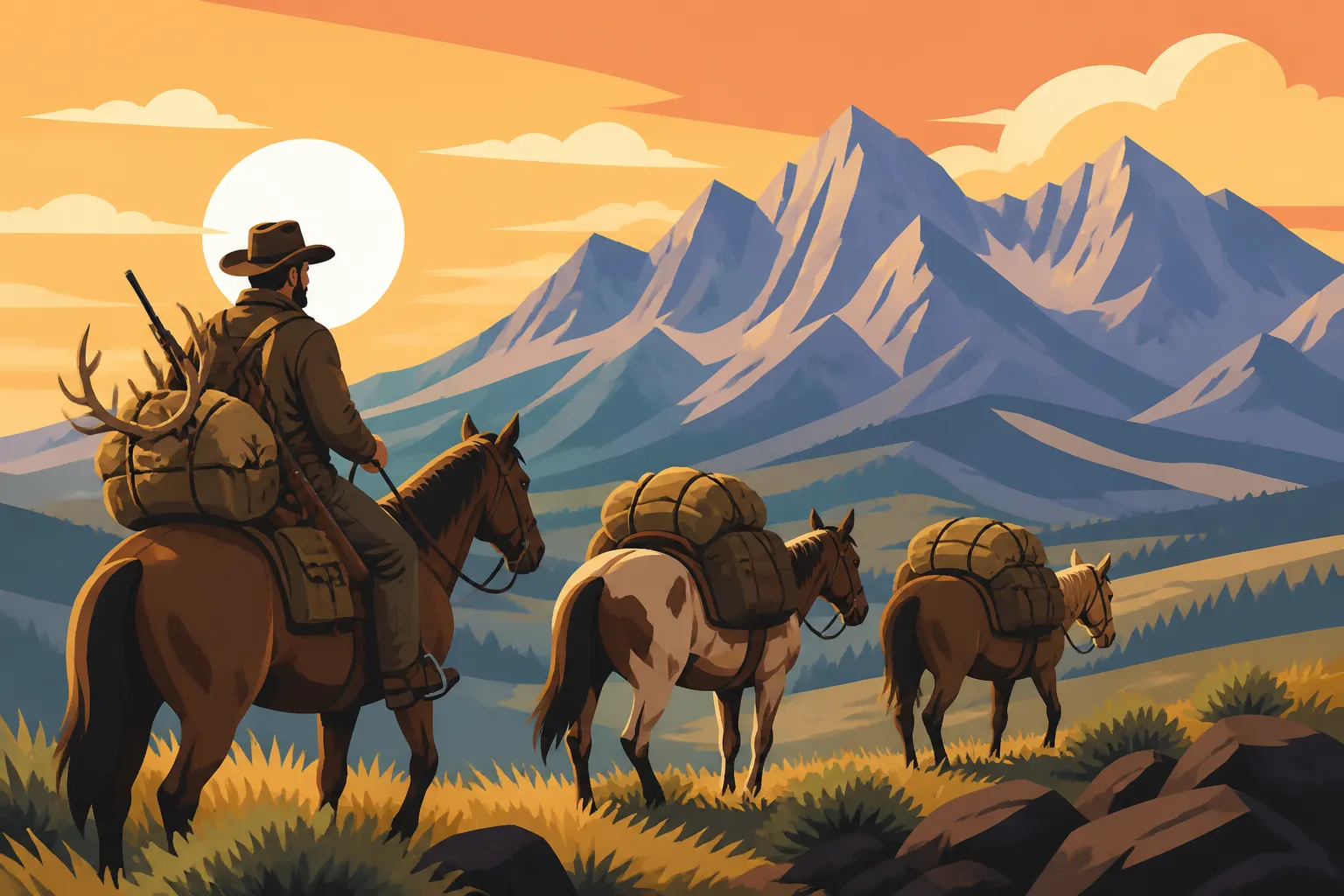
This is precisely where horseback and pack string outfitters step in as indispensable partners. They possess the specialized knowledge, equipment, and, crucially, the experienced horses and mules to move hunters, gear, and harvested game efficiently and safely through rugged terrain. These animals are built for the mountains; they can navigate steep trails, ford rivers, and carry heavy loads over distances that would break the strongest human back. Without them, large portions of Wyoming's prime hunting grounds would remain effectively inaccessible to all but the most extreme backpack hunters. They don't just get you there; they enable you to hunt effectively and, critically, retrieve your trophy and meat without undue waste or hardship.
The Unique Challenge of Wyoming's Backcountry
Wyoming's backcountry isn't just "off-road"—it's an entirely different beast than what many hunters from flatter, more populated regions might imagine. We're talking about elevations that can easily exceed 9,000 or 10,000 feet, which tests both physical stamina and equipment. The distances are staggering, with trail systems winding for miles through dense timber, across open sagebrush parks, and over rocky passes. Weather can turn on a dime, dropping from sunny autumn warmth to a blizzard in mere hours, making reliable shelter and gear paramount. The terrain itself is relentlessly unforgiving, characterized by steep climbs, deep canyons, tangled deadfall, and swift mountain streams.
Navigating this environment safely and successfully requires more than just a strong will. It demands seasoned experience with the local landscape, an intimate knowledge of animal behavior in these specific areas, and the logistics of setting up a comfortable, functional camp in truly wild places. Without an outfitter, even a seasoned hunter can quickly find themselves overwhelmed by the sheer scale and demands of a true Wyoming wilderness hunt. It's not just about finding game; it's about surviving and thriving in an environment that commands respect. Physical Conditioning for a Mountain Hunt and Preparing for Altitude on a Wyoming Hunt are vital topics to research long before you ever set foot in the wilderness.
Understanding Different Types of Pack String Services
When considering a hunting trip with a horseback or pack string outfitter in Wyoming, you'll generally find three main types of services offered: fully guided hunts, drop camps, and a few variations of semi-guided options. Each caters to a different level of hunter experience, independence, and budget, so understanding the distinctions is crucial for planning your adventure.
Fully Guided Horseback Hunts
A fully guided horseback hunt is the quintessential wilderness experience for many. With this option, you are accompanied by a licensed guide (or multiple guides, depending on the number of hunters) for the entire duration of your trip, from the moment you meet at the trailhead until you ride back out. The outfitter provides everything from the horses and mules for riding and packing to all camp equipment, food, and often even some of your basic personal gear like sleeping pads. Your guide handles all the intricate details: leading the ride in, setting up and maintaining camp, cooking meals, scouting for game, tracking animals, and assisting with field dressing and packing out your harvest.
The beauty of a fully guided hunt lies in its comprehensive nature. You, as the hunter, can focus almost entirely on the hunting experience itself, learning from your guide's deep knowledge of the area and the game. This is especially valuable for those new to Western hunting, wilderness hunting, or hunting from horseback. The daily routine typically involves waking before dawn, a hearty breakfast, riding out with your guide to likely game areas, glassing, stalking, and then returning to a warm meal and a comfortable camp in the evening. It's a truly immersive experience designed to maximize your chances of success while minimizing the logistical burdens. Plus, it meets the state's nonresident guide requirement for certain wilderness areas. Wyoming's Wilderness Guide Law for Nonresidents is a critical piece of information for nonresidents looking at these types of trips.
Drop Camps and Their Logistics
On the opposite end of the spectrum from a fully guided hunt is the drop camp, also sometimes called a "pack-in/pack-out" service. This option is designed for more self-reliant hunters who possess the skills and desire to hunt independently but need help getting deep into the wilderness. The outfitter's role here is primarily transportation: they pack you and your gear (including your own food, sleeping bags, and personal hunting equipment) into a pre-arranged camp location, set up your tents, and leave you to hunt on your own. At the agreed-upon date, they return to pack you and any harvested game back out.
The appeal of a drop camp is its balance of affordability and true wilderness immersion. It's generally less expensive than a fully guided hunt, as you're not paying for a guide's daily services. However, it places a much greater responsibility on the hunter. You are responsible for all aspects of your hunt: finding game, navigating the terrain, cooking your own meals, maintaining camp, and being self-sufficient in the wilderness. Many outfitters provide robust wall tents, wood stoves, and cooking gear, but it's essential to clarify exactly what's included. You must be confident in your hunting, navigation, first aid, and survival skills. Drop camps offer an incredible sense of accomplishment and solitude but demand a high level of preparation and backcountry expertise. You can learn more by checking out Wyoming Drop Camp Hunts Explained.
Hybrid or Semi-Guided Options
Sometimes, an outfitter might offer a "hybrid" or "semi-guided" hunting experience, attempting to bridge the gap between the full service of a guided hunt and the independence of a drop camp. These arrangements can vary significantly from one outfitter to another, so clear communication about expectations is paramount. A common semi-guided scenario might involve the outfitter packing you into a camp, providing horses for you to use throughout the hunt, and giving you an orientation to the area and some valuable insights on where to hunt. However, a guide does not accompany you daily while you're actively hunting. They might be in a nearby camp, checking in periodically, or available via satellite communication for emergencies or advice.
Another variation could be a camp manager who handles cooking and basic camp chores, but hunters are still responsible for their own hunting efforts. These options often appeal to experienced hunters who are comfortable making their own decisions in the field but appreciate some logistical support, like having animals packed out or meals prepared. They offer a step up in service from a pure drop camp without the full cost of a dedicated guide. Always ensure you have a very detailed understanding of what "semi-guided" means with any particular outfitter before booking, especially regarding assistance with game recovery and meeting any legal requirements like the nonresident guide rule in specific wilderness areas.
What to Expect from a Wyoming Horseback Outfitter
Embarking on a horseback hunt in Wyoming is an adventure unlike any other. It combines the thrill of pursuing big game with the unique experience of traveling and living in the wilderness on horseback. To truly enjoy and succeed on such a trip, it's helpful to know what to expect from the equine partners, the camp life, and your own preparation.
The Horse and Mule Experience
The horses and mules provided by Wyoming outfitters are, in many ways, your most crucial partners on a wilderness hunt. These animals are typically seasoned mountain stock, accustomed to navigating rough terrain, carrying heavy loads, and being around gunfire and wild animals. They are not racehorses; rather, they are sturdy, reliable, and generally calm animals bred and trained for packing and riding in steep country.
Even if you have minimal riding experience, most outfitters will pair you with a suitable mount and provide basic instruction on how to ride and handle your horse. However, a little pre-trip riding experience can go a long way in making your hunt more enjoyable and safer. You don't need to be a rodeo champion, but being comfortable in a saddle for several hours a day is beneficial. How Much Riding Ability a Horseback Hunt Needs is a common question, and generally, if you can stay in the saddle and listen to your guide, you'll be fine. Your guide will emphasize listening to their instructions, trusting your horse's judgment on trails, and practicing proper trail etiquette, especially when leading pack strings. These animals are vital for not only getting you to your hunting grounds but also for packing out your hard-earned game, often over many miles of difficult terrain. Respecting and caring for your mount is a core part of the backcountry experience.
Camp Life in the Backcountry
Backcountry camp life with a horseback outfitter is a world apart from car camping. Depending on the type of hunt (guided vs. drop camp), the amenities can range from basic to surprisingly comfortable. For fully guided trips, camps are often well-appointed with large wall tents, cots, wood stoves for heating, and even designated cook tents where hearty meals are prepared. You might have a dedicated camp jack or cook in addition to your hunting guide, ensuring camp chores are handled efficiently. These camps are designed for functionality and comfort in remote settings, often situated near water sources and protected from the elements.
Drop camps, while requiring more self-sufficiency, still often provide substantial canvas tents, cots, and perhaps a basic cooking setup, though you supply your own food and cooking expertise. The essence of backcountry camp life is simplicity and remoteness. There's usually no cell service, no running water beyond what you can carry or filter, and electricity is limited to small generators or solar panels for essential needs, if at all. It's a chance to truly disconnect and appreciate the quiet solitude of the wilderness. Expect early mornings, communal meals (on guided hunts), and evenings spent around a fire or wood stove, sharing stories of the day's hunt.
Gear and Preparation for a Pack String Hunt
Preparing your gear for a pack string hunt requires careful thought, as space and weight are often limited, especially for drop camps. Outfitters will usually provide a detailed gear list, but some universal principles apply. Layering is key for clothing, as mountain weather can swing wildly. Think high-quality merino wool or synthetic base layers, insulating mid-layers, and a waterproof/windproof outer shell. Comfortable, broken-in hunting boots are non-negotiable. Don't forget a quality sleeping bag rated for colder temperatures, even in early fall. Optics – binoculars and a spotting scope – are crucial for glassing vast Wyoming landscapes.
Beyond personal gear, consider what your outfitter provides. For drop camps, you'll need to meticulously plan all your food, cooking supplies, and personal items. For guided hunts, clarify what essentials like sleeping pads or towels you should bring. Weight restrictions are a serious consideration for pack strings; mules can only carry so much, and overloading them is unsafe and irresponsible. Physical preparation is also paramount. While horses do much of the heavy lifting, you'll still be walking, climbing, and potentially field dressing an animal at altitude. Start a conditioning program well in advance of your hunt. Preparing for Altitude on a Wyoming Hunt is not just a suggestion; it can make or break your hunt experience.
Choosing the Right Outfitter and Booking Your Adventure
Selecting the right outfitter for your Wyoming horseback hunt is arguably as important as drawing the tag itself. This decision will significantly impact your experience, safety, and ultimately, your success. It's an investment in time, money, and personal commitment, so thorough due diligence is essential.
Vetting Potential Outfitters
The first step in vetting an outfitter is confirming their credentials. In Wyoming, all professional guides must work under a licensed outfitter, and both must be licensed by the Wyoming Board of Outfitters and Professional Guides. This board is the regulatory body, and you should always verify an outfitter's license number directly with them. Don't just take an outfitter's word for it. This check confirms they are operating legally and meet the state's requirements for insurance and bonding. Websites like BookYourHunt or GoHunt can be good starting points for finding outfitters, but always cross-reference information with the official state board.
Beyond licenses, references are invaluable. Ask for a list of past clients, preferably from the last one to three years, and actually call them. Ask specific questions about the hunt: Were the horses well-cared for? Was the food good? Was the guide knowledgeable and safe? Did they feel prepared for the physical demands? What was the general atmosphere of the camp? Pay attention to how the outfitter communicates with you throughout this process. Are they prompt, transparent, and willing to answer all your questions? A reputable outfitter will be happy to provide this information. Red flags often include vague answers, unwillingness to provide references, or pressure to book quickly without full disclosure. Dive deeper into this topic by reviewing Questions to Ask a Wyoming Outfitter and Vetting a Wyoming Outfitter Before You Send a Deposit.
Understanding Costs and What's Included
The cost of a Wyoming horseback hunt can vary widely depending on the species, duration, level of service (guided vs. drop camp), and the outfitter's reputation. While I can't provide specific figures, expect guided elk hunts to be at the higher end of the spectrum, with antelope or deer hunts, especially drop camps, potentially being less. It's crucial to get a detailed breakdown of what the quoted price includes and, just as importantly, what it doesn't include. For example, What a Guided Wyoming Elk Hunt Costs will give you a general idea, but specific details must come from the outfitter.
Typically, prices cover the guide's services, horses, camp equipment, and food (for guided hunts). What's often not included are your hunting license and tag fees, application fees, a Wyoming Conservation Stamp, meat processing, taxidermy, travel to and from the trailhead, personal gear, and tips for the guides and camp staff. Some outfitters might have additional "trophy fees" for certain animals or if you harvest an exceptional buck or bull, so clarify this upfront. Always budget for tipping, as it's a customary and important part of acknowledging the hard work of your guides and staff. Ensure you understand the deposit requirements, payment schedule, and, critically, the cancellation and refund policy, especially concerning whether you get a refund if you fail to draw a tag.
Timing Your Booking and Draw Odds
Booking a quality Wyoming outfitter, especially for popular species like elk and trophy mule deer, often needs to happen well in advance. Many top outfitters are booked out one to three years in advance, sometimes even further. This often means booking your hunt before you've even applied for or drawn your tag. This might seem counter-intuitive, but it's a common practice. Outfitters will typically require a deposit to hold your spot, with the understanding that the remaining balance is due once you draw your license. If you don't draw, many will roll your deposit over to the following year or offer a refund according to their specific cancellation policy. This makes sense when you consider that Book Your Wyoming Hunt Before the Draw Runs is often the only way to secure a spot with a desirable outfitter.
This pre-booking strategy also intertwines with understanding Wyoming's complex draw system and your personal draw odds. Resources like GoHunt or BookYourHunt often provide tools and data analysis to help you understand the probability of drawing a tag in specific hunt units, especially for nonresidents relying on preference points. Knowing the odds for certain units can help you decide if it's realistic to book an outfitter for that area or if you should look at units that require fewer points. Communication with your chosen outfitter about draw odds and unit selection is crucial, as they often have a deep understanding of which units are realistic for their clients based on current point trends.
Essential Considerations for a Wilderness Horseback Hunt
A horseback hunt in Wyoming's wilderness is an incredible adventure, but it’s one that requires careful thought and preparation beyond just packing your rifle and sleeping bag. To ensure a safe, successful, and truly enjoyable experience, there are a few critical aspects you absolutely must consider.
Physical Demands and Acclimatization
Even if you're riding a horse, a wilderness hunt in Wyoming is physically demanding. You'll spend hours in the saddle, often over rugged, uneven terrain. When you dismount to stalk or retrieve an animal, you'll be hiking at high altitudes, climbing steep hills, and navigating obstacles. The thin air at elevations of 8,000 to 10,000 feet can quickly sap your energy, even for those in excellent physical condition. Symptoms of altitude sickness can range from headaches and nausea to more severe, debilitating conditions.
It's imperative to begin a comprehensive physical conditioning program months before your hunt. Focus on cardiovascular endurance, leg strength, and core stability. Incorporate activities like hiking with a weighted pack, stair climbing, and cycling. If possible, arrive in Wyoming a few days early to allow your body to acclimatize to the higher elevation. Stay hydrated, avoid excessive alcohol, and listen to your body and your guide's advice. Pushing yourself too hard in the backcountry can lead to injury or, worse, put your entire hunting party at risk. Remember to review Physical Conditioning for a Mountain Hunt and Preparing for Altitude on a Wyoming Hunt for specific advice.
Wilderness Rules and Regulations
Hunting in designated wilderness areas comes with a unique set of rules designed to preserve their pristine nature. The guiding principle is "Leave No Trace," meaning everything you pack in must be packed out, including all trash and often even human waste. Motorized vehicles, including ATVs and e-bikes, are strictly prohibited. Even chainsaws are typically not allowed for cutting firewood, requiring hand saws or axes. It's a commitment to minimal impact on the environment. Your outfitter will be well-versed in these rules, but as a hunter, you share the responsibility of understanding and adhering to them.
Beyond environmental considerations, there are specific game laws and regulations that apply to hunting in these remote areas. This includes tagging requirements, evidence of sex rules, and carcass transport guidelines. Moreover, Wyoming is grizzly country in many of its prime elk and moose wilderness areas, such as the Bridger-Teton and Shoshone National Forests. This necessitates strict bear safety protocols in camp, including proper food storage, carrying bear spray, and knowing how to react in a bear encounter. Your outfitter will enforce these rules, but hunters must be prepared to follow them rigorously. Neglecting bear safety puts everyone at risk. Bear Safety Practices in an Outfitter Camp should be high on your pre-hunt reading list, as should Wilderness Rules Every Wyoming Nonresident Should Know. Knowing these regulations ensures not only a legal hunt but also a respectful and safe one for both you and the wild landscape.
| Feature | Fully Guided Hunt | Drop Camp Hunt | Semi-Guided Hunt |
|---|---|---|---|
| Guide Presence | Daily guide assistance throughout the hunt | No guide during the hunt; pack-in/pack-out service | Initial guidance, possibly camp manager; hunter self-directs |
| Provided By Outfitter | Horses, camp, food, guide, pack-out services | Horses, basic camp setup, pack-in/pack-out services | Horses, camp, some logistical support |
| Hunter Responsibility | Hunt, follow guide, personal gear | Hunt, all food, camp maintenance, personal gear | Hunt, some food/camp, personal gear |
| Cost (Relative) | Highest | Lowest | Moderate |
| Independence | Lowest (high guidance) | Highest (full self-reliance) | Medium (some support, high autonomy) |
| Best For | Novice hunters, maximum comfort, high success focus | Experienced, self-reliant hunters, budget-conscious | Experienced hunters seeking some support and independence |
| Wilderness Guide Law | Meets requirements for nonresidents in wilderness areas | Does NOT meet requirements for nonresidents in wilderness areas | Varies, check specific offerings carefully |
Disclaimer
This article is for general informational purposes only and does not constitute professional advice. Laws, prices and regulations vary by location and change over time. Consult a qualified professional for guidance on your specific situation.