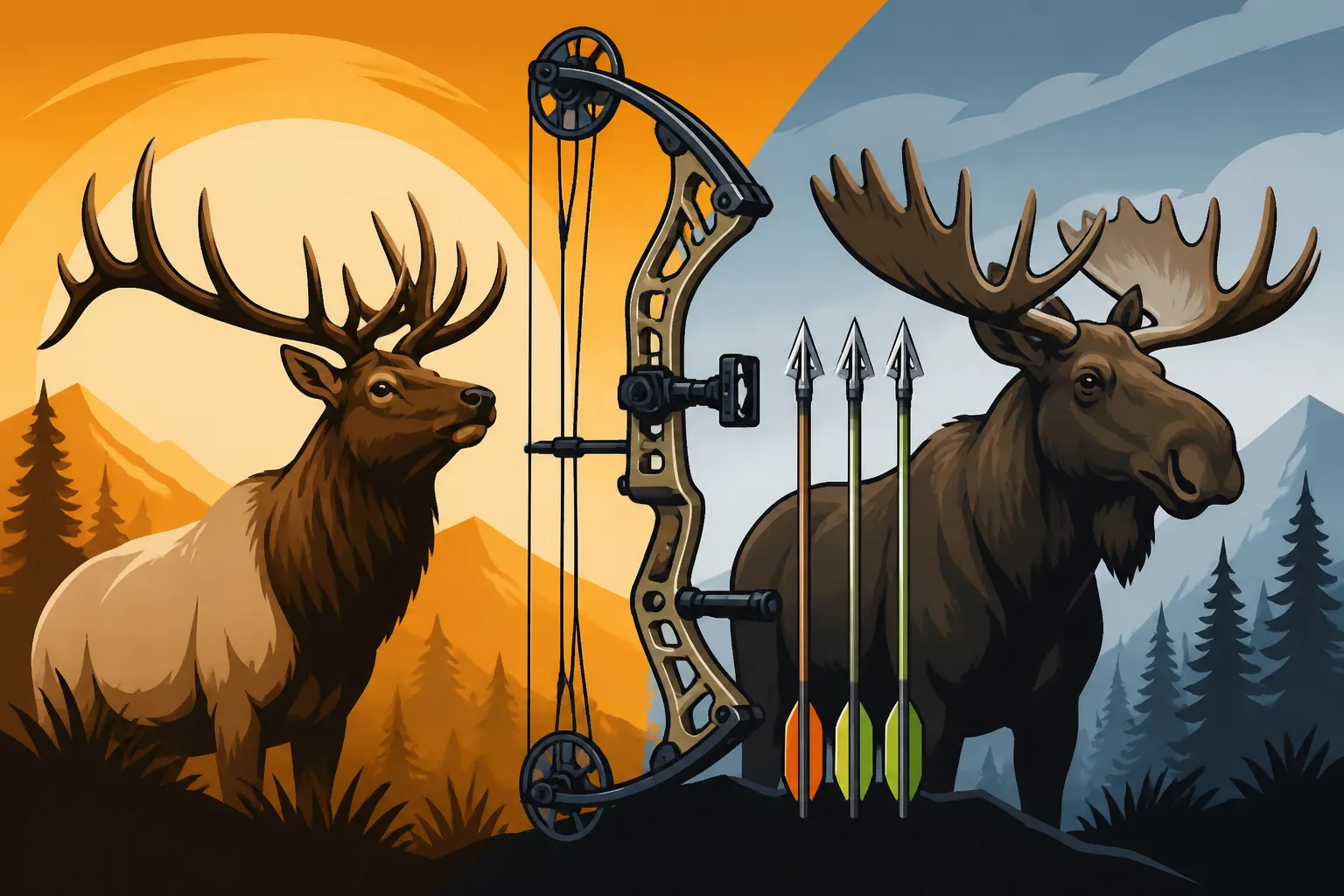
The 50-Pound Bows Elk and Moose Require
Heading out to the incredible landscapes of Wyoming with your bow, chasing a magnificent elk or a majestic Shiras moose, is an experience unlike any other. However, a common pitfall many bowhunters, especially those new to the state or transitioning from different species, face is not fully understanding the specific equipment requirements, particularly the minimum draw weight for these large animals. This guide will walk you through Wyoming's 50-pound draw weight rule for elk and moose, explaining the "why" behind it, how to ensure you're compliant, and practical advice to prepare you for a successful and ethical hunt.
Understanding Wyoming's Minimum Draw Weight Rules
Wyoming takes its big game regulations seriously, and for good reason. The goal is always to promote ethical hunting practices that prioritize clean, swift harvests. When it comes to archery, this means ensuring your equipment has sufficient power to cleanly dispatch an animal like an elk or a moose. It’s not just about drawing the bow; it's about the kinetic energy delivered by the arrow.
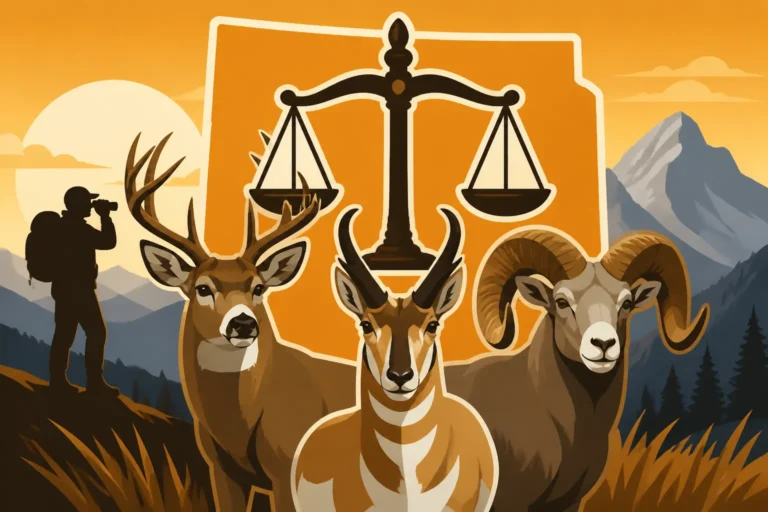
The state differentiates between species based on their size and resilience. For smaller big game like deer, antelope, and bighorn sheep, the regulations specify a 40-pound minimum draw weight. But for the truly large, tough-to-take species like elk and moose, the threshold is higher, reflecting the need for greater penetration. Many hunters coming from states with more lenient rules, or those who previously hunted only deer, often find this 50-pound requirement a significant point of adjustment and sometimes, frustration. It's a critical detail that can make or break your hunt before it even begins.
Differentiating Minimums for Various Big Game Species
It's easy to assume a "big game bow" is just that, but Wyoming’s regulations are quite nuanced, distinguishing between species to ensure ethical hunting regardless of your target. For instance, if you're planning an archery hunt for mule deer or pronghorn, you'll need to meet Wyoming's 40-pound minimum for deer, antelope and sheep. This lower requirement acknowledges that these animals, while robust, don't demand the same raw kinetic energy from an arrow as their larger counterparts. It offers a bit more flexibility for hunters who might be physically smaller or still building their archery strength.
However, as soon as your sights are set on elk or moose, that minimum jumps up. The distinction is critical because attempting to hunt an animal of this magnitude with insufficient equipment not only increases the risk of wounding it, but also puts you in violation of state law. It’s a common misconception that if a bow can fling an arrow, it’s good to go, but the energy behind that arrow is paramount for larger game. Understanding these specific rules upfront prevents unwelcome surprises in the field or during a game warden check.
Where the 50-Pound Rule is Stated in Regulations
The 50-pound draw weight requirement for elk and moose isn't hidden in some obscure legal document; it's a fundamental part of Wyoming's hunting regulations. You'll find it clearly outlined in the Wyoming Game and Fish Department's hunting regulations, typically under the section pertaining to archery equipment specifications. These regulations are meticulously updated each year, so it's always your first and best resource. Many experienced hunters make it a ritual to review the regulations thoroughly, even if they've hunted Wyoming for decades, because small changes can and do occur.
It's not enough to simply hear about the rule; you need to read the official text to understand any nuances or accompanying stipulations. For example, while the draw weight is primary, the regulations also detail requirements for broadheads and other equipment, all working in concert to ensure humane harvesting. A great online resource like GoHunt can help you navigate these regulations, often breaking down complex legal jargon into more digestible formats, but always remember to cross-reference with the official WGFD documents. This diligence ensures you're fully prepared and compliant, giving you peace of mind when you're out in the field.
Why 50 Pounds for Elk and Moose? The Rationale
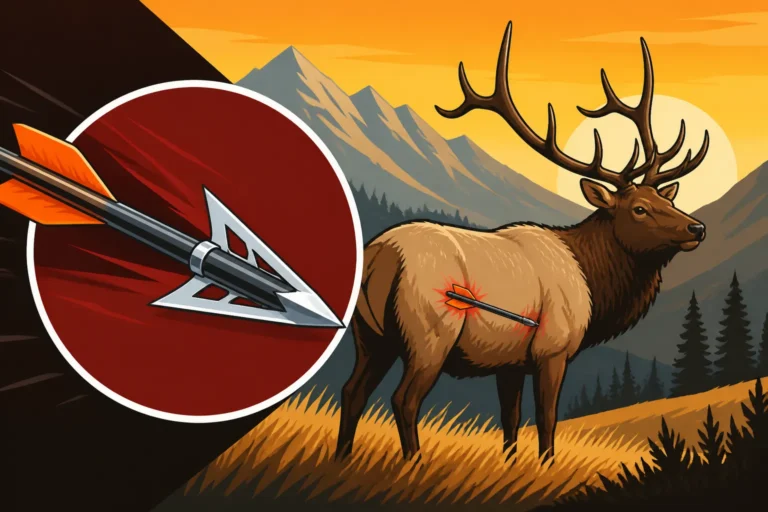
The 50-pound minimum draw weight for elk and moose isn't an arbitrary number dreamed up by bureaucrats. It's rooted in the biological realities of these magnificent animals and the physics of ethical archery hunting. An elk or a moose is a massive, incredibly resilient creature with thick hides, dense muscle, and robust bone structures. To achieve a clean, humane kill, an arrow needs to penetrate deeply enough to reach vital organs like the heart and lungs. This deep penetration requires a significant amount of kinetic energy.
A 50-pound draw weight, when combined with a properly weighted and constructed arrow and a sharp broadhead, generates the necessary force to push through these tough layers. Anything less dramatically increases the risk of a superficial wound, leading to a prolonged and painful demise for the animal, and a heartbreaking and often fruitless tracking job for the hunter. The regulations are designed to minimize suffering and uphold the principles of fair chase and responsible hunting that are so deeply valued in Wyoming.
Kinetic Energy and Arrow Penetration
When we talk about kinetic energy in archery, we're essentially talking about the energy an arrow carries that allows it to penetrate. A heavier draw weight translates directly to greater arrow speed and, more importantly, greater stored energy in the bow that is transferred to the arrow. This burst of power is absolutely crucial when that arrow impacts the thick hide, muscle, and potentially bone of an elk or moose. Think of it this way: a light tap might bruise, but a forceful punch can break through.
For elk and moose, you're not just aiming for a quick entry wound; you're aiming for full pass-throughs or at least deep penetration into the thoracic cavity to ensure vital organ damage. An arrow that lacks sufficient kinetic energy might get stuck in the animal's shoulder blade, rib, or even just under the hide, resulting in a non-lethal wound. This is a nightmare scenario for any ethical hunter. The 50-pound minimum helps ensure that the vast majority of hunters are equipped to deliver that critical level of kinetic energy, giving their arrow the best chance to do its job effectively.
Ethical Hunting and Humane Harvest
At the core of all hunting regulations, especially those concerning equipment, is the principle of ethical hunting and ensuring a humane harvest. No hunter wants to cause undue suffering to an animal. The 50-pound rule for elk and moose directly addresses this by setting a standard for equipment capability. It's a proactive measure to ensure hunters are physically capable and properly equipped to achieve a quick, clean kill shot.
Imagine the devastating feeling of hitting a bull elk perfectly, only to have your arrow barely penetrate, leaving the animal wounded and escaping into the wilderness. This is precisely what the regulation seeks to prevent. It forces hunters to be honest about their physical capabilities and their equipment's limits. It’s an unspoken agreement among hunters that we owe it to the animals we pursue to make every effort to harvest them swiftly and respectfully. This commitment to humane harvest is a cornerstone of Wyoming's rich hunting heritage.
The Challenge of Larger Animals
Hunting a big game animal like an elk or a moose isn't just about finding it; it's about successfully bringing it down. These animals are built tough, designed to survive harsh winters and evade predators. Their sheer size and robust physiology present unique challenges for archers. A typical mature bull elk can weigh upwards of 700-800 pounds, with some moose bulls exceeding 1,000 pounds. Their bone structure is dense, and their musculature can be incredibly thick, especially around the shoulder and rib cage.
Even a perfectly placed shot, if it lacks sufficient penetrating power, might not reach the vitals. This is where the 50-pound minimum truly matters. It acts as a baseline to ensure that hunters are using bows capable of driving an arrow through these formidable defenses. While shot placement is always king, having the raw power to back up that placement significantly increases your odds of a successful and ethical harvest. Without it, you're fighting an uphill battle against an animal built for survival, making the 50-pound requirement a realistic and necessary standard.
Checking and Adjusting Your Bow for Compliance
So, you're ready for your Wyoming elk or moose hunt, but how do you actually verify that your bow meets the 50-pound minimum? This isn't something you want to guess at, or simply assume based on the bow's advertised poundage. The reality is that factors like string stretch, limb deflection, and even ambient temperature can slightly affect the actual draw weight. You need a precise measurement.
The most common and reliable method is using a bow scale, a handheld device specifically designed for this purpose. Many archery pro shops will have one and can perform the check for you. If you own your own, you'll want to draw your bow to your full draw length and hold it while someone reads the peak weight. It's a simple process, but one that absolutely cannot be overlooked. Ensuring compliance before you ever step foot into a unit like E9 or the Bighorn Mountains is paramount.
Using a Bow Scale to Measure Draw Weight
Measuring your bow's draw weight with a scale is a straightforward but essential step. You’ll want a quality digital or analog bow scale, easily found at most archery shops or online. The process involves attaching the scale to your bowstring, drawing the bow back as if you were shooting, and holding it at your full draw length. The scale will then display the peak draw weight. It's crucial to ensure you're pulling the bow back to your actual full draw, not just a partial draw, as the weight often builds up to its peak.
It's a good practice to measure your bow's draw weight a few times to get a consistent reading, especially if you're doing it yourself. You might even want to do it at different times of the day or in varying temperatures, as slight fluctuations can occur. Don't rely solely on what the bow's limbs say. A bow that was 50 pounds when new might drift slightly over time due to string stretch or limb wear. This quick check takes minutes but provides invaluable peace of mind that you’re legal and adequately equipped for the challenge of a Wyoming elk or moose.
Adjusting Your Bow's Draw Weight
If your bow doesn't quite hit that 50-pound mark, don't panic! Most modern compound bows offer a significant range of draw weight adjustability. Typically, there are limb bolts on your bow's riser that can be tightened or loosened to increase or decrease the draw weight. A good rule of thumb is that one full turn of a limb bolt often equates to about 2-3 pounds of adjustment, though this varies by manufacturer and bow model. Always check your bow's manual or consult with a certified archery technician before making adjustments yourself, as improper tightening can damage your bow.
It's also important to make sure you're adjusting both limb bolts evenly to keep the limbs balanced and the cams in sync. If you’re pushing your bow to its maximum poundage, be sure you can comfortably and accurately shoot it. There’s no point in having a 50-pound bow if you can’t consistently hold it steady and make accurate shots. Sometimes, increasing your draw weight means increasing your practice time, focusing on form and strength, which ties into the importance of Realistic Archery Practice Distance for Big Game. Remember, the goal isn't just to meet the minimum, but to do so while maintaining shooting proficiency.
Considering Other Bow Specifications
While draw weight is the star of this discussion, it's really just one piece of the puzzle when it comes to bowhunting compliance and effectiveness in Wyoming. The regulations also specify other critical components, such as broadhead requirements. For elk and moose, you'll need a broadhead with a minimum cutting width to ensure sufficient hemorrhage. This means no practice points or small game heads.
Arrow weight is another factor that works in conjunction with draw weight to achieve kinetic energy and momentum. A heavier arrow, even with the same draw weight, will carry more momentum, aiding in penetration. While the state doesn't have a minimum arrow weight for big game, understanding Arrow Weight That Gets Through an Elk is crucial for maximizing your setup's effectiveness. All these elements combined contribute to an ethical and successful hunt, ensuring that your entire system is optimized for the challenge of Wyoming's largest game animals.
| Species Targeted | Minimum Draw Weight (lbs) | Minimum Broadhead Cutting Width (in) | Typical Arrow Weight (grains) |
|---|---|---|---|
| Deer, Antelope, Bighorn Sheep | 40 | 7/8 | 350-450 |
| Elk, Moose | 50 | 7/8 | 400-550+ |
Consequences of Not Meeting Draw Weight Minimums
Hunting in Wyoming is a privilege, and with that privilege comes the responsibility of adhering to all regulations. Failing to meet the 50-pound draw weight minimum for elk or moose isn't a minor oversight; it can carry serious consequences, both legal and ethical. Game wardens in Wyoming are vigilant, highly knowledgeable, and dedicated to enforcing fair chase laws. They are trained to spot non-compliance, and they won't hesitate to investigate any suspicions.
The last thing any hunter wants is to have their hard-earned tag confiscated, face hefty fines, or even lose their hunting privileges, all because of an avoidable equipment issue. Beyond the legal ramifications, there's the profound ethical breach of attempting to harvest an animal with insufficient equipment. This runs counter to the very spirit of hunting and can lead to unnecessary suffering for the animal. It's a situation no responsible hunter wants to find themselves in.
Legal Penalties and Violations
The legal repercussions for using an underpowered bow for elk or moose in Wyoming can be significant. If a game warden determines your bow doesn't meet the 50-pound minimum, you could be cited for a violation. This might result in substantial fines, which can easily run into the hundreds or even thousands of dollars. More severely, you could face confiscation of your hunting license and tag, ending your hunt prematurely and erasing all the time, money, and effort you invested.
In some cases, especially if combined with other violations or perceived negligence, it could even lead to a suspension of your hunting privileges in Wyoming, and potentially other states through interstate compacts. These aren't just minor tickets; they're serious offenses in the eyes of wildlife management and conservation. The Wyoming Game and Fish Department is committed to protecting its wildlife resources and ensuring compliance, making it clear that adherence to equipment standards is non-negotiable.
Ethical Implications of Wounding Game
Beyond the legal penalties, the ethical implications of wounding an animal with insufficient equipment are profound and far-reaching. Imagine finally getting a shot at the bull elk you've been pursuing for days, drawing your bow, making what you believe is a perfect shot, only to realize the arrow didn't penetrate enough. The animal vanishes, potentially suffering a slow, painful death. This is the nightmare scenario every ethical hunter dreads.
Using an underpowered bow drastically increases the chances of such an outcome. It goes against the core tenet of responsible hunting: to ensure the quickest, most humane harvest possible. No hunter wants to be responsible for an animal suffering unnecessarily, and such an experience can be deeply disheartening and guilt-inducing. The 50-pound minimum is there to help prevent this, guiding hunters towards equipment that provides the best chance for a clean kill, honoring the animal and the hunt itself.
Importance of Pre-Season Preparation
The best way to avoid all these negative consequences is through diligent pre-season preparation. This includes not only physical training and shooting practice but also a thorough check of all your gear. Don't wait until the week before your hunt to measure your draw weight. Do it months in advance. This gives you ample time to make adjustments to your bow, purchase new equipment if necessary, or increase your physical conditioning to comfortably handle the required draw weight.
Think of it as part of your overall hunt plan. Just as you’d scout your unit using resources like GoHunt or review Wyoming Elk Season Dates Are Set Hunt Area by Hunt Area, you should meticulously check your equipment. Many hunters spend countless hours practicing How Close a Bowhunter Really Needs to Get or mastering calls, but overlook the foundational requirement of their bow's legal compliance. A little preparation goes a long way in ensuring your hunt is not only successful but also ethical and within the bounds of the law.
Practical Tips for Meeting the 50-Pound Mark
Achieving and comfortably handling a 50-pound draw weight, especially if you're new to it or returning after a break, can feel like a challenge. But with the right approach, it's absolutely attainable for most individuals. It's not just about muscle; it's about technique, consistency, and smart conditioning. Remember, the goal isn't just to be able to pull 50 pounds once, but to be able to do it smoothly, repeatedly, and accurately under hunting conditions—which often means cold weather, uneven terrain, and elevated heart rate.
Start early, be consistent with your practice, and don't be afraid to seek professional guidance. This isn't a race; it's a steady progression towards proficiency and ethical readiness for your Wyoming elk or moose adventure.
Building Strength and Endurance
To confidently shoot a 50-pound bow, you need more than just raw strength; you need archery-specific strength and endurance. Focus on exercises that target your back muscles, shoulders, and core, as these are the primary movers and stabilizers in the archery shot cycle. Rows, pull-ups, push-ups, and exercises with resistance bands can be incredibly beneficial. Incorporate planks and other core exercises to build stability, which is vital for holding steady at full draw.
Consistency is key. Instead of trying to hit the gym hard once a week, aim for shorter, more frequent sessions. Also, don't neglect your actual shooting practice. Drawing your bow, even at a lower poundage initially, helps build the specific muscle memory and strength required. Gradually increase the draw weight of your bow as your strength improves, always prioritizing good form over heavy weight. This focused training will pay dividends when you're facing a real hunting situation, needing to draw smoothly and hold steady when an opportunity arises.
Proper Shooting Form and Technique
Strength is important, but proper shooting form and technique can make a 50-pound bow feel much more manageable. Many hunters compensate for a lack of strength with poor form, using arm muscles rather than engaging their back and core. This leads to fatigue, inconsistency, and injury. Focus on a strong, stable stance, a consistent anchor point, and a smooth, controlled draw cycle. Your back muscles should be doing the heavy lifting, not your biceps.
If you’re struggling, consider taking lessons from a certified archery instructor. They can identify flaws in your form and provide corrective drills. Even seasoned archers can benefit from a professional tune-up. A well-executed shot relies on a solid foundation, and investing in your form will not only make shooting a 50-pound bow easier but will also dramatically improve your accuracy and consistency, crucial for any big game hunt.
Bow Accessories That Can Help
Certain bow accessories can also contribute to making a 50-pound draw weight more manageable and your shooting experience more comfortable. A quality release aid, for example, allows for a smooth, consistent release, minimizing human error and making the entire shot process more efficient. While Are Release Aids Allowed for Archery Hunting? in Wyoming is a common question (yes, they are), selecting one that fits your hand and style is critical.
Stabilizers can help balance your bow, reducing wobble and making it easier to hold steady at full draw, especially after a long stalk or when your adrenaline is pumping. Even something as simple as a comfortable grip can make a big difference in reducing hand fatigue. While these accessories don't directly change the draw weight, they improve the overall shooting experience, allowing you to maintain better form and control, which indirectly makes managing that 50 pounds much less taxing.
Disclaimer
The information provided in this guide is for informational purposes only and is not a substitute for reviewing the official Wyoming Game and Fish Department regulations. Hunting laws and regulations can change, and it is the hunter's sole responsibility to ensure full compliance with all current state and federal laws before participating in any hunting activity. Always consult the most recent official regulations booklet.