Wyoming’s 40-Pound Minimum for Deer, Antelope and Sheep
There's nothing quite as frustrating as meticulously planning a Wyoming hunt, drawing that coveted tag, and then realizing you might not meet all the legal requirements for your chosen weapon. One common hurdle, especially for archers, revolves around draw weight minimums. This guide is here to untangle the specific rules for deer, antelope, and bighorn sheep, ensuring your bow setup is not only legal but also ethically prepared for your Western adventure.
Navigating Wyoming's Bow Draw Weight for Deer, Antelope, and Sheep
So, you're dreaming of an archery hunt in Wyoming, maybe chasing a pronghorn across the open sagebrush, or slipping into some timber for a mule deer buck. It’s an incredible experience, but before you ever string an arrow, you need to make absolutely sure your equipment measures up to the state's regulations. It's not just about legality; it's deeply rooted in ethical hunting practices, ensuring a clean, humane kill. The Wyoming Game and Fish Department sets specific minimum draw weights for various big game species, and for deer, antelope, and bighorn sheep, that number is 40 pounds.
The Crucial 40-Pound Baseline
For any archer pursuing deer, antelope, or bighorn sheep in Wyoming, the rule is pretty straightforward: your bow, whether it's a compound, recurve, or longbow, must have a minimum draw weight of 40 pounds. This isn't a suggestion; it's a hard and fast legal requirement. Imagine the disappointment of finally drawing that coveted Wyoming nonresident deer license or an antelope tag only to have your hunt jeopardized because your bow doesn't meet the standard. It’s a bitter pill to swallow, and easily avoidable with a little preparation. This minimum applies at any draw length, meaning if your bow is set at 40 pounds at your personal draw length, you're good to go. It’s about ensuring that the bow has enough stored energy to propel an arrow with sufficient force to penetrate effectively.
This rule is consistent across all three species mentioned – deer, antelope, and bighorn sheep. It doesn't matter if you're chasing a small doe antelope or a Boone and Crockett mule deer; the 40-pound floor is unwavering. This differs from elk and moose, which have a higher requirement, but we'll get into that another time. What's important now is recognizing that if your bow pulls less than 40 pounds at your personal draw, it simply isn't legal for these animals in Wyoming. Period. This isn't just about passing a check at a game warden stop; it's about the responsibility we carry as hunters to ensure we're equipped for success and, more importantly, for a quick, humane harvest. Many hunters use resources like GoHunt's gear reviews to make sure their setup is up to snuff before they even consider drawing a tag.
Why This Minimum Matters for Ethical Hunting
The 40-pound minimum isn't some arbitrary number plucked out of thin air by wildlife officials. It's established with the animal's welfare, and ultimately the integrity of hunting, firmly in mind. An arrow launched from a bow with insufficient draw weight simply lacks the kinetic energy and momentum needed for adequate penetration. This is critical for reaching vital organs and ensuring a quick, ethical kill. Nobody wants to wound an animal, and inadequate equipment is a leading cause of such unfortunate situations. The goal of any ethical hunter is to dispatch the animal as quickly and painlessly as possible.
Consider a scenario where an arrow from an underpowered bow hits bone, even a rib. With insufficient force, the arrow might not penetrate deeply enough to reach the vitals, leading to a long, drawn-out tracking job and immense suffering for the animal. This is exactly what the draw weight minimums aim to prevent. They serve as a baseline to ensure that, given proper shot placement and a sharp broadhead, your arrow has a reasonable chance of performing as intended. It's a shared responsibility among all archers to respect this rule, not only for the animals we pursue but for the reputation of archery hunting as a whole. Adhering to these rules helps protect the privilege of hunting for future generations.
Understanding the Physics of an Ethical Archery Shot
Hunting with a bow is a deeply personal and primal experience, demanding skill, patience, and a deep understanding of your equipment. It's also a serious undertaking, where the physics of your shot directly impact the ethical outcome. The discussion around draw weight isn't just about a number on your bow; it's about the energy and momentum that number translates into, and how that energy helps your arrow do its job.
Kinetic Energy, Momentum, and Arrow Performance
When we talk about an ethical archery shot, we're really delving into the concepts of kinetic energy and momentum. Kinetic energy is essentially the energy of motion – how much "punch" your arrow carries. Momentum, on the other hand, is the mass of the arrow multiplied by its velocity, giving us a clearer picture of its ability to overcome resistance and continue traveling through tissue and bone. Both are crucial for achieving lethal penetration. A bow with a higher draw weight stores more potential energy, which is then transferred to the arrow, increasing its velocity and, consequently, its kinetic energy and momentum.
For deer, antelope, and bighorn sheep, the 40-pound minimum is designed to provide enough of this kinetic energy and momentum to push a well-chosen arrow and broadhead through hide, muscle, and potentially bone to reach the vital organs. If your bow is set below this threshold, the arrow simply won't have the driving force necessary to reliably achieve this, even with a perfect shot. It’s a balancing act: you need enough power to penetrate, but also the ability to shoot accurately and consistently. While some might argue that a perfectly placed shot with a lighter bow could still be lethal, the regulations aim to mitigate risk and ensure a higher probability of success across the board. The goal is to maximize the chances of a quick, clean pass-through, which helps with blood trails and recovery.
Pairing Draw Weight with Arrow and Broadhead Choices
The draw weight of your bow is just one piece of the puzzle. The effectiveness of your ethical shot also heavily relies on the right combination of arrow weight and broadhead design. Think of it like a symphony where each instrument plays a vital role. You could have a 60-pound bow, but if you're shooting incredibly light arrows with inefficient broadheads, you might still struggle with penetration. Conversely, a 40-pound bow, perfectly legal for these species in Wyoming, can be incredibly lethal when paired with a heavier, well-constructed arrow and a razor-sharp, fixed-blade broadhead.
Heavier arrows tend to carry more momentum, which is fantastic for driving through tough tissue and bone. This means that even with a legal 40-pound bow, opting for a slightly heavier arrow can significantly boost your penetration capabilities. Then there are broadheads: the business end of your arrow. Wyoming has specific rules regarding broadheads, including a The Minimum Cutting Width a Broadhead Must Make and regulations about fixed versus expandable blades. Generally, sharp, sturdy fixed-blade broadheads are known for their reliability in penetrating bone and dense tissue. Expandable broadheads can be very effective, but their performance is even more critical when pushing the minimum draw weight limits, as they expend energy upon impact to deploy their blades. Many experienced hunters, especially those hunting with vertical bows, will tell you that a well-tuned system that balances draw weight, arrow weight, and broadhead selection is far more important than simply maxing out your poundage. For hunters trying to optimize their setup, especially if they're close to the minimums, sites like GoHunt offer detailed analyses of different arrow and broadhead combinations.
Accurately Measuring Your Bow's Draw Weight
It might seem obvious, but knowing your bow's actual draw weight is absolutely crucial. You can't just take the manufacturer's word for it, especially if you've made adjustments or if your bow has aged. Regulators won't accept "I thought it was 40 pounds" as an excuse if you're checked in the field. Taking the time to accurately measure your bow's draw weight is a fundamental step in being a responsible archer and ensuring you meet Wyoming's legal minimums for deer, antelope, and bighorn sheep.
Dialing In Your Compound Bow's True Draw Weight
For compound bow shooters, accurately measuring draw weight involves a bit more nuance than with traditional bows due to the "let-off" feature. Let-off means that once you've reached full draw, a significant percentage of the initial peak weight is relieved, making it easier to hold steady. However, the legal minimum draw weight refers to the peak draw weight—the maximum force required to pull the string back before the let-off engages. To measure this, you'll need a reliable bow scale. Many archery pro shops have them, or you can purchase one yourself.
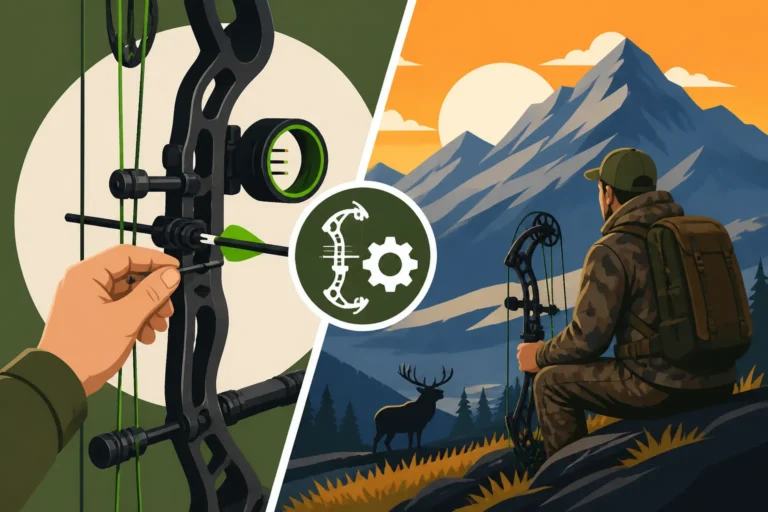
Here's how you do it: Attach the bow scale to your D-loop or bowstring, and slowly draw the bow back as if you were shooting, going all the way to your full draw length. The scale will record the peak weight achieved during that draw cycle. Make sure to pull smoothly, mimicking your actual drawing motion. If you find your bow is below the 40-pound minimum, most modern compound bows allow for draw weight adjustments by turning the limb bolts. Make small, even adjustments to both top and bottom limb bolts, then re-measure. Remember, increasing your draw weight will require more physical effort, so ensure you can still comfortably and accurately shoot at the new poundage. An improperly adjusted bow can lead to poor accuracy, which defeats the purpose of increasing draw weight for ethical reasons.
Simple Checks for Recurves and Longbows
Measuring the draw weight of a traditional recurve or longbow is generally more straightforward, as these bows don't have the mechanical let-off of compounds. The draw weight of a recurve or longbow is typically measured at a standard 28-inch draw length. However, if your personal draw length is different, the actual force you're exerting and the energy the bow stores will also differ. For example, a bow rated at 40 pounds at 28 inches will effectively pull less than 40 pounds if your draw length is shorter than 28 inches, and more if it's longer.
To accurately check your recurve or longbow, you'll still need a bow scale. Hook the scale to the string, and draw the bow back to your personal anchor point and draw length. The reading on the scale at that point is your effective draw weight. It's crucial that this measurement is 40 pounds or more for hunting deer, antelope, or bighorn sheep in Wyoming. If it's too low, you might need to consider heavier limbs for your recurve or a different longbow entirely. Unlike compounds, traditional bows offer fewer on-the-fly adjustments for draw weight, making the initial selection of the bow even more critical. Always consult with a reputable archery pro shop to ensure your traditional setup is not only legal but also properly matched to your shooting style and physical capabilities.
| Species | Minimum Draw Weight (Vertical Bows) | Minimum Draw Weight (Crossbows) | Minimum Broadhead Diameter |
|---|---|---|---|
| Deer | 40 pounds | 90 pounds | 7/8 inch |
| Antelope | 40 pounds | 90 pounds | 7/8 inch |
| Bighorn Sheep | 40 pounds | 90 pounds | 7/8 inch |
| Elk and Moose | 50 pounds | 90 pounds | 7/8 inch |
Note: This table summarizes key draw weight and broadhead minimums for various big game species in Wyoming. Always consult the most current Wyoming Game and Fish regulations.
Building Strength and Skill Beyond the Legal Minimum
Meeting the 40-pound minimum for deer, antelope, and sheep in Wyoming is non-negotiable from a legal and ethical standpoint. But simply meeting the minimum isn't the same as mastering it. True success in the field, and confidence in your shot, comes from being able to comfortably and consistently draw and shoot your bow, even under pressure. This goes beyond just cranking up your limb bolts; it involves dedicated physical conditioning and intelligent practice routines.
Developing the Physical Stamina for Consistent Accuracy
Drawing a bow repeatedly, especially when you're cold, tired, or have an animal in front of you, requires specific muscles and stamina. If you're barely able to pull 40 pounds in your living room, you're going to struggle mightily in a real hunting scenario. The key is to build strength and endurance beyond the minimum so that drawing your bow feels natural and effortless, allowing you to focus purely on shot execution. This isn't about becoming a bodybuilder; it's about targeted exercise.
Focus on exercises that strengthen your back, shoulders, and core. Rowing exercises, resistance band pulls, and even just repeatedly drawing your bow (safely and without dry firing!) are excellent ways to build this specific muscle memory and strength. Consistency is more important than intensity. Short, frequent sessions are often more beneficial than one grueling workout a week. The goal is to reach a point where you can comfortably hold your bow at full draw for an extended period, which is invaluable when waiting for an animal to turn or clear an obstruction. Remember, a fatigued hunter is an inaccurate hunter, and accuracy is paramount. Building this physical resilience means you can concentrate on How Close a Bowhunter Really Needs to Get for that perfect shot opportunity.
Effective Practice Routines for Big Game Success
Once you've got the physical strength dialed in, it's all about practice, practice, practice. And not just shooting at a target in your backyard at 20 yards. For Wyoming hunting, where opportunities can be few and far between, your practice needs to reflect the real-world challenges you'll face. This means varying your distances, shooting from different positions, and simulating the conditions of a hunt.
Start by consistently hitting the bullseye at 20, 30, and 40 yards. Then, push your comfort zone, gradually extending your range while maintaining accuracy. Practice shooting from kneeling, sitting, and even awkward stances that mimic real-world hunting scenarios. If you plan to hunt from a ground blind, practice from inside it. If you anticipate hiking at altitude, practice shooting after a brisk walk to elevate your heart rate. The wind is a constant factor in Wyoming, so shooting on breezy days is also invaluable. Consider incorporating practice with your hunting broadheads, not just field points, to ensure your bow is perfectly tuned for game animals. Many archers find it beneficial to use apps or online resources like those from GoHunt to track their progress and identify areas for improvement in their shooting form and consistency. The more realistic your practice, the more confident you'll be when that trophy buck or antelope steps out.
Distinguishing Archery Rules: Vertical Bows vs. Crossbows
Wyoming's archery regulations can sometimes feel like a labyrinth, especially with different rules for various weapon types. While this guide primarily focuses on vertical bows (compound, recurve, longbow) and their 40-pound minimum for deer, antelope, and sheep, it's essential to understand that crossbows operate under a distinct set of rules. Misinterpreting these differences could lead to a severe violation, so let's clarify.
Key Differences in Draw Weight Regulations
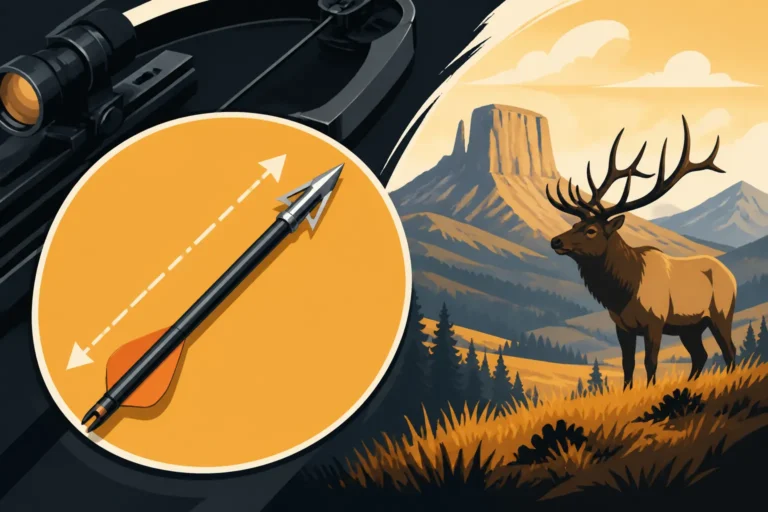
The 40-pound minimum draw weight we've been discussing applies only to vertical bows. For those considering a crossbow, Wyoming has a different and generally higher draw weight requirement. A crossbow used for hunting big game in Wyoming must have a peak draw weight of at least 90 pounds. This is a significant jump from the 40 pounds for vertical bows, reflecting the different mechanics and power delivery of a crossbow. It's a common area of confusion for new hunters or those transitioning between bow types.
Furthermore, crossbows also have a minimum bolt length requirement of 16 inches. These separate regulations for crossbows acknowledge that they are designed differently, often store more energy, and are inherently different to shoot than vertical bows. So, if you're planning to hunt deer, antelope, or sheep with a crossbow, you're looking at a 90-pound minimum draw weight and a 16-inch minimum bolt length. It’s always best to check the current regulations, but this 90/16 rule for crossbows remains consistent. This distinction is crucial, and helps ensure that all archery equipment, regardless of type, delivers an ethical punch. For a deeper dive into these specifics, you might want to read up on Crossbow Peak Draw Weight and Bolt Length in Wyoming.
Broadhead Rules and Other Archery Season Specifics
While draw weight rules differ, broadhead regulations are largely consistent across both vertical bows and crossbows. For any big game in Wyoming, your broadhead must have a minimum cutting width of 7/8 inch. This means that when the broadhead enters the animal, it must create a wound channel that is at least 7/8 of an inch wide. This rule is often tested with a "7/8-inch ring test" at check stations, ensuring compliance. Broadheads must also have at least two cutting edges.
It's important to remember that during archery-only seasons, only archery equipment (vertical bows or legal crossbows) may be used. This means no firearms, no muzzleloaders, and no exceptions unless you have a specific disability permit allowing a crossbow outside of the regular archery season or in areas typically restricted. Understanding these distinctions is crucial for a lawful and enjoyable hunt. For those curious about the nuances of choosing the right cutting tool for their arrows, our guide on Fixed and Expandable Heads Under Wyoming Rules offers additional insights. Always carry a copy of the current Wyoming hunting regulations with you in the field, as rules can sometimes be updated. Staying informed is your best defense against accidental violations and ensures a successful and ethical hunting experience.
Disclaimer
Please remember that hunting regulations can change. While this guide provides comprehensive information based on current knowledge, it is your responsibility to verify all rules and regulations with the official Wyoming Game and Fish Department before engaging in any hunting activities. This content is for informational purposes only and should not be considered legal advice.