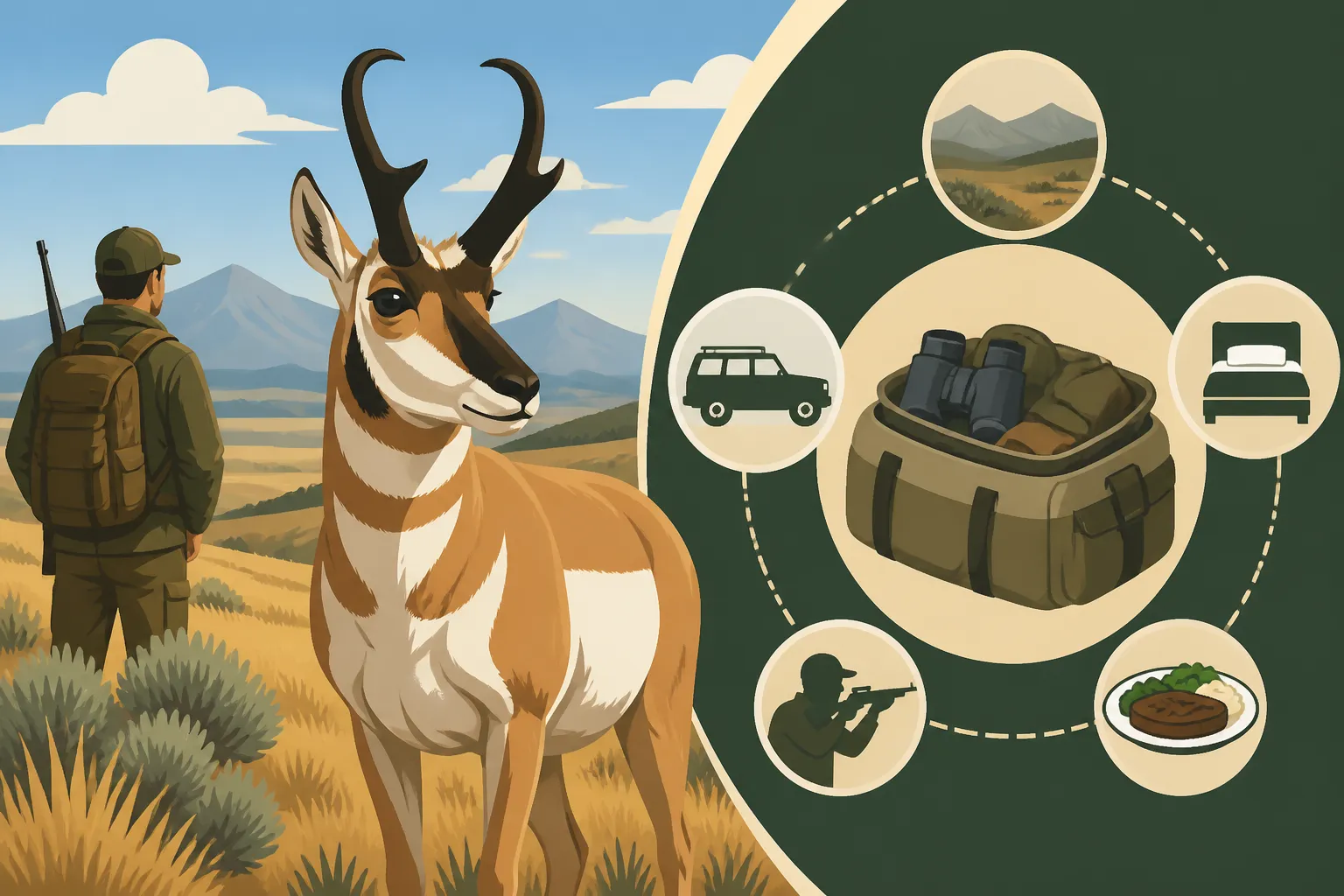
How Antelope Hunt Packages Are Usually Priced
Trying to figure out what a Wyoming antelope hunt package actually costs can feel like you're staring at a mirage out on the open prairie – it looks like something, but when you get closer, it shifts. Many hunters dream of chasing these speed goats across the sagebrush, but the financial side can be a real head-scratcher. This guide aims to pull back the curtain on how antelope hunt packages are usually priced, helping you understand the factors at play so you can plan your adventure with confidence.
Understanding the Core Variables That Influence Antelope Hunt Costs
The price tag on an antelope hunt in Wyoming isn't just a random number an outfitter pulls out of a hat. Instead, it's a careful calculation based on several key factors. Thinking about these variables will help you understand why some packages seem like a steal and others require a second mortgage. It really comes down to what level of service and access you're looking for, and how long you plan to be in the field.
The Impact of Hunt Type: Fully Guided vs. Semi-Guided vs. Drop Camp
When you start looking at Wyoming antelope hunts, you'll quickly notice different "types" of experiences offered. These types dictate the level of service and support you receive, and naturally, they heavily influence the price.
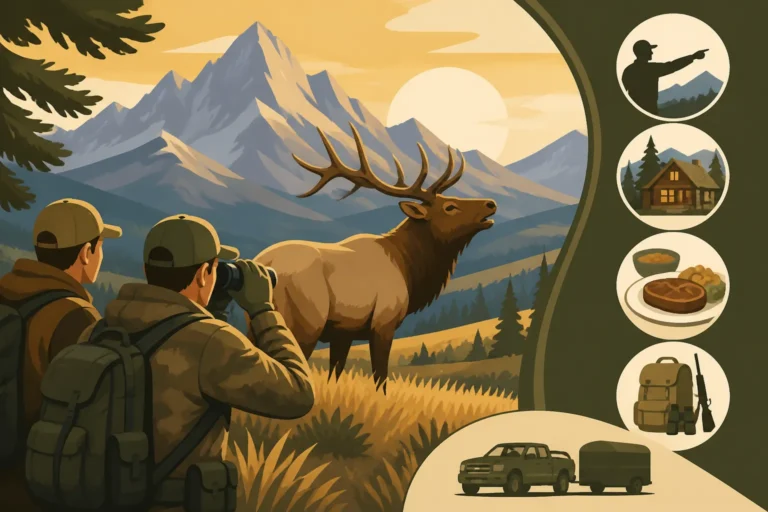
A fully guided hunt is typically the most expensive option, and for good reason. With this type of package, an experienced guide is with you every step of the way, from sunrise to sunset. They'll handle the scouting, spot and stalk, field dressing, and often the transportation to and from prime hunting areas. You might be staying in a comfortable lodge or a well-appointed wall tent camp. The idea is that you focus entirely on the hunt, and they handle the logistics. This is a great choice for hunters new to the region, those who prefer not to worry about details, or anyone looking for a higher chance at a trophy animal. The outfitter often has extensive knowledge of specific properties and antelope habits, which can be invaluable.
Semi-guided hunts fall in the middle of the price spectrum. Here, the outfitter provides some level of support, but you're expected to do more of the legwork yourself. This might mean they provide maps, suggest areas to hunt, help with game retrieval, or offer a camp with basic amenities, but you're driving yourself to spots and doing your own spotting. It's a fantastic option for hunters who want some local expertise and support, but also enjoy the challenge and independence of a DIY hunt. You save some money by taking on more responsibility, but still benefit from the outfitter's general knowledge of the area.
Finally, drop camps are generally the most budget-friendly option when you're involving an outfitter. With a drop camp, the outfitter packs you and your gear into a remote location, often on horseback or by ATV, sets up a basic camp, and then leaves you to hunt on your own. They'll return at a pre-arranged time to pack out your harvest and bring you back to civilization. This option provides access to otherwise difficult-to-reach areas and removes the burden of packing in heavy gear, but all the actual hunting, cooking, and camp chores are on you. It's a rugged experience perfect for seasoned hunters who want to explore remote public lands without the hassle of a full backpacking trip. Consider what a Wyoming Drop Camp Hunt Costs and if it aligns with your hunting style.
Duration of the Hunt and Group Size
It stands to reason that the longer you plan to hunt, the more a package will cost. Most antelope hunts are typically structured around 2 to 4 days of actual hunting, not including travel days. Outfitters have expenses for every day they are in the field: guide wages, vehicle fuel, food, and lodging costs all add up. A 5-day hunt will naturally be priced higher than a 3-day hunt because of these extended operational costs.
Group size also plays a significant role. Many outfitters operate on a 1×1 (one hunter per guide) or 2×1 (two hunters per guide) basis. A 1×1 hunt offers a highly personalized experience, with the guide dedicating all their attention to a single hunter. This individualized service means higher costs. A 2×1 hunt is often more economical, as the outfitter can split the guide's wages and overhead between two clients, making it a popular choice for hunting partners or friends. Some outfitters might offer 3×1 options or larger group discounts, which can reduce the per-hunter cost even further, though the attention you receive might be less focused. Understanding the Guide to Hunter Ratio Limits on a Trip can help you evaluate what you're getting for your money.
Private Land Access vs. Public Land Hunts
Wyoming is famous for its vast public lands, but much of the best antelope habitat can also be found on private ranches. The type of land you hunt on significantly impacts the package price.
Public land hunts are often more affordable. Outfitters who specialize in public land access utilize areas managed by the Bureau of Land Management (BLM) or National Forests. While these lands offer incredible opportunities, they can also be more pressured, require more aggressive scouting, and involve more physical exertion to get away from roads. The outfitter's value here often comes from their extensive knowledge of these large, complex areas and their ability to navigate regulations like those found in Wyoming Hunt Areas That Limit Your Weapon Choice.
Private land hunts typically command a higher price. Why? Because access to prime private land with healthy antelope populations is a valuable commodity. Outfitters often lease these hunting rights from ranchers, and those lease fees are passed on to the hunter. The benefits of private land can include less hunting pressure, larger average buck sizes, and often easier access to hunting grounds. Sometimes, an outfitter might offer Wyoming Landowner Tags Through Outfitters, which can provide exclusive access to certain areas, though these usually come at a premium. Hunters often seek out private land for a more controlled, less competitive experience, especially if they are looking for a specific class of animal.
What's Typically Included (and Not Included) in an Antelope Package
One of the biggest sources of confusion when booking a hunt is figuring out exactly what your hard-earned money covers. Outfitters will list inclusions, but it's the exclusions that often surprise first-time hunters. Being clear on these details before you book is crucial to avoid unexpected costs.
Standard Inclusions: Guide Services, Lodging, Meals
For a typical fully guided or semi-guided antelope package, you can generally expect a few core services to be part of the advertised price.
Guide services are paramount. This is the expertise you're paying for – someone who knows the terrain, understands antelope behavior, can help you judge animals, and is there to assist with the stalk and retrieval. On a fully guided hunt, this means a guide dedicated to your success, helping with everything from spotting bucks to field dressing. For semi-guided, it might mean daily check-ins, advice on areas, and assistance with heavy lifting after a successful harvest.
Lodging will vary wildly but is usually included in the package price. This could range from a rustic but comfortable wall tent camp with cots and heaters, to a well-appointed ranch house with private rooms and hot showers. The quality and type of lodging directly correlate with the overall cost of the hunt. Be sure to ask about the specific lodging arrangements, including amenities like electricity, Wi-Fi, and private bathrooms.
Meals are also typically part of a guided package. You can expect hearty, camp-style meals designed to fuel you for long days in the field. This might include breakfast and dinner at camp, with a packed lunch for your daily hunt. Again, the quality and variety of food will vary between outfitters. Some might offer gourmet meals, while others provide more basic, filling fare. If you have dietary restrictions, it's vital to discuss these with the outfitter well in advance to ensure they can accommodate your needs.
Common Exclusions and Hidden Costs
This is where many hunters get tripped up, thinking the advertised package price is the final price. It almost never is. There are several significant expenses that are almost universally not included in the base package price. Understanding What Outfitter Prices Almost Never Include can save you from a nasty surprise.
First and foremost are licenses and tags. In Wyoming, your hunting license and specific antelope tag (which you must draw or purchase) are separate costs and are never included in an outfitter's package price. For non-residents, these can be substantial. You'll need to research Wyoming Nonresident Antelope Tag Price Explained and factor that into your total budget. Additionally, you'll need a Wyoming Conservation Stamp, which is another separate purchase. Applying for these tags often requires careful planning, and resources like GoHunt can be invaluable for understanding draw odds and application strategies.
Travel expenses to and from the hunting area are also your responsibility. This includes flights, rental cars, and fuel if you're driving. Many hunters overlook the cost of getting themselves and their gear to Wyoming.
Once you harvest an animal, there are costs associated with meat processing and taxidermy. While an outfitter will typically field dress your antelope and get it back to camp, anything beyond that – professional butchering, caping, salting, freezing, or shipping of meat and trophies – is usually an additional charge. If you plan to mount your buck, be prepared for significant taxidermy fees.
Lastly, and very importantly, are tips for your guide and camp staff. Tipping is customary in the hunting industry and is a way to show appreciation for hard work and good service. These aren't minor expenses; a typical tip can be a notable percentage of the hunt cost. Knowing How Much to Tip a Hunting Guide beforehand is crucial for budgeting.
How Trophy Fees Factor Into Pricing
While less common for antelope compared to species like elk or bighorn sheep, some outfitters, particularly those on private ranches with exceptional genetics, might incorporate trophy fees into their pricing structure. A trophy fee is an additional charge paid to the outfitter if a hunter harvests an animal that meets or exceeds a certain size or score threshold.
The idea behind trophy fees is to compensate the landowner or outfitter for the time and resources invested in managing for higher-quality animals. For antelope, this might be tied to horn length or overall Boone & Crockett score. It's vital to clarify with your outfitter if any trophy fees apply, what the exact scoring criteria are, and what the fee would be. Sometimes, a hunt might be advertised at a lower base price, with the understanding that a significant trophy fee could be added if you take a top-end buck. Always ask for these details in writing before you commit. Understanding How Outfitter Trophy Fees Actually Work is essential to prevent surprises.
Pricing Structures and How to Navigate Them
Outfitters use different models to present their pricing, and it's up to you, the hunter, to dig into the details. Don't be shy about asking for a full breakdown; a reputable outfitter will be transparent. Knowing how to read between the lines can save you money and ensure you get the experience you expect.
Base Price Plus Add-Ons
Many antelope hunt packages are structured with a base price that covers the core services mentioned above – guide, lodging, and meals for a certain number of days. Then, various services are offered as add-ons. This allows for a degree of customization, but it also means the final bill can quickly escalate if you're not careful.
Common add-ons might include:
- Extra hunting days beyond the standard package.
- Transportation from a local airport.
- Assistance with meat processing or caping for taxidermy.
- The use of specific equipment, like high-end spotting scopes or rangefinders (though most guides will provide these).
- Non-hunting companions: If you bring a spouse or friend who isn't hunting, there might be a daily fee for their lodging and meals.
It's important to get a clear list of all potential add-ons and their costs. Sometimes, what seems like a great base price can become quite expensive once all the necessary services are factored in. This is where platforms like BookYourHunt can be helpful, as many outfitters list detailed inclusions and exclusions on their profiles, making it easier to compare apples to apples.
All-Inclusive Packages: Are They Worth It?
The term "all-inclusive" sounds wonderfully simple, promising that one price covers everything. However, for hunting trips, this term rarely means everything. An all-inclusive package for an antelope hunt typically means that the guide service, lodging, meals, and perhaps basic field dressing and caping are covered. It almost never includes your actual hunting license and tags, travel to Wyoming, meat processing beyond basic field care, or tips.
So, are they worth it? Often, yes, if the definition of "all-inclusive" lines up with what you value. The primary benefit is reduced stress and fewer financial surprises during the hunt. You pay a higher upfront cost, but you know that most of your on-site expenses are covered. This can be particularly appealing to non-resident hunters who are less familiar with the logistics of hunting in Wyoming. Just be sure to ask for an explicit list of everything included and, more importantly, everything not included, before booking. Compare what one outfitter considers "all-inclusive" to another to ensure you're making an informed decision.
Leveraging Draw Odds and Preference Points for Antelope
A significant part of the overall cost and planning for a Wyoming antelope hunt involves actually securing a tag. Unlike some states, Wyoming's antelope tags are generally acquired through a draw system, often requiring preference points, especially for prime units.
The cost of a preference point, while not part of the outfitter's package, is a real expense in your hunting budget. Wyoming Antelope Preference Point Price Explained will give you an idea of this upfront investment. If you're a non-resident, building points often becomes a strategic decision, allowing you to eventually draw a tag in a unit known for larger bucks or easier access, which might also be where premier outfitters operate.
Resources like GoHunt are invaluable here. They provide detailed draw odds, application strategies, and unit breakdowns that can help you decide where to apply and how many points you might need. Understanding Wyoming Antelope Odds With Zero Preference Points can guide your expectations for drawing a tag in desirable areas. If you're targeting specific units that require many points, you'll need to budget for those point purchases over several years. This long-term planning is just as critical as budgeting for the outfitter's fee.
Some outfitters even work with their clients to advise them on which units to apply for, based on their point totals and hunting goals. This can be a huge benefit, as drawing a tag is the first, crucial step to any antelope hunt in Wyoming. For hunters on a tighter budget, exploring Wyoming's Reduced-Price Antlerless Options might also open doors to more accessible hunts, though these are focused on meat rather than trophies.
Finding and Vetting Antelope Outfitters in Wyoming
Once you have a handle on the pricing components, the next step is finding a reputable outfitter. This is a critical decision, as a good outfitter can make or break your hunt. With so many options, knowing where to start and what to look for is essential.
Resources for Researching Outfitters
The digital age has made researching outfitters much easier, but it also requires careful discernment. Here are some of the best places to start your search:
Online Outfitter Directories: Websites like BookYourHunt are excellent starting points. They aggregate numerous outfitters, often with photos, pricing ranges, and client reviews. This allows you to browse multiple options in one place and get an initial feel for what's available. Just remember to always verify information directly with the outfitter.
Wyoming Game & Fish Department Website: The official state wildlife agency often maintains a list of licensed outfitters or can direct you to the state's Board of Outfitters. While they won't endorse specific businesses, confirming an outfitter is properly licensed is a non-negotiable first step. Their site also provides valuable information on hunt areas and regulations, like how to Read a Wyoming Hunt Area Number.
Hunting Forums and Social Media Groups: Online communities dedicated to Western hunting can be a treasure trove of real-world experiences and recommendations. Search for threads on Wyoming antelope hunts, and you'll find discussions about various outfitters. Be aware that not all advice is equal, but it can give you a feel for general reputations.
Hunting Shows and Expos: Attending a hunting show is a great way to meet outfitters face-to-face. You can ask questions, get a feel for their personality, and often see photos and videos of their operations. This personal interaction can be invaluable.
Key Questions to Ask Before Booking
Once you've narrowed down a few potential outfitters, it's time to get specific. Don't be afraid to ask detailed questions. A professional outfitter will appreciate your thoroughness. Here are some critical inquiries, including many that focus on the financial aspect:
- What exactly is included in the base price? Get a detailed list.
- What is NOT included? Get a detailed list of all exclusions, including license/tag costs, meat processing, taxidermy, and tips.
- Are there any potential trophy fees? If so, what are the criteria and costs?
- What are your current success rates for antelope, and what factors influence them (e.g., weather, hunter skill)?
- What is your guide-to-hunter ratio for my specific hunt?
- What type of lodging and meals can I expect? Ask for photos if not provided.
- Can you provide references from past clients, specifically for antelope hunts? Contacting references is critical.
- What is your deposit policy, payment schedule, and cancellation/refund policy? Understand Typical Deposit Amounts Wyoming Outfitters Ask and Whether You Get a Refund If You Fail to Draw.
- What gear do I need to bring, and what does the outfitter provide? A detailed gear list is helpful.
- What is the typical terrain like, and what level of physical conditioning is required?
These questions, and many more like them, are essential to ensure you fully understand the experience and the costs involved. The article Questions Worth Asking Before You Book provides an even more extensive list.
Red Flags to Watch Out For
While most outfitters are legitimate and hardworking professionals, there are always a few bad apples. Being aware of red flags can help you avoid a negative experience and protect your investment.
- Vague or Evasive Pricing: If an outfitter is unwilling to provide a clear, itemized breakdown of costs, or hedges around direct questions about inclusions and exclusions, that's a major warning sign. Transparency is key.
- No or Poor References: Any reputable outfitter should be able to provide multiple recent references. If they can't, or the references you contact offer lukewarm reviews, proceed with caution.
- Unlicensed Operation: Always verify an outfitter's license with the Wyoming Board of Outfitters. Operating without a proper license is illegal and means they likely aren't bonded or insured, leaving you vulnerable. Vetting a Wyoming Outfitter Before You Send a Deposit delves deeper into this.
- Pressure to Book Immediately: While popular hunts do fill up, excessive pressure to pay a deposit without ample time for research is concerning. Reputable outfitters understand that this is a significant investment.
- Unrealistic Promises: If an outfitter guarantees a Boone & Crockett buck or promises a 100% success rate, be very wary. Hunting involves many variables, and no ethical outfitter can guarantee a specific outcome.
By asking the right questions, checking references, and trusting your gut, you can find a quality outfitter who will help you have a memorable and successful Wyoming antelope hunt.
Disclaimer
This article is for general informational purposes only and does not constitute professional advice. Laws, prices and regulations vary by location and change over time. Consult a qualified professional for guidance on your specific situation.