Drop Camps: Packed In and Left to Hunt
Oh, the romantic notion of a Wyoming drop camp! It conjures images of pristine wilderness, towering peaks, and the quiet satisfaction of a truly self-reliant hunt. But let's be real for a moment. While the idea of being packed deep into the backcountry with nothing but your wits and gear sounds incredible, the reality of a drop camp hunt involves a significant amount of planning, preparation, and a willingness to embrace the wild on its own terms. This guide is all about peeling back the layers on drop camps in Wyoming, offering you an honest look at what they are, what they demand, and how you can prepare for an unforgettable adventure where you're truly "packed in and left to hunt."
Understanding the Allure of a Wyoming Drop Camp
For many hunters, a drop camp represents the ultimate balance: access to remote, hard-to-reach areas without the full cost or prescriptive schedule of a completely guided hunt, yet with the invaluable assistance of an outfitter to get you there. It’s a chance to immerse yourself in the vastness of Wyoming's wilderness, relying on your own skills and decisions. But what exactly draws someone to this particular style of hunting?
The Call of Solitude: Why Hunters Choose Drop Camps
There's something deeply appealing about escaping the crowds, isn't there? Public land hunting, especially in popular areas, can sometimes feel more like a competition than a communion with nature. A drop camp offers a profound sense of solitude, placing you and your hunting partners in a remote location far from roads and day hunters. You're deep in the animals' natural habitat, often in areas that would be almost impossible to reach with a full camp and gear on your own two feet. This isolation forces you to become more attuned to your surroundings, to the subtle shifts in wind, the faint sounds of distant elk, and the tracks left on a barely-there trail. It's an opportunity to truly disconnect from the daily grind and reconnect with the primal rhythms of the hunt, just you and the wilderness.
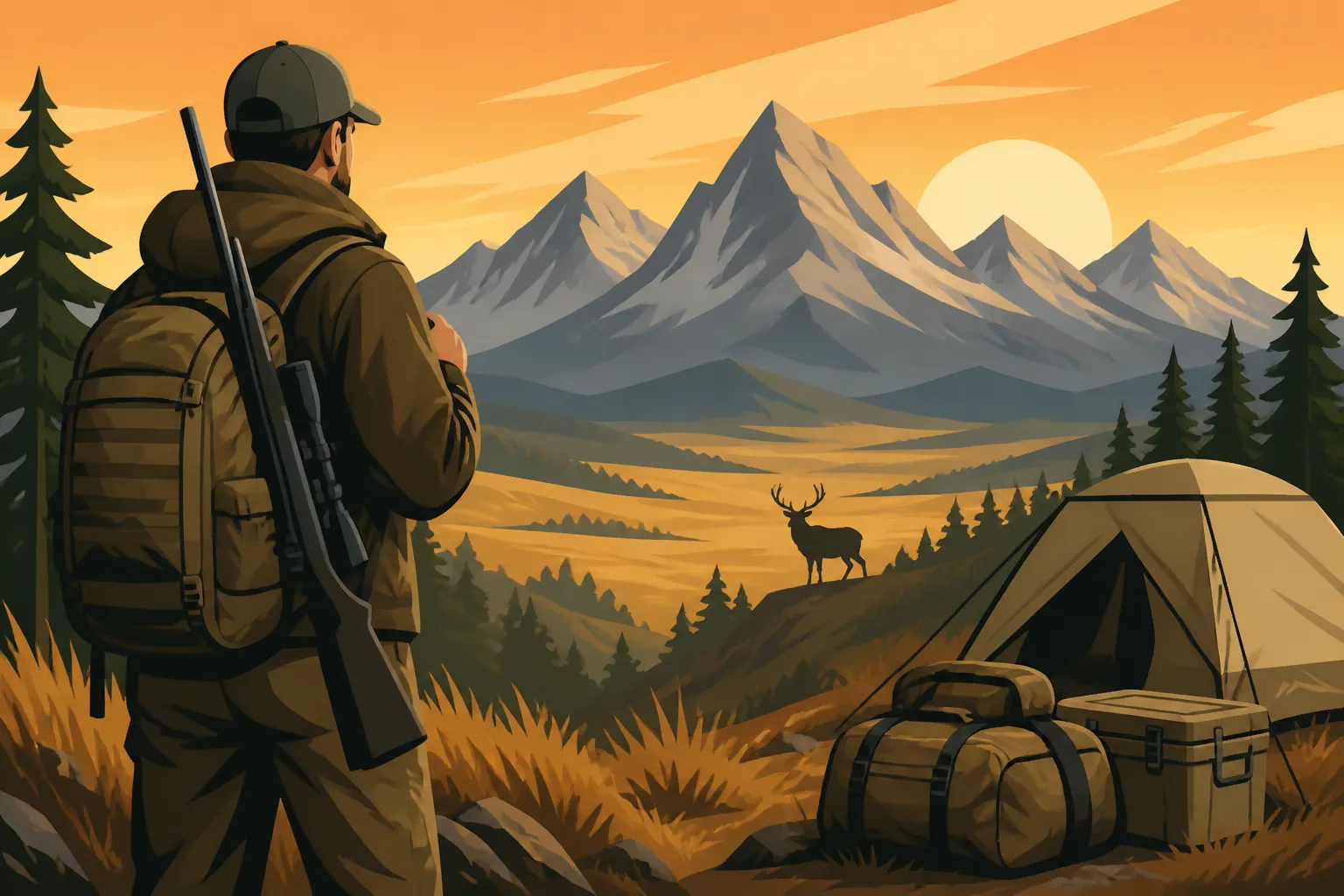
Imagine waking up to crisp mountain air, a silent sentinel of pines surrounding your tent, and the knowledge that for miles in every direction, it’s just you, your hunting partners, and the wild game. This is the essence of what draws many to drop camps. It's about earning your hunt, not just taking it, and the quiet pride that comes from navigating challenges and making decisions far from any easy bailout. It's a wilderness experience that few get to truly embrace, offering stories and memories that last a lifetime, often centered around that deep sense of personal accomplishment.
Bridging the Gap: More Than DIY, Less Than Fully Guided
Think of a drop camp as a middle ground, a sweet spot for hunters who crave independence but recognize the logistical hurdles of a full-blown do-it-yourself (DIY) backcountry expedition. On one end of the spectrum, you have the full DIY hunt: packing everything on your back, navigating unknown terrain, and shouldering all the risk and reward. On the other end, a fully guided hunt provides an outfitter, guides, horses, food, and often an established camp, taking care of virtually every detail. A drop camp sits squarely in between. Your outfitter handles the heavy lifting – literally. They pack you and your gear into a pre-arranged camp location, usually via horseback or mule train, establish a basic camp, and then leave you to hunt on your own.
This unique setup means you're responsible for your own cooking, navigation, game retrieval, and daily hunting strategies, giving you the freedom to hunt your way, on your schedule. However, you benefit from the outfitter's intimate knowledge of the area to get you to a promising spot, and you avoid the back-breaking effort of hauling a full camp several miles into the wilderness yourself. It's ideal for those who have solid hunting and wilderness skills but might not own pack animals, or simply prefer to conserve their energy for the hunt itself rather than the journey in. It’s a way to access those remote pockets of public land that hold less pressured game, without needing to become a professional packer yourself.
Ideal Hunter Profiles for a Drop Camp Experience
So, who thrives in a drop camp setting? It's not for everyone, and honestly, that's part of its charm. Generally, the ideal drop camp hunter is experienced, self-sufficient, and enjoys problem-solving. You should be comfortable with navigation, proficient with basic survival skills, and prepared for whatever Mother Nature throws your way. Physical fitness is paramount, as you'll be hunting rugged terrain, often at high altitudes, far from any easy access. This isn't a hunt for beginners looking for their first backcountry experience, nor is it for those who prefer luxurious amenities at the end of a long day.
Groups often consist of two to four hunters who know each other well and can work as a cohesive team. Trust and clear communication are vital when you're days away from help. You'll need to share responsibilities, make decisions collectively, and support each other through the inevitable challenges that arise. Hunters with prior backcountry experience, even if it's just extensive backpacking, tend to adapt best. If you've spent nights under the stars, cooked over a camp stove, and are comfortable reading a map and compass (and backing that up with GPS on your phone using an app like onX), you're likely a good candidate. Conversely, if you rely heavily on others for planning or comfort, or have limited wilderness experience, a fully guided hunt might be a more suitable first step into Wyoming's vast hunting opportunities.
What a Wyoming Drop Camp Entails
When you book a drop camp, you're essentially contracting for transportation and a pre-set base camp in a remote location. The specifics can vary from outfitter to outfitter, but there are some common inclusions and, crucially, things you'll absolutely need to provide for yourself. Understanding this breakdown is key to avoiding surprises and ensuring a successful, enjoyable hunt.
Essential Inclusions: What Your Outfitter Provides
Typically, a Wyoming outfitter providing a drop camp service will supply the means of transport – usually horses or mules – to get you, your gear, and your food into the designated camp spot. The camp itself will often include robust wall tents, complete with wood-burning stoves for heat, cots for sleeping, and sometimes a basic cooking area. Expect durable equipment designed to withstand mountain weather. They'll also often provide water containers, a latrine setup, and possibly a designated area for game processing, like a hanging pole. Some outfitters might include basic cooking utensils, an axe, or a shovel, but it's always best to clarify every single item on their list.
The outfitter's role is to get you safely in, set up with the essentials, and then return to pack you and your game out at a pre-arranged time. They'll drop off a cache of firewood and make sure your camp is weatherproof. This initial setup is invaluable; imagine trying to haul all of that in yourself! They choose camp locations based on their knowledge of the area, often near historical game travel routes, water sources, or good glassing points, giving you a strategic advantage right from the start. This allows you to focus on hunting from day one, rather than expending precious energy on establishing a comfortable base.
The Self-Reliance Factor: What You Bring to the Table
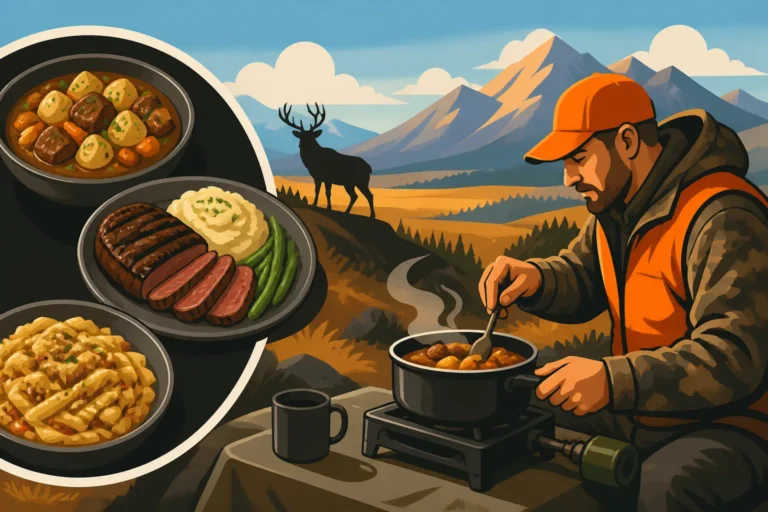
This is where the "drop camp" really comes into its own as a self-guided experience. While the outfitter gets you to the hunt, everything that happens during the hunt is on you. You're responsible for all your personal hunting gear, sleeping bags, food, cooking, and daily camp chores. This means planning every meal for your entire stay, packing non-perishable items, and considering how you'll cook without electricity. You’ll be the camp chef, the camp cleaner, and the camp maintainer. Beyond the daily necessities, you're also fully in charge of your hunting strategy, navigation, and, crucially, game recovery and processing.
If you down an elk, it’s up to you and your partners to quarter it, pack it back to camp, and preserve the meat. This requires specific gear like game bags, knives, and potentially a pack frame or strong backpacks for hauling. You'll be making all the decisions: where to hunt each day, when to call, when to sit, and how to approach game. This level of autonomy is what many drop camp hunters seek, but it comes with a high degree of responsibility and the need for a comprehensive personal gear list. Don't underestimate the demands of being truly self-reliant in a remote wilderness setting; every piece of equipment, every meal, and every decision rests on your shoulders.
Setting Expectations: Facilities and Comfort Levels
When envisioning a drop camp, ditch any thoughts of glamping. These are functional, robust camps designed for practicality and survival in harsh conditions, not luxury. While you'll have a sturdy canvas wall tent with a stove, the "facilities" are typically rudimentary. Think cots, not beds. A pit latrine, not a flushing toilet. Water might be sourced from a nearby stream and filtered, or packed in by your outfitter in large containers. Cooking will be done over the wood stove or on a propane camp stove you bring. The goal is a warm, dry, and secure base camp, not a resort.
The comfort level is directly proportional to your planning and gear. A good sleeping bag rated for colder temperatures than you expect, comfortable camp shoes, and smart layering systems will make a huge difference. Dispersed Camping on Wyoming BLM Ground offers insight into the bare-bones nature of backcountry living, and a drop camp is often a step up from that, but not by much. You'll be living simply, immersed in the elements. Embrace the simplicity; it's part of the authentic wilderness experience. The true luxury of a drop camp isn't in its amenities, but in the access it provides to incredible hunting opportunities and the profound sense of accomplishment you'll feel living independently in the wilds of Wyoming.
Navigating the Logistics of Your Drop Camp Adventure
Successfully executing a drop camp hunt hinges on meticulous planning and clear communication with your outfitter. It's not just about showing up with your rifle; it's about orchestrating your arrival, packing effectively, and understanding the rhythm of a remote expedition.
Transportation Methods: Horseback, Mule Train, or ATV Access
The primary method of getting into a drop camp is typically via pack animals. For many, the horseback ride into camp is an integral part of the adventure, offering stunning views and a gradual immersion into the wilderness. Outfitters use seasoned horses or mules that are accustomed to carrying riders and heavy loads. You'll ride your own horse, and a string of pack mules will carry your gear, food, and the camp equipment. The journey can range from a few hours to a full day, depending on the remoteness of the camp location. This is not a leisurely trail ride; expect rugged terrain, creek crossings, and steep inclines. Wilderness Pack Trips Built for Hunters provides a deeper look into this aspect of guided trips, which applies to drop camps as well.
In some specific, non-wilderness areas, outfitters might utilize ATVs or other off-road vehicles for access, particularly if the terrain allows for it and the distance isn't extreme. However, this is less common for truly remote drop camps, as many of the best locations are deep within designated wilderness areas where motorized travel is strictly prohibited. You’ll need to confirm the mode of transport with your outfitter and be honest about your riding experience. Even if you're not an expert rider, the outfitter's horses are typically gentle, but you should still be physically prepared for several hours in the saddle. It’s important to clarify the specifics of your entry and exit points, as well as any rendezvous times, well in advance.
The Packing List: Gear for You and for Camp
This is perhaps the most critical logistical challenge for a drop camp hunter. You are responsible for packing everything you will need for your time in camp, from your toothbrush to your broadheads. The outfitter will provide weight limits per person and per pack animal, and adhering to these is non-negotiable for the safety of the animals and the success of the pack-in. Your packing list needs to be comprehensive, but also minimalist and efficient.
Consider packing your personal gear into waterproof duffel bags or specialized soft-sided panniers that can easily be loaded onto pack animals. Food should be meticulously planned, proportioned, and packed into durable containers that can withstand the journey and be bear-proofed in camp. Think dehydrated meals, robust snacks, and items that don't require refrigeration. Don't forget crucial items like a first-aid kit, water filtration system, navigation tools (GPS, map, compass), headlamps, fire starters, and plenty of extra layers of clothing. The Gear List Your Outfitter Will Send is a great resource, as most outfitters will provide a detailed list specific to their operations and the expected conditions. Remember, you can't just run to the store if you forget something!
Here’s a simplified table comparing essential personal vs. camp items:
| Category | Outfitter Provides (Camp Essentials) | Hunter Provides (Personal & Consumables) |
|---|---|---|
| Shelter/Sleep | Wall tent, wood stove, cots | Sleeping bag (appropriate temp rating), sleeping pad, pillow |
| Cooking | Large water containers, sometimes basic utensils, axe, shovel | All food & drinks, cooking stove (propane), fuel, pots, pans, plates, cutlery, coffee pot, dish soap, sponge, trash bags |
| Personal Gear | Latrine setup | Hunting clothing (layers), boots, rain gear, personal hygiene, flashlight/headlamp, extra batteries, knife, multi-tool |
| Hunting Gear | Game pole (sometimes) | Weapon (bow/rifle), ammo/arrows, optics (bino, spotter), rangefinder, pack frame, game bags, scent control, calls, hunting license |
| Navigation | General area knowledge | Map, compass, GPS device, phone with mapping app (e.g., GoHunt's mapping features), portable charger |
| Safety/Emergency | First-aid kit, emergency shelter, fire starter, signaling device, satellite communication device (e.g., Garmin InReach), bear spray |
Scheduling and Communication with Your Outfitter
Before your hunt, establish clear communication channels and a precise schedule with your outfitter. This includes exact meeting times and locations for the pack-in, the estimated duration of the ride, and, most importantly, the agreed-upon date and time for them to return and pack you out. Any changes to this schedule, especially due to weather or unforeseen circumstances, need to be communicated clearly. Modern satellite communication devices are essential for drop camps. A satellite phone or a two-way satellite messenger (like a Garmin inReach or Zoleo) is not just a luxury, it's a safety imperative.
Confirm what kind of communication the outfitter expects while you are in camp. Will they check in periodically? Do they expect you to contact them only in an emergency? What's the protocol if you harvest an animal early and want to pack out sooner, or if you encounter severe weather and need assistance? Knowing these details upfront removes uncertainty and allows for a smoother, safer experience. Clear contracts and written agreements are vital for outlining these expectations and responsibilities.
Strategic Hunting from a Remote Base
Once you're settled into your drop camp, the real work—and the real fun—begins. This isn't a hunt where a guide points you to animals. It's all about your strategy, your effort, and your understanding of the terrain.
Scouting and Familiarization Around Your Camp
Your first day, or at least a significant portion of it, should be dedicated to familiarizing yourself with the immediate surroundings of your camp. Even if your outfitter placed you in a prime location, conditions change, and animals move. Get out there with your map, compass, and GPS and explore the drainages, ridges, and water sources within a reasonable hunting radius. Pay attention to wind patterns, potential escape routes for game, and vantage points for glassing. This isn't just for finding game; it's also crucial for developing a mental map for safe travel, especially when tracking an animal or returning to camp in the dark.
Look for fresh sign: tracks, scat, rubs, and active wallows if you're elk hunting. Note down any patterns you observe. Reading Fresh Elk Sign in Dark Timber and Reading Wind on an Open-Country Stalk are excellent resources to help you interpret what you're seeing and feeling in the field. Don't be afraid to put some miles on your boots the first day without carrying your weapon, just to learn the landscape. This initial reconnaissance is an investment that pays huge dividends over the course of your hunt, building confidence in your ability to navigate and hunt the area effectively.
Daily Hunt Planning and Execution
Every morning in a drop camp starts with a fresh hunting plan. Where will you go? What species are you targeting? What's the wind doing? Are there any thermals you need to consider? Discuss these questions with your hunting partners and make a concerted effort to stick to a plan, while remaining flexible enough to adapt to changing conditions. You might decide to split up and cover more ground, or hunt together for safety and assistance with game recovery. Effective communication within your group is paramount.
For elk, you might spend mornings listening for bugles, then stalking or calling if you hear activity. In the afternoons, Glassing Wyoming Basins Before You Take a Step is a tried and true method for locating animals before planning an evening stalk. Mule deer often prefer broken country, so systematic still-hunting through timber or glassing south-facing slopes can be productive. Remember that you are responsible for making safe, ethical shots and following all Wyoming game laws. Without a guide present, all decisions regarding shot opportunity and ethical harvest are yours.
Game Care and Retrieval Considerations
This is where the physical demands of a drop camp truly hit home. If you are successful, the work has only just begun. Unlike a guided hunt where your guide often handles or heavily assists with game retrieval, in a drop camp, it’s entirely up to you and your partners. This means quartering the animal, often far from camp, and packing every pound of meat out. You’ll need quality game bags to protect the meat from dirt and insects, sharp knives for field dressing and quartering, and a sturdy pack frame to haul heavy loads. Field Dressing and Carcass Transport Rules Explained is a must-read for understanding the legal requirements in Wyoming.
The distance from the kill site back to camp, and then from camp back to the outfitter's pick-up point, can be significant. This process is physically arduous, especially with large game like elk, and often requires multiple trips. Be prepared to spend a full day, or even more, on game recovery. Having a clear strategy for this before you even head out to hunt is crucial. Consider how you’ll keep the meat cool and clean, especially if temperatures are warm. The last thing you want is to waste hard-earned meat due to improper care. This demanding part of the hunt is also one of the most rewarding, reinforcing the deep satisfaction of truly earning your animal from start to finish.
Selecting the Perfect Drop Camp Outfitter
Choosing the right outfitter is paramount to the success and safety of your drop camp hunt. This isn't a decision to take lightly, as you're entrusting them with your entry and exit from potentially remote and challenging terrain.
Researching Reputable Outfitters
Start your research early, often a year or more in advance, especially for desirable units. Begin by looking for outfitters who specialize in drop camp services, as not all full-service outfitters offer this option. Online forums, hunting podcasts, and state game and fish department websites (which may list licensed outfitters) are good starting points. Websites like BookYourHunt and GoHunt often have directories and reviews that can help you find potential candidates and compare services. Focus on outfitters with a proven track record, especially those operating in the specific hunt area you are interested in.
Once you have a few names, dive deeper. Check their official licenses with the Wyoming Board of Outfitters and Professional Guides. This board regulates all outfitters in the state, ensuring they meet specific requirements for bonding and insurance. Verifying a Wyoming Outfitter's License Number explains how to do this. Don't just rely on pretty website photos; look for testimonials, references, and any public complaint history. A reputable outfitter will be transparent and happy to provide references from past drop camp clients. Speaking directly with these past clients can offer invaluable insights into what to expect from the outfitter's service, the camp setup, and the hunting opportunities in their areas.
Key Questions to Ask Before Booking
When you're interviewing potential outfitters, have a thorough list of questions ready. Don't be shy; this is your hunt, and your safety is on the line. Some crucial questions include:
- What is the exact location of the drop camp? Ask for map coordinates or specific details so you can research the terrain and public land access.
- What is included in the camp setup? Get a detailed list of tents, stoves, cots, cooking gear, and any other amenities.
- What are the weight limits for gear per hunter? Clarify any restrictions on weapon types or size of bags.
- What is the typical game encountered in the area? Ask about success rates for drop camp clients, and be realistic about these numbers.
- What is the communication plan for emergencies? Discuss satellite phone usage, emergency evacuation protocols, and contingency plans. How Outfitters Plan Emergency Evacuations delves into this critical aspect.
- What are the payment terms, deposit requirements, and cancellation policy? Understand what happens if you fail to draw a tag or if unforeseen circumstances force you to cancel. Deposits and Cancellation Terms is a must-read.
- How far is the camp from water? How is water typically handled (filtered, packed in, etc.)?
- What kind of game retrieval assistance is offered, if any, and at what cost? (Some outfitters might offer emergency retrieval for a fee, but generally, it's your responsibility.)
- Can they provide references from recent drop camp clients?
A good outfitter will patiently answer all your questions and provide detailed information, ensuring you have a clear understanding of the expectations and limitations.
Understanding Permits and Land Access
Wyoming's public lands are a mosaic of federal and state holdings. Most drop camps are located within National Forests or BLM (Bureau of Land Management) areas, often within designated wilderness boundaries. Outfitters who operate on public land are required to hold special use permits for those specific areas. It’s essential to confirm that your chosen outfitter has the appropriate permits for the land where your drop camp will be located. This ensures their operation is legal and that you are not trespassing or hunting in an unauthorized area.
In Wyoming's designated wilderness areas, nonresidents are often required to hire a licensed outfitter or guide, even for drop camp services. This is a crucial rule to understand, and your outfitter should be well-versed in these regulations. Wyoming's Wilderness Guide Law for Nonresidents explains this in detail. Furthermore, be aware of any private land interspersed with public land, especially in checkerboard patterns. While corner crossing is now legal in Wyoming under certain conditions, it's still vital to understand property boundaries. Your outfitter should be able to clarify all land access specifics for your hunt area.
Financials and Practicalities of Drop Camp Hunting
One of the big draws of a drop camp compared to a fully guided hunt is often the perceived cost savings. While it's true they are generally less expensive, a drop camp is still a significant investment, and understanding all the financial components is crucial for budgeting.
The Cost Structure of a Drop Camp
The price of a Wyoming drop camp typically includes the outfitter's service of packing you and your gear into a remote camp, setting up a basic camp (tents, stoves, cots), providing firewood, and packing you and your game back out at the end of your scheduled hunt. The "average cost" for a drop camp can vary widely based on the duration of the hunt, the remoteness of the camp, the quality of the outfitter, and the inclusions. Generally, drop camps are priced as a flat fee per person for a set number of hunting days. What a Wyoming Drop Camp Hunt Costs can give you a general idea of price ranges, but remember to always confirm current rates directly with the outfitter.
It's important to understand that the drop camp fee is just for the outfitter's packing and camp setup services. It does not include your hunting license, tags, travel to Wyoming, food, personal gear, meat processing, taxidermy, or tips for the packers. These additional expenses can add up quickly, so create a comprehensive budget that accounts for every potential cost beyond the outfitter's base fee. This proactive budgeting will prevent any unpleasant financial surprises down the road.
Deposit, Payment, and Cancellation Policies
Outfitters typically require a substantial deposit to reserve your drop camp, often 50% or more of the total fee. This deposit secures your dates and allows the outfitter to plan their logistics. The remaining balance is usually due well in advance of your hunt, sometimes 60-90 days prior to your arrival. Always get a written contract that clearly outlines the payment schedule, the total cost, and, critically, the cancellation policy.
This is especially important if your drop camp relies on you drawing a specific tag. What happens if you don't draw? Does the outfitter offer a full refund, a partial refund, or a credit for a future year? Some outfitters might have different policies for different scenarios, so read the fine print carefully. Understanding these terms upfront will protect your investment and manage your expectations. Whether You Get a Refund If You Fail to Draw is a key article to review to understand how these situations are typically handled in the outfitting world.
Tipping Protocols and Additional Expenses
Tipping is customary in the outfitting industry, even for drop camp services. While there isn't a guide actively hunting with you, the packers who handle your gear and get you to and from camp work incredibly hard in often challenging conditions. A typical tip for the packer(s) is often a percentage of the total drop camp fee per hunter, or a flat daily rate. It’s a good idea to budget for this, and to clarify the outfitter's expectations regarding tips before your trip.
Beyond the tip, consider other potential additional expenses. Did you harvest an animal? You'll have costs for meat processing, potentially taxidermy, and shipping meat and trophies home. If you want a satellite communication device, you'll need to purchase or rent one and pay for the service. You might also want to factor in emergency funds for unexpected travel changes or medical needs. A well-planned budget ensures that you can fully enjoy your hunt without financial stress.
Safety, Survival, and Emergency Preparedness
Being "packed in and left to hunt" means you are largely on your own. While this independence is a major draw, it also places a significant responsibility on you and your group for your own safety and well-being. Emergency preparedness is not an afterthought; it's a foundational element of a successful drop camp hunt.
Essential Safety Gear and Practices
Your safety starts with your gear. A comprehensive first-aid kit that goes beyond basic bandaids is absolutely crucial. Include items for trauma, severe allergic reactions, pain relief, and anything specific to your group's medical needs. Beyond first aid, every hunter should carry fire-starting tools, a whistle, a high-quality knife, and an emergency shelter (like a lightweight tarp or emergency bivy). Water filtration is also key, as you'll likely be relying on natural water sources.
Equally important are your safety practices. Always let someone outside your group know your general hunting plan each day. Carry a map and GPS, and know how to use both. Never rely solely on a phone app, as batteries can die and signals disappear. Hunt with a partner when possible, or at least check in frequently if you split up. Be aware of your surroundings, especially when traveling through dense timber or across unfamiliar ridges. Prioritize safe firearm handling and always identify your target and what's beyond it before taking a shot.
Dealing with Wildlife Encounters (Especially Bears)
Wyoming is home to black bears and, in some areas, grizzly bears. Knowing how to react to a bear encounter is vital. Every member of your group should carry bear spray, know how to use it, and have it readily accessible. Food storage in camp is critical: all food, garbage, and scented items must be stored in bear-resistant containers, hung from a tree, or kept inside tents designed to be bear-resistant. Never keep food or scented items in your sleeping tent. Food Storage Rules in Grizzly Country outlines important guidelines.
Beyond bears, you might encounter mountain lions, wolves, or other large predators. While attacks are rare, awareness is key. Make noise when traveling in thick cover, especially at dawn and dusk. Never approach a den or an animal carcass. Teach yourself and your partners how to identify fresh tracks and scat, and what signs might indicate a predator in the area. Your outfitter should also brief you on any specific wildlife concerns for your camp's location.
Emergency Communication and Evacuation Plans
As mentioned, a satellite communication device (satellite phone or two-way satellite messenger) is non-negotiable for a drop camp. These devices allow you to send emergency messages, communicate with your outfitter, or even just check in with family. Ensure someone at home knows your schedule and has a plan for contacting authorities if they don't hear from you. Before you leave, discuss a clear emergency plan with your outfitter: what circumstances would trigger an early evacuation, how would it be executed, and what are the associated costs?
In the event of a serious injury or medical emergency, time is of the essence. Your first-aid skills, combined with the ability to communicate your location accurately, are critical. Be prepared for the possibility that an evacuation might take hours, or even a day, depending on weather and terrain. Having a clear, calm head and knowing your protocol can make all the difference in a crisis. Satellite Communication From a Hunting Camp offers detailed advice on choosing and using these devices.
Maximizing Your Success in a Wyoming Drop Camp
A drop camp hunt is more than just bagging an animal; it's about the entire experience. However, preparing yourself mentally and physically will certainly increase your chances of success in the field.
Physical and Mental Conditioning
Wyoming's hunting terrain is rugged. You'll be navigating steep inclines, uneven ground, and potentially significant elevation changes, often at high altitudes. Being in excellent physical condition is not just about comfort; it's a safety factor and a key determinant of your hunting success. Start a rigorous training regimen months before your hunt, focusing on cardiovascular endurance, leg strength, and carrying a weighted pack. Practice hiking uneven terrain with your hunting boots on. Physical Conditioning for a Mountain Hunt cannot be stressed enough.
Equally important is mental toughness. You'll face challenging weather, long days, physical fatigue, and the inevitable frustrations that come with hunting wild animals. The ability to remain positive, resilient, and focused when things get tough is invaluable. This means having realistic expectations and understanding that a drop camp hunt is an adventure with inherent risks and rewards, not a guaranteed harvest.
Adapting to Mountain Weather and Terrain
Wyoming mountain weather is notoriously unpredictable. You can experience all four seasons in a single day: sunshine, rain, hail, and even snow, sometimes dropping temperatures dramatically overnight. Layering your clothing is essential, allowing you to adapt to changing conditions. Quality rain gear is non-negotiable. Learn to read the sky and understand local weather patterns, as sudden storms can make travel dangerous.
The terrain itself presents its own challenges. Knowing how to move quietly through timber, traverse scree slopes safely, and use topography to your advantage for stalking or glassing are crucial skills. Understand how elevation affects your physical performance and your ballistic calculations. Preparing for Altitude on a Wyoming Hunt is a valuable resource, explaining how to mitigate the effects of thin air, which can greatly impact your energy levels and concentration.
Post-Hunt Logistics: Meat and Trophy Transport
Once your hunt is over, and hopefully successful, you still have the critical task of getting your meat and trophies out of the backcountry and back home. Your outfitter will pack your quarters and cape/antlers from camp back to the trailhead. From there, you'll need a plan. If you harvested a large animal like an elk, ensure you have coolers large enough to hold the meat and ice to keep it chilled. Many hunters have a local butcher shop lined up in advance to process their game, especially if they are flying home.
For trophies, discuss caping and quartering with your outfitter to ensure proper handling for your taxidermist. If you’re flying, antler restrictions and regulations for checking animal parts with airlines need to be researched well in advance. Consider shipping services for capes and antlers if driving isn't an option. Having a clear plan for these post-hunt logistics minimizes stress and ensures that your hard-earned harvest makes it home safely. Meat Processing and Shipping Costs After a Hunt helps hunters understand the financial and logistical considerations involved.
Disclaimer
This article is for general informational purposes only and does not constitute professional advice. Laws, prices and regulations vary by location and change over time. Consult a qualified professional for guidance on your specific situation.