What a Fully Guided Wyoming Elk Hunt Includes
Booking a Wyoming elk hunt is a dream for many, but the sheer number of options and the jargon involved can make your head spin faster than a mule deer on a hot day. When you see "fully guided," it sounds all-inclusive, like every single detail is handled. But what does that really encompass in the rugged, expansive landscape of Wyoming? This guide will break down the true scope of a fully guided elk hunt, from pre-trip planning to field recovery, helping you understand precisely what you're paying for and what you'll still need to manage yourself.
Understanding the "Fully Guided" Promise in Wyoming Elk Hunting
The term "fully guided" is thrown around a lot in the hunting world, and it can conjure up different images for different people. For some, it means being chauffeured from the moment they land at the airport to having their trophy caped and shipped. For others, it's simply having a person lead them to game. In Wyoming, a fully guided elk hunt is a comprehensive package designed to maximize your hunting opportunity and comfort in the field, taking the heavy lifting of logistics off your shoulders.
What "Fully Guided" Truly Means
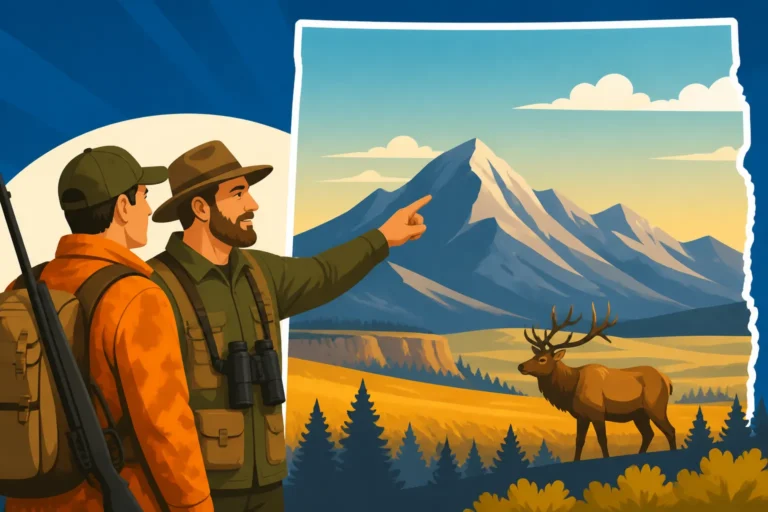
At its core, a fully guided elk hunt in Wyoming means you have a dedicated professional guide who will be with you in the field, day in and day out, throughout your hunt. This guide isn't just pointing you in a general direction; they are actively scouting, tracking, calling, and making strategic decisions to put you on elk. They are responsible for understanding the terrain, the elk's habits, and the current hunting conditions. They know the hunt area intimately, having often spent countless hours in it before you even arrive. This level of intimate knowledge and constant support is the hallmark of a truly fully guided experience. It's about having an expert partner at your side, translating the vastness of the landscape into actionable hunting opportunities.
This often includes the use of horses or ATVs for transportation, depending on the outfitter and the terrain, helping you cover more ground or access areas that would be incredibly difficult on foot. The guide also brings essential gear for the hunt itself, such as spotting scopes, binoculars, and often a daypack with emergency supplies, leaving you to focus on your personal hunting equipment. It's a significant investment, but it's meant to buy expertise, access, and peace of mind in challenging environments.
The Expectations of Support and Logistics
Beyond the actual hunting, "fully guided" implies a robust logistical support system. This typically starts even before your boots hit the ground in Wyoming. Your outfitter will often provide detailed packing lists, advise on physical conditioning, and offer insights into the specific unit you'll be hunting. Many reputable outfitters will even provide assistance or advice on navigating the complex Wyoming Nonresident Elk Applications Close in Early February and draw process, helping you understand how preference points work and which license types might be best for your goals. This pre-trip support is crucial, especially for first-time visitors to Wyoming or those new to elk hunting.
Once the hunt begins, the support extends to daily camp operations. This includes comfortable lodging, whether that's a remote wall tent camp, a cabin, or even a lodge. All your meals will be prepared, from hearty breakfasts before dawn to packed lunches in the field and satisfying dinners back at camp. Transportation to and from the hunting areas each day is also covered. The outfitter manages all the camp chores, cooking, and daily logistics, allowing you to conserve your energy for the demanding physical aspects of elk hunting. It's about creating an immersive hunting experience where you can truly disconnect from everyday worries and focus solely on the pursuit.
Distinguishing from Semi-Guided or Drop Camps
It's vital to understand that "fully guided" is a specific term, and it differs significantly from other services like semi-guided hunts or drop camps. A semi-guided hunt might include lodging and meals, but the direct, in-field guidance is usually limited. You might get advice on where to hunt, maps, and perhaps transportation to a general area, but then you're largely on your own for the actual stalking and calling. Think of it as having a base of operations and some intel, but not a personal coach.
Drop camps, on the other hand, provide even less direct support. With a drop camp, an outfitter will pack you and your gear into a remote location, set up a camp (often wall tents), and then leave you to hunt independently. They’ll return at a pre-arranged time to pack out your camp and any game you’ve harvested. You are responsible for all your own cooking, navigation, scouting, and in-field decisions. While drop camps offer an incredible backcountry experience at a lower price point, they demand a much higher level of self-reliance and experience. A fully guided hunt is for those who want expertise and support every step of the way, especially when navigating the challenging terrain and unpredictable nature of Wyoming elk.
Pre-Hunt Preparations and Communication
The success of your fully guided elk hunt in Wyoming starts long before you ever set foot in the Rockies. A reputable outfitter will begin communicating with you months in advance, helping you prepare mentally, physically, and logistically for the adventure ahead. This proactive engagement is a key part of the "fully guided" experience, as it ensures you arrive ready and confident.
Navigating the Application and Draw Process
One of the biggest hurdles for any nonresident hunter eyeing Wyoming is understanding the complex licensing and draw system. This is where a good outfitter can be an invaluable resource. While they can't apply for you or guarantee a tag, they can certainly guide you through the process. They can explain the different license types, such as general versus limited quota, and help you strategize based on your accumulated preference points or your willingness to try the random draw. For instance, they might advise you on the odds of drawing a Wyoming Nonresident Elk License Price for their specific unit, or suggest alternative units if your points are low.
Some outfitters even work with third-party license application services or provide their own detailed instructions, like those found on platforms like GoHunt, to ensure you don't miss crucial deadlines or make common application errors. They know the Wyoming's Four Application Deadlines, February Through June intimately and will often remind clients to apply. This assistance can alleviate a lot of anxiety, especially for those unfamiliar with Western state draw systems, ensuring you have the best possible chance to secure a tag for your hunt. Remember, even on a fully guided hunt, you are responsible for drawing and purchasing your own license and conservation stamp.
Essential Gear Lists and Physical Conditioning Advice
Wyoming elk hunting is physically demanding. Period. Even with horses or ATVs, you'll be doing a lot of walking, climbing, and hiking at elevation. A good outfitter understands this and will provide you with a comprehensive gear list, often months out, detailing everything from your rifle and ammunition to your layered clothing system, boots, and optics. They’ll emphasize items crucial for success and safety, like durable rain gear, a reliable headlamp, and appropriate footwear for rugged mountain terrain. This list is usually fine-tuned to the specific conditions and typical weather patterns of their hunt area and season.
Furthermore, a top-tier outfitter won't just tell you what to bring; they'll also stress the importance of Physical Conditioning for a Mountain Hunt. They might suggest specific workout routines, advise on hiking with a weighted pack, or encourage you to spend time at higher altitudes if possible before your trip. Being in good shape significantly increases your enjoyment and success rate. It's not about being an Olympic athlete, but about being able to handle a full day of activity in the mountains without completely burning out. If you show up unprepared, you’ll struggle, and your guide will notice.
Ongoing Communication with Your Outfitter
Effective communication is the backbone of a successful guided hunt. From the moment you book, expect your outfitter to be responsive and open to your questions. They should provide a contract outlining all inclusions, exclusions, and cancellation policies. Many outfitters utilize client portals or email newsletters to keep hunters updated on draw results, pre-season scouting reports, or any regulatory changes. This continuous dialogue allows you to voice any concerns, clarify expectations, and build a rapport with the team you'll be hunting with.
A key part of this communication is discussing your hunting style, experience level, and physical limitations. If you have mobility issues, dietary restrictions, or specific trophy expectations, it's crucial to communicate these upfront. This allows the outfitter to pair you with the most suitable guide and tailor the hunt experience as much as possible within the realities of a wild animal pursuit. Platforms like BookYourHunt often facilitate this initial communication and help connect hunters with reputable outfitters who prioritize client satisfaction through clear information and planning. Don't be shy about asking Questions to Ask a Wyoming Outfitter before you finalize your booking.
In-Camp Experience: Lodging, Meals, and Daily Flow
Once you arrive in Wyoming and head to camp, the "fully guided" experience truly kicks in, taking care of your basic needs so you can focus on the hunt. The camp environment is where camaraderie often builds and where hunters share stories of the day's adventures.
Comforts and Realities of Hunting Camp Lodging
The type of lodging on a fully guided Wyoming elk hunt can vary dramatically depending on the outfitter, the hunt area, and the season. It could range from rustic but comfortable cabins or lodge accommodations with amenities like hot showers and flush toilets to more traditional backcountry wall tent camps. In a wall tent camp, you might find sturdy canvas tents, often with wood-burning stoves for heat, cots with pads, and a dedicated cook tent. While these are not luxury resorts, they are designed to be warm, dry, and comfortable after a long day in the mountains.
Regardless of the specific setup, the expectation is that your lodging will be clean, safe, and provide a much-needed respite from the elements. Outfitters strive to make these camps functional and efficient, often located strategically for good access to hunting grounds. Remember, you're usually in remote country, so while "comfortable" is the goal, it’s still very much a hunting camp, not a five-star hotel. Expect shared spaces and a focus on practicality over extravagance. Some camps might even have amenities like solar power for charging devices, but don't count on cell service in many of Wyoming's prime elk areas.
Fueling Your Hunt: What to Expect from Meals
You cannot hunt effectively on an empty stomach, especially in the challenging environment of Wyoming's mountains. On a fully guided hunt, your outfitter will provide all meals, typically prepared by a dedicated camp cook or one of the guides. This usually includes a hearty breakfast before dawn, often featuring eggs, bacon, sausage, and coffee, giving you the energy needed for the day's physical demands. Lunch is usually packed for consumption in the field, consisting of sandwiches, snacks, fruit, and drinks, designed to be portable and eaten on the go.
Dinners are often the highlight of the day, a hot, satisfying meal back at camp. Think stews, roasts, pasta dishes, or grilled meats, accompanied by vegetables and dessert. Dietary restrictions are usually accommodated if communicated in advance, so be sure to let your outfitter know about any allergies or preferences well before your trip. The goal is to provide wholesome, calorie-rich food that keeps you fueled and focused throughout your hunt. Many hunters fondly recall the camp food as one of the best parts of the experience, fostering a sense of community around the dinner table.
A Typical Day's Structure on a Guided Hunt
While no two days are exactly alike on an elk hunt, there’s a general structure you can expect. Your day will begin early, often well before first light. A typical morning starts with breakfast, followed by a quick prep for the day's hunt. You'll then head out with your guide, often by vehicle, horseback, or foot, to a chosen hunting area. The morning will be spent actively hunting, which could involve glassing vast canyons, stalking through timber, or bugling for bulls during the rut.
Mid-day typically involves a packed lunch in the field, often while strategically positioned to continue glassing or resting. The afternoon continues the hunt, focusing on known elk bedding areas or travel corridors. As evening approaches, you'll often concentrate on areas where elk feed or move towards water before heading back to camp after dark. The evening is for dinner, sharing stories, and preparing gear for the next day. This intensive daily schedule is designed to maximize your time in prime elk country, ensuring you're there when the elk are most active.
The Actual Hunt: Guiding, Logistics, and Field Operations
This is the core of the fully guided experience – the moment-by-moment decisions and physical effort put forth by your guide to help you find and harvest an elk. It's a blend of skill, patience, and navigating the vastness of the Wyoming wilderness.
The Role of Your Professional Guide in the Field
Your professional guide is your most valuable asset on a fully guided hunt. They are typically seasoned hunters with extensive knowledge of the local terrain, elk behavior, and hunting strategies. Their job is to interpret the landscape, read elk sign, and make real-time decisions that increase your chances of success. This might involve knowing the best ridges for glassing, the quietest routes through timber, or the most effective calling sequences to entice a bull. Your guide will handle the bulk of the navigation, allowing you to focus on spotting game and being ready for a shot.
Beyond finding game, your guide is also a coach and a support system. They will help you evaluate animals, range distances, and set up for a shot. They are responsible for your safety in the backcountry, carrying first-aid supplies and having emergency communication devices like a Satellite Communication From a Hunting Camp device. Remember, Wyoming Requires One Guide for Every Two Nonresident Hunters in many situations, particularly in wilderness areas, highlighting the importance of this relationship. It's a partnership, and effective communication with your guide about your physical limits, shooting comfort, and expectations is paramount.
Transportation and Access to Hunting Areas
Wyoming is immense, and accessing prime elk habitat often requires covering significant distances. A fully guided hunt almost always includes all necessary transportation to and from the hunting areas. This could involve truck rides over rough dirt roads, ATV or UTV travel on designated trails, or horse packing deep into the wilderness. Horseback hunting is a classic Western experience and a highly effective way to reach remote basins and cover vast amounts of ground while conserving your energy for the actual hunt. If your hunt involves horses, your outfitter will provide the horse and tack, and often give you basic instruction on handling your mount.
Outfitters frequently operate on a combination of public and private lands, utilizing special use permits for National Forests or BLM land, and often having lease agreements or exclusive access to private ranches. This access is a significant part of what you're paying for, as it allows them to take you to areas with higher elk concentrations or less hunting pressure. Understanding the specific areas your outfitter hunts can give you a better sense of the terrain and potential for success. You can often find information about general areas or herd units by reviewing publicly available resources, but the outfitter's detailed knowledge of their specific hunting blocks is invaluable.
Game Care and Recovery
Once an elk is down, the guide’s work doesn’t stop – it shifts to game recovery and initial field care. This is a critical phase where their expertise truly shines. Your guide will lead the effort to track and locate your downed animal, ensuring a quick and efficient recovery. Once found, they will typically handle the field dressing, skinning, and quartering of the animal. This is strenuous work, especially with a large animal like an elk, and having an experienced hand manage it is a huge benefit.
The meat will then be cooled and prepared for transport back to camp. This might involve packing it out on horseback, using an ATV, or even making multiple trips on foot. The guide ensures the meat is handled properly to preserve its quality and adhere to Wyoming's The Meat Salvage Requirements for Big Game rules. This meticulous attention to game care, from shot placement guidance to pack-out, is a fundamental part of the fully guided package, ensuring that your hard-earned trophy is respected and processed correctly.
Post-Harvest and Departure Logistics
After the shot is fired and the animal is down, a fully guided hunt continues to support you through the less glamorous but equally important tasks of processing your harvest and getting everything home. This phase ensures your hunting adventure culminates smoothly.
Initial Processing and Meat Handling
Once your elk is back at camp, your outfitter will typically assist with the continued care of the meat. This might involve hanging it to cool in a designated game pole or cooler, ensuring proper airflow and temperature regulation, especially in warmer weather. Many outfitters will then transport the quarters to a local meat processor, which is often a service included in the hunt package, or at least facilitated by the outfitter. While the cost of processing the meat is almost always your responsibility, the logistics of getting it to the processor are handled for you.
You'll need to decide ahead of time how you want your meat processed – roasts, steaks, ground meat, etc. – and communicate this to the processor. Some hunters choose to take their meat home in coolers directly from the processor, while others arrange for shipping, which is another cost you'll bear. Your outfitter can often recommend reliable processors in the area and give you an idea of typical processing times and costs. This invaluable assistance streamlines what could otherwise be a logistical nightmare, allowing you to focus on celebrating your successful hunt.
Trophy Care and Taxidermy Coordination
If you harvest a bull or cow with a skull plate, your guide will typically help with the initial caping and preparation of the hide and skull for taxidermy. This might involve caping out the head for a shoulder mount or simply cleaning the skull plate for a European mount. They'll ensure the hide is properly fleshed, salted, and stored to prevent spoilage, making it ready for the taxidermist. Again, the cost of taxidermy is entirely your responsibility, but the outfitter provides the critical first steps and coordination.
Many outfitters have relationships with reputable local taxidermists and can arrange for your trophy to be picked up directly from their camp or the processor. They can also advise on shipping options for your cape and antlers back to your home state, if you choose to use a taxidermist closer to home. Discussing your taxidermy plans with your outfitter beforehand is always a good idea, as they can guide you through the logistics and ensure your trophy is handled with care from the field to the taxidermist's shop.
Getting You and Your Harvest Home
The final phase of a fully guided hunt involves your departure and the logistics of transporting your meat and trophy home. Your outfitter will typically provide transportation from camp back to a designated meeting point, often a nearby town or airport. If you're flying, they can advise on airline regulations for checked meat (packed in coolers) and antlers (which often require special handling). It's crucial to check with your specific airline about their policies, as these can vary widely.
For those driving, the outfitter will ensure your vehicle is loaded with your gear, and your meat (from the processor) is securely packed in coolers. They'll confirm you have all necessary tags and documentation for transport. This comprehensive support, right up until you're on your way home, is a defining feature of a fully guided experience. It removes the stress of winding down the hunt, allowing you to reflect on your adventure with satisfaction.
Beyond the Basics: What's Often NOT Included (and Why)
While a "fully guided" hunt covers a tremendous amount, it's rare for everything to be included. Understanding these common exclusions is essential for budgeting and avoiding surprises.
Understanding Additional Costs and Fees
It’s a common misconception that "fully guided" means "all-inclusive." While many services are covered, there are almost always additional costs that hunters are responsible for. These typically include your hunting license and tag fees, which are purchased directly from the state and can be substantial for nonresidents. Your What a Guided Wyoming Elk Hunt Costs will be separate from the license fees. Travel expenses to and from Wyoming (flights, gas, hotels before/after the hunt) are also usually not included. Many hunters choose to arrive a day early to acclimate and ensure all their gear has arrived.
Once you harvest an animal, the cost of meat processing and shipping, as well as taxidermy work and shipping of your trophy, are almost always extra. These can add up quickly, so it's wise to budget for them upfront. Some outfitters might also have a small "camp fee" for incidentals or offer optional services like renting a rifle if you prefer not to travel with your own. Always ask your outfitter for a detailed breakdown of what is and isn't included in their advertised price to prevent any unexpected expenses. What Outfitter Prices Leave Out is a critical question to ask early in your booking process.
Gratuities: An Essential Part of the Experience
One of the most significant and often overlooked additional costs is gratuity for your guide and any camp staff (cooks, wranglers). While not mandatory, tipping is a deeply ingrained tradition in the outfitting industry, much like in hospitality services, and it’s expected for good service. Guides and camp staff work incredibly hard, often long hours in challenging conditions, to ensure your comfort and success. Their wages may also reflect the expectation of tips.
A common range for guide tips is generally 15-20% of the hunt cost, and a smaller amount for cooks and wranglers, depending on the size of the staff and length of your hunt. It's best to bring cash for this purpose. If you're unsure, feel free to discreetly ask the outfitter about their typical tipping practices before your trip. Your guide's performance and effort throughout your hunt should dictate the amount, but understand that they rely on these gratuities as a significant portion of their income. Knowing How Much to Tip a Hunting Guide upfront helps you budget appropriately.
Booking Agents and Third-Party Services
Sometimes, hunters might book a guided hunt through a booking agent rather than directly with an outfitter. These agents can be helpful in matching you with a suitable outfitter, especially if you're new to Western hunting or have specific requirements. However, it's important to understand that the agent's fee or commission is either built into the hunt price or charged separately. While they provide a valuable service, they are an intermediary.
Furthermore, any third-party services you use, such as specialized application services (like some of those offered by GoHunt for other states), travel insurance, or a taxidermist not directly affiliated with the outfitter, will be separate expenses. Always clarify who you are paying, what services they provide, and how those costs integrate with the outfitter's charges. For critical decisions, such as when to Book Your Wyoming Hunt Before the Draw Runs or understanding the specific Wyoming Elk Season Dates Are Set Hunt Area by Hunt Area, direct communication with your chosen outfitter remains the most reliable path.
Disclaimer
This article is for general informational purposes only and does not constitute professional advice. Laws, prices and regulations vary by location and change over time. Consult a qualified professional for guidance on your specific situation.