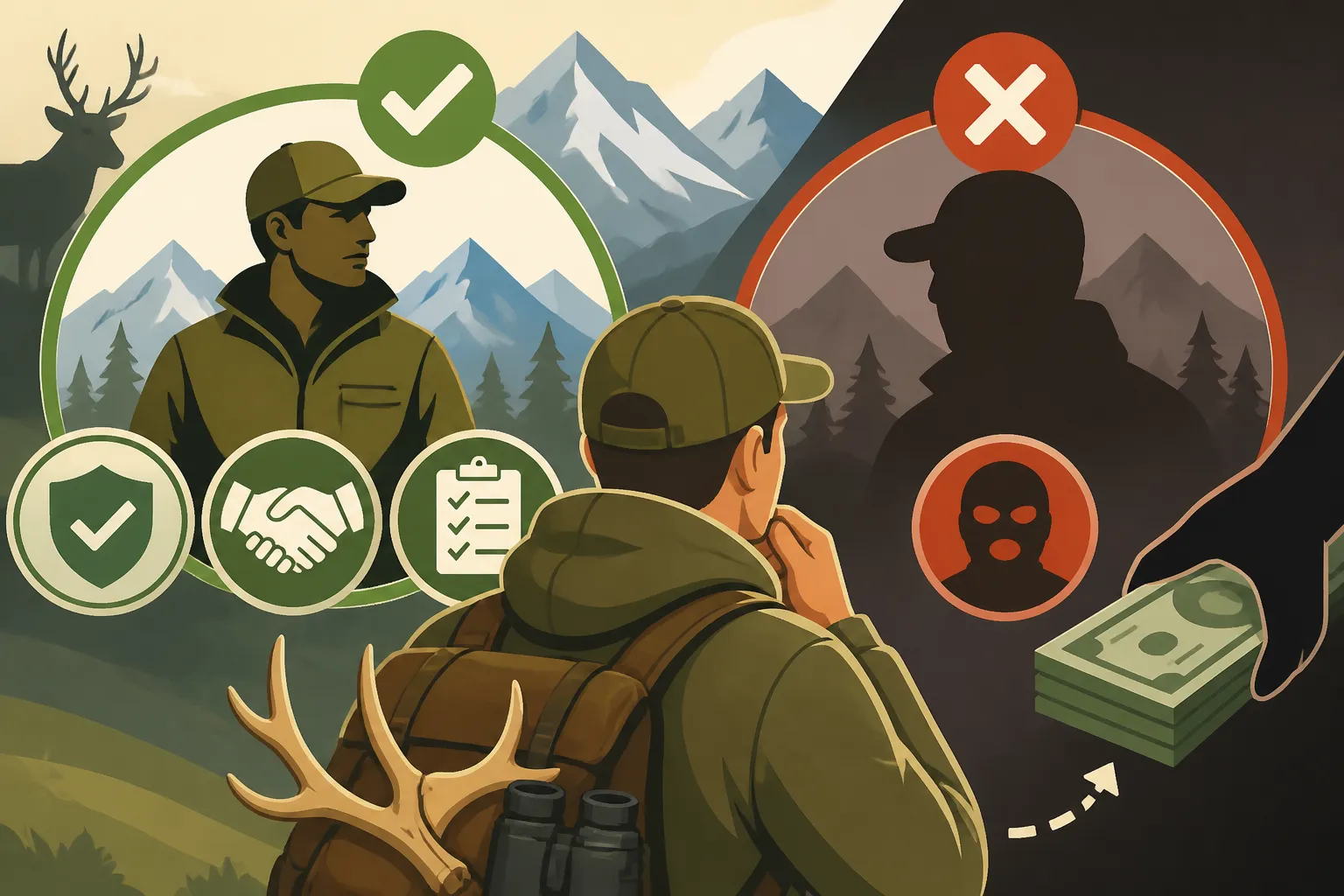
Vetting a Wyoming Outfitter Before You Send a Deposit
Finding the right outfitter for a Wyoming hunt can feel like trying to find a needle in a haystack—a very big, very windy haystack in the middle of nowhere. With so much at stake, from your hard-earned money to your precious vacation time and the dream of a successful hunt, the process of choosing a reputable outfitter is fraught with anxiety. This comprehensive guide will walk you through every critical step of vetting a Wyoming outfitter, helping you navigate the complexities and make an informed decision before you ever send a deposit.
The Initial Search: Where to Begin Looking for a Wyoming Outfitter
The sheer volume of outfitters marketing their services can be overwhelming, making it tough to even know where to start. You see glossy ads, slick websites, and social media posts filled with trophy animals, and it’s easy to get lost in the hype. But taking a methodical approach from the very beginning will save you a lot of heartache and potential disappointment down the road.
Navigating the Sheer Volume of Choices
It's a common frustration: you decide you want to hunt elk or deer in Wyoming, and suddenly your search engine results are flooded with hundreds of outfitters, all promising the hunt of a lifetime. How do you possibly sort through them all? It's like trying to pick one grain of sand on a vast beach, and the pressure is on because you know this decision can make or break your trip. You're not just buying a service; you're investing in an experience, a memory, and often, a dream that's been years in the making. The key is to start by narrowing down your focus based on species, hunt style (e.g., archery, rifle, wilderness, ranch), and rough geographic area if you have one in mind. Don't be afraid to take your time and resist the urge to jump on the first appealing ad.
Think about what kind of experience you truly want. Are you dreaming of a rugged backcountry pack-in elk hunt in the vast wilderness, far from roads and other hunters? Or is a comfortable lodge hunt for mule deer on private land, with hot meals and a warm bed, more your speed? These different hunt styles often dictate the type of outfitter you'll need. Some specialize in remote wilderness experiences, using horses and spike camps, while others focus on high-success ranch hunts with amenities. Matching your expectations to an outfitter's specialty is paramount. If you go into a wilderness hunt expecting daily showers and gourmet meals, you're going to be sorely disappointed, no matter how good the hunting is.
It also helps to consider your own physical abilities and hunting experience. A hardcore mountain outfitter might be perfect for someone who trains year-round and has experience in rough terrain, but it could be a miserable, even dangerous, experience for a less-conditioned hunter. Be honest with yourself about what you can realistically handle. A good outfitter will also be honest about the physical demands of their hunts. This initial self-assessment is crucial to filtering out options that simply aren't a good fit, bringing you closer to finding that needle in the haystack.
Online Platforms and Directories: A Starting Point
While the internet can be overwhelming, it's also an invaluable tool when starting your search. Many reputable outfitters maintain detailed websites, showcasing their operations, available hunts, and sometimes even testimonials. However, don't stop there. Beyond individual outfitter sites, several platforms act as directories or booking agents for guided hunts, serving as a useful initial filter. For example, sites like BookYourHunt can present a curated list of outfitters with detailed profiles, reviews, and sometimes even available dates. These platforms often standardize information, making it easier to compare different operations side-by-side without having to dig through countless individual websites.
Another excellent resource for those deep in the planning stages of a Western hunt is a platform like GoHunt. While primarily known for its draw odds and planning tools, many such resources also feature outfitter directories or partner with reputable operations. They often provide insights into hunt units, success rates, and the type of terrain you might encounter, which can help you connect with an outfitter specializing in the areas you're targeting. Using these aggregate sites can help you identify outfitters who are actively working in the units you're interested in, saving you time from randomly searching. Just remember, these are starting points; thorough vetting always requires direct communication and verification.
When using these platforms, pay close attention to the details provided. Do the photos look professional and recent? Are the descriptions clear about what's included and what's not? Are there consistent, positive reviews from past clients? While no single review site is perfect, a pattern of positive feedback across multiple platforms is a good sign. Conversely, if you see a lot of vague information or lack of detail, that might be a subtle warning sign that the outfitter isn't as transparent as you'd like. Use these tools to build a shortlist of 5-10 potential outfitters before diving into deeper research.
Recommendations and Word-of-Mouth: The Hunter's Network
In the world of hunting, personal recommendations often carry the most weight. There's nothing quite like hearing from a trusted friend or acquaintance about their firsthand experience with an outfitter. These insights can give you a level of detail and authenticity that no website or brochure can match. Talk to fellow hunters at your local club, on online forums, or through social media groups dedicated to Western hunting. Ask them about outfitters they've used, what they liked, what they didn't, and whether they'd go back. This kind of anecdotal evidence can be incredibly powerful in shaping your initial impressions.
Sometimes, the best recommendations come from unexpected places. Perhaps you know someone who hunts regularly in Wyoming, even if they don't use an outfitter. They might have heard about certain outfitters' reputations, good or bad, through local contacts or other hunters in the area. Don't underestimate the power of connecting with people who have direct experience in the region you plan to hunt. These local insights can often pinpoint outfitters with long-standing positive reputations or, just as importantly, alert you to those with a history of client dissatisfaction.
However, even with word-of-mouth recommendations, it's vital to apply a critical filter. What one hunter considers a "great hunt" might not align with your expectations. Ask specific questions: What was the outfitter's communication like? How hard did the guides work? What was the camp like? Were the animals consistent with what was promised? Did they stick to the terms of the agreement? Gather as much detail as possible to ensure the recommendation aligns with your personal hunting goals and values. Just because your buddy had a fantastic time doesn't automatically mean that outfitter is the perfect fit for your dream hunt.
Understanding Wyoming's Outfitter and Guide Regulations
Wyoming, like most states with significant nonresident hunting interest, has specific regulations governing outfitters and guides. Ignoring these regulations or assuming every outfitter is legitimate can lead to serious legal issues for both the outfitter and, potentially, for you as the client. It's crucial to understand these rules, particularly the guide requirements, before you finalize any arrangements. For nonresidents, this is especially important for certain species and areas, as discussed in detail in posts like Do You Need a Guide to Hunt Wyoming?.
The Wyoming Board of Outfitters and Professional Guides: Your First Stop for Verification
Before you commit a single dollar, your first critical step in vetting any Wyoming outfitter should be to verify their credentials with the Wyoming Board of Outfitters and Professional Guides. This state agency is responsible for licensing, regulating, and overseeing all professional outfitters and guides operating within Wyoming. They are the ultimate authority on who is legally allowed to take you hunting for compensation. Think of them as the gatekeepers protecting both the public and the integrity of the state's outfitting industry.
Their website is typically public-facing and provides a way to search for licensed outfitters. You can usually look up an outfitter by name or license number. This initial check will confirm that the outfitter you're considering is indeed legitimate and holds a current, active license. If you cannot find them on the Board's list, that's an immediate, flashing red light, and you should probably move on. This simple step can save you from falling victim to unlicensed operators, who often cut corners, operate illegally, and put their clients at risk. You can learn more about their functions and how they protect hunters in The Wyoming Board of Outfitters and What It Regulates.
Beyond just verifying their license, the Board often maintains records of any complaints or disciplinary actions taken against outfitters. While a single minor complaint might not be a deal-breaker, a pattern of unresolved issues or serious violations should give you significant pause. This information, if available publicly, is invaluable for understanding an outfitter's operational history and commitment to ethical practices. Always cross-reference what an outfitter tells you with what the regulatory board officially states.
License Requirements: Outfitter vs. Guide
Many hunters get confused about the distinction between an "outfitter" and a "guide" in Wyoming, but it's an important one. An outfitter is the business owner who holds the primary license, owns the permits, and typically contracts with clients. They are responsible for the overall operation, including booking hunts, providing equipment, and employing guides. Guides, on the other hand, are the individuals who actually lead the hunts in the field. They work under a licensed outfitter and must also be licensed themselves.
This hierarchy means that when you book a hunt, you are contracting with the outfitter, not directly with the guide who will be leading your trip. It's vital to ensure that both the outfitter and their guides are properly licensed. You can inquire about the specific guides who will be working your hunt and ask for their license numbers, then verify those as well. A reputable outfitter will be transparent about their staff and their qualifications. If an outfitter tries to tell you that guides don't need licenses, or that they only use "experienced friends," that's a serious red flag indicating they might not be operating legally.
There are also specific rules about who needs a guide. For nonresidents, hunting certain big game species in designated wilderness areas requires the services of a licensed Wyoming guide or a resident companion who files an affidavit and meets specific criteria. This is often referred to as the "Wilderness Guide Law." Understanding these requirements is not only about compliance but also about ensuring your hunt is legal and doesn't get shut down prematurely. For more detailed information on this, refer to Wyoming's Wilderness Guide Law for Nonresidents. If you are planning a hunt in any of the state's wilderness areas, this rule is non-negotiable and something any reputable outfitter will be very clear about.
Mandatory Insurance and Bonding: Protecting Your Investment
A legitimate outfitter will carry commercial liability insurance and, in many cases, will be bonded. This isn't just a nicety; it's a critical layer of protection for both the outfitter and their clients. Commercial liability insurance covers potential accidents, injuries, or property damage that might occur during a hunt. While no one wants to think about an accident, they can happen in remote, rugged environments, and having insurance means there's a safety net in place. Ask for proof of insurance and confirm that the policy is current and adequate for the type of hunt you're booking.
Bonding, on the other hand, provides financial protection for clients in case the outfitter fails to fulfill their contractual obligations. If an outfitter takes your deposit and then fails to provide the hunt as agreed, or if they suddenly go out of business, a bond can help you recover your money. It adds another layer of financial security, ensuring that your significant investment in a Wyoming hunt isn't entirely at risk. While not all jurisdictions require bonding for every type of outfitter, it's a strong indicator of a professional and financially stable operation.
Asking about insurance and bonding is not being overly cautious; it's being a responsible consumer. Any reputable outfitter will understand why you're asking and will be happy to provide the necessary documentation or details. If an outfitter is evasive, hesitant, or claims they don't carry insurance or aren't bonded, consider that a major warning sign. You are putting your safety and a substantial amount of money into their hands, and they should have the appropriate safeguards in place. It’s part of their legal and ethical responsibility.
Critical Questions to Ask Potential Outfitters
Once you've narrowed down your list and verified basic credentials, it's time to dig deeper. This is where direct communication with the outfitter becomes paramount. Don't be shy about asking detailed questions; a good outfitter will appreciate your thoroughness and be happy to provide comprehensive answers.
Experience and Specialization: What's Their Track Record?
When speaking with an outfitter, one of the first things you want to understand is their specific experience and what they specialize in. Don't just ask generally about their experience; get specific. How long have they been operating in this particular unit? How many clients do they take for the species you're pursuing each year? Are they primarily an archery outfitter, a rifle outfitter, or do they cater to both? Their answers will give you a clear picture of their expertise and whether it aligns with your hunt goals. An outfitter who claims to be a jack-of-all-trades might, in reality, be a master of none.
It's also important to inquire about their guides. Who will be your guide on the hunt? How long have they worked for this outfitter? What is their experience level in the specific terrain and for the animal you're hunting? You're paying for their expertise and hard work in the field, so knowing their qualifications is crucial. A seasoned guide who knows the area like the back of their hand can make all the difference between a frustrating trip and a successful one. Don't settle for vague answers like "we have great guides"; push for specifics about the individual who will be leading you.
Finally, ask about their approach to hunting. Do they primarily use horses, 4x4s, or foot travel? What's their philosophy on calling versus spotting and stalking? Understanding their methods helps you prepare and ensures their style matches yours. If you despise calling, booking with an outfitter who relies heavily on it might not be the best fit. A good outfitter will be transparent about their strategies and how they approach a hunt, giving you a clear picture of what to expect once you're in the field.
Hunt Logistics: What's Included and What's Not?
This is where many misunderstandings arise, so clarity is absolutely essential. A good contract and clear communication are key. You need to know precisely what's covered in the price of your hunt. Does it include food, lodging, transportation from a local airport, field dressing, and caping? What about meat processing and taxidermy arrangements? Are there any hidden costs? This is not the time to assume anything. A comprehensive breakdown of what's typically included in a guided hunt can be found in What a Fully Guided Wyoming Elk Hunt Includes.
Transportation is another big one. If you're flying into Wyoming, will the outfitter pick you up at the nearest commercial airport (e.g., Casper, Cody, Jackson Hole), or are you responsible for getting yourself to a meeting point? Once on the hunt, how will you travel to and from hunting areas each day? Some outfitters use vehicles, others horses, and many combine foot travel. Knowing these details helps you plan your travel logistics and understand the physical demands of the hunt.
Camp conditions are also important, especially for multi-day hunts. Will you be staying in a comfortable lodge, a wall tent camp, or a spike camp in the backcountry? What are the sleeping arrangements, and what kind of meals can you expect? Be realistic here; a wilderness spike camp will not have the amenities of a five-star hotel, but you should still expect clean, safe, and adequate facilities. This is particularly relevant if you have any dietary restrictions or medical needs; these should be discussed well in advance to ensure the outfitter can accommodate you.
Success Rates and Expectations: Realistic vs. Rosy Pictures
Every hunter wants to hear about high success rates, but it's crucial to approach this topic with a healthy dose of skepticism. No ethical outfitter can guarantee a kill, and anyone who does should raise a red flag. Instead of just asking "What's your success rate?", dig deeper. Ask for specific harvest statistics for the past few seasons, broken down by species, weapon type (archery vs. rifle), and even by different hunt areas if they operate in multiple. This data will give you a much more realistic picture than a general, often inflated, percentage.
Furthermore, differentiate between "opportunity rates" and "harvest rates." An opportunity rate means clients had a legitimate chance to harvest an animal, even if they didn't seal the deal. A harvest rate means an animal was actually taken. Both numbers are valuable. An outfitter with a high opportunity rate might still be excellent, even if their harvest rate is slightly lower due to factors like hunter proficiency or weather. A good outfitter will be honest about their numbers and explain the nuances of their past seasons.
Finally, discuss realistic expectations for the size and age class of animals you can expect to encounter. If an outfitter consistently touts "monster" animals but their past harvest photos show average ones, that's a disconnect. Most outfitters operate in specific units with typical game quality. Be clear about your personal goals – are you looking for any legal animal, or are you holding out for a true trophy? This open conversation ensures that you and the outfitter are on the same page and that your expectations are grounded in reality. After all, the "trophy" of the hunt is often the experience itself, not just the animal on the wall.
Deciphering the Contract and Financial Commitments
Once you've done your due diligence and identified a few top contenders, the next critical step is to carefully review their contract and understand all financial obligations. This is the legal document that binds both parties, and you absolutely must read every word before signing or sending any money.
Deposit and Payment Schedules: Understanding the Financial Timeline
Almost every outfitter will require a non-refundable deposit to secure your hunt dates. This is standard practice, as it covers their administrative costs and takes your spot off the market. However, the amount of the deposit and the subsequent payment schedule can vary widely. Typically, deposits range from a third to half of the total hunt cost. You'll want to know the exact amount, when it's due, and if it's truly non-refundable under any circumstances. Details on typical deposit amounts can be found in Typical Deposit Amounts Wyoming Outfitters Ask.
Beyond the deposit, understand the full payment schedule. When is the remaining balance due? Is it 90 days out, 60 days out, or upon arrival at camp? Ensure these dates align with your financial planning. Some outfitters may offer payment plans, which can be helpful for managing a significant investment. All payment terms should be clearly laid out in the contract, leaving no room for ambiguity. If an outfitter requests unusual payment methods, such as untraceable wire transfers or large cash payments without a clear receipt, proceed with extreme caution.
Also, be clear on what currency payments are accepted in, especially if you're an international hunter, and if there are any fees associated with certain payment methods (e.g., credit card processing fees). Every single financial interaction should be transparent and documented. You don't want any surprises when it comes to the cost of your dream hunt.
Cancellation and Refund Policies: What Happens if Plans Change?
Life happens. People get sick, jobs change, emergencies arise, or sometimes, the draw results just don't go your way. This is why a clear and fair cancellation and refund policy is non-negotiable. What happens if you have to cancel your hunt? Will you lose your entire deposit? Is there a partial refund if you cancel far enough in advance? Can you rebook for a future year or transfer your deposit to another hunter? These are all questions that need explicit answers in the contract.
Equally important, what happens if the outfitter has to cancel the hunt? While rare with reputable operations, it can occur due to unforeseen circumstances like severe weather, natural disasters, or illness on their end. In such cases, the contract should clearly state what remedies are available to you. Will you receive a full refund, or be offered alternative dates or a credit for a future hunt? A fair outfitter will have provisions to protect your investment in such scenarios.
A particularly relevant scenario for Wyoming is what happens if you fail to draw your tag. Many hunters book outfitters before the draw results are even announced. The question then becomes, Whether You Get a Refund If You Fail to Draw. Some outfitters will apply your deposit to the following year, while others may require you to re-deposit. This specific clause is incredibly important given Wyoming's competitive draw system, so ensure you understand it thoroughly before signing.
Hidden Costs and Trophy Fees: No Surprises on the Back End
Beyond the base hunt price, there can be additional costs that, if not clearly outlined, can quickly inflate your total expenses. These might include state sales tax on the hunt, Forest Service permit fees, transportation costs once you arrive in Wyoming, or expenses for processing and shipping your game meat and trophy. Good outfitters will provide a list of expected ancillary expenses so you can budget accordingly.
Trophy fees are another critical area to clarify. Some outfitters, particularly those operating on private land with management goals, might charge an additional fee if you harvest an animal that meets certain trophy criteria (e.g., a bull elk over a certain antler score). If trophy fees exist, the contract should explicitly state the criteria for these fees and the associated costs. You don't want to get to the end of a successful hunt only to be hit with a significant, unexpected charge.
Finally, don't forget about gratuities for your guide and camp staff. While typically not part of the contract, tipping is a standard practice in the outfitting industry and should be factored into your budget. Guides work incredibly hard, often for long hours in challenging conditions, and tips are a significant part of their income. A general guideline on How Much to Tip a Hunting Guide can help you budget appropriately for this important aspect of the hunt.
References and Reviews: Beyond the Outfitter's Own Website
Any outfitter can put up a slick website and showcase their best photos, but the true measure of their service comes from the experiences of their past clients. This is where diligent research beyond their marketing materials is absolutely crucial.
Contacting Past Clients: Getting the Unfiltered Truth
A reputable outfitter will gladly provide a list of recent references – past clients you can contact directly. This is your chance to get the unfiltered truth about their operation. Don't just ask for a list; ask for at least three references from hunters who hunted the same species, with the same weapon, during a similar season, within the last two to three years. This ensures the references are relevant to your potential experience.
When you contact these references, be prepared with a list of specific questions. Don't just ask "Did you have a good time?" Ask about the outfitter's communication before and during the hunt. Was the camp as described? How hard did the guides work? Were they knowledgeable and safe? Were there any unexpected costs? Were the animals encountered consistent with expectations? What was the biggest challenge of the hunt? Would they book with the outfitter again? And perhaps most importantly, would they recommend the outfitter to a friend or family member? Pay attention not just to what they say, but how they say it. A genuinely enthusiastic reference is a very good sign.
If an outfitter is hesitant to provide references, or only offers a select few from many years ago, consider that a significant red flag. It might indicate they have something to hide or that their recent client experiences haven't been positive. A confident outfitter will have a robust list of happy clients willing to vouch for them.
Reading Online Reviews with a Critical Eye
Online reviews, whether on Google, social media, or dedicated hunting forums, can offer valuable insights, but they must be approached with caution. Anyone can write an online review, and they can sometimes be overly positive (friends of the outfitter) or unfairly negative (disgruntled competitors or clients with unrealistic expectations). Look for patterns rather than isolated comments. If you see recurring themes – positive or negative – across multiple platforms, that's more indicative of the outfitter's true performance.
Pay attention to the specific details in reviews. Do they mention the names of guides? Specific hunt units? Dates of the hunt? Vague reviews like "awesome hunt!" or "terrible service" aren't as helpful as those that provide concrete examples. Also, see if the outfitter responds to reviews, especially negative ones. A professional outfitter will often engage, offering explanations or resolutions, which shows a commitment to client satisfaction, even when things go wrong.
Remember that reviews are subjective. One person's "roughing it" might be another's "authentic wilderness experience." Try to filter reviews through the lens of your own expectations and priorities. Use them as a piece of the puzzle, not the entire picture. They can help you formulate additional questions for the outfitter or prompt you to dig deeper into specific areas of concern.
Checking for Complaints with the Regulatory Board
As mentioned earlier, the Wyoming Board of Outfitters and Professional Guides is your ally in verifying an outfitter's standing. Beyond just checking for an active license, you should inquire about their complaint history. While minor complaints might arise even with the best outfitters, a consistent record of grievances, particularly those related to safety, misrepresentation, or financial disputes, is a serious warning.
The process for Checking an Outfitter's Complaint History Before Booking can usually be done through the Board's public records or by directly contacting them. This step provides an objective, official record of any issues that have been formally reported and investigated. It's a layer of protection that goes beyond anecdotal reviews and can reveal systemic problems that an outfitter might not disclose.
If you find a history of complaints, it's worth discussing them with the outfitter directly. How were the issues resolved? What steps have they taken to prevent similar problems in the future? Their honesty and willingness to address past shortcomings can be very telling. If they become defensive or dismissive, that's another indicator that they might not be the most reliable choice. Your goal is to find an outfitter who operates with integrity and professionalism, and a clean record with the regulatory board is a strong testament to that.
Preparing Yourself for a Guided Wyoming Hunt
Vetting an outfitter is only half the battle. Once you've booked your hunt, it's equally important to prepare yourself adequately. A guided hunt isn't a passive experience; your preparation directly impacts your success and enjoyment.
Physical Conditioning: Are You Ready for the Mountains?
Wyoming hunting is rarely a stroll in the park. Whether you're chasing elk in the rugged mountains or mule deer across vast sagebrush flats, physical conditioning is paramount. Many hunters underestimate the physical demands of a Western hunt, only to find themselves struggling in the thin air and steep terrain. Don't let your physical fitness be the limiting factor on your dream hunt. A thorough discussion of this is found in Physical Conditioning for a Mountain Hunt.
Start your physical preparation months in advance. Focus on cardiovascular fitness, strength training (especially for your legs and core), and hiking with a loaded pack. Simulate hunting conditions as much as possible. If you'll be hunting at high altitude, try to incorporate activities that build lung capacity. Talk to your outfitter about the typical daily mileage and elevation gain they expect on their hunts so you can tailor your training. Being in good shape won't just increase your chances of success; it will make the entire experience more enjoyable and safer.
Consider your diet and hydration as well. Leading up to the hunt, focus on nutrient-dense foods and stay well-hydrated. Once in camp, listen to your guide's advice on water intake, especially at altitude. Altitude sickness can derail a hunt quickly, and being physically prepared can help mitigate its effects. Remember, your outfitter and guides will work hard for you, but they can't carry you up the mountain. Your physical readiness is your responsibility.
Gear and Equipment: Matching Your Kit to the Hunt
Your outfitter will likely provide a detailed gear list, and it's essential to follow it closely. This list isn't just a suggestion; it's based on their experience with the local conditions, terrain, and weather. From appropriate layering systems for unpredictable mountain weather to durable hiking boots and quality optics, every item on that list serves a purpose. Don't skimp on critical gear, especially footwear and rain gear. A wet, cold hunter is a miserable and ineffective hunter.
If you're bringing your own rifle or bow, practice extensively before the hunt. Know your weapon inside and out, and be proficient at the distances you might encounter in the field. For rifle hunters, practice shooting from various field positions, not just off a bench rest. For archers, practice shooting with your hunting broadheads and in varying conditions. Ensure your optics are sighted in and clear, and your ammunition is reliable. There's nothing more frustrating than having an opportunity and not being able to capitalize due to equipment failure or lack of proficiency.
Communicate any gear questions with your outfitter well in advance. They can often provide recommendations or even offer rental options for certain items. If you're new to Western hunting, they might suggest specific brands or types of gear that perform best in Wyoming's rugged environment. Investing in quality gear is an investment in your comfort and success.
Communication and Expectations: Setting the Stage for Success
Effective communication doesn't end once you've signed the contract; it continues right up until the hunt and throughout your time in the field. Keep your outfitter updated on your travel plans, any changes to your health, or questions you have. The more information they have, the better they can prepare for your arrival and tailor the hunt to your needs.
When you arrive in camp, have an open conversation with your guide. Reiterate your goals for the hunt. Are you looking for a specific type of animal, or would you be happy with any legal animal? Discuss your comfort zones for shot distances and physical exertion. A good guide wants you to be successful and have a good time, but they can only do that if they understand your preferences and limitations.
Finally, manage your expectations. Hunting is inherently unpredictable. Weather, animal movements, and pure luck all play a significant role. A guided hunt increases your odds, but it doesn't guarantee a harvest. Go into the experience with a positive attitude, ready to work hard, learn, and enjoy the beauty of Wyoming. The success of the hunt isn't solely measured by the animal you take, but by the memories, lessons, and camaraderie you gain.
Common Red Flags and Pitfalls to Avoid
As you navigate the process of vetting outfitters, be aware of certain warning signs that should prompt you to walk away. Avoiding these common pitfalls can save you from a disappointing, or even disastrous, experience.
Unrealistic Guarantees and "Too Good to Be True" Deals
This is perhaps the biggest red flag of all. Any outfitter who "guarantees" a kill, especially for big game like elk or bighorn sheep, is being dishonest. Hunting is never a guarantee, and ethical outfitters know this. They can guarantee effort, access, and a legitimate opportunity, but never a harvest. If an outfitter makes such claims, they are either lying or operating in a way that is questionable, perhaps by pushing you to take an unethical shot or hunting practices.
Similarly, be wary of deals that seem "too good to be true." If an outfitter is significantly cheaper than comparable operations in the same area for the same species, dig into why. Are they cutting corners on safety, equipment, food, or guide experience? Are they operating illegally without proper permits or insurance? While everyone loves a bargain, a drastically low price in the outfitting world can often hide serious deficiencies or risks. Compare prices across several reputable outfitters to get a realistic sense of market value.
Another version of this is an outfitter who makes extravagant claims about trophy sizes that are out of line with the typical genetics or management objectives of the hunt unit. While big animals are taken every year, an outfitter who only talks about "Boone and Crockett class" animals for every client, in every unit, might be setting unrealistic expectations or exaggerating their past successes.
Lack of Transparency or Evasiveness
A professional outfitter will be transparent about every aspect of their operation. If you find yourself struggling to get clear answers to straightforward questions about licensing, insurance, references, hunt logistics, or pricing, consider it a warning sign. Evasiveness or vagueness often indicates an outfitter who doesn't want to be fully scrutinized, perhaps because they're hiding something.
Watch out for inconsistencies between what they say and what's written in their contract or on their website. Do their claims about success rates align with what their references say? Is the pricing clearly laid out, or do you feel like you're pulling teeth to get a full cost breakdown? A reputable outfitter has nothing to hide and will typically be upfront and detailed in their communication.
Furthermore, if an outfitter pressures you to make a quick decision or demands a deposit without giving you ample time to review their contract and check references, be cautious. High-pressure sales tactics are often a sign that they're trying to prevent you from doing your due diligence. Take your time, ask your questions, and only commit when you feel completely comfortable and informed.
Pressure Tactics and Rushed Decisions
Booking a guided hunt is a significant financial and time commitment. You should never feel rushed or pressured into making a decision. If an outfitter uses tactics like, "I have another client looking at this same date, so you need to put down a deposit today," or "These hunts book up immediately, so you have to act now," take a deep breath. While it's true that good hunts can book up quickly, especially for prime dates, legitimate outfitters will give you reasonable time to consider your options.
This is especially true if you are applying for a tag through a lottery system, like many of Wyoming's draws. You might book an outfitter before knowing if you even have a tag. If an outfitter demands a non-refundable deposit for a hunt you might not be able to go on, without clear terms about what happens if you don't draw, that's a problem. A fair outfitter will have clear policies around draw success, like those discussed in Whether You Get a Refund If You Fail to Draw.
Always take the time to thoroughly review the contract, check references, and sleep on your decision. If an outfitter is truly committed to providing a quality experience, they will respect your need for due diligence. Your investment is substantial, and you deserve to feel confident in your choice, not coerced into it.
The Value of Booking Early, Especially for Wyoming
Once you've done your homework and found the perfect outfitter, don't delay. Booking your hunt well in advance, sometimes a year or more out, offers significant advantages, especially for popular areas and species in Wyoming.
Securing Your Spot in Competitive Draw Units
Wyoming is highly sought after for its incredible big game hunting, and tags for prime units, especially for elk, moose, and bighorn sheep, are often very difficult to draw. Many hunters apply for years, accumulating preference points, just for a chance at a tag. The best outfitters, operating in these desirable units, also book up extremely quickly. If you wait until after the draw results are posted to try and find an outfitter, you'll likely find that all the reputable ones are already fully booked.
Booking early ensures that if you do draw that coveted tag, you already have a spot secured with the outfitter of your choice. This is particularly important for non-residents, as many outfitters reserve a certain number of spots for clients who are still in the draw process. By booking in advance, you’re not just securing a guide; you’re often securing access to prime hunting ground that has limited availability. For more insights on this, consider How Far Ahead to Book a Wyoming Hunt.
Coordinating Outfitter Availability with Draw Results
The application and draw results schedule for Wyoming big game species varies significantly throughout the year. For instance, Wyoming Elk Draw Results Come in May, while deer and antelope results often follow in June. Many hunters will submit their tag applications in the spring, often months before they know if they were successful. If you wait until after these results are announced, not only will outfitter spots be scarce, but coordinating available dates might be a nightmare.
Booking early allows you to align your preferred hunt dates with the outfitter's availability, contingent on you drawing a tag. Most outfitters are very familiar with the Wyoming draw process and will structure their booking agreements to account for it. This way, if you don't draw, you typically have options to roll your deposit over to the next year, apply it to a different hunt, or receive a refund (depending on the contract terms). This gives you peace of mind that your investment is protected while you await the draw results.
The Benefit of Building a Relationship Over Time
Booking early also gives you the invaluable opportunity to build a relationship with your outfitter. This isn't just a transactional business deal; you're entering into a partnership for what will likely be a challenging and memorable experience. Over the months leading up to your hunt, you can communicate regularly, ask questions, get advice on physical preparation, gear, and travel plans. This ongoing dialogue builds trust and ensures you arrive in Wyoming feeling well-prepared and confident.
A strong relationship fosters better communication, which in turn leads to a more tailored and enjoyable hunt. The outfitter and guides will get to know your preferences, your skill level, and your expectations, allowing them to better plan your days in the field. They can offer insights into the specific unit, help you with E-Scouting a Unit Before the Season Opens, and even provide recommendations for other aspects of your trip, such as meat processing or taxidermy. This level of personalized service simply isn't possible if you're scrambling to book a last-minute spot.
| Aspect | Reputable Outfitter | Red Flag Outfitter |
|---|---|---|
| Licensing | Proudly provides license number, easily verified. | Vague, evasive, or not listed with state board. |
| Insurance/Bonding | Provides proof, understands its importance. | Claims it's unnecessary, unavailable, or too expensive. |
| References | Offers multiple recent, relevant client contacts. | Hesitant, offers only old or non-relevant contacts. |
| Transparency | Clear communication, detailed contract, no hidden fees. | Vague on costs, unclear contract, avoids direct answers. |
| Guarantees | Guarantees effort, opportunity, ethical hunt. | Guarantees a kill, trophy animal, or success. |
| Payment Terms | Clear deposit schedule, fair cancellation policy. | Demands cash, quick payment, rigid refund policy. |
| Hunt Logistics | Detailed itinerary, includes/excludes clearly stated. | Vague details, implies more than is provided. |
| Reviews | Consistent positive patterns, responds professionally. | Inconsistent, overly positive, or ignores negative. |
Disclaimer
This article is for general informational purposes only and does not constitute professional advice. Laws, prices and regulations vary by location and change over time. Consult a qualified professional for guidance on your specific situation.