What a Guided Moose Hunt Costs in Wyoming
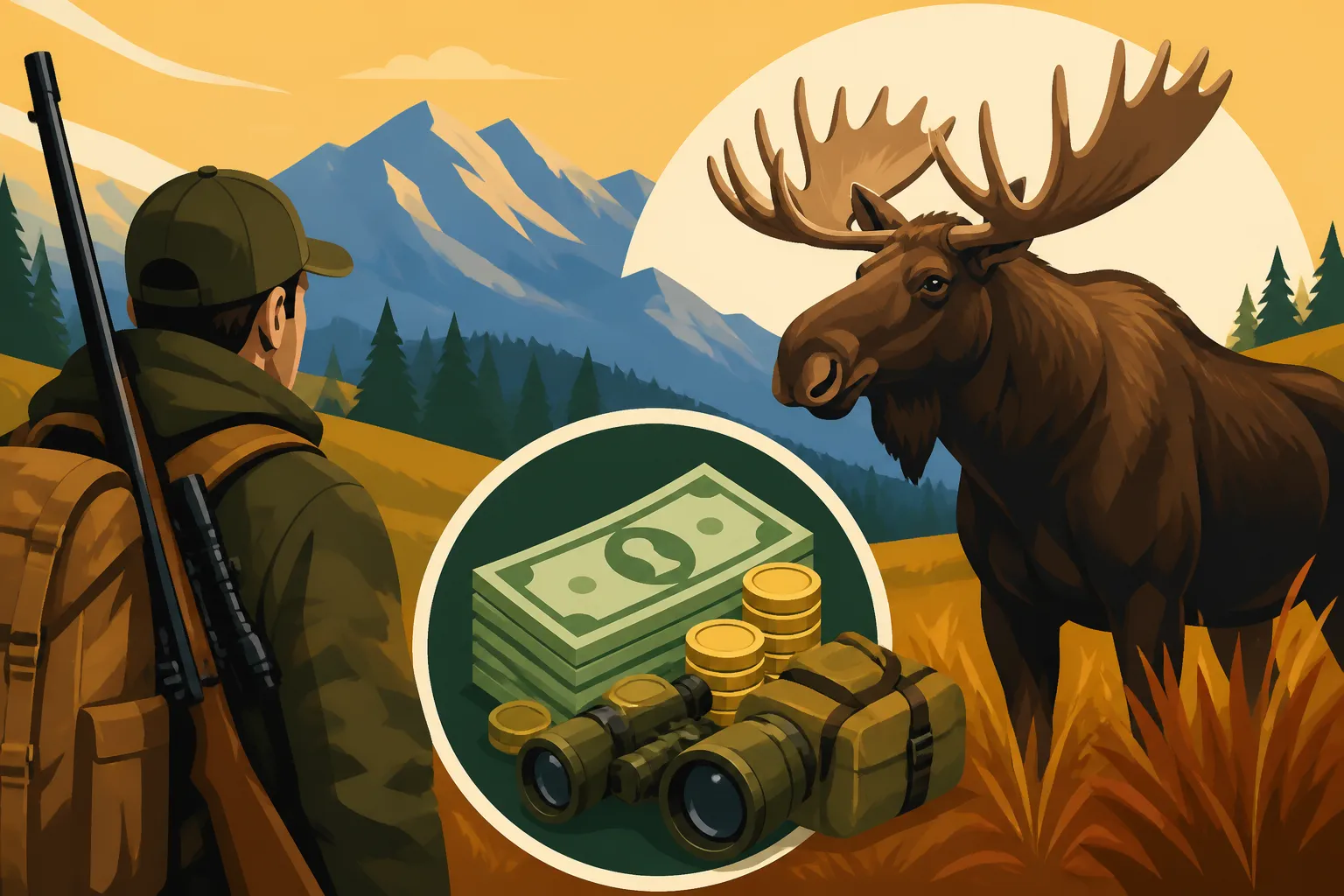
Dreaming of a Wyoming moose hunt? You're not alone. For many hunters, drawing a Shiras moose tag in the Cowboy State is the ultimate bucket list achievement, but once you beat the incredible odds of the draw, the next big question hits: what's this once-in-a-lifetime adventure going to cost with a reputable outfitter? This guide breaks down the financial realities, helping you budget for the trip of a lifetime.
Understanding the Factors That Influence Guided Moose Hunt Costs
The price tag on a guided Wyoming moose hunt isn't just a number pulled out of thin air. It's a complex equation influenced by a number of crucial elements, from the sheer rarity of the tag itself to the kind of experience you're hoping to have. Understanding these moving parts is essential for any hunter looking to embark on this incredible journey.
The Rarity of a Wyoming Moose Tag
Let's be brutally honest: getting a Wyoming moose tag is probably one of the toughest draws in the West. We're talking about odds that often stretch into decades for non-residents, and even for residents, it's not a slam dunk. Wyoming treats its Shiras moose resource as incredibly precious, and rightly so. The state's management strategy for moose has led to tightly controlled quotas, making these licenses incredibly scarce. This rarity means that when a hunter finally does draw, they are often willing to invest significantly to make the most of that hard-won opportunity. Outfitters know this, and the demand for guided services for such a coveted tag naturally drives up the price. You're not just paying for a guide's time; you're paying for their expertise in maximizing an opportunity that might literally come once in a lifetime. If you've been putting in for years, you know the waiting game intimately, as explored in Shiras Moose: A Wyoming Tag Measured in Decades. It’s a trophy animal, and the challenge of even drawing the tag speaks volumes about the value placed on the hunt itself. Looking into Moose Draw Odds by Hunt District will quickly show you just how tough it is to even get started.
The Unique Nature of a Moose Hunt
Hunting moose isn't like hunting deer or even elk in many areas. Shiras moose, while massive, often inhabit very specific and sometimes challenging habitats. They aren't typically found in vast, open herds like some elk. Instead, you'll often be targeting them in dense timber, willow bottoms, or high-altitude basins where thick cover and difficult terrain are the norms. This often requires guides with a deep understanding of moose behavior and specific local knowledge of their haunts. The physical demands can be significant, especially if you're venturing into true wilderness areas, which may also bring into play specific regulations like those discussed in Moose Hunts Inside Designated Wilderness Areas. The logistics for a moose hunt can also be more involved: dealing with an animal that can weigh well over a thousand pounds in remote terrain requires careful planning for retrieval, processing, and packing out. All of these specialized requirements contribute to a higher operational cost for outfitters, which, in turn, is reflected in their pricing.
Type of Outfitter Service
Just like with any big game hunt, the level of service you choose dramatically impacts the final cost. There isn't a one-size-fits-all "guided hunt" package, especially for something as unique as a moose.
A fully guided hunt is typically the most expensive option, and for good reason. This usually means you'll have a dedicated guide (or a small guide-to-hunter ratio, often 1:1 or 1:2) who handles almost every aspect of your hunt. They'll scout extensively before you arrive, provide all the necessary transportation in the field (horses, ATVs, trucks), prepare meals, set up comfortable camp lodging, and, most importantly, provide expert advice and assistance throughout the hunt. This level of personalized attention and logistical support is what many hunters seek, especially after waiting so long for a moose tag.
On the other end of the spectrum, a drop camp hunt offers a more stripped-down, but still assisted, experience. An outfitter will pack you and your gear into a remote location, often deep in the backcountry, set up a basic camp, and then leave you to hunt independently. They'll return at a pre-arranged time to pack out your game and take you back to civilization. This is a fantastic option for experienced hunters who are confident in their own abilities but need help getting into truly inaccessible areas. As you might expect, this is significantly less expensive than a fully guided trip. You can learn more about these options by reading Wyoming Drop Camp Hunts Explained.
Then there's the semi-guided option, which often falls somewhere in the middle. This might include an outfitter providing camp, some general area knowledge, and perhaps occasional assistance or advice, but you're primarily responsible for your own hunting efforts. It offers a balance between support and independence. Delving into the nuances of Drop Camp Against Semi-Guided Hunts can help you decide which level of support aligns best with your hunting style and budget for such an important tag.
Typical Cost Breakdown for a Guided Wyoming Moose Hunt
Once you've secured that coveted Wyoming moose tag, understanding the financial landscape of a guided hunt becomes your next critical step. It's not just about the sticker price of the hunt itself; there are several layers of costs that accumulate to paint the full picture of your investment.
Base Hunt Package Price
The base price for a guided Wyoming moose hunt will be the largest component of your overall expense. It's important to understand that there's a broad spectrum, reflecting the different service levels and reputations of outfitters. A fully guided moose hunt will generally command a premium, covering the intensive labor and logistics involved. This base package typically includes the guide's wages, all meals during the hunt, comfortable lodging in a wall tent, cabin, or sometimes even a lodge, and transportation within the hunting area—whether that means horseback riding deep into a wilderness area, ATV use on established trails, or truck travel on forest service roads.
However, a crucial point to remember is that the license itself is almost universally NOT included in the outfitter's price. You, the hunter, are responsible for successfully drawing and purchasing your own Wyoming moose license and any necessary conservation stamps. This is a common misconception, and it’s why understanding What Outfitter Prices Almost Never Include is so important when comparing different packages. Always clarify what's explicitly part of the package and what constitutes an additional fee. Similarly, be aware that outfitters cannot provide your actual hunting license, as explained in Are Licenses Included in Outfitter Prices?. The outfitter is selling a service, not the legal right to hunt.
Additional Expenses to Budget For
Beyond the base hunt package, a successful guided moose hunt involves several other significant costs that you absolutely need to factor into your budget. Overlooking these can lead to unpleasant surprises down the road.
Firstly, your hunting license and preference points are a separate cost. While preference points are not directly applicable to moose (which is a pure lottery system for nonresidents), if you're also applying for other species in Wyoming, those point accumulation costs can add up over time. Then there's the Wyoming Conservation Stamp, which every hunter needs to purchase.
Travel expenses are another big one. This includes your flights or fuel costs if driving to Wyoming, as well as any pre-hunt or post-hunt lodging and meals before you meet your outfitter or after you depart their camp. For a remote moose hunt, you might be flying into an airport like Jackson Hole or Casper, which can have its own travel costs.
Once you harvest your moose, there are meat processing and taxidermy costs. A moose yields an incredible amount of meat, and processing it expertly is an investment. If you want a shoulder mount or full-body mount, that's another substantial expense. Many outfitters have preferred local processors and taxidermists, and they can help with the logistics of getting your trophy to them, but you'll foot the bill. Also, don't forget the shipping costs if you're bringing meat and antlers home across state lines.
Finally, and very importantly, guide gratuities (tips) are customary and expected. Guides work incredibly hard, often in challenging conditions, to give you the best possible chance at success. A good tip is a reflection of their hard work and your appreciation. While the exact amount can vary, a common range is a percentage of your hunt cost, as discussed in detail in How Much to Tip a Hunting Guide. This is not an optional expense; it's an integral part of the guided hunting tradition. You might also need to budget for specialized gear, especially if you don't already own high-quality optics, cold-weather clothing, or mountain-appropriate boots suited for the demanding environment of a Wyoming moose hunt.
Here's a simplified breakdown of cost components:
| Expense Category | Description | Included in Base Package (Typically) | Hunter Responsibility (Typically) |
|---|---|---|---|
| Hunt Package | Guide services, camp, lodging, meals, in-field transportation | Yes | No |
| Hunting Licenses/Stamps | Moose tag, conservation stamp, species-specific fees | No | Yes |
| Travel | Flights/fuel, pre/post-hunt lodging, airport transfers | No | Yes |
| Meat Processing | Cutting, wrapping, freezing of harvested meat | No (sometimes includes initial caping) | Yes |
| Taxidermy | Mounting of trophy (cape, antlers) | No | Yes |
| Gratuities (Tips) | Guide and camp staff tips | No | Yes |
| Personal Gear | Specific clothing, optics, boots, rifle/bow, ammo | No | Yes |
| Shipping Costs | Transport of meat/trophy home | No | Yes |
The "Special" Draw and Its Impact
While the "Special" draw is more commonly associated with species like elk and deer, offering a higher-priced license category that often comes with better drawing odds for non-residents, it's worth a brief mention in the context of overall Wyoming hunting expenses. For moose, the draw is generally a pure lottery, meaning there isn't a "special" price tier to increase your odds directly for that species. However, if you are an avid Wyoming hunter and apply for multiple species, the decision to utilize the special draw for deer or elk can significantly impact your overall annual hunting budget. It reflects a willingness to pay more for increased opportunity. So while it doesn't apply directly to the moose license itself, understanding the concept, as discussed in Is the Wyoming Special Draw Worth the Money?, gives you insight into the various ways hunters approach increasing their chances and overall investment in the state's incredible hunting opportunities. For moose, the main "special" aspect is simply that you've got the tag at all.
Finding and Vetting a Wyoming Moose Outfitter
Drawing that Wyoming moose tag is a huge win, but the next step—finding the right outfitter—is just as crucial to the success and enjoyment of your hunt. With such a highly anticipated and potentially once-in-a-lifetime experience, you want to ensure you're putting your trust and significant investment into capable hands.
Researching Outfitters
Starting your research early is paramount, often even before you apply for the tag. Personal referrals are golden; talk to hunters who have successfully harvested moose in Wyoming, especially in the units you're targeting. They can provide firsthand accounts of outfitters they've used or heard about.
Beyond personal networks, the internet offers a wealth of resources. Reputable hunting booking sites, like BookYourHunt, compile lists of outfitters with client reviews and detailed service offerings. You'll also find outfitters listed on state and national hunting association websites. Hunting forums and online communities can also provide candid discussions and recommendations, though always take online opinions with a grain of salt and cross-reference information. Dedicated platforms like GoHunt also offer tools and information that can point you toward reputable operations specializing in specific species and areas.
Once you have a shortlist, the real vetting begins. Every legitimate Wyoming outfitter will be licensed by the Wyoming Board of Outfitters and Professional Guides. It's not just a formality; this board regulates the industry to protect hunters. You should always verify an outfitter's license status and ensure they are current and in good standing. This simple step can save you a lot of heartache later on. Checking out Vetting a Wyoming Outfitter Before You Send a Deposit is a must-read for this stage, as is knowing how to use tools like Looking Up a License in the Wyoming Outfitter Board to do your due diligence. Don't be shy about asking for license numbers and checking them yourself.
Questions to Ask
When you start contacting potential outfitters, have a list of well-thought-out questions ready. These conversations are your opportunity to gauge their professionalism, experience, and compatibility with your hunting style and expectations.
Start by asking about their experience with moose specifically, and in the hunt area you drew. How long have they been operating in that unit? What is their typical guide-to-hunter ratio for moose? For a demanding hunt like moose, a 1:1 or 1:2 ratio is often ideal, ensuring you get dedicated attention. Inquire about their success rates over the past few years—not just "shot opportunity" but actual harvest rates, and what factors might influence those rates. A transparent outfitter will be open about their history and the challenges.
Discuss the physical demands of the hunt. Will it involve significant hiking, horseback riding, or both? Be honest about your own physical conditioning, so they can properly assess if their hunt is a good fit. Also, clarify what's included and not included in their pricing. Confirm details on lodging, meals, transportation, and what happens once an animal is down regarding field dressing, quartering, and packing out. Review their contract carefully, paying close attention to cancellation policies and payment schedules.
Finally, and perhaps most importantly, ask for recent references—at least three from the past two hunting seasons. Speaking with previous clients is invaluable for getting an unbiased perspective on the outfitter's operation, their guides, and the overall experience. Detailed guidance on what to cover in these conversations can be found in Questions Worth Asking Before You Book.
Booking Strategy
Booking a guided Wyoming moose hunt requires strategic timing, especially given the rarity of the tag. Many top outfitters book up well in advance, sometimes even years out. The ideal approach is often to book your outfitter conditionally, even before you draw your tag. This means you might put down a deposit, or a portion of one, with the understanding that it's fully refundable or transferable if you are unsuccessful in the draw. Confirming this policy upfront is critical, as detailed in Booking Before You Draw a Wyoming Tag. You don't want to lose a substantial deposit if your name isn't pulled.
Once you draw your tag, notify your outfitter immediately to finalize your dates and arrangements. Read their contract thoroughly. Understand their payment schedule, what happens in case of an unforeseen cancellation on your part, and specifically their policy if you fail to draw the tag, as outlined in Whether You Get a Refund If You Fail to Draw. Some outfitters will apply your deposit to the following year's hunt, while others have different policies.
Be prepared for the financial commitment. Outfitters typically require a significant deposit to secure your booking, with the remaining balance due closer to the hunt date. Plan your finances accordingly. An established outfitter will have clear and professional booking procedures, making the process smooth for you.
Disclaimer
This article is for general informational purposes only and does not constitute professional advice. Laws, prices and regulations vary by location and change over time. Consult a qualified professional for guidance on your specific situation.