Drop Camp Against Fully Guided
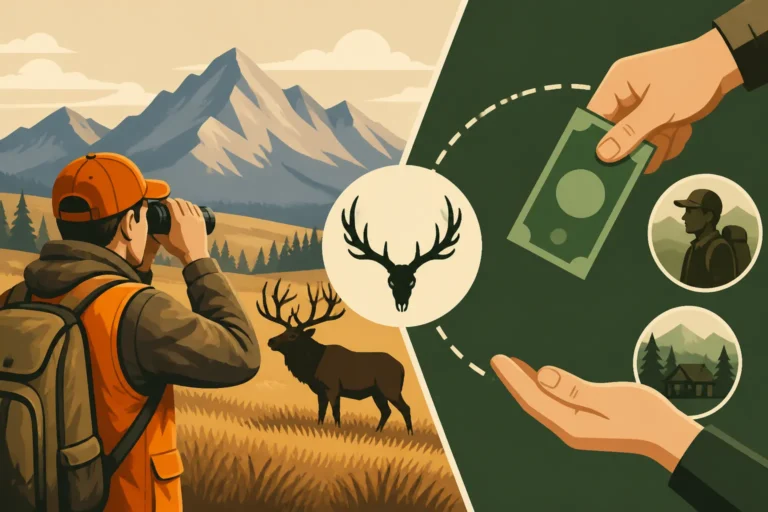
For many hunters dreaming of a Wyoming big game adventure, the choice between a fully guided hunt and a drop camp can feel like navigating a maze. It’s a huge decision that impacts everything from your budget to your independence in the field, and frankly, the wrong choice can lead to significant disappointment. This guide is here to unravel the complexities of both options, helping you understand what each entails so you can pick the path that truly aligns with your hunting style and expectations in the Cowboy State.
Understanding the Fully Guided Wyoming Hunt Experience
A fully guided hunt in Wyoming is often what comes to mind when people envision a classic Western big game expedition. It’s an all-inclusive package designed to take the guesswork and heavy lifting out of your hands, allowing you to focus primarily on the hunt itself. This option appeals greatly to those new to Western hunting, those short on time for extensive scouting, or anyone who simply prefers a higher level of support and expertise.
What's Typically Included in a Guided Hunt
When you book a fully guided hunt with a reputable outfitter, you're investing in a comprehensive service. This usually means your outfitter provides the camp setup, meals, transportation within the hunting area (often including horses or ATVs to access remote regions), and, most critically, an experienced guide who knows the terrain and the animals intimately. They handle everything from cooking delicious, hearty meals back at camp to making sure you have water and snacks while you're out chasing game. Think of it as a hunting vacation where all the logistics are managed for you. What a Fully Guided Wyoming Elk Hunt Includes elaborates on these services.
The guide is your eyes and ears in the field, helping you locate game, judge trophy quality, and plan your stalk or ambush. They’ll also assist with field dressing, packing out your animal, and often, with getting it to a processor or taxidermist. This level of support is invaluable, especially in the rugged, expansive landscapes of Wyoming, where a downed animal far from a road can become an enormous challenge for a single hunter or a small, unassisted party. Many outfitters operate on private leases or in areas where they hold special use permits, offering access to prime hunting grounds that might otherwise be difficult to navigate or obtain permission for.
The Expertise and Support of Your Guide
The primary advantage of a fully guided hunt is the expertise of your guide. These professionals spend countless hours in the field, year after year, learning the patterns of elk, deer, antelope, or whatever species you're pursuing. They know where the animals typically feed, bed, and travel at different times of the season. They understand the nuances of the local weather, how it affects animal behavior, and how to read the terrain for optimal hunting. Their knowledge is often the difference between a successful hunt and a challenging, frustrating experience.
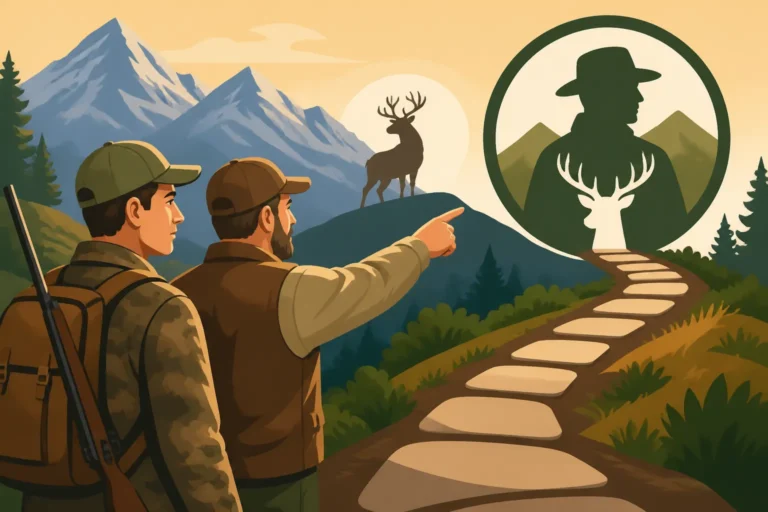
Beyond finding game, a good guide acts as a mentor and strategist. They help you evaluate shot opportunities, consider wind direction, and navigate unfamiliar territory safely. For hunters traveling from lower elevations, a guide can also help manage the physical demands of hunting at altitude, pacing the day to maximize your chances while minimizing exhaustion. This level of localized, real-time advice is something you simply cannot replicate with maps and online research alone.
Delving into the Wyoming Drop Camp Reality
In contrast to the all-encompassing guided hunt, a drop camp offers a balance of logistical support and self-sufficiency. It's an excellent option for experienced hunters who know how to hunt but want help accessing remote areas without the expense or constant presence of a guide. Think of it as having a comfortable base camp established for you deep in the backcountry, then taking the reins entirely for your hunting pursuits.
What a Drop Camp Provides (and What It Doesn't)
A Wyoming drop camp outfitter typically packs you and your gear, often via horses or mules, into a pre-established camp location in the backcountry. This camp usually includes a tent (or multiple tents), cots, cooking supplies, and basic amenities. They'll drop you off, agree on a pickup date, and then leave you to hunt independently. The core service is transportation and a comfortable, remote base. Wyoming Drop Camp Hunts Explained provides a great overview of these services.
What it doesn't provide is equally important to understand. You are responsible for all your own food, cooking, hunting strategy, navigation, field care of your animal, and packing it back to camp. If you harvest an animal, the outfitter will return on your scheduled pickup date to pack out your meat and trophy. However, getting the animal from where it fell to your camp is entirely on you and your hunting partners. This requires significant physical stamina, planning, and teamwork, especially in steep or rugged terrain.
The Allure of Independence and Self-Reliance
The primary draw of a drop camp is the sense of true wilderness independence. You and your hunting party are the sole decision-makers. You decide when to wake up, where to hunt, how long to stay out, and what tactics to employ. This freedom is incredibly appealing to seasoned hunters who cherish the challenge of figuring things out for themselves and the camaraderie of a self-directed hunt with trusted friends or family.
This self-reliance also means you are responsible for your safety, navigation, and emergency preparedness. Carrying a satellite communication device, knowing first aid, and being proficient with maps and a compass (or GPS) are not just good ideas—they are necessities. It’s an opportunity to truly test your outdoor skills against the vastness and challenges of the Wyoming backcountry, making any success feel deeply earned. For many, this level of personal involvement and problem-solving is the essence of a real hunting adventure.
Key Differences: Services, Support, and Skill Level
The fundamental distinction between a fully guided hunt and a drop camp boils down to the level of service and independence. It's not just about cost; it's about the entire experience you're seeking and the skills you bring to the table. Understanding these core differences is crucial before committing to either option.
Direct Comparison of Services Offered
Let's look at the direct services you can expect from each.
| Feature / Service | Fully Guided Hunt | Drop Camp Hunt |
|---|---|---|
| Guide & Field Expertise | Provided (one guide per 1-2 hunters) | Not provided; self-guided |
| Camp Setup & Maintenance | Provided (tent, cots, cooking gear, firewood) | Provided (tent, cots, cooking gear, often basic firewood) |
| Meals & Cooking | Provided (often cooked by camp staff) | Self-provided (you buy, cook, and clean up) |
| Transportation | Provided (horses, ATVs, vehicle to hunt areas) | In/out packing to camp location only |
| Animal Recovery | Guide assists with field dressing & packing out to camp/road | You pack to camp; outfitter packs from camp |
| Hunting Strategy | Guide leads planning and execution | You and your party plan and execute |
| Local Knowledge | Guide provides extensive, real-time knowledge | Relies on your own research and scouting |
| Safety & Emergency Support | Guide/outfitter handles emergencies in the field | Your responsibility; outfitter aware of your location |
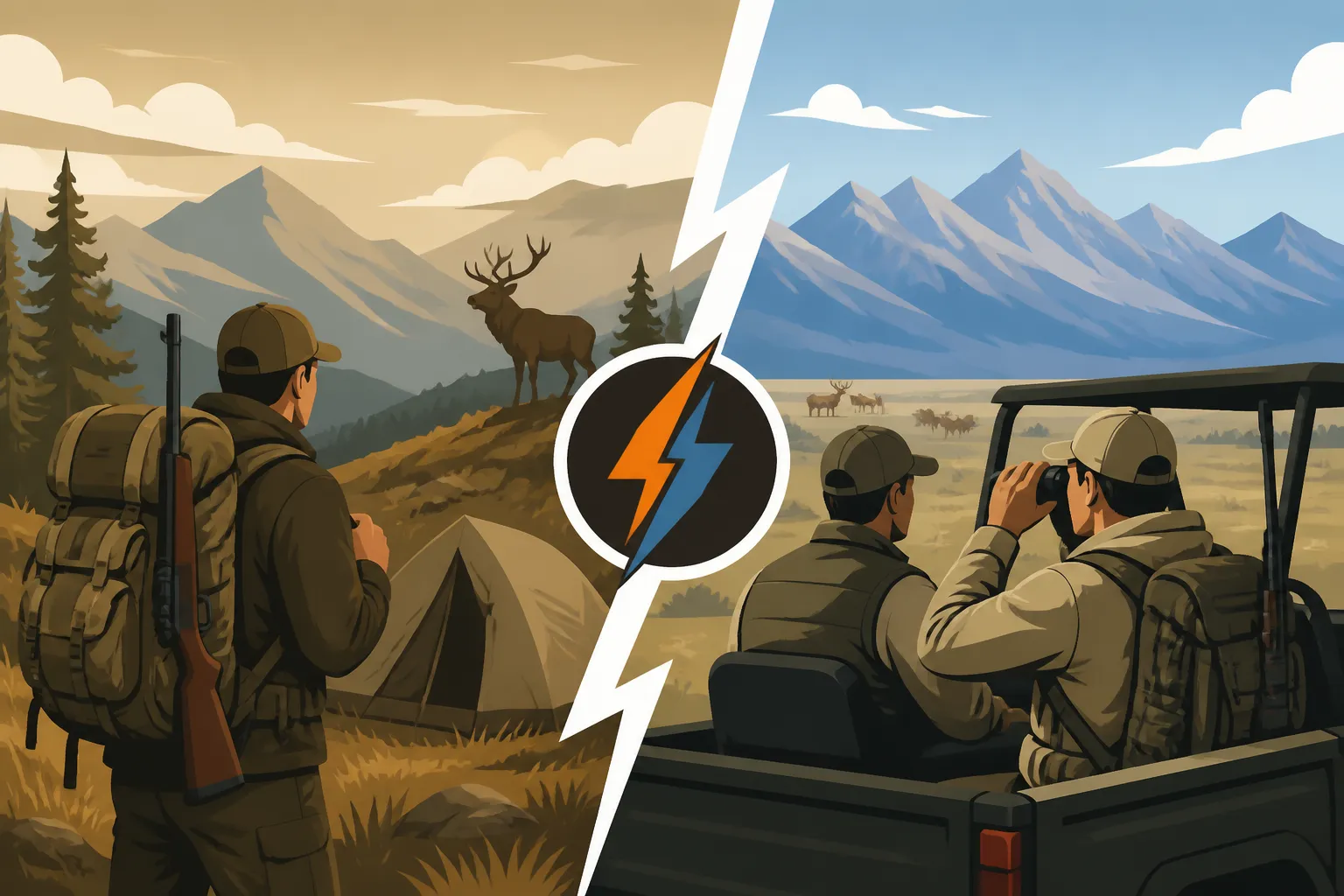
As you can see, the guided option covers almost every aspect of your trip once you arrive, while a drop camp streamlines access but leaves the day-to-day hunting logistics squarely on your shoulders. It's a spectrum from concierge service to wilderness independence. Drop Camp Against Fully Guided is a constant comparison in how you approach the hunt.
Required Hunter Skill Set
Your personal skill set is perhaps the most critical factor in deciding between these two options.
For a fully guided hunt, while some hunting experience is beneficial, it's not strictly necessary to have deep knowledge of Western hunting tactics or survival skills. The guide acts as your expert. What is important is physical fitness to navigate the terrain and the ability to follow instructions and communicate effectively with your guide. You're part of a team, and your guide will rely on your willingness to put in the effort they direct. This is a great entry point for new Western hunters.
For a drop camp hunt, a much higher degree of self-sufficiency and hunting prowess is required. You and your party need to be proficient in:
- Navigation: Reading maps, using GPS, and having a solid backup plan.
- Hunting: Locating, stalking, and field-judging game, as well as being a competent shooter.
- Survival: Basic first aid, shelter-building, fire-starting, and water purification.
- Physical Fitness: Packing heavy loads over challenging terrain is common, especially if you harvest an animal far from camp.
- Teamwork: Your group needs to work together seamlessly, as there's no outside assistance for days on end.
If you're unsure about your group's collective ability in these areas, a drop camp might be an overly ambitious undertaking, potentially turning a dream hunt into a perilous situation.
Cost Considerations: A Look at Your Wallet and Your Expectations
It's no secret that a Wyoming hunting adventure is an investment. When comparing fully guided hunts to drop camps, cost is a significant factor, but it’s important to understand the value you're getting for your money, not just the raw numbers. The shape of the costs differs dramatically, reflecting the difference in services provided.
The Price Tag of Full Service vs. Access
Generally speaking, a fully guided hunt will come with a substantially higher price tag. This is due to the extensive services, personnel (guides, cooks, wranglers), equipment (horses, vehicles, elaborate camp infrastructure), and permits an outfitter must maintain. You're paying for expertise, convenience, and a high level of logistical support. Think of it as purchasing a comprehensive hunting package where almost everything is handled for you, from locating game to packing it out. Guided Hunt Price Ranges by Species gives an idea of how these costs can fluctuate.
A drop camp, on the other hand, will typically be much less expensive. The outfitter's primary expenses are packing services, maintaining the camp gear, and perhaps some fuel. They're providing access to remote areas and a basic infrastructure, but they're not actively hunting with you or providing daily meals and guidance. This lower cost reflects the greater responsibility and effort placed on the hunter. You save money by doing much of the work yourself, including providing all your own food and making all your own hunting decisions.
Hidden Costs and Value Beyond the Dollar
When budgeting, remember that the sticker price isn't always the full story.
For fully guided hunts, while the initial cost is higher, many "hidden" costs are absorbed by the outfitter. For example, the cost of their specialized gear, horse feed, vehicle maintenance, and experienced staff are all built into the price. You'll still have your license fees, travel to Wyoming, and gratuities for your guides and camp staff to consider. What Outfitter Prices Leave Out is a crucial read to avoid surprises. However, the value of a guide's experience in getting you on an animal, ensuring your safety, and making the logistics seamless can be priceless, especially for a once-in-a-lifetime hunt.
For drop camps, while the upfront cost is lower, you'll incur more expenses on your own. You'll need to purchase all your food and cooking supplies, which can add up, especially for a week or more in the backcountry. You'll also need to ensure you have all the necessary hunting and survival gear, which can be a significant investment if you don't already own it. Consider the cost of a reliable GPS, a satellite communication device, a water filter, and high-quality backpacking gear. The mental and physical toll of planning, executing, and recovering an animal in the backcountry also needs to be factored in as a "cost" of your effort, though it's a rewarding one for many.
When researching outfitters for either option, platforms like BookYourHunt or GoHunt can provide a good starting point for comparing services and getting a general idea of pricing structures, though direct contact with outfitters is always best for current figures. Always ask for a detailed breakdown of what's included and what's not.
Choosing Your Adventure: Who Benefits Most from Each Option
Deciding between a fully guided hunt and a drop camp isn't just about money; it's about matching the experience to your personality, skill level, and what you hope to get out of your Wyoming adventure. Both offer incredible opportunities, but they cater to very different types of hunters.
The Ideal Candidate for a Fully Guided Hunt
A fully guided hunt is often the perfect fit for several hunter profiles:
- First-Time Western Hunters: If you've never hunted in the vast, rugged terrain of the West, a guided hunt provides an invaluable educational experience. You'll learn about glassing techniques, tracking, animal behavior in open country, and altitude management from seasoned professionals. It drastically increases your chances of success and safety.
- Hunters with Limited Time: If you have a busy schedule and can't dedicate weeks to pre-season scouting or extensive planning, a guided hunt removes that burden. The outfitter has already done the legwork.
- Those Seeking a High-Comfort Experience: While still a demanding physical activity, guided hunts typically offer more comfortable camps, delicious meals, and less worry about logistics, allowing you to focus entirely on the hunt and enjoying the scenery.
- Hunters Prioritizing Success: While no reputable outfitter guarantees a kill, their local knowledge and expertise significantly increase your odds of encountering game and having a shot opportunity. This is particularly appealing for hunters who have saved for years for a specific trophy animal.
- Hunters with Physical Limitations (within reason): While still physically demanding, guides can often adapt strategies to accommodate hunters with some physical limitations, perhaps focusing on areas with easier access or slower paces. However, Physical Conditioning for a Mountain Hunt is still very important.
Platforms like BookYourHunt can connect you with outfitters offering guided hunts, and you can often read reviews and see testimonials from previous clients to gauge their offerings.
The Ideal Candidate for a Drop Camp
A drop camp, conversely, is best suited for the more independent, experienced, and self-reliant hunter:
- Experienced Backcountry Hunters: If you're comfortable navigating remote wilderness, packing heavy loads, and are proficient in outdoor survival skills, a drop camp can be your ideal setup.
- Groups of Friends or Family with Proven Chemistry: Drop camps thrive on strong teamwork. Your group needs to communicate well, share responsibilities, and be able to resolve issues independently.
- Budget-Conscious Hunters Seeking Wilderness Immersion: You get deep into prime hunting country without the full expense of a guide. This allows for a more immersive, do-it-yourself feel, often enhancing the sense of accomplishment.
- Hunters Who Enjoy the Full Process: If you find satisfaction in all aspects of the hunt—from detailed planning and navigation to animal recovery and camp chores—a drop camp provides that complete experience.
- Hunters Who Value Solitude and Independence: While you might encounter other hunters, drop camps offer a much greater sense of isolation and the freedom to hunt entirely on your own terms, without a guide dictating the pace or strategy.
Regardless of your choice, conducting thorough research is paramount. Always ask specific Questions to Ask a Wyoming Outfitter and be aware of Red Flags When Booking a Wyoming Outfitter before you put down any deposits.
Preparing for Your Chosen Wyoming Expedition
Once you’ve wrestled with the decision and picked the style of hunt that resonates most with you, the real work of preparation begins. A successful Wyoming hunt, whether fully guided or a drop camp, hinges on meticulous planning and physical readiness.
Physical and Mental Conditioning
Wyoming hunting can be incredibly demanding, especially in the mountains. The altitude alone is often a shock to the system for hunters coming from sea level. Preparing for Altitude on a Wyoming Hunt involves starting a fitness regimen months in advance focusing on cardio and strength training. Hiking with a loaded pack, stair climbing, and general endurance exercises are vital. This isn't just about hunting efficiently; it's about safely navigating steep terrain and, if you're lucky, packing out a heavy animal.
Mentally, both types of hunts require resilience. You need to be prepared for long days, unpredictable weather, and the inevitable moments of frustration when game isn't cooperating. For a drop camp, this mental fortitude is even more critical, as you and your group are solely responsible for motivating each other and overcoming challenges.
Gear Up Properly
Your gear list will vary somewhat between a guided hunt and a drop camp, but quality is key for both.
For fully guided hunts, your outfitter will likely provide a detailed gear list. Pay close attention to clothing layers appropriate for variable mountain weather, high-quality boots broken in long before the trip, and your personal hunting equipment (rifle or bow, optics, rangefinder). While the outfitter handles much of the camp gear, your personal comfort and hunting effectiveness depend on your own kit.
For drop camps, your gear list is much more extensive, as you're responsible for nearly everything. In addition to personal hunting gear and clothing, you'll need:
- Cooking System: Stove, fuel, pots, pans, utensils, plates.
- Food: Enough calorie-dense, non-perishable food for your entire party for the duration of the trip, plus an emergency reserve.
- Water Purification: Filters, purifiers, or treatment tablets, as you'll be relying on natural water sources.
- Navigation Tools: GPS with spare batteries, detailed maps, compass, and the skills to use them.
- Emergency Communications: A satellite messenger or phone is non-negotiable for safety.
- Animal Processing & Packing Gear: Game bags, sharp knives, a bone saw, and a sturdy frame pack capable of carrying heavy loads.
- First-Aid Kit: Comprehensive and tailored for backcountry emergencies.
Always remember that in the backcountry, gear failures can have serious consequences. Invest in quality and test everything before you leave home.
Research and Logistics Beyond the Hunt Itself
Beyond the hunt, consider the broader logistics. You'll need to secure your licenses and tags well in advance. Wyoming has specific application deadlines that you absolutely cannot miss. Booking Before You Draw a Wyoming Tag is often a necessary strategy, especially for popular outfitters. Use resources like the Wyoming Game and Fish Department website and tools from GoHunt to research draw odds and hunt areas.
Finally, think about what happens after the hunt. How will you get your meat processed and shipped home? What about taxidermy? Many outfitters have preferred local contacts, but if you're on a drop camp, you'll need to arrange this yourself. Having these plans in place prevents logistical headaches after a physically demanding hunt. And don't forget to review Wyoming's Wilderness Guide Law for Nonresidents if you plan to hunt in designated wilderness areas, as specific rules apply.
Disclaimer
This article is for general informational purposes only and does not constitute professional advice. Laws, prices and regulations vary by location and change over time. Consult a qualified professional for guidance on your specific situation.