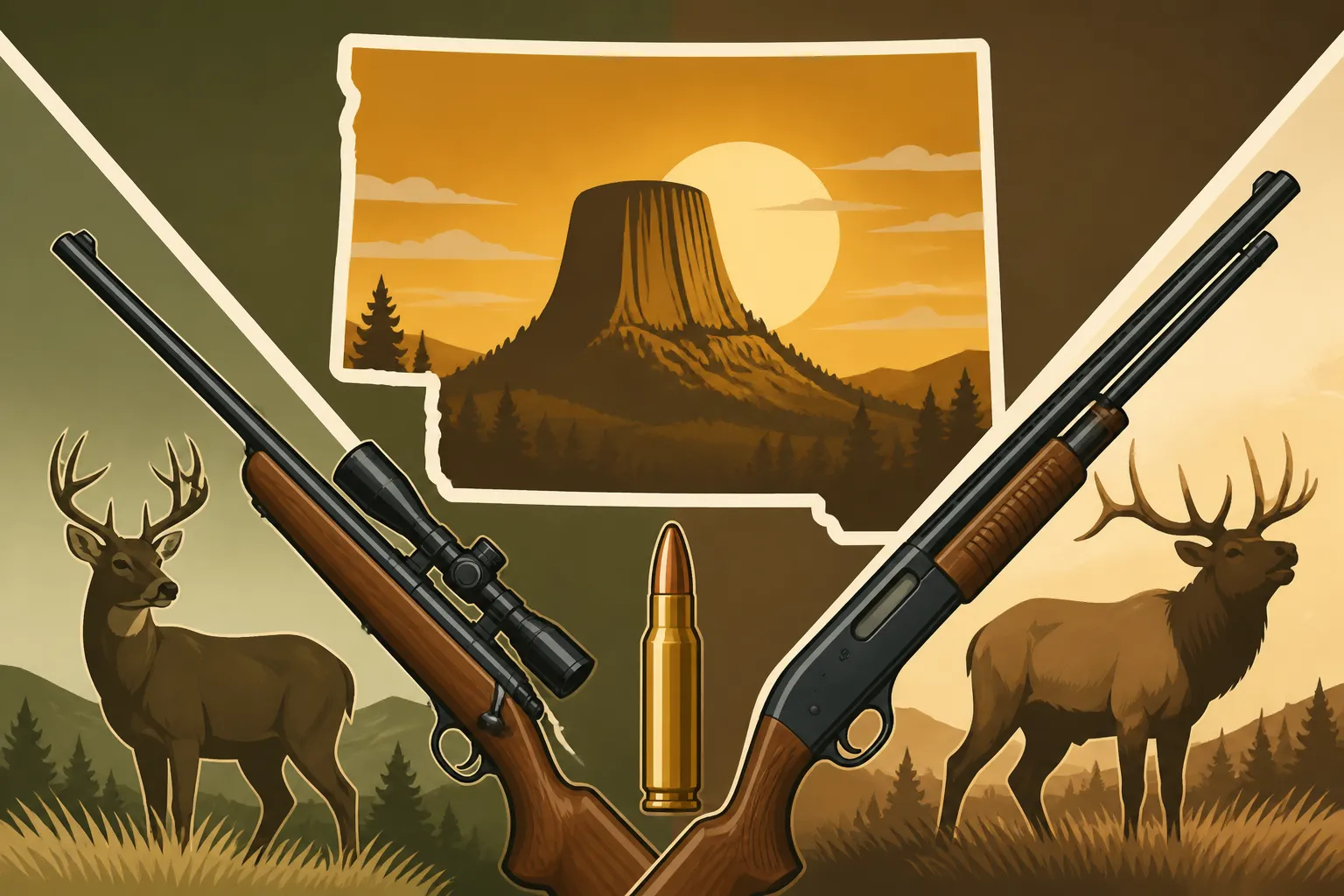
Centerfire, Shotgun and the .22 WMR Exception in Wyoming
There's a lot of confusion out there, especially for folks new to hunting in Wyoming or even seasoned hunters crossing state lines, about what exactly counts as a legal firearm for big game. It’s not as simple as grabbing your favorite rifle and heading out. You need to understand the nuances of centerfire calibers, when a shotgun might be permissible, and that often misunderstood ".22 WMR exception." This guide is going to walk you through the nitty-gritty, clearing up the haze so you can hunt confidently and legally in the Cowboy State.
Understanding Wyoming's Core Firearm Regulations for Big Game
When you're chasing elk, deer, or antelope across Wyoming's vast landscapes, the tool you choose matters immensely – not just for ethical harvesting, but for legal compliance. The state has specific rules to ensure fair chase and humane kills, primarily focusing on the power and type of ammunition used. Ignoring these can lead to a quickly ruined hunt, fines, or worse.
The Basics of Centerfire Rifle Legality
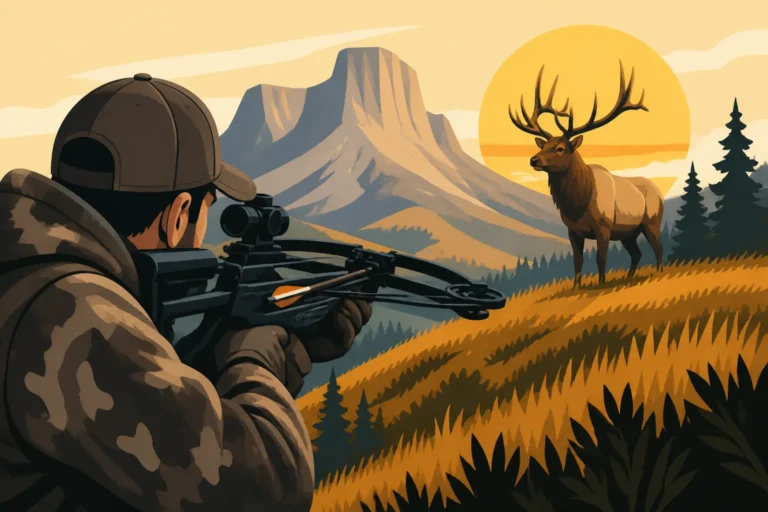
For most big game hunting in Wyoming, a centerfire rifle is your go-to. The regulations are pretty straightforward here, largely centered around ensuring you have enough bullet power to humanely take down an animal. Generally, you're looking at a minimum caliber of .24 (or 6mm), meaning anything smaller than that, like a .223 Remington for instance, is typically off the table for elk or moose. This isn't just an arbitrary number; it's about kinetic energy and bullet diameter, which contribute to effective penetration and tissue damage.
Beyond the caliber, the type of bullet you use is also critical. Wyoming, like most states, requires projectiles that are designed to expand upon impact. This means soft-nosed, hollow-point, or other expanding bullets are mandatory. Full metal jacket (FMJ) bullets, often used for target shooting, are strictly prohibited for big game. The rationale is simple: FMJs punch clean holes, often without transferring enough energy to incapacitate the animal quickly, leading to prolonged suffering and increased tracking difficulty. Always double-check your ammunition to ensure it meets these ethical and legal standards before heading afield. For a comprehensive overview, check out the official list of what Wyoming counts as a legal firearm for big game.
Why Rimfire Calibers are Generally Excluded and the .22 WMR Exception
Here’s where a lot of hunters can get tripped up, especially those coming from areas with different regulations. For big game in Wyoming, rimfire cartridges are almost universally prohibited. This includes popular calibers like the .22 Long Rifle and even the more powerful .17 HMR. The reason, again, boils down to ethical hunting: these calibers simply do not possess the kinetic energy or bullet mass required to consistently achieve a humane kill on large animals like deer or elk. They’re designed for smaller game, pests, or target practice, not for taking down an animal that can weigh hundreds of pounds.
However, there is an "exception" that often causes confusion, and that's the .22 Winchester Magnum Rimfire, or .22 WMR. While it is a rimfire cartridge, Wyoming's regulations allow its use for specific small game and predators, but emphatically NOT for big game. This means you might legally use a .22 WMR for hunting coyotes or prairie dogs, but it's completely illegal and unethical for taking deer, antelope, or any other big game species. It's a common misunderstanding because the .22 WMR is indeed "legal to hunt with" in Wyoming, but that legality comes with very strict limitations on what you can hunt with it. Always remember: big game requires centerfire or specifically allowed shotgun slugs. If you're wondering which animals the .22 WMR is legal for hunting, you'll find it's a very different list than those requiring a serious big game cartridge.
Shotguns for Big Game: More Nuance Than You Think
While centerfire rifles are the predominant choice, shotguns do have their place in Wyoming's big game hunting, though with very specific stipulations. You won't be using them with birdshot, that's for sure. Understanding when and how a shotgun can be used is crucial, especially if you're hunting in areas with specific weapon restrictions.
Shotgun Caliber and Ammunition Requirements
When we talk about shotguns for big game in Wyoming, we are exclusively talking about shotguns firing a single projectile – a slug. Buckshot, while powerful, spreads too widely to guarantee an ethical kill on big game and is therefore illegal. The minimum gauge generally accepted for big game is 20-gauge, though 12-gauge is far more common due to its increased power and wider availability of slug options. The slugs themselves must be of a type designed for hunting, meaning solid, expanding projectiles. You'll find a variety of rifled slugs, sabot slugs, and other specialized designs on the market.
It’s important to practice with the specific slugs you intend to hunt with, as shotgun accuracy with slugs can vary greatly between different brands and even different lots of ammunition. Unlike a rifle that typically shoots consistently with a chosen cartridge, shotguns often have a preferred slug type that groups better. Ethical hunting dictates that you know your effective range, and with slugs, that range is significantly shorter than with a centerfire rifle, typically topping out around 100-150 yards for most setups. If you're exploring the option of using a shotgun for deer, especially out west, it's worth diving into whether shotguns are legal for hunting deer out west.
Geographic and Species-Specific Shotgun Rules
Wyoming's hunting regulations are highly specific, and while shotguns are generally legal for big game with slugs, their use might be influenced by the particular hunt area or species. For example, some heavily timbered regions, or areas with high human population density might encourage or even mandate the use of shotguns over high-powered rifles due to safety considerations or projectile range. These instances are rare for big game but can occur. It’s also worth noting that shotguns are often a legal and popular choice for species like wild turkey, which are classified as game birds, but this is a different category altogether from big game.
The key takeaway here is to always consult the current Wyoming Game and Fish Department regulations for your specific hunt area and species. Regulations can change year to year, and some hunt areas have unique rules. What might be legal for deer in one area could be restricted for elk in another, or for a particular season. Tools like GoHunt's insider information and unit breakdowns are invaluable for cross-referencing these specifics, ensuring you’re not caught off guard by a hyper-local restriction. Understanding Wyoming hunt areas that limit your weapon choice is paramount to a successful and legal hunt.
Diving Deeper into Centerfire Rifle Specifications
Choosing the right centerfire rifle and ammunition isn't just about legality; it's about maximizing your chances of a clean, ethical harvest. Wyoming's vastness and the ruggedness of its big game demand respect, and your equipment should reflect that.
Minimum Caliber and Bullet Energy for Ethical Kills
As mentioned, Wyoming generally sets a minimum caliber of .24 (6mm) for big game. This means calibers like the .243 Winchester, 6mm Creedmoor, and larger are good to go. However, just meeting the minimum caliber doesn't automatically make it the best choice for every situation. While a .243 can certainly take a deer, you might want something with more punch for larger species like elk or moose, especially if shots could be longer or angles less than ideal. Common, highly effective calibers like the .270 Winchester, .30-06 Springfield, and .300 Winchester Magnum are perennial favorites for a reason – they deliver ample energy and bullet weight for most Western big game.
The concept of "bullet energy" is crucial. It’s not explicitly written into Wyoming’s law with a foot-pound minimum, but it’s the underlying principle. A bullet needs sufficient energy to penetrate deeply, break bone, and create enough hydrostatic shock to quickly dispatch an animal. A lighter, faster bullet might have high initial energy, but it sheds that energy quickly. A heavier, slower bullet often retains energy better over distance and can offer better penetration. When considering your rifle, think about the species you're pursuing and the typical shot distances you might encounter. For a more detailed look at popular choices, considering what is the best all-around caliber for a Western hunt can provide valuable insights.
Bullet Construction and Legal Requirements
Wyoming law is clear: bullets must be soft-nosed or expanding. This isn't just a suggestion; it's a legal requirement designed to promote humane harvesting. When an expanding bullet hits an animal, it mushrooms, increasing its diameter and creating a larger wound channel. This expansion transfers more energy to the animal, damages more tissue, and increases the likelihood of a quick, ethical kill compared to a non-expanding projectile.
There are many types of expanding bullets on the market, from traditional cup-and-core soft points (like Remington Core-Lokt or Winchester Power-Point) to more advanced bonded bullets (like Federal Fusion or Nosler AccuBond) and monolithic projectiles (like Barnes TSX). For bigger, tougher animals like elk, or when shooting at higher velocities, premium bonded or monolithic bullets often offer better weight retention and deeper penetration, minimizing fragmentation. It’s always a good idea to match your bullet construction to the game you're hunting; a bullet designed for thin-skinned deer might behave differently on the thick hide and heavy bones of a mature bull elk. Researching bullet performance and understanding how different designs expand is key to making an informed and ethical choice.
The .22 WMR Exception: A Closer Look
The .22 WMR's inclusion in this discussion often raises eyebrows, and for good reason. It stands as a prime example of how specific regulations can create confusion if not understood in their full context. While indeed an "exception" to the general rule for rimfire cartridges, its role in hunting is sharply defined and utterly separate from big game.
Specific Animals and Conditions for .22 WMR Use
Let's cut right to it: the .22 WMR is not a legal caliber for hunting big game in Wyoming. It's crucial to understand this distinction. The "exception" refers to its legality for other, smaller species. Specifically, the .22 WMR can be legally used in Wyoming for hunting certain small game, furbearers, and predators, such as coyotes, foxes, rabbits, and ground squirrels. This allows hunters to pursue these smaller animals without needing to carry a larger centerfire rifle designed for big game.
However, even for these smaller species, responsible hunting dictates that the .22 WMR be used within its effective range. While it's more powerful than a .22 LR, it still has significant limitations in terms of range and energy transfer, especially on larger predators like coyotes. Shot placement is paramount, and stretching the ethical limits of the cartridge is always discouraged. If you’re planning a trip focused on predator control or small game, knowing the rules around hunting coyotes in Wyoming year round can be very helpful, but remember, these rules don't cross over into big game.
Understanding the Regulatory Intent
The Wyoming Game and Fish Department’s regulations regarding firearm calibers are rooted in conservation, ethical hunting practices, and public safety. The intent behind excluding smaller rimfire cartridges, while allowing the .22 WMR for specific species, is to ensure that hunters use appropriate tools for the job. Using an underpowered cartridge for a large animal significantly increases the risk of wounding the animal, causing it undue suffering, and leading to a lost animal. This is a scenario no ethical hunter wants.
The distinction made for the .22 WMR acknowledges its increased power over other rimfires, making it suitable for certain mid-sized small game and predators, but it draws a firm line at big game. This legislative approach tries to balance hunter opportunity for various species with the paramount concern for animal welfare and clean kills. It's about respecting the game and the hunting tradition by using tools that are up to the task.
| Firearm Type | Minimum Caliber/Gauge | Ammunition Type | Big Game Use | Primary Limitations |
|---|---|---|---|---|
| Centerfire Rifle | .24 (6mm) | Expanding/Soft-Nosed | Yes | Minimum caliber, bullet construction |
| Shotgun | 20-Gauge (for slugs) | Slugs (no buckshot) | Yes | Slugs only, shorter effective range, accuracy with slugs |
| Rimfire Rifle | (e.g., .22 LR, .17 HMR) | (Various) | No | Insufficient power for humane big game kills |
| .22 WMR | .22 WMR | Rimfire, Expanding | No | Only for specified small game/predators, NOT big game |
| Muzzleloader | .40 Caliber | Conical bullet, minimum 50 gr powder | Yes | Single shot, black powder/substitute, short range |
| Handgun | .40 Caliber | Expanding/Soft-Nosed | Yes | Minimum caliber, shorter effective range, proficiency |
Note: This table summarizes general rules. Always consult current Wyoming Game and Fish Department regulations for specific hunt area or species rules.
Strategic Considerations for Firearm Choice
Beyond the legal requirements, making an informed choice about your firearm involves considering the practicalities of your hunt. Wyoming offers incredibly diverse terrain and hunting scenarios, and what works best in one situation might be a poor choice in another.
Matching Your Firearm to the Hunt Area and Species
Wyoming is a land of contrasts, from dense timber pockets in the mountains to vast, open sagebrush plains. Your firearm choice should align with the environment and the species you’re after. For instance, hunting mule deer or antelope in wide-open country often means longer shot opportunities. In these scenarios, a flat-shooting centerfire rifle zeroed for 200 or 300 yards, perhaps a 7mm Rem Mag or a .300 Win Mag, can provide a significant advantage. Understanding your rifle zero distance for open country shooting is critical here. These long sightlines are where GoHunt's mapping tools shine, helping you scout terrain and understand potential shot distances before you even set foot in the field.
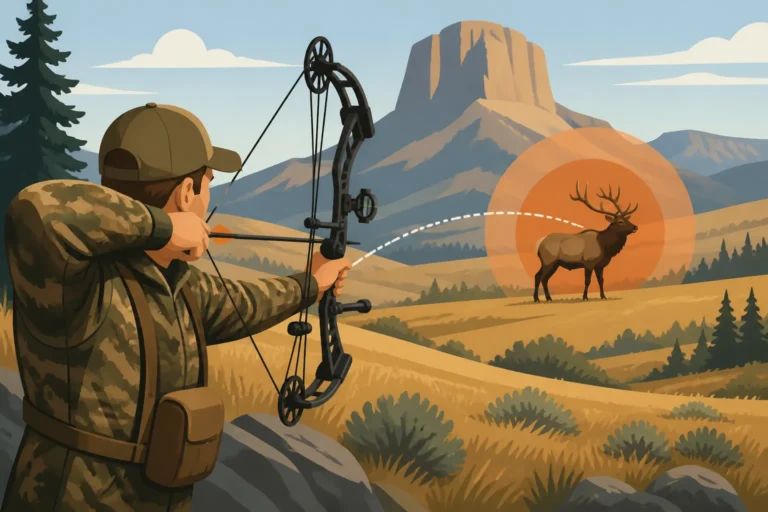
Conversely, if you're stalking elk in dark timber or hunting whitetails in dense river bottoms, shot opportunities might be much closer, often under 100 yards. Here, a shorter, handier rifle in a potent caliber like .30-06 or even a lever-action .45-70 (if legal in your specific unit and with appropriate expanding bullets) can be excellent. The focus shifts from extreme range to quick handling and reliable stopping power at close quarters. Always consider the realistic maximum range you're comfortable shooting accurately, regardless of what your rifle is theoretically capable of.
Suppressors and Other Accessories
Modern hunting often incorporates various accessories to enhance safety, comfort, and ethical hunting practices. When it comes to suppressors, Wyoming is one of the states that permits their use for hunting big game. This can be a significant benefit for hearing protection, reducing recoil, and minimizing disturbance to other wildlife or nearby hunters. However, always ensure your suppressor is legally registered and compliant with all federal and state laws before taking it afield. Understanding whether suppressors are legal for big game is a common question, and thankfully, in Wyoming, they generally are.
Other accessories like bipods or shooting sticks are also perfectly legal and highly recommended, especially for open-country hunting where stable shooting positions can be scarce. Quality optics, including rifle scopes, binoculars, and spotting scopes, are invaluable for locating game, evaluating animals, and ensuring precise shot placement. Electronic calls, however, are a different story; while legal for predators and varmints, they are typically prohibited for big game. Always consult the regulations for any electronic device to avoid a costly mistake.
Legal Requirements and Hunter Responsibility
Ultimately, the responsibility for hunting legally and ethically rests squarely on your shoulders. Ignorance of the law is never an excuse, and game wardens in Wyoming are diligent in enforcing regulations to protect the state's valuable wildlife resources and maintain fair chase principles.
Carrying Proof of Compliance and Hunter Education
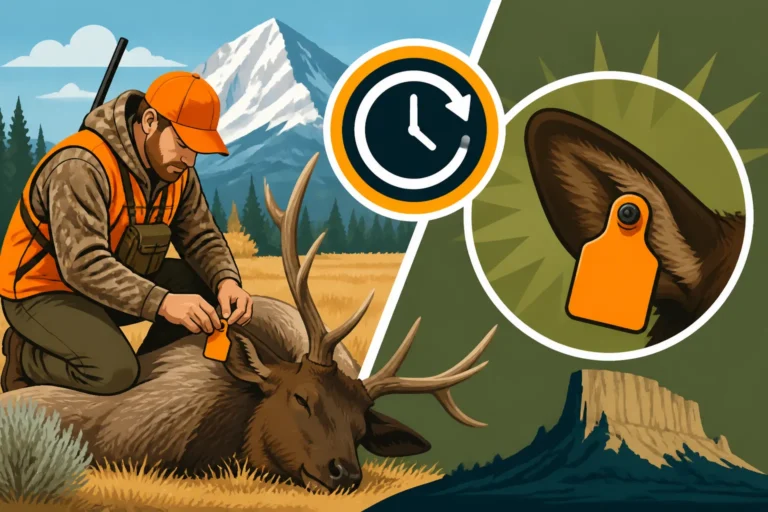
When you're out in the field, it's not enough to just have your license and hunter education certificate; you need to have physical proof of them readily accessible. This means your valid hunting license (including species tags) and your hunter education card should be on your person. Game wardens frequently conduct checks, and being unable to provide proof can result in citations or worse. For non-residents, proving prior hunter education from another state is usually acceptable, but again, carry the actual card or a verified document.
This isn't just bureaucratic red tape; it's a critical part of ensuring that everyone pursuing game in Wyoming has demonstrated basic knowledge of firearm safety, wildlife conservation, and ethical hunting practices. It upholds the integrity of the hunting tradition. Making sure you're carrying proof of certification in the field can save you a lot of grief.
Respecting Seasonal and Weapon-Specific Closures
Wyoming’s hunting regulations are dynamic and can be highly specific to individual hunt areas and seasons. A particular hunt area might allow any legal firearm during the general rifle season but be designated as "archery-only" for an earlier period. Some areas might have late-season antlerless hunts that permit different weapon types than the main season. It is imperative to read the specific regulations for the hunt area and species you have drawn or intend to hunt. Don't assume that what was legal last year, or what's legal in an adjacent unit, is applicable everywhere.
Before you finalize your gear and head out, always consult the most current Wyoming Game and Fish Department regulations booklet or their online resources. These documents outline seasonal dates, bag limits, weapon restrictions, and any special provisions for each hunt area. Tools like GoHunt provide an excellent platform for researching hunt areas and their specific regulations, helping you cross-reference information and avoid common pitfalls. Staying informed about Wyoming hunt areas that limit your weapon choice is the best way to ensure your hunting experience is both enjoyable and completely legal.
Disclaimer
Please be aware that hunting regulations are subject to change. While this guide provides comprehensive information, it is not a substitute for the official Wyoming Game and Fish Department regulations. Always consult the most current printed or online regulations directly from the Wyoming Game and Fish Department before planning or engaging in any hunting activities.