How Soon You Must Tag a Downed Animal
The moment a big game animal drops in Wyoming, that rush of success is exhilarating, a culmination of effort and skill. But in that excitement, it’s all too easy for critical regulations to slip a hunter’s mind, especially the seemingly simple act of tagging. Missteps here can quickly turn a triumph into a legal headache, leaving you wondering exactly how soon you truly need to affix that tag to your hard-earned animal. This guide will meticulously break down Wyoming’s tagging requirements, helping you understand the legal interpretations, practical steps, and the critical importance of immediate compliance in the field.
Understanding Wyoming's Immediate Tagging Mandate
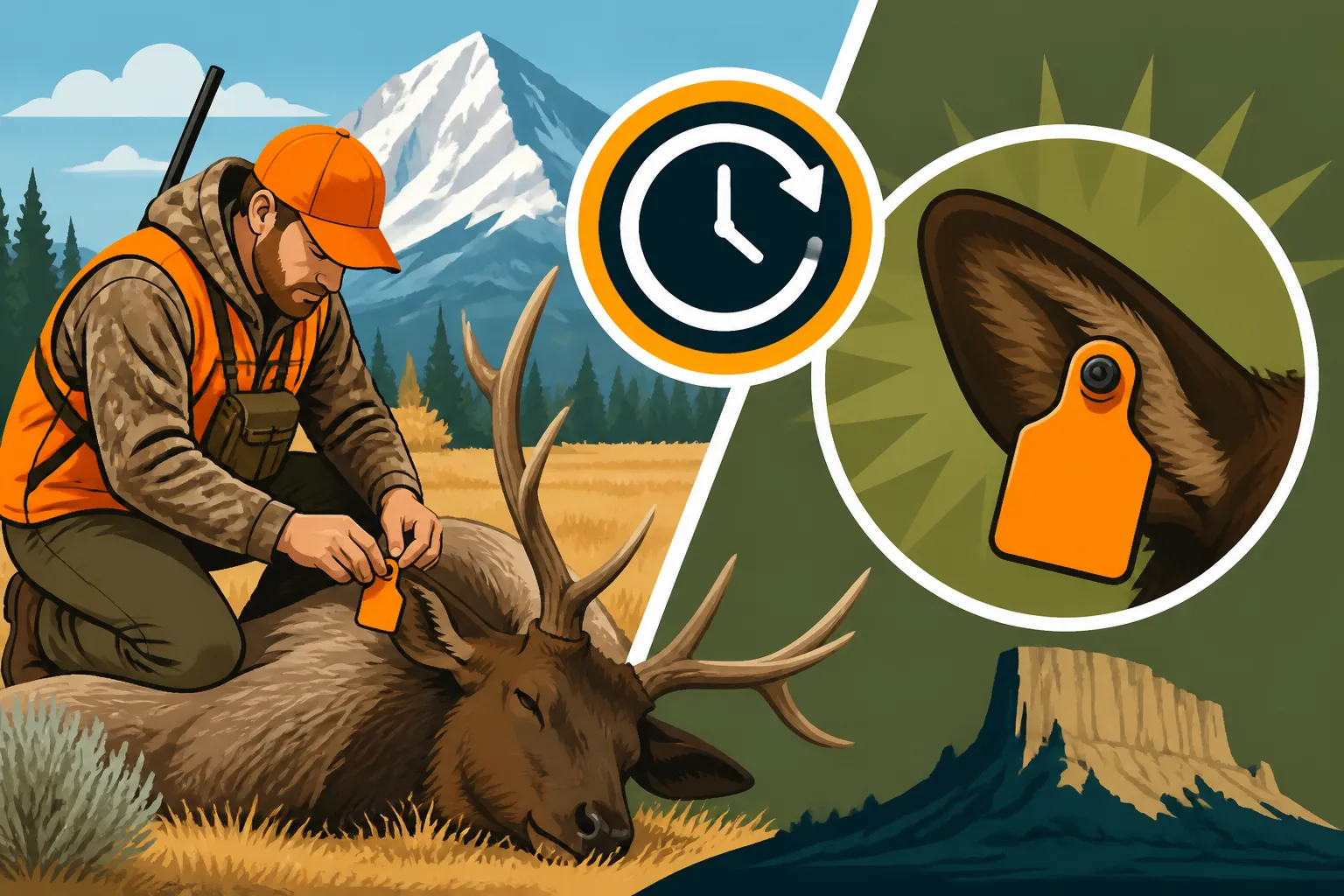
Wyoming’s regulations are pretty clear-cut when it comes to tagging, but the word "immediately" can sometimes feel a little vague when you’re out in the vastness of the backcountry. What does it really mean to tag an animal immediately upon harvest? It means exactly what it sounds like, with almost no wiggle room. The moment that animal is down, unequivocally deceased, and secured, your very next priority, even before admiring your trophy or starting the field dressing process, is to get that tag on it.
This isn't just a suggestion; it’s a non-negotiable legal requirement. The Wyoming Game and Fish Department (WGFD) specifies that your valid license or tag must be detached from your carcass coupon and securely affixed to the animal before it is moved from the kill site and before any part of the carcass is removed or field dressed. Think of it as marking your claim, legally and officially. This immediate tagging rule is in place for a multitude of reasons, primarily to prevent illegal possession, reduce the potential for "tagging out" multiple animals with one license, and ensure strict accountability for every animal harvested. It’s about maintaining the integrity of the hunt and the health of the wildlife populations. Ignoring this step, even for a few minutes while you celebrate or begin to quarter, can put you in a precarious legal position, potentially leading to fines or even forfeiture of your animal and hunting privileges. It’s a serious part of the hunting contract we agree to when we pursue game in this incredible state.
The Practicalities of Tagging in the Field
Alright, so the animal is down. Your heart is pounding, and the elation is immense. What, precisely, do you do next to comply with that "immediate" tagging rule? First, ensure the animal is indeed expired and safe to approach. Once you’ve confirmed that, your focus immediately shifts to your license. You'll need to locate the correct carcass coupon on your license, which is the specific part that corresponds to the species and type of animal you’ve harvested. For example, if you shot a bull elk, you’ll be looking for the elk carcass coupon, usually clearly marked with the license type (e.g., Type 1, Type 6).
Next, you need to detach this coupon from the main license. Most Wyoming licenses are designed with perforations to make this easy. Once detached, you must legibly and permanently fill out the required information on the tag. This typically includes the date and time of kill, the sex of the animal, and the hunt area number where it was harvested. Don't rush this; use a waterproof pen if possible, as smudged or illegible information is just as problematic as missing information. This detailed record is vital for wildlife management, allowing biologists to track harvest data and make informed decisions about herd health and future quotas. Many experienced hunters keep a small, permanent marker or pen specifically for this purpose in their hunting pack, along with a few zip ties or lengths of durable cord. Once filled out, the tag must be securely attached to the carcass. The WGFD regulations usually specify attaching it to the horn, antler, or leg of the animal. A sturdy zip tie or piece of twine works perfectly for this, ensuring it won't accidentally fall off during field dressing or transport. Imagine the nightmare of getting back to your truck, only to find your tag missing – that's a situation you absolutely want to avoid. Being prepared with the right tools in your pack is a simple step to prevent such a stressful scenario. For a thorough review of the physical document itself and its various components, it's always helpful to understand Wyoming's Carcass Coupon and Tagging Rules.
Beyond the Tag: Additional Carcass Requirements
Once your animal is legally tagged, your responsibilities don't end there. Wyoming has further regulations regarding how you handle and transport the carcass, all designed to ensure ethical hunting practices and robust wildlife management.
Evidence of Sex Requirements on a Carcass
One crucial detail often overlooked in the moment is the requirement to maintain evidence of sex on the carcass, especially for species where tags might be specific to a male or female animal, or an antlered versus antlerless animal. For antlered big game, at least one antler or a portion of the skull plate with an antler naturally attached must remain with the carcass during transport. For antlerless big game, the head, or the external genitalia must accompany the carcass. This evidence must remain with the meat until it reaches your home, a taxidermist, or a commercial meat processor. This rule is in place to verify that you harvested an animal matching your license type (e.g., ensuring a hunter with a cow elk tag didn't mistakenly take a bull). It’s a check-and-balance system that helps prevent misidentification and ensures hunters comply with the specific licenses they hold. Always double-check the regulations for your specific species and hunt area, as these details can sometimes vary. For a deeper dive into this specific rule, you might find it beneficial to read up on the Evidence of Sex Requirements on a Carcass.
Meat Salvage and Wanton Waste
Wyoming takes the concept of fair chase and responsible hunting very seriously, and a big part of that is ensuring that no part of an edible animal goes to waste. The state has strict laws against wanton waste, which essentially means you are legally required to remove and transport from the field all edible portions of the animal. This isn't just about the choice cuts; it means the entire edible carcass. Think of the backstraps, hindquarters, front shoulders, and all muscle tissue. Leaving significant portions of edible meat in the field, unless it's genuinely spoiled or rendered inedible by the shot, is a serious offense. This regulation respects the animal you’ve harvested and the resource it represents. It’s also a common sense practice rooted in conservation ethics. Field dressing and quartering your animal promptly not only ensures the meat stays cool and doesn't spoil but also makes it easier to comply with these salvage requirements. If you're wondering about the specifics, delving into The Meat Salvage Requirements for Big Game and Wanton Waste Rules Every Wyoming Hunter Should Know can provide much-needed clarity. Knowing these rules intimately before you head out can save you a lot of grief and ensure a respectful harvest.
Transporting the Tagged Animal
Once the animal is tagged, field dressed, and the evidence of sex is maintained, the next step is transportation. The tag must remain securely attached to the largest portion of the carcass being transported. If you’ve quartered your animal, for instance, the tag needs to be with the portion that includes the evidence of sex. The goal here is clear: at any point during transport, if a game warden encounters you, they should be able to instantly verify the legality of your harvest by checking the tag and the evidence of sex. This is why having a securely fastened tag is paramount. Many hunters use additional ties or even small game bags to ensure the tag stays put, especially when navigating rough terrain or long distances.
Avoiding Common Pitfalls and Ensuring Compliance
The best way to avoid any issues with tagging and carcass handling is through thorough preparation and a clear understanding of the rules before you ever step foot in the field.
Pre-Hunt Preparation
Before your hunt even begins, take the time to read the current year's Wyoming Game and Fish regulations booklet cover to cover. Regulations can change, and what was legal last year might not be this year. Pay particular attention to the sections on tagging, carcass handling, and any specific rules for your chosen species and hunt area. Many hunters find resources like the Wyoming Hunt Planner invaluable for understanding boundaries and specific rules. It’s also wise to prepare your gear. Always carry a waterproof pen or marker, extra zip ties or strong cord, and perhaps a small knife dedicated to detaching your tag. These small items can prevent a big headache. For more details on where to find the official information, check out Where the Current Wyoming Regulations Are Posted.
Dealing with Challenging Situations
Sometimes, the kill site isn't ideal. What if you're in incredibly steep, rocky terrain, or the animal falls into a creek? The "immediately" rule still applies. You must tag the animal before any attempt to move it from the precise spot where it fell, and before you start any field dressing. This might mean carefully navigating difficult terrain to reach the carcass, or even getting wet, but the legal requirement stands. The law prioritizes the tagging act over convenience.
For species like black bears, you might encounter different requirements for initial reporting. While this article focuses on big game tagging, it's a good example of how specific regulations can apply. Always know the rules for your specific quarry.
Potential Penalties for Non-Compliance
The penalties for failing to tag an animal immediately or incorrectly can be severe. Depending on the specifics of the violation, you could face significant fines, the confiscation of your harvested animal, suspension of your hunting privileges, and even criminal charges. These are not minor infractions; they are taken very seriously by the WGFD because they undermine the careful management of Wyoming's wildlife resources. For instance, being caught transporting an untagged animal, even if you harvested it legally, can lead to charges of illegal possession. Ignorance of the law is rarely an acceptable defense in court. It’s paramount to operate with transparency and strict adherence to the rules.
Utilizing Resources for Clarity
If you ever have a doubt or question while in the field, don't hesitate. You can often contact the Wyoming Game and Fish Department directly. Saving the phone number for your regional WGFD office in your phone is a smart move. While phone service might be spotty in some backcountry areas, it’s a valuable resource if you can get a signal. Additionally, many online platforms and communities, like those often discussed on GoHunt forums, provide a wealth of shared experience and insights from other hunters, though official sources should always be the ultimate authority. Understanding rules like Wyoming Legal Shooting Hours for Big Game or how to go about Proving Your Hunter Education Out in the Field are just a couple of examples of the many regulations that require your careful attention and compliance.
The table below summarizes these critical actions and their importance in your Wyoming hunt:
| Action | Requirement | Why It's Crucial |
|---|---|---|
| Tagging Animal | Immediately upon kill, before moving or field dressing. | Legal proof of harvest, prevents poaching, ensures fair chase. |
| Filling Out Tag | Legibly with date, time, sex, and hunt area. | Accurate record-keeping for wildlife management and enforcement. |
| Attaching Tag | Securely to the carcass as specified (e.g., horn, leg). | Prevents tag loss, clearly identifies legal harvest. |
| Maintaining Evidence of Sex | Until processed or transported to residence/commercial processor. | Verifies legal harvest of specific sex/antler restrictions. |
| Salvaging Edible Meat | All edible portions must be removed and transported. | Prevents wanton waste, respects the animal and resource. |
| Understanding Hunt Area Boundaries | Know your boundaries before the shot. | Ensures legal hunting location, prevents unintentional trespass. |
Disclaimer
Always consult the official Wyoming Game and Fish Department regulations for the most current and comprehensive information. This guide provides general advice and interpretations and should not be considered a substitute for the official state hunting regulations.