Fishing and Hunting Combination Trips in Wyoming
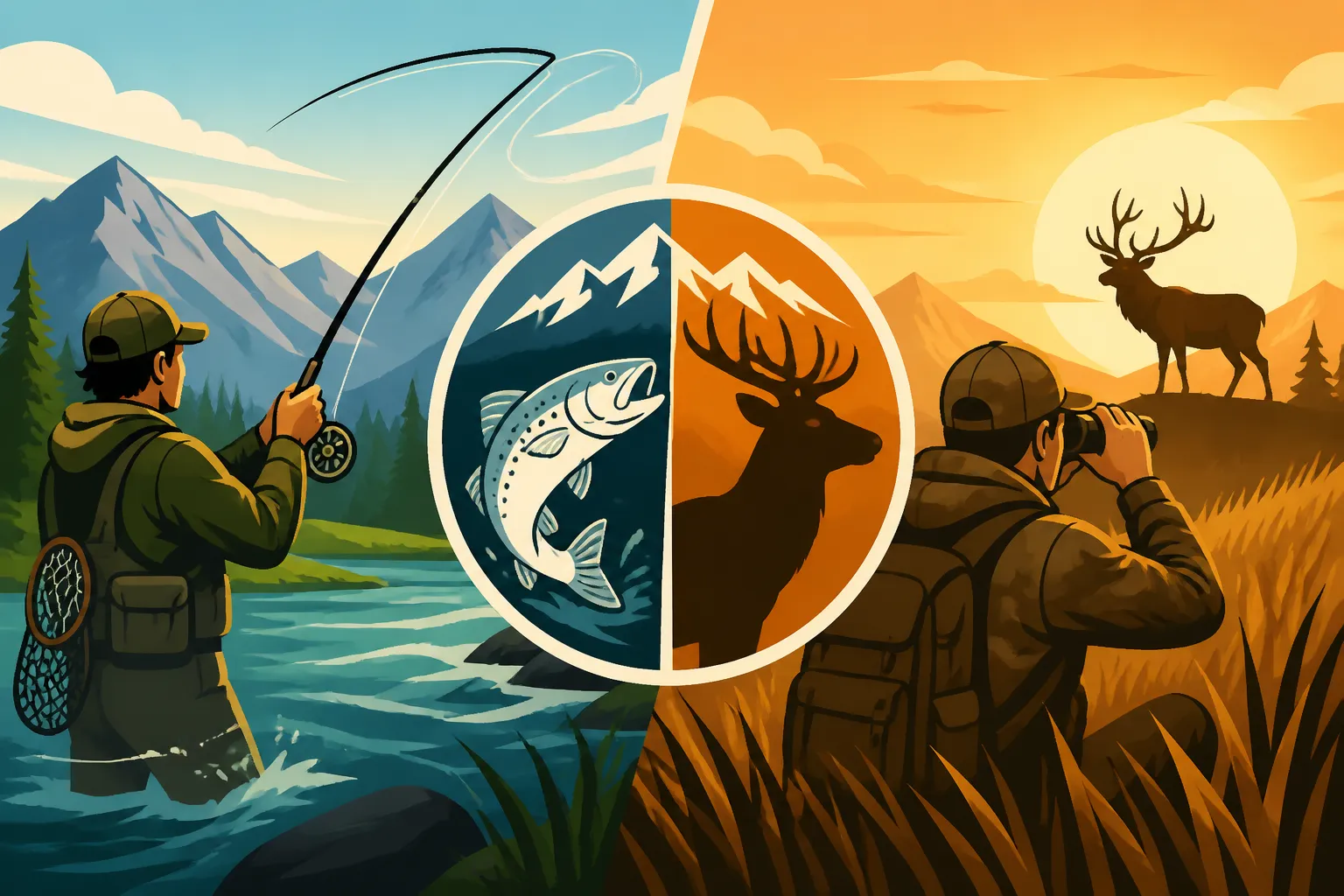
Oh, the age-old dilemma for anyone planning a trip to the Cowboy State: Do you chase the high country bull elk, or do you dedicate your time to casting flies on a pristine mountain stream? For many of us, precious vacation days are a finite resource, and the thought of choosing just one incredible outdoor adventure in Wyoming can feel like leaving half your soul behind. But what if you didn't have to choose? This guide is all about diving deep into the world of fishing and hunting combination trips in Wyoming, showing you how to maximize your time and experience the best of both worlds in one epic adventure.
Why Mix Hunting and Fishing on One Trip?
Let's be real, you've probably thought about it. You're packing for a fall elk hunt, and you see that fly rod sitting in the corner, giving you the sad puppy dog eyes. Or maybe you're heading out for a trout fishing expedition, and you can't help but wonder if there's a mule deer buck lurking just beyond that next ridge. Combining hunting and fishing on a single trip to Wyoming isn't just a fantasy; it's a fantastic way to double down on your outdoor experience, truly immersing yourself in the diverse ecosystems this state has to offer.
Maximizing Your Wyoming Experience
Wyoming is vast, wild, and incredibly diverse. One moment you're navigating dense timber in the mountains, the next you're on the open sagebrush steppe, or perhaps wading in a clear river. A combo trip allows you to witness and engage with these varied landscapes in a way that focusing on just one pursuit simply can't. You might start your day bugling for elk in a timbered canyon, and by afternoon, you're enjoying the solitude of a blue-ribbon trout stream, all while taking in the same breathtaking scenery. It's about experiencing the full spectrum of Wyoming's natural bounty, from its iconic big game to its thriving aquatic life. You’re not just going hunting, and you’re not just going fishing; you’re embarking on a full-blown wilderness exploration.
Think about the sheer scale of the experience. You might spend a morning glassing for pronghorn across an endless plain, only to break for lunch at a small reservoir where you can dunk a worm or throw a spinner for panfish or bass. Or perhaps after a strenuous morning chasing mule deer in rocky broken country, you decide to cool off and relax by a mountain lake, trying your luck for some brook trout. This kind of trip doesn't just fill your tag or your creel; it fills your memory bank with an incredibly rich and varied set of experiences that truly capture the essence of what makes Wyoming so special to outdoor enthusiasts. It’s an efficient use of your time off, especially for those traveling a long distance to get here.
Understanding the Logistical Challenges
While the idea of a combo trip is exhilarating, it's essential to approach it with a clear understanding of the logistics involved. You're essentially planning two or more distinct outdoor activities into one timeframe, and that naturally adds layers of complexity. This isn't just about throwing an extra rod in the truck; it's about navigating different seasons, regulations, gear requirements, and physical demands. You'll need to consider how to transport and store both hunting and fishing gear, often requiring specialized cases or more packing space. The weather can be a factor, too, as conditions ideal for hunting might not be ideal for fishing, and vice versa, requiring you to pack for a wider range of scenarios.
Furthermore, the physical toll can be significant. Hunting, especially for big game like elk or mule deer in Wyoming's rugged terrain, is incredibly demanding. Adding a fishing component, which might involve wading swift rivers or hiking to remote lakes, only increases the physical exertion. It's not a trip for the faint of heart or the unprepared. You'll need to be in good physical shape, and your group needs to be on the same page regarding priorities and energy levels. If one person is dead set on an all-day hunt and another is itching to hit the water, compromises will be key to everyone enjoying the experience. Setting realistic expectations for what you can achieve in a day or over the course of the trip is absolutely paramount to avoiding burnout or disappointment.
Popular Combinations and Seasons
Wyoming's diverse landscape and staggered seasons offer some incredible opportunities to combine hunting and fishing. The trick is understanding which species' seasons overlap or are contiguous enough to allow for a seamless transition from one pursuit to the next.
Early Fall: Archery Elk and Mountain Trout
One of the most classic and rewarding combo trips in Wyoming takes place in the early fall. Imagine this: September. The aspens are turning gold, the air is crisp, and elk bulls are starting to get vocal. This is prime time for archery elk hunting. Many general elk seasons, and even some limited quota ones, open for archery hunters in early to mid-September. While you're bugling into the timber for a bull, the mountain streams and high-country lakes are still buzzing with active trout.
You could spend your mornings and evenings focused on elk, taking advantage of the prime hunting hours. Then, during the quieter middle of the day, when elk activity often slows, you can slip down to a nearby creek or lake. This is a perfect opportunity to target eager cutthroat, rainbow, or brook trout on a fly rod or with light spinning gear. The cooler fall temperatures often mean the fish are aggressive, fattening up before winter. Some excellent areas for this combo would be found within Wyoming's National Forests: Bridger-Teton, Shoshone, Bighorn, Medicine Bow, where you have both prime elk habitat and abundant trout waters. The peace of an afternoon casting a fly after a tense morning of stalking elk creates a perfect balance of adrenaline and tranquility.
Late Fall: Rifle Deer/Antelope and Lake Fishing
As autumn progresses into October and November, rifle seasons for deer and antelope open across much of the state. This later fall period can also offer some unique fishing opportunities, especially in larger lakes and reservoirs where cool-water species are getting active. While river fishing might start to get tougher as temperatures drop and flows change, lake fishing can really pick up.
Consider combining a mule deer or pronghorn hunt on the open plains or in the foothills with fishing for species like walleye, pike, or even late-season trout in the larger impoundments. You might be focused on spotting a trophy buck with your optics during the morning and evening, then shift gears to trolling for walleye or casting for pike during the midday lull. This combination requires a different kind of focus than the mountain combo, often involving more vehicle travel between hunting areas and fishing spots, but it can be incredibly productive. Just be sure to check specific Wyoming Elk Season Dates Are Set Hunt Area by Hunt Area for your chosen hunting unit, as well as the fishing regulations for the water you plan to target, to ensure you're within legal seasons for both.
Other Combination Possibilities
Don't limit yourself to just these two popular options. Depending on the specific hunt area and season dates, you might also consider:
- Bear and Trout: Spring black bear hunting often coincides with excellent trout fishing as waters warm up.
- Waterfowl and Upland Birds with Pike or Walleye: If you're targeting ducks, geese, or pheasants in agricultural areas or along river bottoms, you're often close to excellent fishing for warm-water species.
- Small Game and Panfish: For a more relaxed trip, combine squirrel or rabbit hunting with panfish fishing in farm ponds or smaller lakes.
The key is always to thoroughly research the specific regulations for both hunting and fishing in your chosen areas and timeframes. Wyoming's regulations are highly localized by hunt area and water body. Knowing your How to Read a Wyoming Hunt Area Number will be crucial for understanding specific hunting rules.
Here's a quick look at some potential combo ideas:
| Primary Hunt Target | Fishing Opportunity | General Season Overlap | Typical Location | Focus |
|---|---|---|---|---|
| Elk (Archery) | Mountain Trout | Mid-September | High Country | Spot & Stalk, Fly Fishing |
| Mule Deer (Rifle) | Lake Trout/Pike | October – Early Nov | Foothills, Reservoirs | Glassing, Trolling/Casting |
| Pronghorn (Rifle) | Walleye/Bass | September – Mid-Oct | Plains, Large Lakes | Stalking, Boat Fishing |
| Black Bear (Spring) | Stream Trout | May – Early June | Mountain Streams | Baiting/Spotting, Fly Fishing |
| Waterfowl | Pike/Walleye | October – December | River Bottoms, Wetlands | Decoying, Jigging |
Finding the Right Outfitter for Combo Trips
Successfully executing a hunting and fishing combination trip in Wyoming often hinges on finding the right outfitter. This isn't just any outfitter; you need someone who is equally proficient and licensed in both hunting and fishing guide services, and who has experience in blending these two distinct activities. Trying to piece together two separate guides can be a logistical nightmare, leading to scheduling conflicts and a disjointed experience.
What to Look For in a Combo Outfitter
When you're searching for an outfitter to guide your hunting and fishing combo, start by looking for their expertise in both disciplines. Don't assume that a top-notch elk outfitter automatically runs great fishing trips, or vice-versa. You need to ask direct questions about their fishing program, the waters they guide on, and the species they target. Similarly, confirm their hunting credentials for the game animals you wish to pursue. A reputable outfitter will have separate licenses or certifications for both guiding activities. You can often find outfitters specializing in these unique trips on platforms like BookYourHunt or GoHunt, which allow you to filter by activity and location. These platforms can be a good starting point for your research, offering a list of potential candidates and often including client reviews.
Beyond skill, consider their logistical capabilities. Can they easily transition from a high-country elk camp to a river bottom fishing spot? Do they have all the necessary gear – specialized pack animals for a wilderness hunt and drift boats or rafts for fishing, or sturdy vehicles to access both? What kind of accommodations do they offer for a diverse trip like this? Will you be staying in a comfortable lodge, a rustic spike camp, or a combination? Confirming these details upfront will help you understand if their operation can truly deliver a cohesive combo experience. Don't be afraid to ask about their specific success rates for both hunting and fishing on these types of trips, and remember to apply the advice in Vetting a Wyoming Outfitter Before You Send a Deposit rigorously.
Important Questions to Ask
Once you've identified a few potential outfitters, it's time to dig into the details. Here are some critical questions to ask:
- Specific Experience: "How many combined hunting and fishing trips do you run each year? What species do you typically combine, and in what areas?" This gives you insight into their actual experience, not just their theoretical capability.
- Guide Expertise: "Will the same guide be leading both the hunting and fishing portions, or will we have different guides for each? What are their qualifications and experience levels for both?" A guide who excels at both can provide a more unified experience.
- Gear and Logistics: "What hunting and fishing gear do you provide, and what should I bring? How do you manage the transportation and storage of gear when transitioning between activities?" Clarifying this will help you pack appropriately and understand the daily flow.
- Schedule Flexibility: "What does a typical day look like on a combo trip? How much flexibility is there to prioritize one activity over another based on conditions or personal preference?" You want to ensure you're not locked into a rigid schedule that prevents you from enjoying the experience.
- Permits and Access: "Do you have the necessary permits for both hunting and fishing on the public lands we'll be accessing? Do you have agreements for private land access for both?" This is critical, as operating without proper permits is illegal and can lead to serious issues.
- Pricing: "Is the pricing structure all-inclusive for both activities, or are there separate fees? Are there any hidden costs like trophy fees or additional guide fees for specific fishing techniques?" Understanding the full financial picture is essential. Refer to What a Guided Wyoming Elk Hunt Costs to get a general idea of guided hunting expenses, then factor in the additional fishing component.
- References: "Can you provide references from clients who have taken a combo trip with you?" Speaking to past clients is invaluable for getting a real-world perspective on their experience.
Getting clear answers to these questions will help you select an outfitter that's truly equipped to provide an exceptional and seamless Wyoming hunting and fishing combination trip. This type of trip isn't always cheap, so you'll want to review the contract carefully and understand the Book Your Wyoming Hunt Before the Draw Runs advice, especially if your hunt tag is draw-dependent.
Planning Your Wyoming Combo Adventure
Once you've secured your outfitter, or if you're planning a DIY combo trip, the real planning begins. There are several key areas you need to focus on to ensure your adventure is successful and enjoyable. From getting physically ready to understanding the specific rules, every detail matters.
Physical Conditioning and Gear Requirements
Let’s be honest, hunting in Wyoming can push you to your physical limits, especially for elk in mountainous terrain. Add fishing into the mix, which might mean wading rivers, hiking to remote lakes, or spending hours on a boat, and you’re looking at an even greater demand on your body. You need to be prepared for both the strenuous uphill climbs with a pack, and potentially long days on your feet casting. Start a fitness regimen well in advance that includes cardio, strength training, and endurance. Being in peak physical condition won't just make the trip more enjoyable; it significantly increases your chances of success and safety.
When it comes to gear, you’ll essentially be packing for two distinct sports, though there can be some crossover. For hunting, you'll need your rifle or bow, appropriate ammunition or arrows, optics like binoculars and a spotting scope (essential for wide-open Wyoming vistas), hunting apparel that can handle varied weather, good hiking boots, and a comfortable pack. For fishing, you'll need your rods and reels, tackle, waders if you plan on stream fishing, and specialized fishing apparel. Some items like waterproof outerwear, layered clothing, and quality footwear can serve double duty. However, resist the urge to skimp on specialized gear just to save space. You don’t want to be underprepared for either pursuit. Think about things like a durable cooler for game meat and fish, or a dedicated dry bag for electronics that will see action in both scenarios.
Licensing, Tags, and Regulations
This is where planning gets intricate. You’ll need separate licenses for hunting and fishing in Wyoming. For hunting, this means applying for your specific game tags well in advance. Wyoming has several application deadlines throughout the spring and early summer for various species. Remember that Wyoming's Four Application Deadlines, February Through June are strict, and missing them means missing out on the draw. Nonresidents especially should be aware of the costs, as Wyoming Nonresident Tags Run $326 to $1,965 depending on the species and type of license. You'll also need a Wyoming Conservation Stamp to legally hunt or fish in the state, which is an additional fee for most adult hunters and anglers. Understanding The Wyoming Conservation Stamp and Who Needs One is a small but critical piece of the puzzle.
Fishing licenses can often be purchased over the counter or online closer to your trip date, but it's always wise to secure them in advance. Crucially, you must understand the specific regulations for both hunting and fishing in your target areas. Hunting units have very specific opening and closing dates, weapon restrictions, and bag limits, which you can find in the yearly regulations. Likewise, fishing regulations vary drastically by water body, with different limits, lure restrictions, and even catch-and-release-only sections. Do not assume general rules apply everywhere. Spend serious time with the Wyoming Game and Fish Department's regulations booklets for both hunting and fishing, cross-referencing dates and specific rules for every area you plan to visit. If you're going with an outfitter, they will typically guide you on these details, but ultimately, it's your responsibility as the hunter and angler to be compliant.
Setting Realistic Expectations
A combination trip is an incredible opportunity, but it's vital to go in with realistic expectations. This isn't usually a trip where you'll fill every tag and land a trophy fish every day. The beauty of a combo trip lies in the experience of engaging with Wyoming's wildness in multiple ways, not necessarily in breaking records for both. There will be days when the hunting is slow, and the fish aren't biting. The weather might turn, forcing you to pivot your plans. Embrace these challenges as part of the adventure.
The goal should be to enjoy the process, the stunning scenery, and the unique challenges each activity presents. Be flexible, adaptable, and patient. If you're with an outfitter, communicate your priorities clearly, but also be open to their suggestions based on daily conditions and animal movement. If you're with friends or family, make sure everyone's expectations align. Maybe one day is dedicated solely to a strenuous elk hunt, and the next is a more relaxed fishing day. Finding that balance, and cherishing the moments of beauty and solitude that these trips provide, is what truly makes a Wyoming hunting and fishing combination adventure unforgettable. Remember, it's about making memories, not just filling a freezer or a photo album with grip-and-grins.
Disclaimer
This article is for general informational purposes only and does not constitute professional advice. Laws, prices and regulations vary by location and change over time. Consult a qualified professional for guidance on your specific situation.