Legal Shooting Hours and Vehicle Rules in Wyoming
There’s nothing quite like the rush of being out in the Wyoming wilderness, planning your hunt, only to realize you’re suddenly questioning the most basic things: "Wait, is it light enough to shoot yet?" or "Can I really drive my truck down that two-track, or am I breaking a rule?" These aren't silly questions; they're vital to staying legal and ethical. This guide will meticulously break down Wyoming's hunting rules concerning legal shooting hours and vehicle use, ensuring you can hunt confidently and responsibly without falling afoul of the law.
Understanding Wyoming's Legal Shooting Hours
Getting caught off guard by legal shooting hours can quickly turn an exciting morning into a tense situation. In Wyoming, these rules are pretty straightforward for most big game, but the devil is in the details when you factor in changing seasons and local conditions.
The Standard Timeframe: Half-Hour Before to Half-Hour After
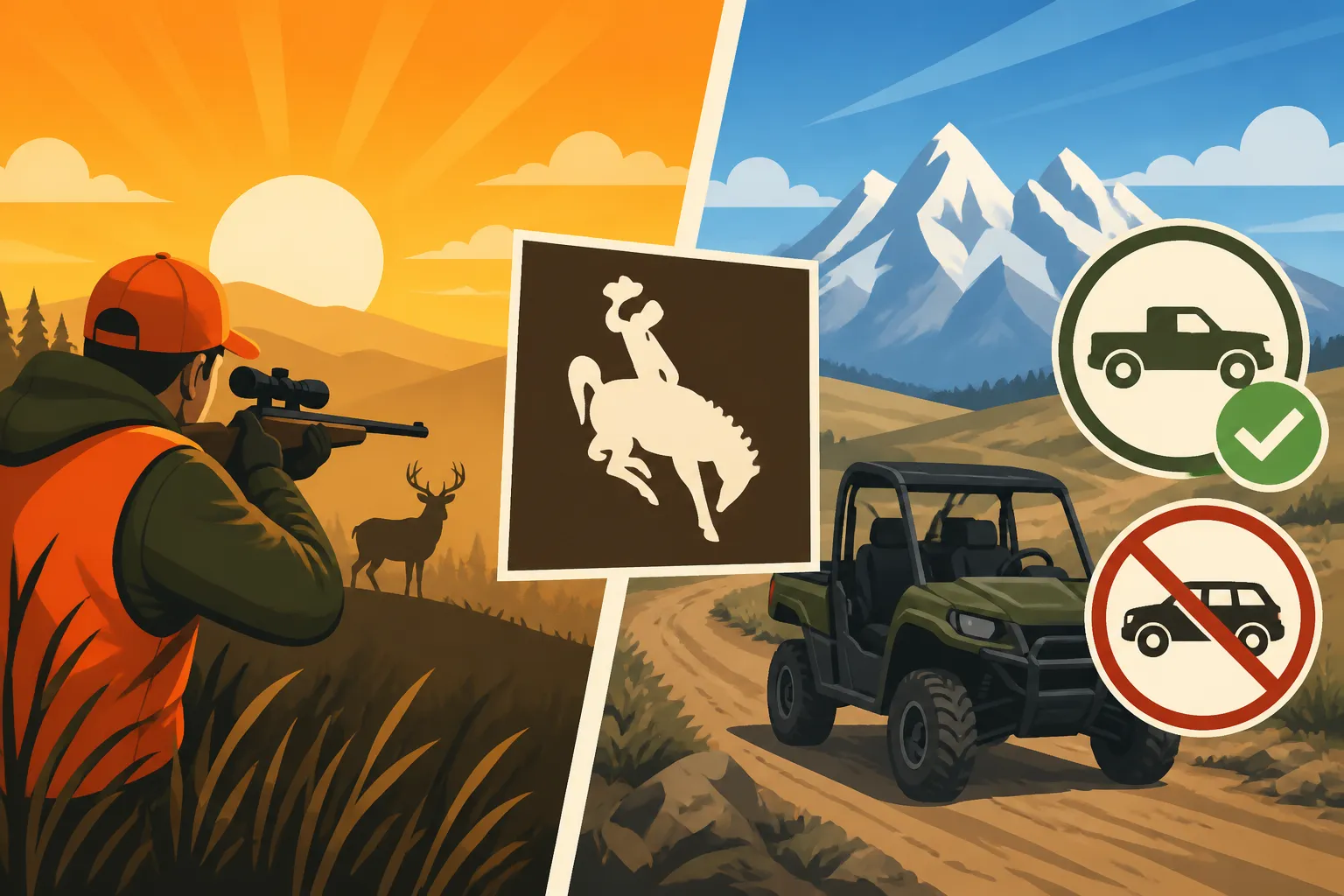
For big game and most other species in Wyoming, the law is clear: you can hunt from one half-hour before sunrise to one half-hour after sunset. This isn't just a suggestion; it's a hard and fast rule designed to promote fair chase and ensure ethical hunting. The idea is to provide enough ambient light for hunters to clearly identify their target, verify what's beyond it, and make a clean, responsible shot. Low light conditions significantly increase the risk of misidentification or a poorly placed shot, which nobody wants.
Determining the precise times for sunrise and sunset can be trickier than it sounds, especially when you're deep in the backcountry with limited cell service. Many hunters rely on weather apps or GPS devices that provide localized sunrise/sunset data. Even a good old-fashioned newspaper often lists these times. It's crucial to check this information for your specific hunting area and date, as it varies considerably across the state and throughout the season. For example, sunrise in the eastern plains near Cheyenne might be minutes different from sunrise in the western mountains near Jackson. Always err on the side of caution; if you're in doubt, wait a few extra minutes or call it a day a little early. Remember, a successful hunt is not just about filling your tag, but doing it legally and ethically.
Do Shooting Hours Change Throughout the Season?
While the rule of "half-hour before to half-hour after" remains constant, the actual clock times for legal shooting will absolutely change throughout the season. Wyoming experiences significant shifts in daylight hours from early September archery seasons to late November rifle hunts. Early in the fall, you might find sunrise around 6:30 AM and sunset close to 7:00 PM, giving you long, glorious hunting days. However, as winter approaches, those windows shrink dramatically. By late fall, sunrise could be pushing 7:30 AM and sunset might be as early as 4:30 PM, depending on your location and whether daylight saving time has ended.
It’s vital to adjust your daily schedule accordingly. Planning to be in your stand or on your glassing knob well before legal shooting light allows you to settle in and be ready as the sun begins to kiss the horizon. Similarly, understanding when legal light is fading helps you avoid rushing a shot in conditions that are too dim. These changing times also mean that what might have been perfectly legal during an early archery hunt could be well outside the legal window just a few weeks later in the general season. Always consult the official Wyoming Game and Fish Department regulations for the most up-to-date and area-specific information, which you can typically find by reviewing Where the Current Wyoming Regulations Are Posted. Tools like the GoHunt app can also be a game-changer here, offering real-time sunrise/sunset calculations based on your exact GPS location.
Exceptions and Special Circumstances
For big game hunting in Wyoming, the standard "half-hour before to half-hour after" rule is quite universal. However, it's always worth a quick look at the regulations for specific species, as waterfowl and some small game might have slightly different rules, though this guide focuses primarily on big game. Generally, you won't find specific hunt areas that have entirely different shooting hour frameworks for elk or deer. The consistency across the state helps hunters avoid confusion.
What you will find are specific regulations regarding other types of hunting outside of big game, such as predator or furbearer hunting, where rules about night hunting and spotlighting come into play. For instance, Wyoming Spotlighting Rules for Hunting Predators permit spotlighting for certain predators like coyotes and foxes under very specific conditions, but these are distinctly separate from big game regulations. It’s important not to confuse those rules with the strict daylight-only requirements for species like elk, deer, and antelope. Always verify the regulations for the specific animal you are pursuing.
Navigating Vehicle Use Rules While Hunting
Wyoming is a vast state, and the temptation to use a vehicle to cover ground quickly can be strong. However, misunderstanding the rules surrounding vehicle use is one of the quickest ways to receive a hefty fine, lose your hunting privileges, and even damage the reputation of all hunters.
The General Prohibition: No Shooting From Vehicles
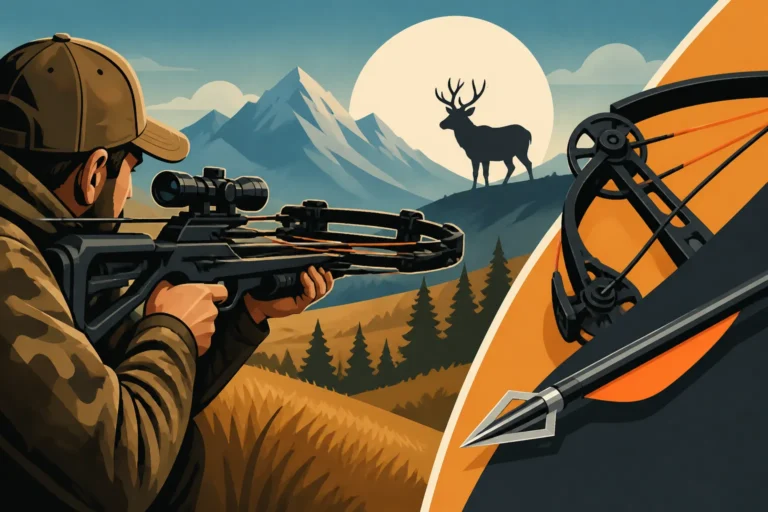
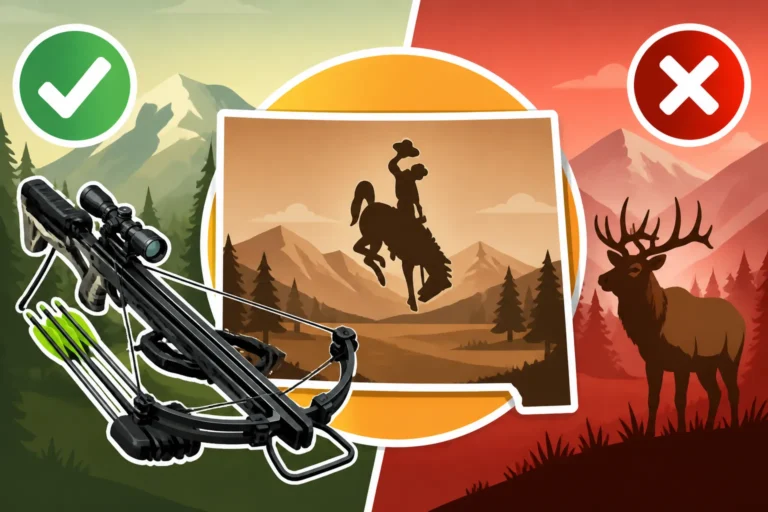
This is one of the most fundamental rules of fair chase hunting in Wyoming, and really, across most of the West: you cannot shoot at, wound, or kill any big game animal from any public road or any motorized vehicle. This includes cars, trucks, ATVs, UTVs, snowmobiles, or any other motorized conveyance. Furthermore, "from a vehicle" often extends to mean in, on, or attached to a vehicle that is stationary or in motion. You must be completely dismounted from the vehicle and off the roadway to shoot. The ethical reasoning here is multifaceted: it levels the playing field, prevents road hunting (which is often associated with poaching), and ensures hunter safety by minimizing potential conflicts with other road users.
This rule emphasizes the importance of active hunting—stalking, still-hunting, or sitting, rather than simply cruising roads hoping to spot an animal and shoot from your seat. It's about respecting the game and the hunting experience. Even if your vehicle is legally parked on a public road, you cannot simply lean out the window and take a shot. You must exit the vehicle, move a reasonable distance away (often dictated by local ordinances or common sense for safety), and be in a position where you are actively hunting on foot. Violating this rule carries significant penalties and is a serious offense in Wyoming.
Designated Roads and Trails: Where You Can Drive
Wyoming’s public lands—which include vast tracts managed by the Bureau of Land Management (BLM) and the U.S. Forest Service—are a hunter’s paradise, but they come with specific regulations about where you can and cannot drive. The golden rule here is to understand and adhere to Motor Vehicle Use Maps (MVUMs). These maps, produced by the Forest Service and BLM, are the definitive guides to legal travel on public lands. They clearly designate which roads and trails are open to motorized vehicles, which are seasonally closed, and which are entirely off-limits. These maps are usually available online, at local agency offices, or through mapping apps like GoHunt or onX Hunt. Always download or carry a physical copy for the area you're hunting, as cell service can be spotty.
On Forest Service lands, you'll often see clearly marked roads and trails. Deviating from these designated routes is generally prohibited. Similarly, on BLM lands, while there may appear to be more open country, cross-country motorized travel is largely restricted to areas specifically designated as "open" or on existing, established two-track routes that appear on MVUMs. Ignorance of the map is not an excuse. Driving off designated routes can cause significant environmental damage, including soil erosion, habitat destruction, and disturbance to wildlife. It also leads to user conflicts with hikers, equestrians, and other non-motorized users who expect to find quiet, undisturbed areas. Respecting these rules is critical for maintaining access for all hunters. To learn more about navigating these complex systems, consider reading up on Reading a Motor Vehicle Use Map.
Exceptions to the Vehicle Rule
While the general rule is strict, there are a few narrow exceptions or specific circumstances when vehicles might play a different role. For hunters with disabilities, Wyoming offers special permits that may allow for certain accommodations regarding vehicle use, though these permits are highly regulated and require specific qualifications. These are not a blanket allowance to drive anywhere but provide necessary access for those who otherwise couldn't hunt.
Another area where vehicle use is often misunderstood is retrieving downed game. In many parts of Wyoming, once an animal is legally harvested and tagged, and if you are on an established, open road or trail, you might be able to use a vehicle for retrieval. However, this is not an open invitation to drive off-road into sensitive habitat. If the animal is off a designated road, you’re usually required to retrieve it by non-motorized means, such as packing it out on foot or with the aid of horses or ATVs on designated trails. Some specific areas may have special permits for off-road retrieval of game, but these are rare and typically granted only under exceptional circumstances or through specific access programs. It's crucial to consult the local Game and Fish office or the land management agency for precise rules in your hunt area. Moreover, Retrieving Game From Private Land in Wyoming often has different implications, as landowner permission is paramount.
Lastly, predator and furbearer hunting in Wyoming often has different rules regarding vehicle use. For instance, for coyotes or other varmints, it may be legal to hunt them from a vehicle on private land with permission, or to use vehicles to spotlight them at night on public roads (with specific restrictions). However, this does not extend to big game animals. Always remember that the rules for predator hunting are separate from big game and should not be conflated. For specific details on this, you might look into topics like Is Night Hunting Legal for Coyotes Out West?.
Off-Road Travel and "Retrieving Game"
The temptation to drive "just a little further" to get closer to a potential hunting spot or to retrieve a downed animal can be incredibly strong, especially in Wyoming's vast, open country. But this is where many hunters unknowingly cross legal and ethical lines.
The Strict Rules on Off-Road Travel
Wyoming takes off-road travel very seriously, primarily due to the ecological impact it can have. Driving off-designated routes, especially in sensitive areas like sagebrush steppe, can cause irreversible damage to fragile soils, plant life, and crucial wildlife habitat. These ruts can last for decades, leading to erosion and disturbing winter ranges or breeding grounds. Because of this, motorized cross-country travel is largely prohibited on federal lands (BLM, Forest Service) unless specifically marked as an "open" area. This means you must stick to established roads and trails that are clearly designated on official Motor Vehicle Use Maps (MVUMs). Don’t rely on a faint two-track that may have been created illegally by others; if it's not on the MVUM as an open route, it's considered off-road travel.
Even using "quiet" electric vehicles, like e-bikes or electric ATVs, falls under these same rules. If a trail is designated as non-motorized, an e-bike is still considered a motorized vehicle in many contexts and is not permitted. It’s essential to be absolutely certain of the rules before venturing off paved or clearly graveled roads. The penalties for illegal off-road travel can be substantial, including fines, vehicle impoundment, and restitution for environmental damage. These rules are in place not to inconvenience hunters, but to protect the very landscapes that draw us to Wyoming in the first place, preserving healthy ecosystems for wildlife and ensuring sustainable access for future generations. For more clarity on specific road closures, it's worth checking out Road Closures Across Wyoming Public Land.
Getting Your Animal Out: What's Permitted for Retrieval
Successfully harvesting an animal is just the first step; getting it from the field to your freezer is another challenge, especially if it falls far from an accessible road. Wyoming regulations are very specific about using vehicles for game retrieval. As a general rule, you cannot simply drive off-road to pick up your animal. After a legal harvest, your primary responsibility is to immediately tag the animal and begin the process of field dressing. Only then can you focus on retrieval.
For retrieval, you are generally expected to use non-motorized methods if the animal is off a designated open road or trail. This means packing it out on your back, using a game cart, or utilizing pack animals like horses or mules. While it might be tempting to use an ATV or truck, unless there's an explicitly marked and open route leading directly to your downed animal, or you have a specific permit from the land management agency (which are rare and not generally available to the public), you must pack it out. On private land, with explicit landowner permission, the rules might be more flexible regarding vehicle use for retrieval, but that permission must be in hand beforehand. Remember, any attempt to drive cross-country to retrieve game without proper authorization is considered an illegal act of off-road travel, regardless of whether you have a tagged animal. This is particularly relevant when navigating areas that have Seasonal Winter Range Closures for Big Game, as these closures are often in place to protect stressed animals and driving into them, even for retrieval, is prohibited.
Ethical Considerations and Preventing Conflicts
Beyond the letter of the law, the spirit of fair chase and responsible hunting in Wyoming dictates how we behave in the field. Adhering to vehicle and shooting hour rules is not just about avoiding fines; it’s about upholding the integrity of hunting and maintaining access for everyone.
Respecting Private Property and Landowner Relations
Wyoming's landscape is a patchwork of public and private lands, and often, the best hunting opportunities are found bordering or even within private holdings. It's an unspoken truth in the West that good landowner relations are paramount to access. Violating vehicle rules, such as driving on private land without permission, driving off-road on public land adjacent to private property, or failing to secure permission for retrieval, quickly erodes this trust. Many landowners are already wary of hunters, and a single negative interaction can lead to gate closures or increased restrictions for everyone.
Always assume that land is private unless clearly marked as public. Tools like onX Hunt or the GoHunt app are invaluable for identifying property boundaries, but they are aids, not definitive legal documents. Always verify permissions directly with landowners before venturing onto their property, even if it's just to retrieve a downed animal that wandered across a fence line. The respect you show for their property, their livestock, and their wishes goes a long way. Programs like Wyoming's Access Yes are fantastic examples of how landowner cooperation can open up private ground for public hunting, but these programs rely heavily on hunters adhering strictly to posted rules and respecting the land. A clear understanding of your route and boundaries is key to avoid issues.
Minimizing Impact and Maintaining Public Access
The rules governing shooting hours and vehicle use are not arbitrary; they are meticulously crafted to protect Wyoming's wildlife, habitats, and the overall hunting experience. Driving off-road, for instance, doesn't just damage the environment; it creates an impression of disrespect for the land and its resources. This can fuel anti-hunting sentiments and pressure wildlife agencies to implement more restrictive regulations for all hunters. Every time a hunter disregards a "closed road" sign or drives through a sensitive wet meadow, they contribute to the narrative that hunters are irresponsible.
By strictly adhering to legal shooting hours, we ensure fair chase and ethical harvesting, minimizing the chance of wounding an animal in low light. By sticking to designated roads and trails, we prevent habitat degradation, protect critical wildlife corridors, and reduce disturbance to animals and other outdoor enthusiasts. These actions, collectively, help preserve the health of Wyoming's wildlife populations and ensure that future generations will continue to have the privilege of hunting on its magnificent landscapes. Our collective behavior directly influences whether we will continue to enjoy the extensive public access that Wyoming offers.
Technology, Tools, and Staying Compliant
In today's world, hunters have access to an incredible array of technology that can help them stay compliant with regulations, but it's crucial to use these tools wisely and understand their limitations.
Using Mapping Apps and GPS for Compliance
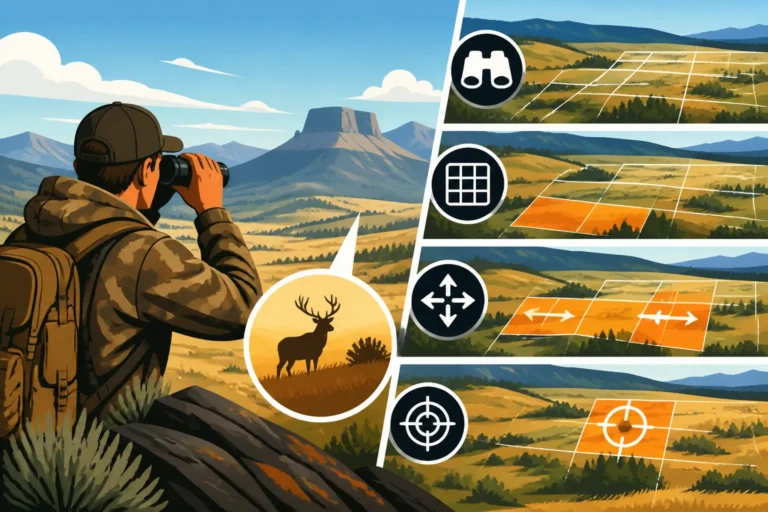
Modern hunting often involves a smartphone or a dedicated GPS unit loaded with mapping applications like onX Hunt, BaseMap, or the GoHunt app. These tools are incredibly powerful for understanding land ownership, locating designated roads and trails, and even determining real-time sunrise and sunset times. They can display public and private land boundaries with color overlays, highlight Wilderness Areas, and show whether a specific road is open or closed to motorized traffic. For instance, the GoHunt app can precisely calculate shooting light based on your exact location, eliminating guesswork. These applications are fantastic for e-scouting from your kitchen table before a hunt and for real-time navigation in the field, helping you avoid accidental trespass or illegal off-road travel.
However, it's vital to remember that technology is a tool, not a substitute for due diligence. GPS signals can be lost, batteries die, and maps, no matter how current, can have slight inaccuracies or not reflect very recent changes. Always have a backup plan, such as a paper map and compass, and be sure to download offline maps before heading into areas without cell service. Most importantly, never rely solely on a line on a screen without also observing physical signage on the ground. A "No Trespassing" sign always overrides what your app might display, and a closed gate should always be respected. Using these tools responsibly means combining them with common sense, current regulations, and an awareness of your surroundings.
The Importance of the Current Regulation Booklet
While technology is an amazing aid, the official Wyoming Game and Fish Department regulation booklet is the absolute, unquestionable authority on hunting rules. This booklet, published annually, contains all the specific legal shooting hours, vehicle restrictions, species-specific rules, and area-specific nuances that govern hunting in the state. Relying on hearsay, outdated information from a forum, or even a general sense of "what everyone else does" is a recipe for disaster.
Before every hunting season, make it a point to download and thoroughly read the latest regulations for your specific hunt area and species. Pay close attention to the general rules section, as well as any specific unit regulations that might apply. These booklets are readily available on the Wyoming Game and Fish Department website, often months before the season opens, and physical copies can be picked up at regional offices and license vendors. Don't just skim it; digest it. Understanding these regulations fully is your personal responsibility and the best way to ensure a legal, ethical, and ultimately, successful hunt. It’s the definitive source, as highlighted by resources like Where the Current Wyoming Regulations Are Posted.
Wyoming Hunting Laws: A Snapshot Table
To help consolidate some of this critical information, here's a quick reference table for key hunting rules related to hours and vehicles in Wyoming. Always consult the official Wyoming Game and Fish Department regulations for complete and up-to-date information for your specific hunt area.
| Rule Category | Big Game Hunting Regulation | Important Considerations |
|---|---|---|
| Legal Shooting Hours | Half-hour before sunrise to half-hour after sunset. | Applies to most big game species. Times change daily; use a reliable source (app, local paper) for specific sunrise/sunset times in your hunt area. |
| Shooting From Vehicle | Strictly prohibited. Must be dismounted and off the public road/vehicle. | Applies to all motorized vehicles (cars, trucks, ATVs, UTVs, snowmobiles). Ethical rule for fair chase. |
| Off-Road Travel | Generally prohibited on public lands unless on designated, open routes. | Refer to Motor Vehicle Use Maps (MVUMs) for BLM/Forest Service lands. Violations can lead to fines and environmental damage. |
| Game Retrieval | Retrieval by vehicle generally limited to designated, open roads/trails. | Off-road retrieval usually requires non-motorized means (pack out). Special permits for disabled hunters may allow some vehicle use. On private land, explicit landowner permission is required for any vehicle use. |
| Private Land Access | Permission required for any entry, even for retrieval. | Mapping apps help identify boundaries, but physical permission from landowner is paramount. Respect for private property is crucial for maintaining hunter access. |
| Night Hunting | Not permitted for big game. | Separate rules apply to certain predators/varmints (e.g., coyotes), which may allow night hunting or spotlighting under strict conditions. Do not confuse these with big game regulations. Consider Wyoming Spotlighting Rules for Hunting Predators for more detail on this specific type of hunting. |
Disclaimer
The information provided in this guide is for informational purposes only and is not a substitute for the official Wyoming Game and Fish Department regulations. Hunting laws and regulations can change, and it is the responsibility of every hunter to consult the most current official rule and regulation booklets before engaging in any hunting activity.