Where the .22 WMR Is Legal for Hunting
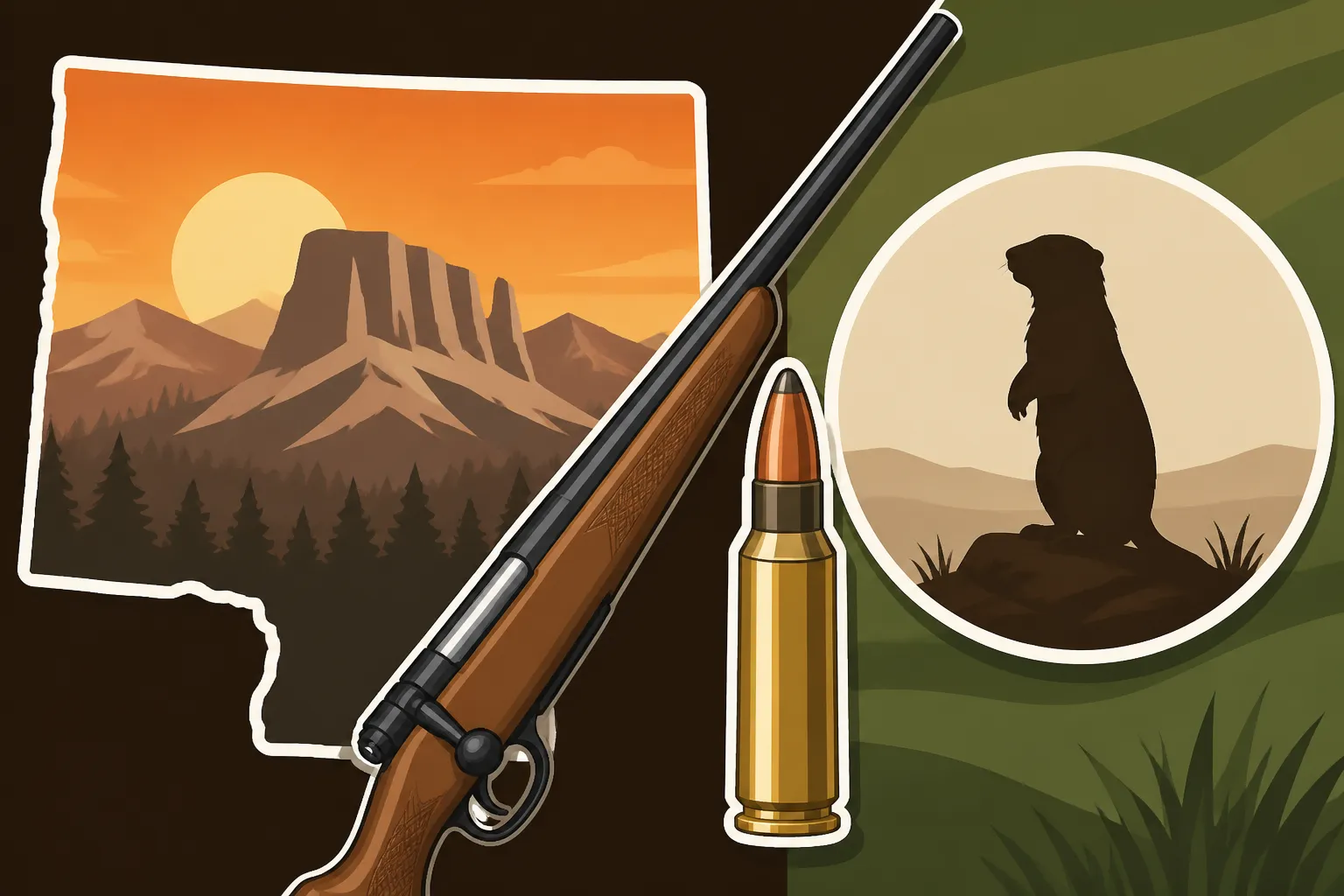
It can be incredibly confusing to navigate the specific firearm regulations for hunting in Wyoming, especially when it comes to smaller calibers like the .22 WMR. Many hunters wonder if their trusty magnum rimfire can be used for more than just plinking or small pests. This guide will thoroughly break down exactly where the .22 WMR is a legal and effective choice for hunting in the Cowboy State, and just as importantly, where it definitely isn't.
Understanding Wyoming's Firearm Regulations for Hunting
Wyoming's hunting regulations are designed to ensure humane harvests and manage game populations responsibly. This means there are very specific rules about what kind of firearm you can use for different species. It's not just about what can kill an animal, but what is legally and ethically suitable for a clean, quick kill.
General Rules for Big Game Firearms
When we talk about big game in Wyoming – think elk, deer, antelope, and moose – the rules get pretty strict, and for good reason. The Wyoming Game and Fish Department wants to ensure hunters have enough firepower to humanely dispatch these large, tough animals. This isn't the Wild West where anything goes; it's about ethical hunting.
For centerfire rifles, which are the go-to for most big game hunters, there are minimum caliber requirements. Generally, you're looking at a centerfire rifle with an expanding bullet, and the overall caliber needs to be substantial enough to penetrate and cause significant damage. For example, the legal firearm list for big game includes calibers typically .22 centerfire and larger, but for animals like elk, you'd usually opt for something much more powerful, like a .270 or .30-06. The .22 WMR, being a rimfire cartridge, immediately falls outside of these big game requirements. It simply doesn't have the kinetic energy or bullet construction deemed necessary for big game. For those interested in deeper dives into specifics, understanding topics like the minimum muzzleloader caliber for Wyoming big game or handgun caliber minimum for big game hunting reveals how meticulously these rules are crafted to match the animal's size and resilience.
Small Game and Varmint Specifics
Here's where the .22 WMR starts to shine! Wyoming's regulations are much more lenient when it comes to small game and varmints. These categories include a wide array of creatures, from fluffy rabbits and speedy squirrels to wily coyotes and ground-dwelling prairie dogs. For these animals, the emphasis shifts from brute force to precision, economy, and often, fur preservation.
There isn't a hard and fast minimum caliber for these smaller species in the same way there is for big game. Instead, hunters are expected to use common sense and choose a cartridge that is effective, safe, and appropriate for the target without being overly destructive if they intend to keep the pelt or meat. The .22 WMR, with its increased velocity and energy over a standard .22 LR, strikes a fantastic balance for many small game and varmint applications. It offers a flatter trajectory and more knockdown power than its little brother, making it a favorite for those longer shots often encountered in Wyoming's wide-open spaces.
Understanding Rimfire vs. Centerfire Relevance
The distinction between rimfire and centerfire ammunition is crucial when discussing legal hunting calibers. Rimfire cartridges, like the .22 WMR, have their primer located in the rim of the casing. They are generally lower power and smaller in caliber compared to centerfire cartridges, which have a primer in the center of the casing's base.
For big game hunting, centerfire rifles are the standard. They can handle much higher pressures, allowing for larger powder charges, heavier bullets, and significantly greater muzzle velocities and energy. This translates to the penetration and stopping power needed for larger animals. Rimfire cartridges, by their design, simply cannot achieve the same level of performance. They are excellent for their intended purpose – small game, varmints, and target shooting – but they are not built for the demands of ethical big game hunting. It’s a fundamental difference that dictates their legal applications in the field.
Where the .22 WMR Shines: Small Game and Varmints
The .22 WMR, often affectionately called the ".22 Mag," is a powerhouse in the rimfire world. It's light, quick, relatively inexpensive to shoot, and incredibly accurate in the right hands. When you're out in Wyoming looking for certain types of game, this cartridge can be an absolute joy to use.
Prime Targets for the .22 WMR
If you're wondering what you can legally and effectively hunt with a .22 WMR in Wyoming, the list mostly revolves around small game and varmints.
- Prairie Dogs: This is arguably where the .22 WMR truly excels. Wyoming has vast prairie dog towns, and these little critters offer fantastic shooting opportunities. The .22 WMR provides a flatter trajectory and more energy than a .22 LR, allowing for cleaner kills at extended ranges, typically out to 125-150 yards, which is often necessary when prairie dog shooting across wide-open flats.
- Cottontail Rabbits and Jackrabbits: For hunters looking for some delicious table fare, the .22 WMR is a great choice for rabbits. It offers enough power to dispatch them cleanly without absolutely obliterating the meat, especially when using appropriate bullet types like hollow points or soft points. Jackrabbits, being larger and tougher, are also well within the .22 WMR's capabilities.
- Squirrels: Whether you're after tree squirrels or ground squirrels, the .22 WMR can be effective. However, for tree squirrels specifically, many hunters might opt for a .22 LR to preserve more meat. The .22 WMR still does the job with precision.
- Coyotes and Foxes: This is where the .22 WMR gets into a bit of a grey area for some hunters, but it is certainly legal and can be effective under specific conditions. For coyotes, shot placement is absolutely critical. The .22 WMR can take down a coyote cleanly within its effective range (typically under 100 yards), especially with a well-placed shot. Many predator hunters use the .22 WMR to preserve pelts, as larger calibers can cause significant damage. The same applies to foxes. Using electronic calls for predators and varmint hunting can be a highly effective tactic here, and the .22 WMR pairs well with such approaches, allowing for quick follow-up shots if needed. If you're considering hunting coyotes in Wyoming year round, the .22 WMR remains a valid option.
- Other Varmints: Other critters like badgers, marmots, and certain non-game birds (where legal to hunt) are also fair game for the .22 WMR. It's a versatile cartridge for general pest control or recreational shooting of nuisance animals.
Effective Range and Ballistics for Small Game
Understanding the effective range of your .22 WMR is paramount for ethical hunting. While the cartridge can reach out further, its effective killing range for a humane harvest is more limited than many might assume.
The .22 WMR typically launches a 30-50 grain bullet at velocities ranging from 1,900 to over 2,200 feet per second. This gives it a significantly flatter trajectory and more energy than a .22 LR. For small varmints like prairie dogs, a clean kill can be achieved out to about 125-150 yards with good accuracy and bullet selection. For larger varmints like coyotes, you'll want to keep your shots closer, ideally under 100 yards, to ensure sufficient energy for a humane kill and to make precise shot placement easier.
Beyond these ranges, the bullet's energy drops off considerably, and wind drift becomes a much greater factor, making ethical shots much more difficult. When planning your hunt, consulting resources like GoHunt's detailed ballistic charts or forum discussions can help you visualize bullet drop and energy retention at various distances, ensuring you know your rifle's capabilities inside and out. Always practice at these extended ranges to truly understand your own limits and your firearm's performance.
The Benefits of a .22 WMR for Varmint Hunting
There are several compelling reasons why the .22 WMR remains a popular choice for varmint and small game hunters in Wyoming.
- Low Recoil: The minimal recoil of the .22 WMR makes it comfortable to shoot for extended periods, which is a huge plus during a high-volume prairie dog shoot. It also helps with quick follow-up shots and allows hunters to spot their impacts, which is valuable feedback in the field.
- Less Noise: While not suppressed, the .22 WMR is noticeably quieter than centerfire rifle cartridges, making it less disruptive to other wildlife and, potentially, nearby landowners. This can be a significant factor when hunting closer to agricultural areas or residential zones, where excessive noise is a concern.
- Cost-Effective: While more expensive than .22 LR, .22 WMR ammunition is generally more affordable than centerfire rifle ammunition. This allows hunters to practice more often and shoot more rounds during a hunting trip without breaking the bank.
- Fur Preservation: For those targeting furbearers like coyotes or foxes, the .22 WMR often creates less pelt damage than a high-powered centerfire rifle. This is a critical consideration for hunters who intend to sell or keep the pelts, as excessive damage can reduce their value.
- Lightweight and Maneuverable: Rifles chambered in .22 WMR are often lightweight and easy to carry, making them ideal for long treks across Wyoming's diverse terrain, from sagebrush flats for prairie dog shooting to river bottoms for rabbits.
Why .22 WMR Isn't for Big Game in Wyoming
It's absolutely critical to reiterate: the .22 WMR is not legal for hunting big game in Wyoming. There are very clear regulations and ethical considerations that prohibit its use on species like deer, antelope, elk, or moose. Ignoring these rules can lead to legal penalties and, more importantly, causes unnecessary suffering to animals.
The Legal Minimums for Big Game
Wyoming regulations explicitly state the minimum calibers and ammunition types required for big game. For rifle hunters, generally, you must use a centerfire firearm that fires an expanding bullet. While some .22 caliber centerfire cartridges (like a .223 Remington or .22-250) are legal for deer and antelope if they meet specific bullet energy requirements, the .22 WMR is a rimfire. It simply does not have the bullet weight, construction, or kinetic energy to meet the legal standards for big game.
Imagine trying to take down a 700-pound elk with a round designed for a 10-pound coyote. It’s not just ineffective, it’s unethical. The bullet would likely wound the animal, causing prolonged suffering and making recovery extremely difficult, if not impossible. This is precisely why regulations like "Wyoming Sets Bow Draw Weight at 40 Pounds, 50 for Elk" or "Crossbow Hunting in Wyoming: 90 Pounds and a 16-Inch Bolt" exist—to ensure sufficient power for a quick, humane harvest. Even for handguns, there's a strict .40 caliber rule in place to ensure adequate knockdown power. The .22 WMR falls far short of these established minimums across all big game categories.
Ethical Considerations and Humane Harvest
Beyond the letter of the law, ethical hunting demands that we use equipment capable of a quick, humane kill. The primary goal of any hunter should be to dispatch an animal as swiftly and painlessly as possible. When a firearm is underpowered for the intended game, the chances of wounding the animal and failing to recover it increase dramatically.
A .22 WMR, even with perfect shot placement, simply doesn't have the penetration or energy transfer to reliably incapacitate a large animal like a deer or elk. It might cause a superficial wound, leading to a slow, agonizing death for the animal, or it might just wound it, leading to a lost animal and wasted effort. Responsible hunters understand their limitations and the limitations of their equipment. Using a .22 WMR for big game is a clear violation of this fundamental ethical principle. Tools like the GoHunt platform offer detailed information on specific game species and their resilience, further underscoring the need for appropriate calibers.
Consequences of Non-Compliance
The Wyoming Game and Fish Department takes its regulations very seriously. Using an illegal firearm for hunting big game is a serious offense that carries significant penalties.
- Fines: You could face substantial fines, potentially thousands of dollars.
- License Revocation: Your hunting privileges in Wyoming, and potentially other states through interstate compacts, could be revoked for a number of years. This means no more elk, deer, or antelope tags for you for a long time.
- Confiscation: Your firearm, vehicle, and even your game animal (if illegally taken) could be confiscated by game wardens.
- Criminal Charges: Depending on the severity of the offense and any other associated violations, you could face misdemeanor or even felony charges.
It's simply not worth the risk. Always consult the current Wyoming Game and Fish regulations handbook before heading afield to ensure you are compliant with all firearm and ammunition rules. Ignorance of the law is never an excuse, and game wardens are dedicated to enforcing these rules to protect wildlife and uphold ethical hunting standards.
Practical Considerations for Hunting with a .22 WMR
While the .22 WMR is clearly off-limits for big game, it's a fantastic tool for its intended purpose. To make the most of your .22 WMR hunting experience in Wyoming, there are a few practical considerations to keep in mind.
Choosing Ammunition and Optics
The right ammunition and optics can significantly enhance your success and enjoyment when hunting with a .22 WMR.
- Ammunition: Not all .22 WMR ammunition is created equal. For varmints like prairie dogs, you'll generally want a lighter, faster bullet with a polymer tip or hollow point, designed for rapid expansion. Brands like Hornady V-Max or CCI Maxi-Mag are popular choices. These bullets are engineered to deliver maximum energy quickly, ensuring a humane kill on small critters. For larger varmints like coyotes, some hunters might opt for slightly heavier bullets (40-50 grain) that offer a bit more penetration before expansion, especially if aiming for vitals through thicker hide or bone. Always carry a variety of ammunition to see what shoots best in your rifle, as every firearm has its preferences.
- Optics: Given the typical ranges for .22 WMR hunting (often 50-150 yards), a good quality scope with variable magnification is ideal. Something in the 3-9x or 4-12x range offers versatility. For prairie dog shooting, a higher magnification can be beneficial for precision at longer distances. Ensure your scope has clear glass and holds zero reliably. For quick acquisition on close-range targets, a red dot or a low-power variable optic might also be considered, though less common for traditional varmint hunting. Don't forget a set of reliable binoculars, as good optics power for Wyoming's long sightlines is crucial even for spotting small game.
Public Land Access and Regulations
Wyoming offers vast stretches of public land managed by the Bureau of Land Management (BLM) and the Forest Service, which are often open to hunting small game and varmints. However, it's crucial to understand access rules and local regulations.
- BLM and Forest Service Lands: These federal lands often provide excellent opportunities for hunting prairie dogs, coyotes, and rabbits. Always double-check land ownership using reliable maps, such as those provided by GoHunt or a public land owner map. While BLM holds 27,860 square miles of Wyoming, not every acre is always open or accessible.
- State Trust Lands: Wyoming State Trust Lands are also open to public hunting unless otherwise posted. However, they may have specific rules, so always look for signage.
- Hunter Management Areas (HMAs) and Walk-In Areas (WIAs): These areas, part of Wyoming's Access Yes program, open private land to public hunting. While many are geared towards big game, some may offer small game and varmint opportunities. You'll often need a free permission slip for HMAs, which can be obtained through the Wyoming Game and Fish website. Always check the specific regulations for each HMA or WIA, as they can vary greatly and might include restrictions on target species or firearm types.
- Seasonal Closures: Be aware that some public lands, particularly winter ranges for big game, may have seasonal closures to protect wildlife. Always consult the local Wyoming Game and Fish regulations for the area you intend to hunt.
- Shooting Rules: Always adhere to safe shooting practices, including identifying your target and what's beyond it. Be mindful of legal shooting hours and vehicle rules in Wyoming, even for small game.
Checking Current Regulations Annually
Hunting regulations are not static; they can change from year to year. What was legal last season might have new restrictions this season. Relying on outdated information is a recipe for trouble.
- Wyoming Game and Fish Department Website: The official source for all Wyoming hunting regulations is the Wyoming Game and Fish Department website. They publish updated regulation booklets annually. Make it a habit to download and review the small game and furbearer regulations before every hunting season you participate in.
- Hunt Planner: The Wyoming Hunt Planner is an invaluable tool for understanding hunt areas, species, and regulations. It's user-friendly and regularly updated.
- Specific Hunt Area Regulations: Pay close attention to any specific regulations tied to a particular hunt area. Sometimes, even for small game, certain areas might have unique rules or closures.
- GoHunt: Resources from GoHunt can also provide valuable interpretations and reminders about upcoming regulatory changes, helping you stay ahead of the curve.
By staying informed and continually checking the most current regulations, you ensure a legal, ethical, and enjoyable hunting experience with your .22 WMR in Wyoming.
| Game Type | Legal Firearm Calibers (General) | .22 WMR Legality | Notes |
|---|---|---|---|
| Big Game (Deer, Elk, Antelope, Moose, Bighorn Sheep, Mountain Goat, Bison) | Centerfire rifles, shotguns (slugs), muzzleloaders, handguns (all with specific minimum caliber/energy requirements) | NOT LEGAL | Explicitly prohibited. Does not meet legal minimums for kinetic energy or bullet characteristics. Using it is a serious violation. |
| Furbearers (Coyote, Fox, Bobcat, Badger, etc.) | No specific minimum for rifle; often includes rimfire, centerfire, shotgun, archery | LEGAL | Excellent choice for pelt preservation and common for coyote/fox hunting. Check local unit regulations and species-specific rules (e.g., for bobcat season and pelt tag rules). |
| Small Game (Rabbits, Squirrels, Prairie Dogs, Marmots, etc.) | No specific minimum; generally includes rimfire, centerfire, shotgun, archery | LEGAL | Very effective and popular choice for various small game and varmints. |
| Game Birds (Upland Birds, Waterfowl) | Shotguns (specific shot size), archery, sometimes rimfire for specific birds (e.g., grouse) | LEGAL (for certain upland birds) | Can be legal for some upland birds like grouse, though shotguns are more common. Always check species-specific rules and method of take. |
Disclaimer
Please remember that hunting regulations are subject to change. This guide provides general information based on current Wyoming Game and Fish Department regulations. It is always the hunter's responsibility to consult the most current official Wyoming Game and Fish Department regulations before heading afield. Neither this guide nor the author is liable for any misinterpretation or misuse of the information provided.