Patterning a Buck in the Weeks Before Opener
There's nothing quite like the anticipation of opening day, but showing up to your hunting spot cold, without a clue where the deer are moving, can be incredibly frustrating. You’ve put in the time and effort to get a tag, and the last thing you want is to spend precious hunting hours just looking for deer, let alone a mature buck. This guide is all about giving you the edge, diving deep into how you can effectively pattern a buck in the weeks leading up to the season opener in Wyoming, transforming uncertainty into informed action.
Understanding the "Why" Behind Pre-Season Buck Patterning
We’ve all been there: that first morning of the season, walking into an area you think holds deer, only to find nothing. The sun rises, the air is crisp, and the woods feel empty. It's a real deflator, isn't it? That feeling of not knowing where to even start, second-guessing every step, is precisely why pre-season patterning isn't just a good idea—it's essential.
The Frustration of Showing Up Cold
Imagine hiking miles into a promising looking basin in the Bighorn Mountains or the wide-open sagebrush country near Rock Springs, only to discover the deer you thought would be there have vanished. Maybe they moved due to changing feed, or perhaps they're already feeling pressure from early bird hunters. Without some pre-season intelligence, you're essentially gambling. You might spend a day or two learning what isn't working, burning valuable hunting time that could have been spent executing a well-thought-out plan. It’s a frustrating cycle of trial and error that can often lead to going home empty-handed, despite your best efforts.
The Advantage of Knowing Their Routine
When you take the time to pattern a buck, you're not just looking for a deer; you're building a detailed understanding of his world. You learn his preferred bedding areas, his feeding times, the water sources he relies on, and the travel corridors he uses between them. This knowledge gives you an incredible advantage. Instead of randomly wandering, you can pinpoint specific locations and times where he’s most likely to be, allowing you to set up intelligently and increase your odds exponentially. It turns a hopeful guess into a strategic ambush, making your time in the field much more productive and enjoyable.
Essential Tools and Techniques for Patterning
Patterning bucks isn't about luck; it's about systematic information gathering. Luckily, we have a range of tools and techniques at our disposal today that make this process more efficient and effective than ever before. It's a blend of technology and good old-fashioned woodsmanship.
Leveraging Trail Cameras Wisely
Trail cameras are arguably the most impactful tool in a modern hunter's patterning arsenal. They work 24/7, tirelessly collecting data without ever disturbing the animal. When you're out there, you can't be everywhere at once, but your cameras can. Start deploying them in likely travel corridors, near pinch points, on fresh game trails, and around known food and water sources weeks, even months, before the season. Look for signs of buck activity—scrapes, rubs, or tracks—and place your cameras strategically. Pay close attention to the time stamps on your photos; this will tell you when a buck is moving through a specific area, which is just as important as where. Remember to check the Trail Camera Rules on Wyoming Public Land to ensure you're compliant with local regulations. Companies like GoHunt provide fantastic resources for understanding deer movement and how to best utilize trail camera data to identify prime locations and buck patterns.
The Power of E-Scouting from Afar
Before you ever set foot in the field, e-scouting can give you a massive head start. Tools like topographical maps, satellite imagery, and even weather patterns are invaluable. You can identify potential bedding areas on north-facing slopes, pinpoint hidden water sources in dry country, and trace natural funnels or pinch points that deer are likely to use. Look for changes in vegetation that might indicate food sources, or draws and creek beds that offer cover for travel. By identifying these features from your computer screen, you can drastically narrow down your in-person scouting efforts, saving you time and minimizing disturbance to the area. This is also where you might identify potential access issues or understand Mule Deer Winter Range Closures Explained, which could impact buck movement. A good e-scouting platform can layer public land boundaries, historical weather data, and even recent wildfire maps, giving you a truly comprehensive view of your unit. Many hunters also find that the GoHunt app offers unparalleled satellite imagery and public/private land overlays, which are absolutely critical when planning out access points and potential stand locations in Wyoming’s often fragmented landscape. This really helps when it comes to E-Scouting a Unit Before the Season Opens.
Boots-on-the-Ground Scouting Without Pressure
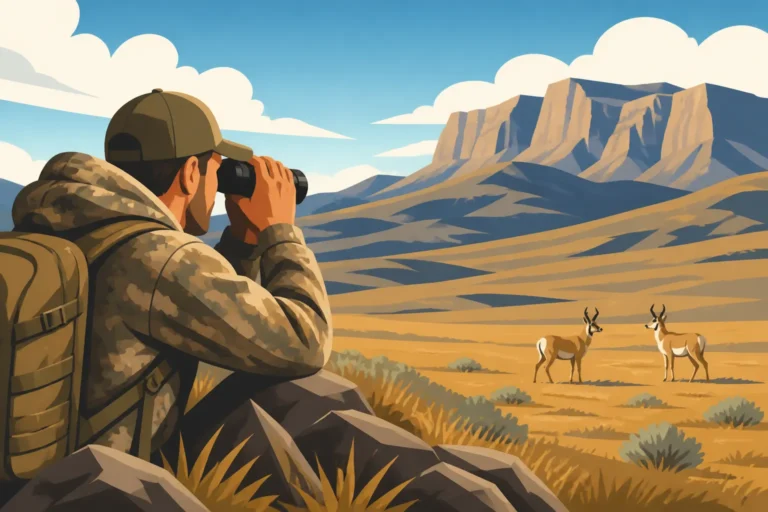
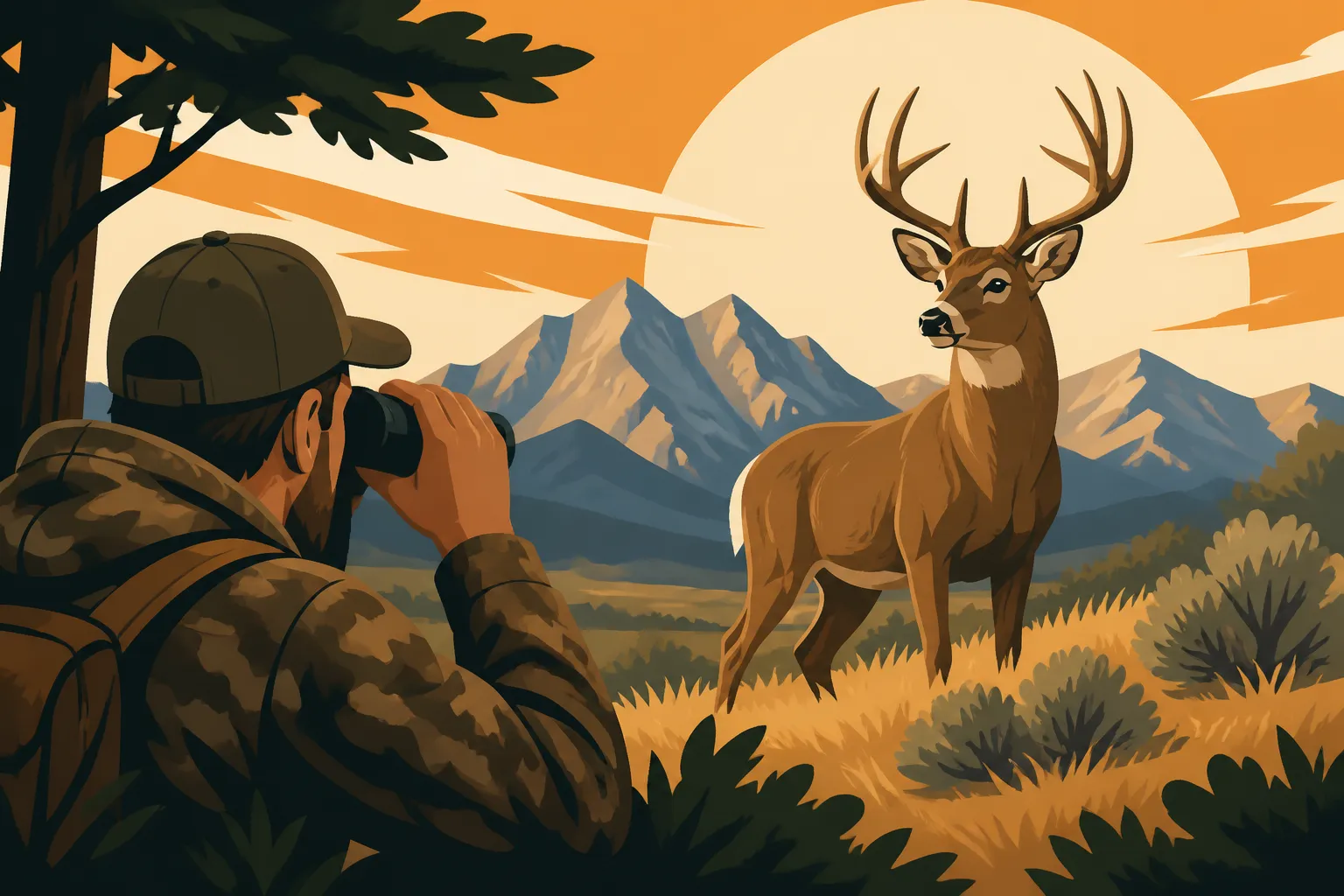
While e-scouting and trail cameras are fantastic, there's no substitute for actually putting boots on the ground. However, the key here is to do it without putting undue pressure on the deer. This means scouting during off-hours, avoiding peak deer activity times, and focusing on observation rather than intrusion. Early mornings and late evenings are great for glassing from a distance, watching travel patterns, and identifying where deer are entering and exiting fields or timber. You can learn a lot about Best Time of Day to Glass Mule Deer by simply observing. Look for fresh tracks, droppings, rubs, and scrapes, which are all clues about buck presence and movement. If you find an area with significant sign, mark it on your map, but resist the urge to push too deep into suspected bedding areas. The goal is to gather intelligence, not to chase bucks off the property before the season even begins.
Deciphering Buck Behavior Before the Season Opens
Deer behavior isn't static; it changes with the seasons, the availability of resources, and the presence of pressure. Understanding these nuances in the weeks leading up to opener is crucial for successful patterning.
Food, Water, and Bedding: The Daily Triangle
Every living creature needs food, water, and a safe place to rest, and bucks are no different. In the pre-season, their lives revolve around this "daily triangle." They'll typically bed in dense cover that offers security and good escape routes, often on north-facing slopes during warmer weather or in thick timber. From there, they’ll move to a reliable water source, especially in arid Wyoming, before heading to feeding areas. These feeding areas might be alfalfa fields, oak thickets dropping acorns, or specific browse in the sagebrush. Your job is to identify these three points within your hunting unit and, crucially, the most efficient and safest travel corridors between them. Bucks are creatures of habit, and they'll often use the same trails day after day, especially if they feel secure. Knowing this helps you predict where they’ll be at dawn and dusk.
Recognizing Subtle Changes in Early Season Movement
Buck movement isn't always obvious, especially with mature animals. In the weeks before the season, bucks are often in their summer patterns, meaning they might still be in bachelor groups and relatively predictable. However, as velvet sheds and testosterone levels begin to rise, these groups often break up. The most significant shift typically occurs once hunting pressure begins to build or as food sources change. Early season often finds bucks moving primarily during low light conditions – dawn and dusk – as they focus on feeding. They might stick to thicker cover during daylight hours, making them harder to spot. Pay attention to how changes in weather, like a sudden cold snap or a rainstorm, influence their movement. A valuable resource like GoHunt can help you track these subtle environmental shifts and cross-reference them with historical deer data, giving you a predictive edge on how bucks might react.
Adapting to Rising Hunting Pressure
This is perhaps the most critical factor influencing buck behavior as opening day approaches. As more hunters enter the woods, even for scouting, bucks quickly become more nocturnal and secretive. They'll abandon open feeding areas during daylight, move to thicker bedding cover, and use less obvious travel routes. What worked for patterning a buck a month before the season might be completely useless by opener if the pressure is high. This is why having multiple spots patterned is so vital. If your primary buck goes completely dark, you need a backup plan. Understanding How Close a Bowhunter Really Needs to Get is paramount when hunting pressured animals, as your window of opportunity will be smaller and your approach more critical. Keep an eye on public land access points; if they're packed with trucks, expect deer in that area to be extra skittish.
Translating Patterns into an Opening Day Strategy
All that hard work of patterning culminates in opening day. It's not just about knowing where a buck might be; it's about having a concrete plan to intercept him.
Planning Your Approach Based on Intelligence
Once you’ve identified a buck’s routine through your trail cameras, e-scouting, and ground observation, it’s time to formulate your attack plan. This isn't just about picking a spot on a map; it's about considering every detail. What's the wind direction going to be? How will you approach your chosen location silently and without leaving scent? What's the best route to get in before daylight, and how will you extract yourself and your animal if successful? If you're looking for a specific mature buck, remember that The Wyoming Range Deer Herd Is Half of What It Should Be, meaning trophy opportunities might be fewer, making your precision even more crucial. Use your detailed notes and GoHunt's mapping tools to plot out ingress and egress routes, alternative stand locations for different wind directions, and potential escape routes for the deer. Thinking through these details beforehand significantly reduces guesswork and improves your chances of success.
Setting Up for Success: Stands, Blinds, and Stalking Routes
Your setup is the direct result of your patterning efforts. If you've identified a consistent travel corridor, a well-placed tree stand or ground blind could be perfect. For more open country, a spot-and-stalk approach, perhaps by Still Hunting Timber for Bedded Mule Deer, might be more effective. When choosing a stand or blind location, consider scent control, shot lanes, and concealment. Will the rising sun silhouette you? Can you draw your bow or shoulder your rifle without being detected? For stalking, map out terrain features like draws, ridges, or thick patches of sagebrush that can provide cover for your approach. Practice Reading Wind on an Open-Country Stalk as it is absolutely critical for any western hunt, especially when hunting species like mule deer or pronghorn where cover can be sparse. Remember, even with the best patterning, a poor setup can easily ruin an opportunity. Your goal is to be invisible, silent, and positioned for a high-percentage shot when the moment arrives.
Disclaimer
Hunting regulations and conditions can change rapidly. Always consult the most current Wyoming Game and Fish Department regulations before planning or undertaking any hunting activity. This guide is for informational purposes only and does not supersede official legal requirements.