How Many Mentees One Mentor May Supervise
It can feel a little daunting to introduce a new hunter to the field, especially when you're trying to make sure everyone is safe, following the rules, and actually learning something. One of the common questions that pops up, and rightly so, is about supervision: exactly how many aspiring hunters can one experienced mentor legally oversee in Wyoming? This guide is here to break down the regulations and offer some real-world advice to make those mentored hunts successful and compliant.
Understanding Wyoming's Mentored Hunt Program
Wyoming's mentored hunt program is truly a fantastic initiative, designed to get new, often younger, hunters into the field with seasoned guidance. It's not just about pulling a trigger; it's about passing down the ethics, skills, and conservation values that are the backbone of our hunting heritage. When you step into that mentor role, you're becoming a vital link in that chain.
Why Mentored Hunts Are So Valuable
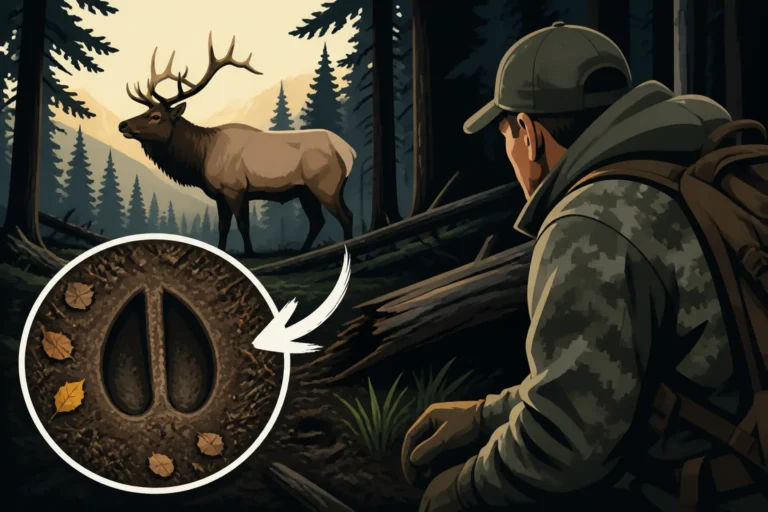
For many, myself included, those early hunting experiences with a mentor are some of the most cherished memories. This program allows individuals who haven't yet completed their full hunter education requirements to experience hunting directly under the wing of an experienced, certified, and licensed adult. It provides a safe, controlled environment where they can learn hands-on. Imagine trying to explain how to read a track or identify a game animal through a book alone – it just doesn't compare to being out there, pointing it out in real-time. It cultivates an appreciation for wildlife and the outdoors from a practical standpoint, something you can't get from a classroom. This early exposure can ignite a lifelong passion and understanding of wildlife management.
Basic Mentor Requirements
Before you even consider how many mentees you can take, it's crucial to understand who qualifies as a mentor in Wyoming. It's not just anyone with a hunting license. Mentors must be at least eighteen years old, hold a valid Wyoming hunting license for the species being hunted, and, critically, must have completed an approved hunter education course. This ensures that the person providing the guidance truly understands safety protocols, wildlife identification, and hunting regulations. There's no getting around these fundamental requirements; they're in place to protect everyone involved and maintain the integrity of the program. For more on what it takes, check out our guide on Mentor Requirements: Eighteen, Certified and Licensed. Also, you might be curious about Does a Mentor Need Hunter Education Themselves? or Must a Mentor Hold a Hunting License?.
The Golden Rule: How Many Mentees Per Mentor
When it comes to mentored hunts in Wyoming, the rule regarding how many young or new hunters one mentor can supervise is pretty clear-cut, designed for safety and effective instruction. It's probably stricter than some might initially expect, but for good reason.
The Standard Supervision Limit
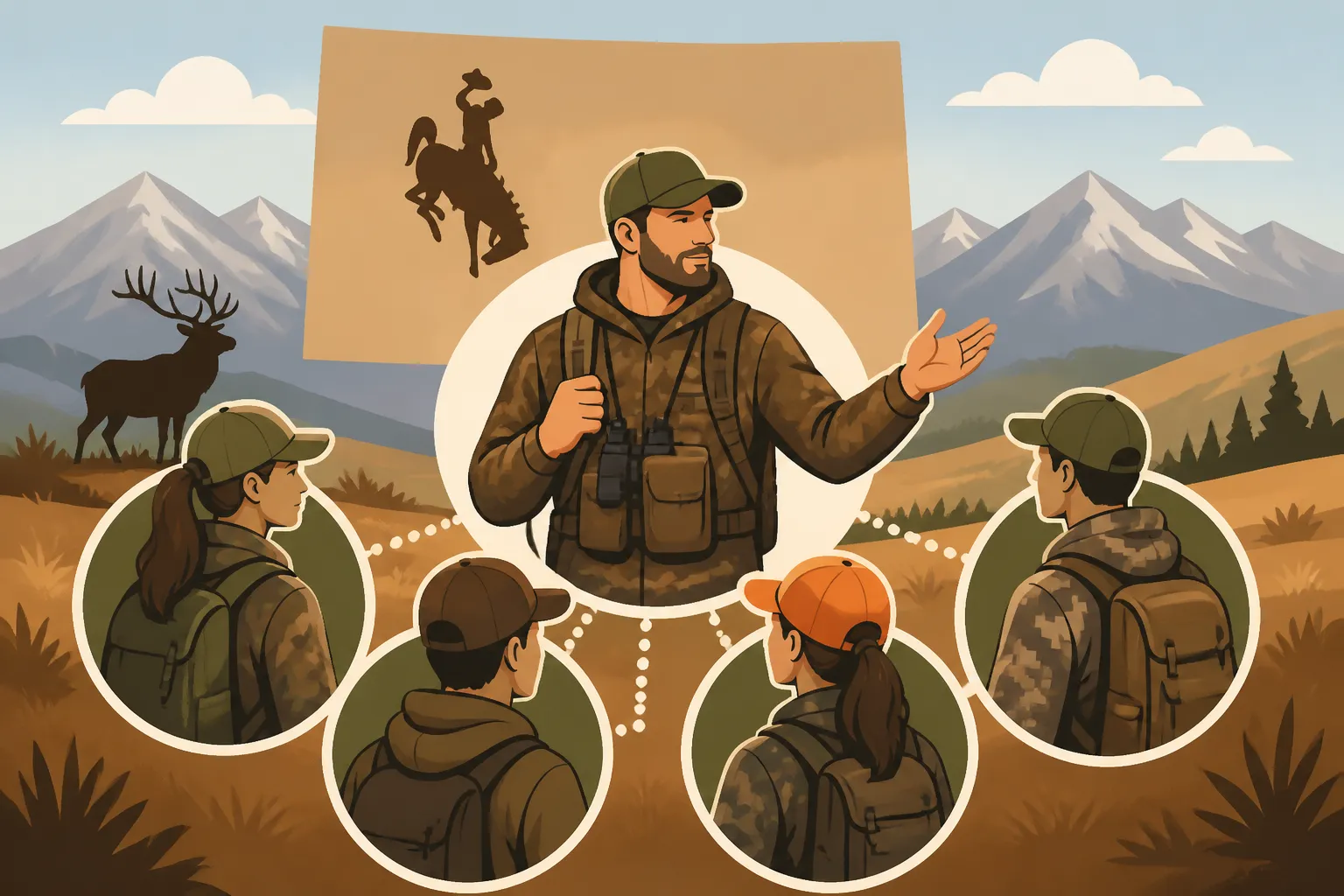
The standard rule in Wyoming is straightforward: one mentor can supervise no more than one mentee at a time in the field. This means it's a 1:1 ratio. If you're out hunting with a friend who hasn't completed their hunter education, or you're taking your nephew out for his first deer hunt, you, as the certified mentor, can only directly oversee that single individual.
This strict limitation isn't arbitrary. It's put in place to ensure maximum safety and to provide the best possible learning environment. Imagine trying to keep track of multiple individuals, each with a firearm or bow, while simultaneously teaching them how to stalk, identify game, manage their breathing for a shot, and maintain proper muzzle control. With just one mentee, your attention isn't divided. You can focus entirely on that person's safety, their learning experience, and their adherence to all hunting regulations. It allows for immediate correction, personalized instruction, and a much safer outing for everyone involved. Without this clear rule, the risks of accidents, miscommunication, or overlooked errors would increase significantly, potentially endangering the mentee, the mentor, and anyone else in the vicinity.
What "Direct Supervision" Really Means
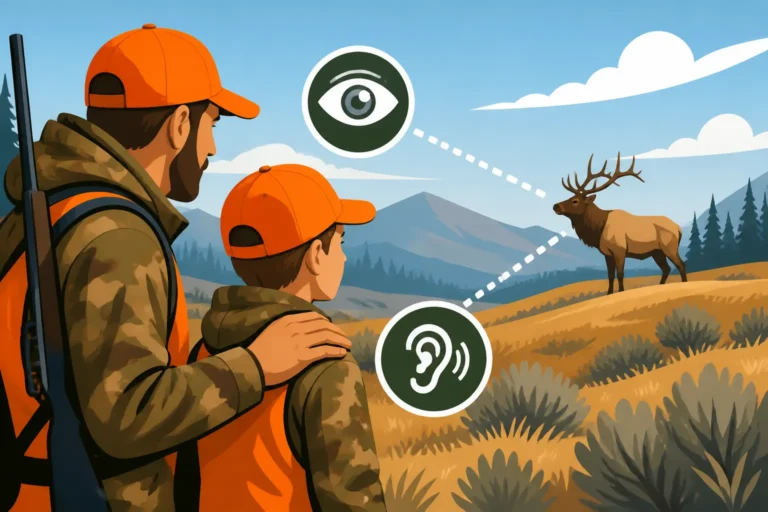
This 1:1 ratio is inextricably linked to the concept of "direct supervision." This isn't just about being in the same general area; it's about immediate oversight and control. In Wyoming, "direct supervision" means the mentor must be close enough to the mentee to provide continuous, uninterrupted voice and visual contact. This means no wandering off over the next ridge or stepping out of sight to scout. You need to be able to speak to them, hear them, and see them at all times. More importantly, you must be close enough to take immediate physical control of their weapon if necessary, or to intervene quickly in any situation.
Think of it this way: if your mentee spooks a deer and raises their rifle in excitement, you need to be right there, able to calmly guide their aim, remind them of their backdrop, or even physically prevent an unsafe shot if it comes to that. That kind of immediate intervention simply isn't possible if you're too far away or your attention is split between multiple individuals. Effective direct supervision ensures that the mentee is constantly learning correct habits, understands the ethical implications of their actions, and, most critically, operates their chosen weapon safely. For a deeper dive into what this means, check out Direct Supervision Means Sight and Voice Contact.
Exceptions to the Mentee Limit
While the 1:1 mentor-to-mentee ratio is the standard, Wyoming does offer a specific exception that many families find incredibly helpful when trying to introduce multiple children to hunting. It's a thoughtful provision that acknowledges the unique dynamics of family units.
The Family Exception: Hunting with Your Own Kids
This is where the rules offer a bit more flexibility for families. A certified mentor can supervise more than one mentee if those mentees are members of the mentor's immediate family. Specifically, this applies to the mentor's own children, stepchildren, or grandchildren. The logic here is clear: family members often have a pre-existing bond and communication style, and the mentor typically has a much deeper understanding of each child's individual capabilities, maturity levels, and learning styles.
This exception is a real boon for parents or grandparents who want to share the hunting tradition with all their youngsters simultaneously. Imagine a father wanting to take both his 10-year-old son and 12-year-old daughter out for their first antelope hunt. Under the general rule, he'd have to choose one or find another qualified mentor. With the family exception, he can take both. However, the requirement for "direct supervision" still applies universally. Even with family, the mentor must maintain continuous voice and visual contact with all mentees and be capable of intervening safely and immediately with any of them. It places a significant responsibility on the mentor to manage multiple individuals, ensuring safety remains paramount for the entire group. This specific family provision is detailed further in Why Families Get an Exception to the Mentee Limit.
Special Authorization Certificates
Beyond the general mentored hunt program, there's another avenue for certain situations: the Special Authorization Certificate. This isn't about regular mentored hunts, but rather specific circumstances, often related to disabilities or other unique needs where a specialized authorization might be granted. While not directly related to supervising multiple mentees in the same way the family exception is, it’s worth noting that the Wyoming Game and Fish Department can issue these certificates. These are typically for individuals with disabilities who may need specific accommodations or assistance in the field.
The certificate essentially outlines the conditions under which a hunter can participate, which might include having a designated assistant present. While this assistant isn't generally called a "mentor" in the same context as the standard program, their role is also supervisory and supportive. It’s a specialized permit that requires direct application and approval from the Wyoming Game and Fish Department, ensuring that appropriate supervision and safety measures are in place for the specific needs of the certificate holder. If you or someone you know might benefit from this, understanding The Special Authorization Certificate for Mentored Hunts is a good next step.
Practical Tips for Mentoring Multiple Young Hunters
So, you're a mentor, maybe even utilizing that fantastic family exception to bring a couple of your kids or grandkids into the field. That's awesome! But supervising more than one mentee, even within the rules, adds layers of complexity. It's not just about following the regulations; it's about ensuring everyone has a safe, positive, and educational experience.
Safety First: Managing Group Dynamics
When you have more than one mentee, safety becomes an even more immediate and paramount concern. It's no longer just a single firearm or bow you're watching; it's potentially two or more, moving in tandem or perhaps independently within your direct supervision zone.
- Establish Clear Zones of Fire: Before you even leave the vehicle, establish clear rules about shooting zones. Explain to each mentee where they can safely point their weapon and where they absolutely cannot. If you have two mentees, their zones of fire must never overlap in a way that puts the other at risk. Communication is key here. Practice this at the range beforehand.
- Maintain Spacing and Visual Contact: While you need to be in direct voice and visual contact with all mentees, it's often wise to keep a bit more physical spacing than you might with a single mentee. This helps prevent accidental contact between weapons or jostling that could lead to an unsafe situation. You need to be able to see everyone's hands, their muzzle direction, and their body language at all times.
- Review Rules Constantly: Especially with younger hunters, regular, calm reminders about muzzle control, target identification, and being sure of your backdrop are crucial. Don't assume they remember from the last five minutes. A simple, "Muzzle up, buddy," or "Where's your safe zone?" can prevent an incident.
- Assign Specific Roles (if age-appropriate): If one mentee is slightly older or more experienced, you might involve them in a secondary, non-hunting role, like spotting for game or carrying a backpack, which can help them feel engaged without adding another weapon to your direct supervision burden. This isn't to say they're supervising; you are. But it can manage the dynamic.
Ensuring a Quality Learning Experience
It's easy for one mentee to feel overlooked when another is hogging the attention or having all the "action." Making sure each individual gets a rich learning experience requires a bit more intentionality.
- Rotate Opportunities: If you have multiple mentees and spot game, try to alternate who gets the primary opportunity if the situation allows. Perhaps one day, it's one child's turn to get the first crack, and the next, it's the other's. This prevents feelings of unfairness and ensures everyone gets a chance to apply what they've learned.
- Tailor Instruction: Each person learns differently. One mentee might respond well to detailed explanations, while another needs more hands-on demonstration. Try to observe their learning style and adapt your teaching. GoHunt's resources can be a fantastic way to review e-scouting maps or regulations together, engaging both mentees in the planning process before the hunt.
- Encourage Questions and Discussion: Create an environment where questions are welcomed, even encouraged. Ask them what they're seeing, what they think you should do next, or how they'd approach a scenario. This active engagement is far more effective than just lecturing them. After a stalk or encounter, debrief with both of them, asking what went well and what could be improved.
- Focus Beyond the Shot: Emphasize the broader aspects of hunting: reading sign, understanding animal behavior, ethical shot placement, field dressing, and carcass care. Not every hunt ends with an animal, but every hunt can be a rich learning experience about the outdoors. Talk about the local ecosystem, why you chose this specific area, or how the weather affects game movement.
Gear and Logistics for Group Hunts
Hunting with more than one mentee means more gear, more people to manage, and more potential for things to go sideways if not planned properly.
- Gear Checks and Preparation: Double-check everyone's gear. Do both mentees have appropriate clothing layers? Are their firearms sighted in and safe? Do they have enough water and snacks? With multiple people, it's easy to forget something for one individual. Go through a checklist meticulously for each person.
- Transportation Considerations: If you're driving into a remote area, consider how two or more mentees, plus yourself and potentially an animal, will fit safely and legally in your vehicle. Will you need extra space for field-dressed game?
- Emergency Planning: When you have multiple young hunters, a simple twisted ankle becomes a bigger logistical challenge. Make sure you have a comprehensive first-aid kit, know your exact location, and have a plan for communication in areas without cell service. If one mentee needs attention, how will the other be safely managed? Discuss these scenarios beforehand.
- Keep It Fun and Manage Expectations: Hunting should be an enjoyable experience, especially for new hunters. Manage their expectations about success. It's not always about taking an animal; it's about the adventure, the time spent together, and learning about nature. Celebrate small victories, like a well-executed stalk or correctly identifying a distant animal, even if no shot is fired. This positive reinforcement is crucial for fostering a love for hunting.
| Rule Category | Standard Mentee Limit | Family Exception | "Direct Supervision" Means | Special Authorization |
|---|---|---|---|---|
| Number of Mentees | 1 per mentor | Multiple (children, stepchildren, grandchildren) | N/A | Case-by-case |
| Mentor Requirements | 18+, Hunter Ed, License | 18+, Hunter Ed, License | N/A | N/A |
| Proximity | Voice & Visual Contact | Voice & Visual Contact | Continuous, immediate intervention possible | Specific to certificate |
| Purpose | General new hunter intro | Family hunting heritage | Safety & effective teaching | Disability accommodation |
Disclaimer
Please note: The information provided in this guide is for general informational purposes only and does not constitute legal advice. Hunting regulations in Wyoming are subject to change, and specific rules may vary by hunt area or species. It is the responsibility of every hunter and mentor to review and understand the current Wyoming Game and Fish Department regulations prior to engaging in any hunting activities. Always prioritize safety and ethical hunting practices.