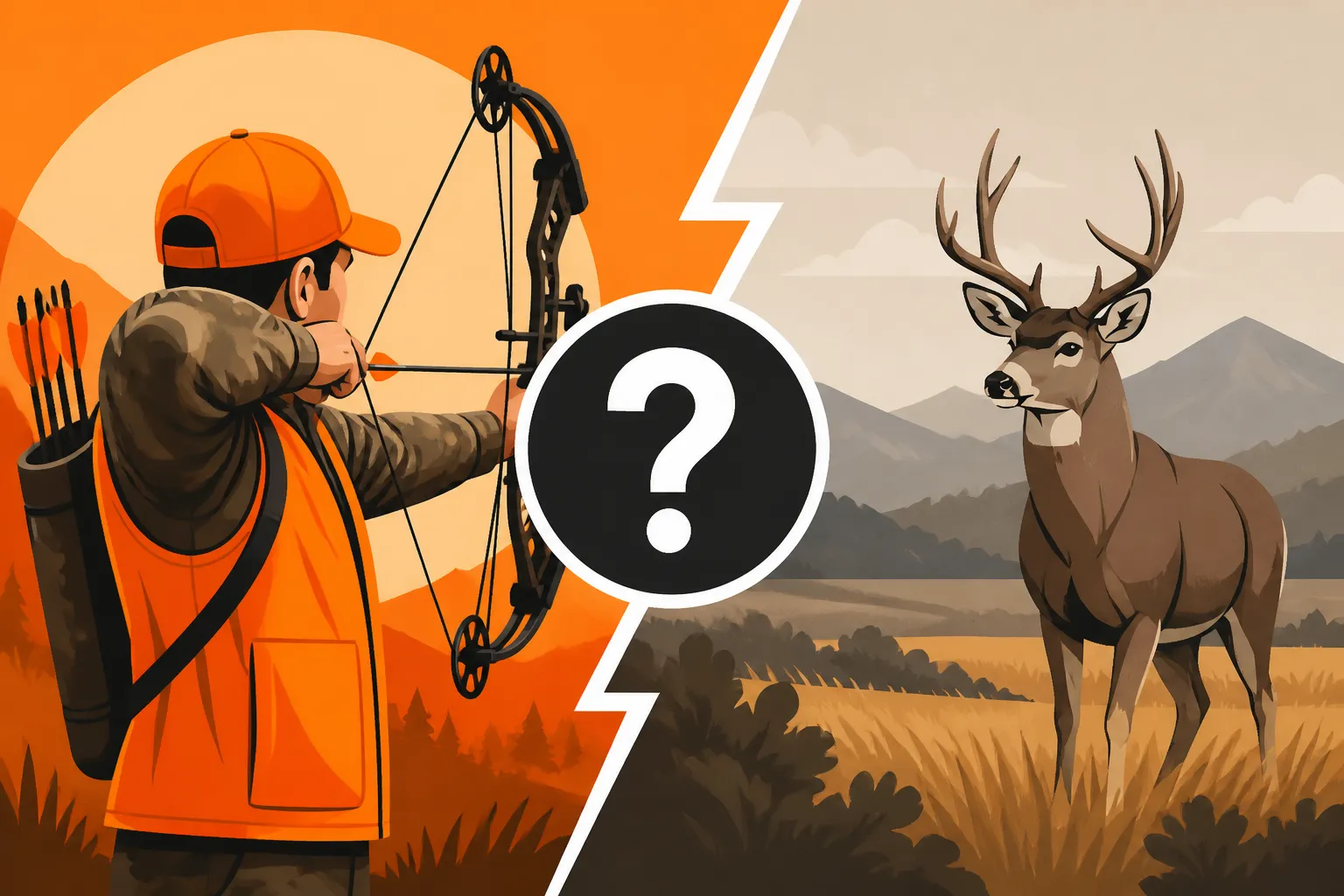
Is Blaze Orange Required for Archery Hunting?
Hunting in Wyoming offers incredible experiences, but the rules and regulations can sometimes feel like a labyrinth, especially when you're trying to figure out seemingly straightforward things like blaze orange requirements. It’s a common point of confusion for many, particularly for archery hunters who might operate under different assumptions. Let's dive deep into Wyoming's specific rules and clear up exactly when you need that vibrant orange on your person.
Understanding Wyoming's Blaze Orange Mandates
There’s a clear distinction in Wyoming regulations regarding when blaze orange is a legal necessity. It largely boils down to the type of season you're participating in, and understanding this can prevent a lot of headaches – and potential citations – out in the field.
When Blaze Orange is Legally Required in Wyoming
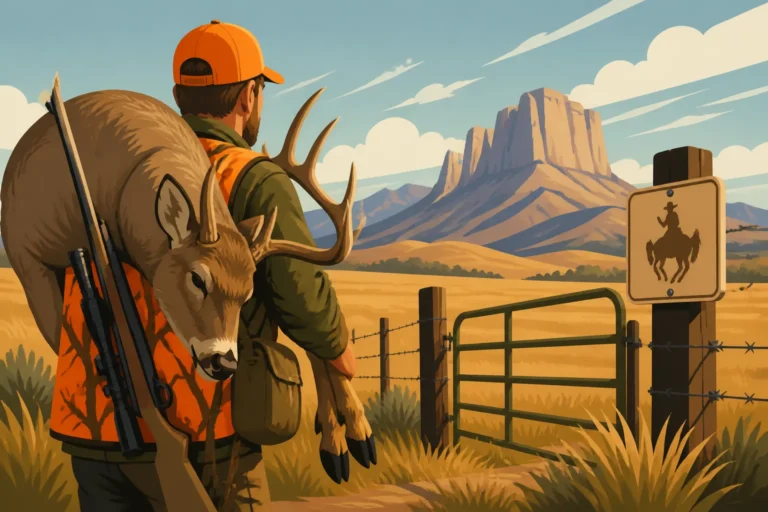
Generally speaking, when you're hunting big game in Wyoming during any firearm season, wearing blaze orange isn't just a good idea for safety; it's a legal requirement. This rule is in place to ensure maximum visibility for hunters, significantly reducing the risk of accidental shootings. The Wyoming Game and Fish Department specifies that a certain amount of visible blaze orange must be worn. This usually means an exterior garment, like a vest or jacket, and headwear, such as a hat or beanie.
For instance, if you're out chasing mule deer during the general rifle season, you're absolutely going to need to adhere to these rules. The regulations often stipulate that at least one article of outer clothing above the waist, visible from all sides, must be blaze orange. This isn't just a small patch; it needs to be substantial enough to be clearly seen from a distance. The aim is to make you stand out unmistakably against the natural backdrop, especially in areas where visibility might be limited by terrain or cover. Always check the current year's regulations for exact percentages or dimensions. It’s critical to remember that this isn't just about personal choice; it’s about collective safety in the woods. To dive deeper into these requirements, you can refer to the guide on Blaze Orange Requirements Through the Rifle Season.
The Archery Season Exception to Blaze Orange
Now, here’s the direct answer many bowhunters are looking for: No, blaze orange is generally not required for archery hunting during designated archery-only seasons in Wyoming. This is a significant distinction from firearm seasons and reflects the unique nature of bowhunting. Archery season often precedes the general firearm seasons, meaning fewer hunters are typically in the field, and the methods of hunting are inherently different.
Bowhunters rely heavily on stealth, camouflage, and close-range encounters. The vibrant color of blaze orange, while excellent for safety during rifle season, would fundamentally compromise the effectiveness of an archery stalk. Imagine trying to sneak within 40 yards of a wary elk wearing a bright orange vest – it's just not practical! This exemption acknowledges the distinct challenges and strategies of bowhunting, where blending into the environment is paramount. It's one of the perks of embracing the quiet hunt, allowing archers to move through the landscape unseen, much like the animals they pursue. Many hunters use tools like those offered by GoHunt to scrutinize season dates and verify these specific regulations before they even pack their bow.
Specific Scenarios and Archery Hunting Safety
While the general rule for archery-only seasons is that blaze orange isn't required, the complexities of hunting often introduce scenarios where vigilance and an understanding of overlapping seasons become crucial. Safety should always be your top priority, regardless of the legal mandate.
Overlapping Seasons and the Need for Caution
This is where things can get a little tricky. While Wyoming’s dedicated archery seasons typically don't require blaze orange, many hunt areas have season structures where an archery season might overlap with an early rifle season, or extend into a general firearm season. If you find yourself bowhunting in an area that is also open to firearm hunting at that specific time, even if you’re using archery equipment, you may still be legally required to wear blaze orange.
The logic here is sound: if there are hunters in the field using high-powered rifles, the risk of misidentification increases dramatically. You might be focused on a mule deer buck, but a rifle hunter might be glassing the same ridge for elk, and it’s imperative that you are visible to them. Always check the specific regulations for your chosen hunt area and season dates. Don't assume that because you have a bow in hand, the rules are the same as an archery-only period. Ignorance of the law is no excuse, and more importantly, safety is paramount. Paying close attention to Wyoming Legal Shooting Hours for Big Game can also give you an indication of when other hunters might be out and about.
Why Some Archery Hunters Still Choose Blaze Orange
Even when not legally mandated, some archery hunters still choose to carry or wear blaze orange, especially in specific situations. This often comes down to personal safety and a pragmatic approach to hunting in shared landscapes. For example, while actively stalking an animal, you might be in full camouflage. However, once you've made a kill, or if you're simply walking back to your vehicle at dusk, wearing a blaze orange hat or vest can drastically increase your visibility to other hunters who might still be in the field.
Consider a scenario where you've successfully harvested an elk deep in a timbered draw during archery season. Now you have to field dress the animal and potentially make several trips to pack it out. During this retrieval process, you might be moving slowly, focused on your task, and less aware of your surroundings. Throwing on an orange vest or hat signals your presence to anyone else who might be passing through. It's a small precaution that can make a huge difference. Think of it as an insurance policy for your personal safety, especially in popular hunting areas or dense cover. This mindfulness extends to other hunting tactics; even when using specialized gear like decoys, as discussed in The Decoy Distance That Actually Pulls Antelope Bucks, always consider your visibility.
Deciphering Regulations and Planning Your Hunt
The nuanced rules around blaze orange are a prime example of why meticulous planning and regulation review are not just suggestions, but absolute necessities for any hunter in Wyoming. Relying on outdated information or assumptions can quickly lead to trouble.
Consulting Official Wyoming Game and Fish Regulations
There is truly no substitute for reading the official regulations booklet published by the Wyoming Game and Fish Department (WGFD) each year. These booklets are the authoritative source for all hunting rules, including those pertaining to blaze orange. Regulations can and do change, sometimes subtly, from one season to the next. What was true last year might have a slight modification this year.
Before you even consider packing your gear, download or pick up a copy of the current regulations. Pay close attention to the general hunting rules section, but also scrutinize the specific regulations for the species you're hunting and the particular hunt area you've drawn a tag for. The WGFD website is an excellent resource for this, and they typically make the regulations available well in advance of the seasons. Many savvy hunters also leverage platforms like GoHunt that aggregate and interpret these regulations, helping them stay compliant. You can find out more about where to access these vital documents in Where the Current Wyoming Regulations Are Posted. It’s a small investment of time that pays dividends in avoiding legal issues and ensuring a safe hunt.
Understanding Different Hunt Area Rules
Wyoming's vast and diverse landscape means that hunting regulations are often hyper-local, with rules varying significantly from one hunt area to another. This applies not only to season dates and weapon restrictions but can also impact blaze orange requirements, especially in those tricky overlap scenarios we discussed earlier. A general statewide rule might be the baseline, but specific hunt areas might have additional provisions or exceptions.
For instance, certain areas might have an extended archery season that runs concurrent with a youth rifle hunt. In such a scenario, even if you’re strictly bowhunting, the presence of firearm hunters might trigger a blaze orange requirement that wouldn't apply in a pure archery-only unit. Always cross-reference the statewide regulations with the specific rules for your chosen hunt area, often listed by number (e.g., Elk Hunt Area 7, Deer Hunt Area 101). Utilizing online mapping tools and regulation summaries provided by GoHunt can be invaluable in this process, allowing you to visually assess your chosen unit and its specific dictates. Understanding Wyoming Hunt Areas That Limit Your Weapon Choice is another layer of detail that helps connect the dots. Never assume one unit's rules apply to another; always verify.
Practical Blaze Orange Options for Hunters
Even when blaze orange isn't a legal requirement for your archery hunt, there are still intelligent ways to incorporate it for enhanced safety without completely sacrificing your stealth. It's about being strategic and knowing when to deploy it.
Vests, Hats, and Other Garments
When blaze orange is required, or when you choose to wear it for safety, you have several practical options. The most common are vests and hats. A good quality blaze orange vest, often made from durable, lightweight material, can be worn over your existing hunting clothes. Look for vests with minimal bulk that won't impede your movement or bow draw. Some vests even come with handy pockets for essentials.
Hats, such as beanies or baseball caps, are another excellent way to add visible orange, especially if you want to keep your torso camouflaged for stalking but still be seen from above or at head height. Many hunters will keep a blaze orange beanie stashed in their pack, ready to pull out when they’re moving through areas where other hunters might be present, or after they've downed an animal and are beginning the recovery process. Even small items like an orange bandana tied to your pack can make a difference in visibility. The key is to select items that are truly "blaze orange" – a vibrant, unmistakable hue, not just a faded or dull orange.
Integrating Blaze Orange Without Compromising Camouflage (When Permitted)
For archery hunters, the idea of wearing blaze orange can feel contradictory to the very nature of their pursuit. However, there are smart ways to integrate it without undermining your camouflage when it's not legally required for active hunting. As mentioned, a blaze orange hat is a fantastic compromise. It provides visibility at a key point (your head) without breaking up your body's camouflage profile too dramatically.
Another strategy is to use blaze orange only during non-hunting activities, such as hiking to and from your hunting spot, scouting, or retrieving downed game. You can carry a lightweight blaze orange vest or jacket in your pack and only put it on when you're not actively stalking or calling. This allows you to maintain full concealment during the critical moments of the hunt but switch to high visibility when moving or processing an animal. This dual approach gives you the best of both worlds: effective camouflage for the shot, and undeniable visibility for safety around other people.
| Scenario | Legal Requirement for Blaze Orange | Why (or Why Not) | Recommended Practice |
|---|---|---|---|
| Archery-Only Season | No | Bowhunting relies on stealth; legal exemptions acknowledge this. | Camouflage recommended for active hunting. |
| Archery during Overlapping Firearm Season | Yes (often) | Presence of firearm hunters necessitates high visibility for safety. | Wear required blaze orange, even with bow. |
| General Firearm Season | Yes | Mandated by law for all big game hunters using firearms to maximize visibility and prevent accidents. | Full compliance with WGFD blaze orange requirements. |
| Retrieving Game | No (but highly recommended) | Moving slowly, often focused on task, increased vulnerability to other hunters. | Don a blaze orange vest/hat for visibility. |
| Hiking to/from Hunt Area | No (but highly recommended) | Movement during low light or in mixed-use areas, increasing visibility to other forest users or hunters. | Wear blaze orange hat/outer layer, especially at dawn/dusk. |
| Scouting Outside Season | No | No hunting activity, but good practice if in areas frequented by others (hikers, other recreationists). | Optional, but consider for visibility. |
Disclaimer
The information provided in this guide is intended for general informational purposes only and does not constitute legal advice. Hunting regulations in Wyoming can change and are subject to interpretation. It is the sole responsibility of every hunter to consult the most current official Wyoming Game and Fish Department regulations booklet and clarify any ambiguities directly with the WGFD prior to engaging in any hunting activities. Failure to do so may result in penalties.