Limited Quota Elk Areas Closed to General Licenses in Wyoming
If you're looking at Wyoming's elk hunting regulations for the first time, or even the fifth, you've probably stumbled across the terms "general license" and "limited quota" and felt a knot of confusion. It can be incredibly frustrating to sift through pages of rules only to realize that the prime elk country you've been dreaming of is completely off-limits with the wrong tag. This guide aims to clear up that confusion, explaining precisely why certain elk areas in Wyoming are designated as limited quota and what that means for your hunting plans, especially when it comes to general licenses.
Understanding Wyoming's Elk License System
Wyoming’s approach to elk hunting is nuanced, designed to balance hunter opportunity with sustainable herd management. It’s not a one-size-fits-all system, and understanding the core differences between a general elk license and a limited quota license is the first step toward a successful hunt planning strategy.
General Licenses: Flexibility and Limitations
A general elk license, sometimes referred to as an "OTC" (over-the-counter) tag in other states, offers a certain level of flexibility, but it comes with significant limitations in Wyoming. These licenses typically allow hunters to pursue elk in a broad array of hunt areas across the state, often without having to go through a rigorous draw process for specific units. For many resident hunters, and some non-residents looking for an accessible hunt, a general license can seem like a straightforward option.
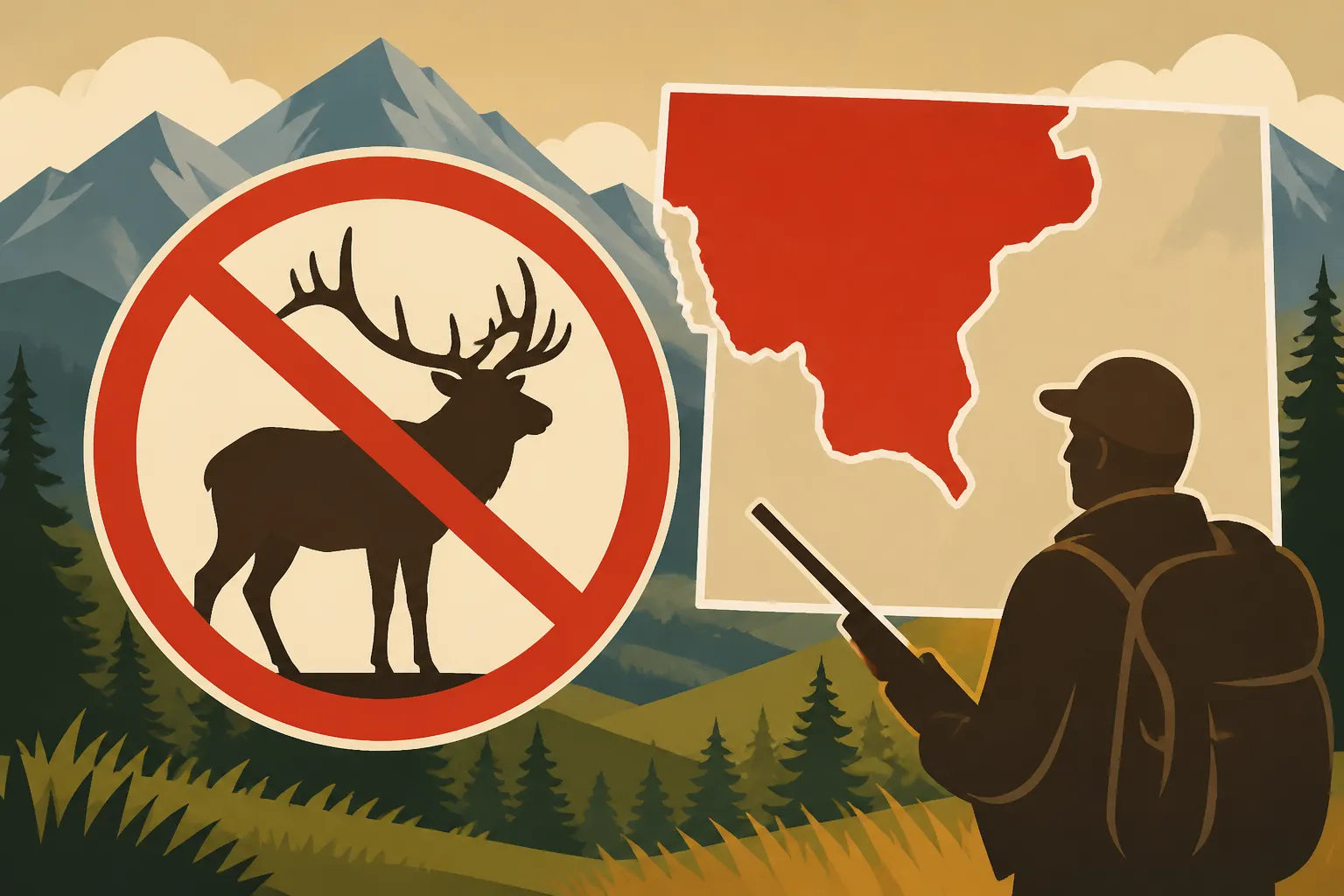
However, the flexibility of a general license means it doesn't grant you access to every corner of Wyoming's vast elk country. In fact, it explicitly excludes you from a significant number of premier elk units that are managed under a "limited quota" system. Imagine pouring over maps, scouting prime habitat, only to discover that the specific mountain range or river bottom holding the elk you want is off-limits with your general tag. This can be a huge letdown, and it highlights the critical need to understand the rules before you apply or purchase any license. It's a common scenario, especially for those unfamiliar with Western big game draws, where a hunter buys a general tag expecting to hunt anywhere, only to find the most popular or highest-quality areas are completely out of reach. For more on where these tags might work, read about Wyoming General Elk Licenses and Where They Work.
Limited Quota Licenses: The Path to Premier Hunting
On the other side of the coin, limited quota licenses are your golden ticket to some of Wyoming's most sought-after elk hunting experiences. These licenses are tied to specific, designated hunt areas, and their numbers are strictly controlled through a highly competitive draw. Unlike general licenses, a limited quota tag signifies that you've successfully navigated the application process and secured one of a finite number of permits for a particular unit.
The benefits of drawing a limited quota license are substantial. They often provide access to units known for higher elk densities, better bull-to-cow ratios, and the potential for truly trophy-class animals. Because hunter numbers are capped, you'll generally experience less hunting pressure, which can translate to a higher quality experience and, often, a greater chance of success. These units are managed intensely, with specific objectives for herd health and age structure, which contributes to their reputation for excellent hunting. The challenge, of course, is actually drawing one of these coveted tags. It's a game of patience and strategy, often involving years of accumulating preference points. The results of this process usually come in May, as detailed in Wyoming Elk Draw Results Come in May.
The Rationale Behind Limited Quota Elk Areas
The decision to designate certain elk areas as "limited quota" isn't arbitrary; it's a carefully considered management strategy rooted in biological principles and a commitment to maintaining quality hunting opportunities for future generations. It’s about more than just dividing up the pie; it’s about making sure there’s still pie for everyone, years down the road.
Managing Elk Populations and Habitat
At its heart, the limited quota system is a crucial tool for wildlife management. Wyoming Game and Fish Department biologists closely monitor elk populations across the state, assessing herd health, reproduction rates, and winter mortality. They also evaluate the carrying capacity of the land – how many animals a particular habitat can sustain without suffering long-term damage. In areas where elk populations might be vulnerable, or where habitat is particularly sensitive, limiting the number of hunters through a quota system helps prevent overharvest. This ensures the herd remains healthy, robust, and can continue to thrive.
Consider, for example, the elk herds in the western part of the state, particularly those influenced by winter ranges like those found near Jackson or within Wyoming's Elk Herd Units and Winter Range. These areas often have specific management goals to mitigate disease transmission, such as Chronic Wasting Disease (CWD) or Brucellosis, or to reduce conflicts with agricultural operations. By setting strict quotas, the department can fine-tune harvest levels to meet these complex objectives. Without such controls, an influx of general license hunters into these areas could quickly destabilize a herd or damage critical winter forage, leading to long-term negative impacts on the ecosystem and the elk themselves.
Quality Hunting Experience and Opportunity
Beyond pure biological management, limited quotas are also instrumental in maintaining a high-quality hunting experience. Imagine arriving at your dream hunting spot, only to find dozens of other hunters, trucks, and ATVs already there. It's a scenario that can quickly turn a peaceful wilderness hunt into a frustrating, crowded experience. By limiting the number of licenses available for specific units, the Game and Fish Department effectively spreads hunters out, reducing pressure on the animals and providing a more solitary, wilder experience for those who draw a tag.
This reduction in crowding isn't just about hunter comfort; it directly impacts success rates. Less pressured elk are often more predictable, less skittish, and more likely to follow their natural patterns, making them more callable and stalkable. For hunters who invest significant time, money, and effort into a Wyoming elk hunt, especially non-residents traveling long distances, ensuring a quality experience is paramount. Limited quotas also play a vital role in trophy management, particularly for bulls. By allowing a certain percentage of bulls to survive past their younger years, these units can produce older, more mature animals with larger antlers, adding to the allure and challenge for serious trophy hunters.
Navigating the Limited Quota Draw for Elk
Successfully drawing a limited quota elk tag in Wyoming is a multi-year endeavor for many, and it certainly requires more strategic planning than simply buying a general license. But with the right approach, it’s absolutely achievable.
Preference Points: Your Investment in Future Hunts
Wyoming utilizes a preference point system for its big game draws, which is absolutely critical to understand if you're serious about hunting limited quota elk. Essentially, every time you apply for a limited quota license and are unsuccessful, you accrue a preference point (provided you select the point-only option if you don't want a random draw chance). These points then increase your odds in future draws for most species. Wyoming's draw is typically split 75% preference points and 25% random, meaning the majority of tags go to those with the most points. This system rewards patience and consistency.
Think of preference points as an investment. Each point you buy or earn makes your application stronger for the next year. Over time, these points accumulate, eventually positioning you to draw a tag in those highly sought-after units that might otherwise be out of reach. For non-residents, especially, building a solid base of preference points is often the only realistic pathway to hunting the most desirable limited quota elk areas. Understanding Wyoming's 75/25 Draw Split Explained and knowing How Many Points It Takes to Draw Wyoming Elk can really help manage expectations and plan your strategy.
Researching Hunt Areas and Draw Odds
Before you even think about applying, extensive research into specific hunt areas and their draw odds is paramount. This isn't a process you want to rush. Each limited quota elk unit in Wyoming has its own unique characteristics: different terrain, public land access percentages, elk population trends, and historical success rates. What works for one hunter in one unit might be a completely different ballgame in another.
Tools like the official Wyoming Game & Fish Department's Hunt Planner are invaluable, providing detailed information on herd objectives, past harvest data, and season dates. Beyond the official resources, many hunters rely on third-party analytical platforms, such as GoHunt's INSIDER, which aggregates and interprets draw odds data, providing powerful insights into your chances of success. They can show you not just the odds of drawing, but also historical point trends, public land access breakdowns, and success rates, helping you make an informed decision on where to apply. It’s also crucial to understand the various license types, such as What a Wyoming Type 1 Elk License Means, as these can dictate what kind of elk you can harvest (bull, cow, either sex) and when and where you can hunt. Thoroughly Checking Draw Odds Before You Apply is non-negotiable for serious applicants.
Application Deadlines and Process
Missing an application deadline in Wyoming means waiting another year, and that's a mistake no hunter wants to make. For non-resident elk hunters, the application deadline typically falls in early February. Residents usually have similar deadlines. It’s vital to mark these dates on your calendar and set reminders well in advance.
The application process itself is conducted online through the Wyoming Game & Fish Department's Electronic Licensing System (ELS). You'll need to create an account, select your preferred species (elk), and then choose your desired hunt area(s) and license type(s). This is where your research comes into play, as you'll be selecting first, second, and possibly third choices for hunt areas. You'll also decide if you want to apply for a preference point only, or if you want to enter the draw for a license and potentially receive a preference point if unsuccessful. Double-checking all your selections before submitting is crucial, as errors can be costly.
When a General License Makes Sense
While limited quota tags offer access to premier hunting, general licenses still play a vital role in Wyoming's hunting landscape and can provide fantastic opportunities, especially for hunters with different priorities or constraints.
Flexibility and Over-the-Counter Options
Sometimes, life happens fast, and you might find yourself with an unexpected window for a hunt. In these situations, dealing with multi-year draw strategies might not be feasible. This is where a general elk license truly shines. While not strictly "over-the-counter" in the sense of walking into a store and buying one for elk in Wyoming (they are part of a draw, albeit a much easier one for residents and often for non-residents, depending on the year), they represent the most flexible option for many. They are designed to provide widespread access for hunters, covering a vast amount of public land.
For residents, a general elk license is a staple, often allowing them to hunt familiar stomping grounds year after year without the anxiety of a limited quota draw. Non-residents who prefer flexibility over a specific trophy unit, or who are looking for a more budget-friendly option, also benefit. They can often be a great choice for a last-minute decision to hunt, or for those who simply want to get out in the field without the multi-year commitment of preference points.
Public Land Elk Hunting with a General Tag
Having a general elk tag doesn't mean you're relegated to poor hunting areas. In fact, some of Wyoming's most expansive and rugged public lands are open to general license holders, offering legitimate and rewarding elk hunting. The key to success with a general tag, particularly for non-residents, lies in focusing on less-pressured areas. This often means being willing to hike further, explore more remote corners, and truly put in the effort away from roads and established trailheads.
These areas, while perhaps not boasting the same trophy potential or herd density as a limited quota unit, still hold plenty of elk. Success often comes down to diligent e-scouting, on-the-ground reconnaissance, and a willingness to adapt your hunting style. You might find yourself glassing vast sagebrush basins, still-hunting through timber, or pursuing elk in areas that require more physical exertion. It's a different challenge, but one that many hunters relish. Even though these areas might be open, it's still crucial to confirm specific regulations, as Wyoming General Elk Licenses and Where They Work will detail that even general areas can have nuances or closures.
Planning Your Wyoming Elk Hunt
Regardless of whether you're chasing a limited quota tag or planning a general license hunt, meticulous planning is the bedrock of a successful Wyoming elk adventure. The state's vastness and diverse ecosystems demand thorough preparation.
Understanding Season Dates and Regulations
This cannot be stressed enough: Wyoming's elk season dates and regulations are highly specific and vary significantly from one hunt area to another, and even by license type within the same area. What applies to one unit might be completely different in an adjacent unit. It’s not uncommon for archery season to open in early September, followed by rifle seasons that can run from late September through November, but these dates are meticulously carved out for each individual hunt area.
Before you make any plans, you absolutely must consult the official Wyoming Game & Fish Department regulations for the specific hunt area and license type you are targeting. These regulations will specify opening and closing dates, legal weapon types, bag limits, and any special provisions. Don't rely on general information or outdated sources; always refer to the current year's official regulations. Understanding Wyoming Elk Season Dates Are Set Hunt Area by Hunt Area is critical, as is grasping Why Wyoming Elk Dates Vary So Much by Area.
Essential Research Tools for Elk Hunters
In today's digital age, hunters have an incredible array of tools at their disposal to aid in planning a Wyoming elk hunt. The first stop should always be the official Wyoming Game & Fish Department website. Their interactive hunt planner maps, regulation booklets, and harvest statistics are foundational resources that provide the most accurate and up-to-date information.
Beyond the official sources, several third-party platforms enhance the planning process significantly. OnX Hunt and BaseMaps are invaluable mapping applications that provide detailed topographical maps, public/private land boundaries, and GPS capabilities essential for navigating unfamiliar terrain. For those navigating the draw system, platforms like GoHunt's INSIDER offer sophisticated draw odds analysis, harvest reports, and detailed unit profiles, helping you make data-driven decisions about where to apply your hard-earned preference points. Utilizing a combination of these resources will give you the most comprehensive picture possible for your hunt.
| Feature | General Elk License | Limited Quota Elk License |
|---|---|---|
| Availability | Easier to draw, more widespread. | Highly competitive draw, limited numbers. |
| Access | Excludes designated limited quota areas. | Grants access to specific, managed hunt areas. |
| Hunter Density | Can experience higher hunter numbers in popular areas. | Generally lower hunter numbers, reduced pressure. |
| Trophy Potential | Good potential, but often requires more effort to find. | Higher potential for mature, trophy-class animals. |
| Draw System | Simpler draw, fewer preference points needed (if any). | Requires preference points for high-demand units. |
| Management Focus | Broader herd management across diverse landscapes. | Intensive unit-specific management for quality/health. |
| Planning Effort | Less research into specific unit odds, more on public land access. | Extensive research into draw odds, unit profiles, and points. |
Disclaimer
Please remember that hunting regulations can change frequently. Always consult the most current official Wyoming Game & Fish Department regulations before planning any hunt or purchasing any licenses. This guide is intended for informational purposes only and should not be considered legal advice.