When Wyoming Moose Applications Close
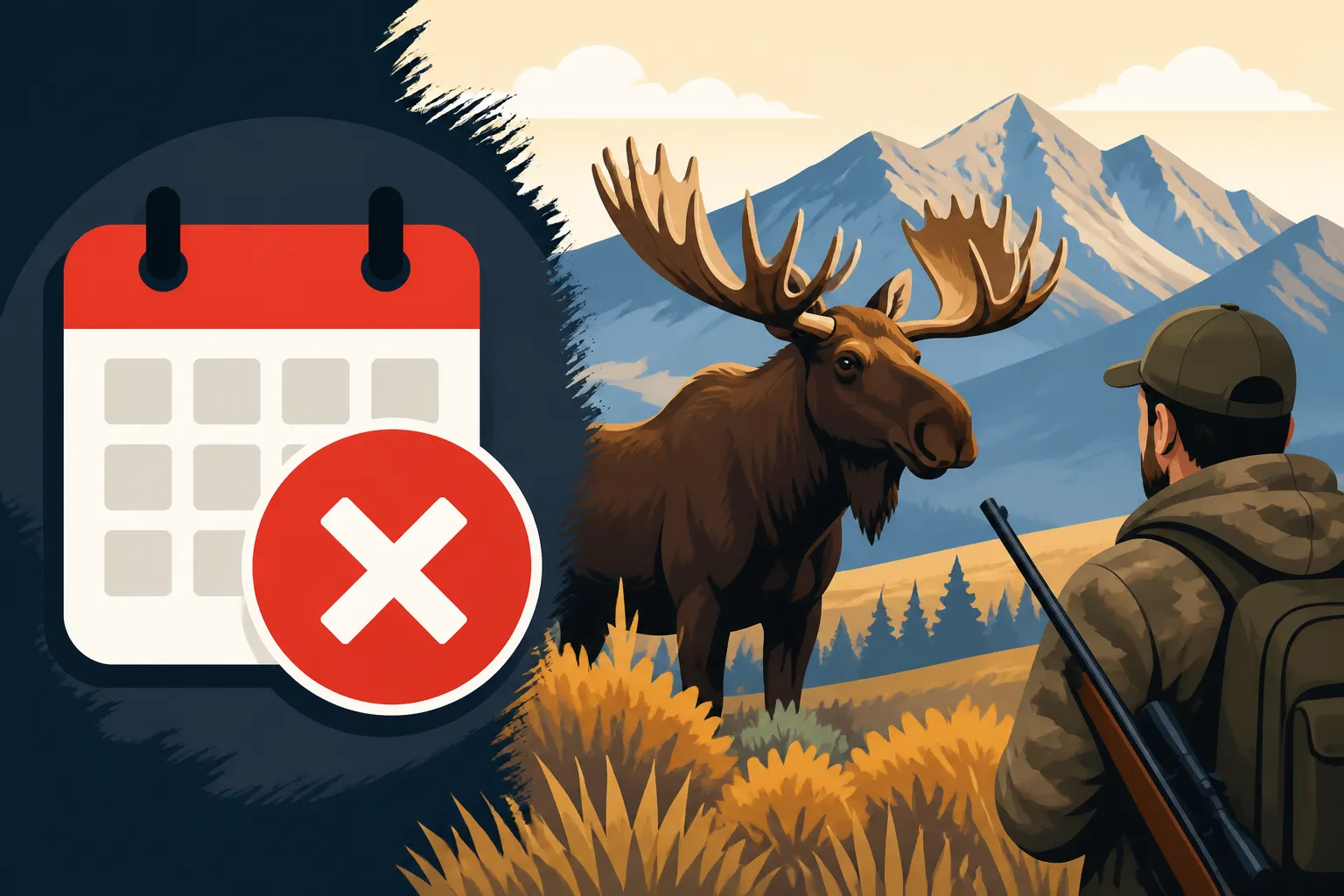
Missing a crucial hunting application deadline can feel like a punch to the gut, especially when you're dreaming of a once-in-a-lifetime hunt for a magnificent animal like a Wyoming moose. The application process for coveted species operates on a strict timeline, and moose are no exception to this competitive environment. This comprehensive guide will walk you through the exact deadline for moose applications, explain why it's so vital, and offer tips to ensure you never miss out on your chance to draw one of these incredible tags.
The Critical Deadline for Wyoming Moose Applications
If you're eyeing a Shiras moose hunt in the Cowboy State, marking your calendar with the correct application deadline is perhaps the single most important step you'll take. Overlooking this date means forfeiting an entire year's opportunity, and for a species as sought after as moose, that's a significant loss.
Understanding the April 30th Cutoff
The Wyoming Game and Fish Department (WGFD) has set a firm and consistent application deadline for moose: April 30th. This isn't a date that shifts around much year to year, but it's crucial to confirm it in the official regulations each season, just in case. What’s interesting, and often a point of confusion for new applicants, is that this exact deadline applies not just to moose, but also to other "once-in-a-lifetime" and highly coveted species. If you're also hoping for a bighorn sheep, mountain goat, or bison tag, you'll find their application window also closes on April 30th. This shared deadline is highlighted in the guide for Sheep, Goat, Moose and Bison Close April 30 in Wyoming.
It's vital to remember that "April 30th" typically means by 11:59 PM Mountain Daylight Time (MDT) on that specific day. However, I always advise hunters to consider the effective deadline to be at least a day or two earlier. Why? Because technology has a funny way of failing at the most inconvenient times. Waiting until the final hours on April 30th risks encountering website crashes, slow internet speeds, or unexpected payment processing errors. Imagine spending all that time researching hunt areas and dreaming of a bull only to have your application fail to submit because the server was swamped. It’s a completely avoidable heartbreak.
Why This Deadline is So Important
The significance of the April 30th deadline for moose applications cannot be overstated. Unlike more common species, Wyoming moose tags are incredibly rare, making each application cycle a precious opportunity. Drawing a moose tag in Wyoming is truly a once-in-a-lifetime experience, as the state limits you to taking only one moose in your lifetime. This means that if you're lucky enough to draw a tag, you won't be able to apply for another Wyoming moose tag in future years. This policy naturally funnels all aspiring moose hunters into the same narrow application window, year after year, until they beat the odds.
The demand for these tags far outstrips the supply, leading to exceptionally low draw odds. Hunters from across the country, and even internationally, vie for a handful of available tags. Because the opportunity is so limited and so highly valued, missing the April 30th cutoff isn't just missing an application; it's missing the application for one of the most prestigious big game hunts in North America for an entire season. There are no leftover moose tags to speak of, and no secondary draws that make up for missing this primary window. It's a hard stop.
Why Moose Applications are Different in Wyoming
When you dive into the nuances of Wyoming’s big game draws, you quickly realize that not all species are treated equally. Moose applications, in particular, stand apart from the systems for elk, deer, and antelope, making them unique and often confusing for those accustomed to other state systems.
The Pure Lottery System for Shiras Moose
Perhaps the most critical distinction for Wyoming moose hunting is the complete absence of a preference point system. For species like elk, deer, and antelope, Wyoming utilizes a hybrid draw system that factors in accumulated preference points. This means that over time, unsuccessful applicants for those species can build up points, theoretically increasing their chances in future draws. In fact, you can even apply just to buy preference points without applying for a tag, as detailed in Buying Wyoming Preference Points Without Applying for a Tag.
However, for moose (along with bighorn sheep, mountain goat, and bison), it’s a pure lottery system. This means every applicant, regardless of how many times they've applied in the past or how many points they might hold for other species, goes into the drawing with essentially the same odds as a first-time applicant. It's a true game of chance, which makes the draw exciting for newcomers but can be frustrating for those who have been putting in for decades. The guide on Shiras Moose: A Wyoming Tag Measured in Decades really hammers home how long some hunters wait, all through this pure lottery system.
This pure lottery system has significant implications. It means that consistently applying every year for moose, even with very low odds, is your only strategy. You can't game the system with points, you just need to keep trying. This also amplifies the difficulty for non-residents, as Wyoming employs a Wyoming's 90/10 Resident Split on Once-in-a-Lifetime Species for these rare tags. This means 90% of the very limited moose tags go to residents, leaving only 10% for non-residents. The odds for a non-resident drawing a moose tag are, frankly, minuscule, often hovering around 1-2% or less depending on the specific hunt area.
Limited Quotas and Hunt Area Specificity
Wyoming's Shiras moose population, while healthy in certain areas, is much smaller and more localized than its elk or deer herds. As a result, the WGFD manages moose populations very conservatively, issuing an extremely limited number of tags each year. These tags are not issued statewide; instead, they are allocated to specific Moose Draw Odds by Hunt District. Each hunt area has a predetermined quota, and some areas might only have one or two tags available for the entire season.
This level of specificity means that you're not just applying for "a moose tag" in Wyoming. You are applying for a tag for a particular hunt area (e.g., Hunt Area 1, Hunt Area 22, etc.) and sometimes even for a specific type of moose (e.g., bull only, cow only, or any moose). It’s crucial to research these hunt areas thoroughly before submitting your application. Factors like accessibility, terrain, population density, and success rates should all play into your decision. Resources like the official The Wyoming Hunt Planner can provide valuable information on these areas, including past harvest data and season dates. Additionally, platforms like GoHunt offer detailed draw odds and insights into specific hunt units, which can be invaluable when making your selections. Understanding which areas offer any chance, however slim, is key.
Here's a quick look at how Wyoming's major big game application deadlines stack up:
| Species | Application Deadline | Point System for Draw | General Draw Odds (Non-Res, rough est.) | Special Considerations |
|---|---|---|---|---|
| Moose | April 30th, 11:59 PM MDT | Pure Lottery (No Points) | <2% | Once-in-a-lifetime tag, 90/10 resident split |
| Bighorn Sheep | April 30th, 11:59 PM MDT | Pure Lottery (No Points) | <1% | Once-in-a-lifetime tag, 90/10 resident split |
| Mountain Goat | April 30th, 11:59 PM MDT | Pure Lottery (No Points) | <1% | Once-in-a-lifetime tag, 90/10 resident split |
| Bison | April 30th, 11:59 PM MDT | Pure Lottery (No Points) | <3% | Once-in-a-lifetime tag, 90/10 resident split |
| Elk (Non-Res) | January 31st, 11:59 PM MDT | Preference Point + Random | Varies by unit/points (e.g., 5-50%+) | General licenses, limited quota, special license |
| Deer (Non-Res) | May 31st, 11:59 PM MDT | Preference Point + Random | Varies by unit/points (e.g., 5-60%+) | General licenses, limited quota, special license |
| Antelope (Non-Res) | May 31st, 11:59 PM MDT | Preference Point + Random | Varies by unit/points (e.g., 10-80%+) | Limited quota, special license |
Note: Application fees are typically non-refundable. License fees are generally refunded if unsuccessful in the draw.
Navigating the Wyoming Game and Fish Application Portal
Applying for a Wyoming moose tag, or any big game tag for that matter, is an entirely online process these days. While convenient, it also means you need to be meticulous to ensure your application is correctly submitted and doesn't get lost in the digital ether.
Step-by-Step Application Process
First things first, you'll need an account on the Wyoming Game and Fish Department's Electronic Licensing System (ELS). If you don't have one, create it well in advance of the deadline. This usually involves setting up a username and password, and providing personal details like your date of birth, address, and residency status.
Once logged in, navigate to the "Apply for Licenses" section. You'll then select "Big Game" and then choose "Moose" from the species list. The system will guide you through a series of prompts. This is where you'll select your hunt area choices. Wyoming allows applicants to list up to three choices for moose. Your first choice is obviously the most important, as the system tries to fill first choices before moving to second and third choices. This is also where you'll confirm your residency status, as Wyoming Nonresident Tags Run $326 to $1,965 (or even more for special licenses) compared to resident tags.
A critical point that often surprises new applicants is the payment structure. For Wyoming moose, just like for other draw species, the full license fee is charged to your credit card at the time of application. This isn't just an application fee; it's the full cost of the tag. If you are unsuccessful in the draw, this license fee will be refunded to your card, but the small, non-refundable application fee will not be returned. So, ensure you have sufficient funds or credit available when you apply. After entering your payment information and reviewing all details carefully, you'll submit your application. Always, always make sure you receive a confirmation email or a confirmation number. This is your proof that your application has been received.
Common Pitfalls and How to Avoid Them
Even seasoned hunters can make mistakes in the online application process. Knowing the common pitfalls can help you steer clear of them.
One of the biggest mistakes is waiting until the last minute. As mentioned earlier, the WGFD servers can become overwhelmed on April 30th, especially in the evening hours, as thousands of hunters try to submit their applications simultaneously. This can lead to slow response times, error messages, or even system crashes. Save yourself the stress and submit your application at least a week before the deadline.
Another common issue is entering incorrect hunt area codes. It's easy to transpose numbers or select the wrong unit from a dropdown menu, especially if you're multitasking. Double-check your chosen hunt areas against the official WGFD regulations for the current season. A simple typo could mean your application is for an area you didn't intend, or worse, is invalid. Remember, once submitted, changes are generally not possible.
Payment issues are also frequent. An expired credit card, a forgotten security code, or insufficient credit can cause your application to be rejected. Ensure your payment method is current and has the necessary funds for the full license fee. It’s a good practice to use a card that won't expire before the draw results are announced.
Finally, always verify your application submission. Don't just hit submit and close the browser. Look for the confirmation page, take a screenshot, and ensure you receive the confirmation email. If you don't get an email within a few hours, check your spam folder. If it's still not there, log back into your ELS account to confirm the application status or contact WGFD customer service immediately. This proactive approach ensures you don't fall into the category of What Happens If You Miss the Wyoming Deadline simply due to a technical glitch or oversight. Many hunters use resources like GoHunt to meticulously plan their applications, double-checking unit choices and deadlines, which can significantly reduce the chance of errors.
What Happens After the Moose Application Closes
Once that April 30th deadline passes, a different kind of waiting game begins. The intense anticipation of the draw results can be almost as nerve-wracking as the hunt itself. Understanding the process and how to handle the outcome, whether successful or not, is part of being a prepared hunter.
The Draw Process and Notification
After the application window slams shut, the Wyoming Game and Fish Department begins the process of conducting the draw. This isn't an instant process; it takes time for all applications to be compiled, validated, and run through the lottery system. For moose, along with sheep, goat, and bison, draw results are typically posted in early May. You can usually find the exact dates for When Wyoming Draw Results Post, Species by Species on the WGFD website.
When the results are live, you’ll usually receive an email notification. However, these emails can sometimes land in spam folders or be delayed due to high volume. The most reliable way to check your results is to log directly into your WGFD ELS account. There, you'll find a status update for each application you submitted. If you're one of the incredibly fortunate few to draw a moose tag, prepare for a rush of excitement! Your license will then be available to print directly from your account, along with your mandatory conservation stamp. Ensure you understand all the rules for carrying and tagging your license in the field, as these are critical legal requirements.
Dealing with Unsuccessful Applications
For the vast majority of moose applicants, the draw results will bring disappointment. Given the extremely low odds, especially for non-residents with the 90/10 split, being unsuccessful is the most common outcome. It’s a tough reality, but it's important to prepare for it mentally.
Unlike many other big game draws in Wyoming where an unsuccessful application earns you a preference point (setting you up for a better chance in future years), the pure lottery system for moose means you don't accumulate any points. Your slate is essentially wiped clean, and you start fresh with the same odds next year. This is a key difference and often a source of frustration for those who are used to building points for species like elk or deer. The guide on How Many Years It Takes to Draw Wyoming Moose sadly chronicles this often-long and uncertain journey for many hunters.
If you’re unsuccessful, the full license fee that was charged to your credit card will typically be refunded within a few weeks of the draw results being posted. Remember, the small application fee is usually non-refundable. Use the refund as an opportunity to start saving for next year's application or perhaps to fund a hunt for another species. Don't let the disappointment deter you. The allure of a Wyoming moose is powerful, and consistent application, year after year, is the only way to eventually beat the long odds. Many hunters use this time to strategize for other draws, perhaps focusing on accumulating preference points for future elk or deer hunts, or exploring options for Wyoming General Licenses Against Limited Quota: Two Different Games which may offer higher success rates.
Disclaimer
Please note that hunting regulations, license fees, and application deadlines are subject to change by the Wyoming Game and Fish Department. While every effort has been made to provide accurate and up-to-date information, it is the hunter's responsibility to consult the official Wyoming Game and Fish Department regulations for the current year before applying or hunting. This article is intended for informational purposes only and does not constitute legal advice.