Wyoming’s 90/10 Resident Split on Once-in-a-Lifetime Species
Trying to draw a coveted big game tag in Wyoming, especially for those truly rare species, can feel like you’re constantly fighting an uphill battle. For nonresidents, the dream of harvesting a bighorn sheep or mountain goat often clashes with incredibly tough odds and a draw system that, while fair, heavily favors local hunters. This guide will meticulously break down Wyoming's 90/10 resident split for once-in-a-lifetime species, helping you understand how this allocation system works and what it means for your application strategy.
The Exclusive Club: Defining Wyoming's Once-in-a-Lifetime Species
Wyoming is home to some of North America's most iconic big game, but a few species stand out as truly exceptional, granting a hunter a tag only once in their lifetime, if they're lucky enough to draw. These aren't your typical annual deer or elk tags; these are legendary hunts that often take decades of applying, even for residents. Understanding which species fall into this elite category and why they are managed so strictly is the first step in appreciating the 90/10 draw system.
What Truly Makes a Tag "Once-in-a-Lifetime"?
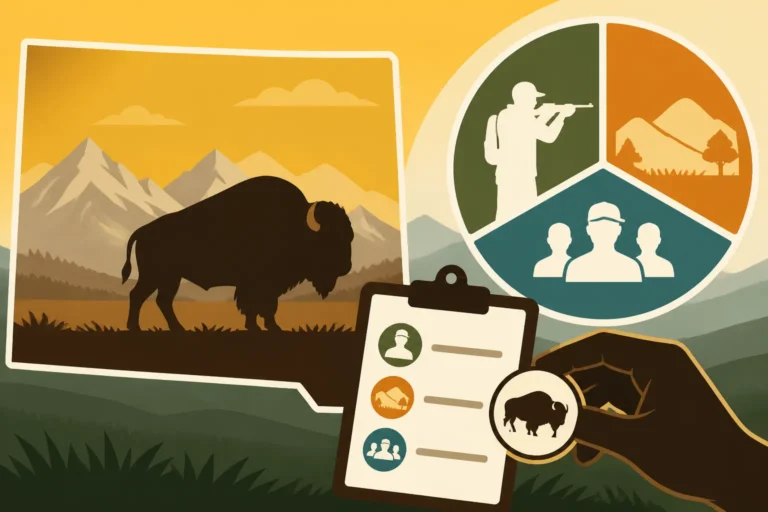
In Wyoming, the term "once-in-a-lifetime" isn't just a figure of speech; for certain species, it's a legal designation. This means that if you successfully draw and harvest one of these animals, you are generally prohibited from ever applying for or receiving another tag for that specific species in Wyoming again. The main species that fall into this strict "once-in-a-lifetime" category are Bighorn Sheep, Mountain Goat, and Bison. For a resident, these are typically one-and-done opportunities, ensuring that as many different hunters as possible get a chance at such a rare experience.
For nonresidents, while the "once-in-a-lifetime" legal restriction on holding another tag might not always apply in the same strict way after a successful harvest (depending on species specifics and future rule changes), the statistical reality of drawing a second tag is so infinitesimally small that it effectively is a once-in-a-lifetime opportunity. The rarity and difficulty of drawing even a single tag are what define this unique classification, making any harvest a truly monumental achievement. These are not hunts you can plan for every few years; they are the pinnacle of Western big game hunting.
The Precarious Status and Strict Management of These Herds
The reason these tags are so incredibly rare boils down to the delicate balance of conservation and population management. Take Wyoming's Bighorn Sheep, for instance. While they inhabit stunning, rugged mountain ranges like the Wind River and Whiskey Mountain, their populations are often small, isolated, and susceptible to disease and habitat loss. The Wyoming Game and Fish Department (WGFD) meticulously monitors these herds, setting extremely conservative quotas to ensure long-term health and stability. This means only a handful of tags might be issued statewide each year, some for rams, and even fewer for ewe hunts.
Mountain Goats in Wyoming are even more elusive, primarily found in the northwestern reaches of the state, particularly in the Absaroka and Beartooth ranges near the Greater Yellowstone Ecosystem. Their habitat is harsh and their numbers are incredibly low, leading to just a handful of tags being issued annually, sometimes only one or two statewide. Bison, on the other hand, are managed under specific agreements, often around Grand Teton National Park, to control herd size and minimize conflicts. Each species presents unique challenges, and the WGFD's strict management practices, including the limited tag numbers, are crucial for their continued survival and for providing any hunting opportunity at all.
Decoding the 90/10 Allocation Rule
Now that we understand just how rare and cherished these once-in-a-lifetime species are, let's dive into the core mechanism that dictates who gets to chase them: Wyoming's 90/10 allocation rule. This split is arguably the most impactful regulation for nonresidents eyeing these top-tier tags, and it’s critical to grasp its implications.
The Mechanics of the Resident-Favoring Split
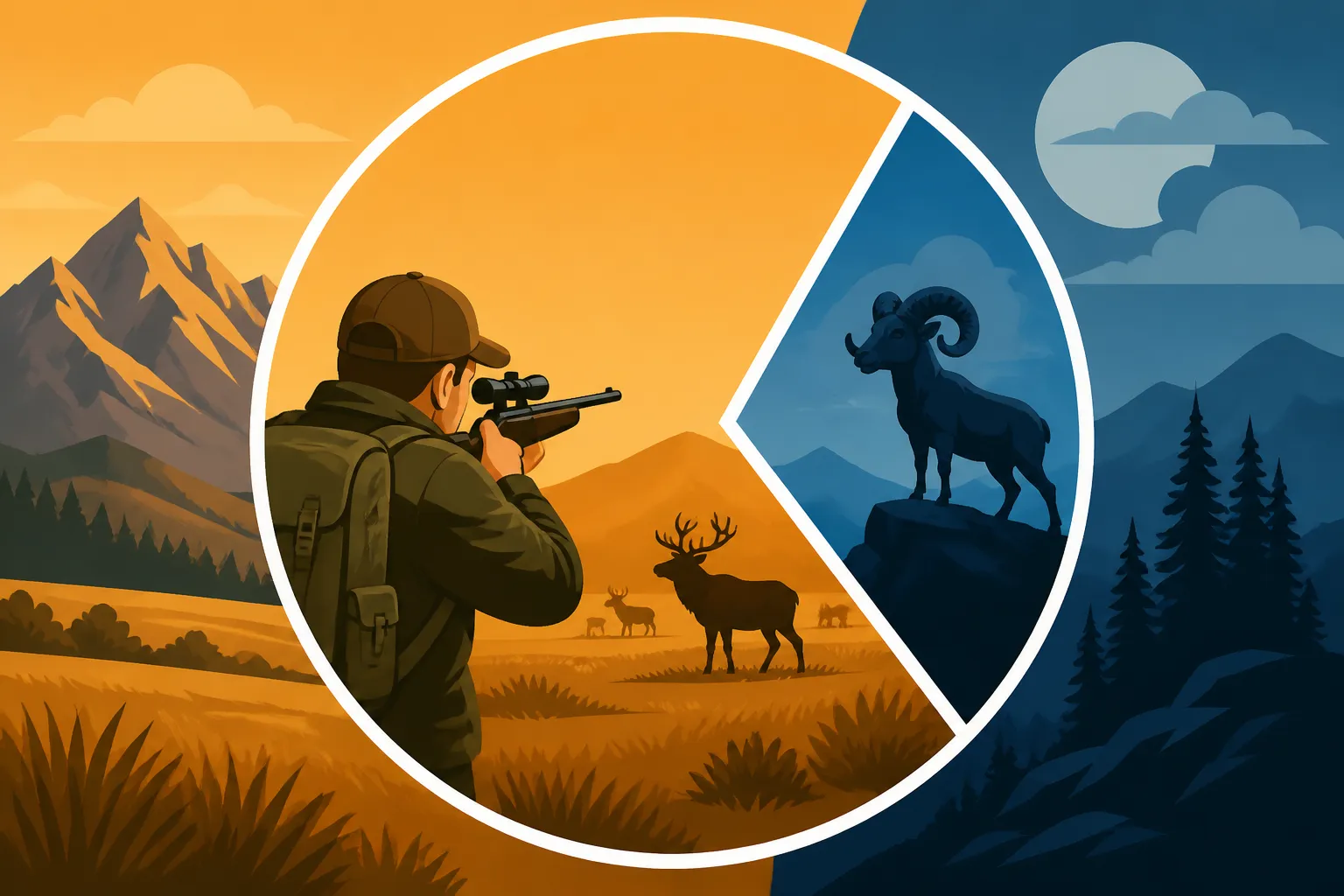
The 90/10 rule for once-in-a-lifetime species like Bighorn Sheep, Mountain Goat, and Bison is quite straightforward: 90% of all available tags for these species in any given hunt area are reserved exclusively for Wyoming residents. A mere 10% of those tags are then allocated to nonresident applicants. This means that if a hunt area has, say, 10 Bighorn Sheep tags, nine will go to residents, and only one will be available for thousands of nonresident applicants. If an area only has 5 tags, usually 4 or 5 go to residents, and it might be zero for nonresidents, or a single nonresident tag might be drawn in an aggregated statewide quota.
This rule creates a stark disparity in opportunity. While every applicant, resident or nonresident, faces incredibly steep odds, the pool of tags available to nonresidents is drastically smaller. When the WGFD allocates tags, they first fill the resident quota, then move to the nonresident quota. If the numbers don't divide cleanly (e.g., if there are only 7 tags, 90% is 6.3), the WGFD has specific rules for rounding or holding that "extra" tag, often favoring residents or deferring it to a general draw pool until the numbers hit a clean 10, 20, or 30 tags to allocate. This allocation is also why you'll see a specific breakdown in the draw odds, showing Wyoming Bighorn Sheep Random Odds Sit Under One Percent for nonresidents.
Why Wyoming Prioritizes Its Residents for Rare Tags
The decision to implement a 90/10 split isn't arbitrary; it stems from a combination of historical precedent, state policy, and the fundamental idea that wildlife is a public trust, managed by the state for its citizens. Wyoming, like many Western states, views its natural resources, including its exceptional big game animals, as a heritage to be primarily managed for its resident population. Residents contribute to the state's economy and conservation efforts through their taxes and general license purchases year-round, regardless of hunting participation.
Furthermore, many of these "once-in-a-lifetime" species inhabit areas that are culturally significant to local communities. Prioritizing residents ensures that a meaningful number of local hunters, who often have a deep, generational connection to these landscapes and animals, get a chance to participate in these hunts. It’s a way of honoring local investment and tradition, even if it creates a much tougher road for passionate nonresident hunters who dream of a Wyoming bighorn or goat. This same split applies to the often-elusive Shiras moose, leading to Wyoming Moose Wait Times Under the 90/10 Split, making it practically a once-in-a-lifetime tag for most.
The Nonresident's Uphill Battle: Understanding Your Draw Odds
For nonresidents, facing a 90/10 split on a once-in-a-lifetime species can feel like trying to win the lottery with fewer tickets. It's not just difficult; it's statistically challenging to an extreme degree. But understanding the true nature of these odds is crucial for setting realistic expectations and maintaining a healthy perspective on your application strategy.
The Reality of Random Draws for Nonresidents
Unlike Wyoming's draw system for other species like elk, deer, and antelope, which often incorporates preference points to improve your odds over time, the "once-in-a-lifetime" species for nonresidents are typically pure random draws. This means that if you're applying for a Bighorn Sheep or Mountain Goat tag as a nonresident, whether it's your first time applying or your twentieth, you theoretically have the exact same chance as every other nonresident applicant in that given year. There are no accumulated points to give you an edge, no "special" draw options to boost your percentages.
This can be both liberating and frustrating. On one hand, it means anyone, regardless of their application history, has an equal shot. On the other, it means you can diligently apply for decades and still come up empty-handed due to the sheer randomness and the minuscule number of tags available. For these truly rare tags, the draw is a game of pure chance, emphasizing that it truly is Mountain Goat Is Wyoming's Purest Lottery. This reality often prompts hunters to seek out detailed draw odds reports and application statistics. Platforms like GoHunt provide valuable insights into past draw data, allowing you to see how many applicants typically vie for these few nonresident tags and which hunt areas historically offer the slightest statistical edge, even in a random draw. This data can be crucial for Checking Draw Odds Before You Apply.
Crafting Your Application Strategy: Consistency Over Complexity
Given the pure random nature of these once-in-a-lifetime draws for nonresidents, the most effective strategy is actually the simplest: apply consistently, every single year. While it might sound disheartening, the only way to eventually draw one of these tags is to have your name in the hat when your number finally comes up. Think of it as purchasing a lottery ticket each year; you can't win if you don't play. This consistency requires staying on top of Wyoming's Four Application Deadlines, February Through June, particularly the one for sheep, goat, and bison.
It's equally important to manage your expectations. These tags are the ultimate bonus draw. Don't go into the application period assuming you'll draw, or let it overshadow your applications for more accessible species like elk, deer, or antelope, where strategic preference point accumulation can make a significant difference. Consider these once-in-a-lifetime applications as a hopeful aspiration, a long-term dream, rather than a primary hunting plan for any given season. By keeping this perspective, you can avoid burnout and continue to enjoy the process of applying for other, more achievable Wyoming hunts while still holding out hope for that one truly special tag.
Navigating the Application Process for These Coveted Tags
Applying for a Wyoming hunting license can sometimes feel like navigating a maze, and when you're dealing with once-in-a-lifetime species and the 90/10 split, understanding the specifics of the application timeline and associated costs becomes even more critical. Getting the details right is paramount to ensure your application even has a chance.
Essential Application Deadlines and Fees
For most of Wyoming's "once-in-a-lifetime" species – Bighorn Sheep, Mountain Goat, and Bison – the application deadline for both residents and nonresidents typically falls on April 30th. It's absolutely crucial to mark this date on your calendar and submit your application well in advance. Wyoming Game and Fish Department (WGFD) applications close precisely at midnight Mountain Time on the deadline day, and there's no grace period for late submissions. Don't risk missing out on your annual lottery ticket because of a last-minute scramble.
When it comes to fees, nonresidents will find that the price tag for these coveted licenses can be substantial, reflecting their rarity and the incredible experience they offer. A nonresident Bighorn Sheep license, for example, can be upwards of $2,000, while Mountain Goat and Bison licenses are also in that premium range. It's important to remember that these are the license fees that are charged if you are successful in the draw. In addition, there will be a non-refundable application fee for each species you apply for, typically around $15-$20. The full license fee is usually "reserved" on your credit card at the time of application but only charged if you draw, whereas the application fee is immediate. For a comprehensive look at what you might pay, refer to Wyoming Nonresident Tags Run $326 to $1,965.
What Happens After You Apply: Waiting for the Results
Once you've submitted your application and the April 30th deadline has passed, the waiting game truly begins. The WGFD processes thousands of applications, conducts the draw, and typically posts results in mid-May for Bighorn Sheep, Mountain Goat, and Bison. This period of anticipation can be nerve-wracking, as countless hunters eagerly check their online accounts or await email notifications. Many utilize tools from services like GoHunt to track when results are historically released and to quickly access their personal draw status pages.
If you are one of the incredibly fortunate few nonresidents to draw one of these rare tags, you'll receive notification, and your credit card will be charged for the full license amount. The excitement is palpable for successful applicants, often marking the culmination of years of hopeful applications. Conversely, if you are unsuccessful, your reserved funds will be released back to your account, and you'll typically receive an email indicating your draw status. It's a moment of mixed emotions for most, but remember, for once-in-a-lifetime species, an unsuccessful draw simply means you get to apply again next year, continuing your quest for that dream tag. You will then be able to proceed with Printing Your Wyoming License After the Draw if you are successful.
The Broader Picture: Once-in-a-Lifetime Versus Other Wyoming Big Game
Understanding the 90/10 split for once-in-a-lifetime species is best done in context, by comparing it to Wyoming's draw system for more commonly pursued animals like elk, deer, and antelope. This contrast highlights just how unique and challenging the rare species draw truly is for nonresidents.
Contrasting Draw Dynamics: Preference Points and the 75/25 Split
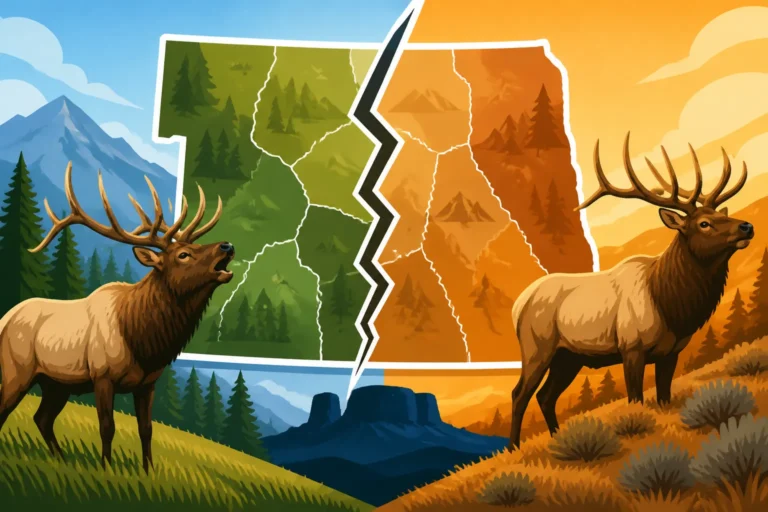
For Wyoming's more abundant big game species such as elk, mule deer, and pronghorn antelope, the draw system operates under a different set of rules, offering nonresidents a much more favorable (though still competitive) chance. Instead of a 90/10 split, these species typically utilize a 75/25 resident/nonresident allocation for the regular draw. Furthermore, and crucially, these draws incorporate a preference point system. This means that for every year you apply unsuccessfully for one of these tags, you can purchase or accrue a preference point, which then increases your statistical odds in subsequent draws.
Wyoming's preference point system is designed to reward loyalty and persistence, making the process feel less like a pure lottery and more like a long-term investment. The system often divides the draw into two pools: a large percentage (e.g., 75%) of tags go to the highest point holders, and a smaller percentage (e.g., 25%) are allocated through a random draw, regardless of points. This structure is famously known as How Wyoming Splits Every Draw 75 Percent Points and 25 Percent Random. This means even hunters with few or zero points still have a shot in the random portion, but accumulating points significantly improves your chances over time. This approach contrasts sharply with the once-in-a-lifetime species, where such strategic point accumulation is simply not an option for nonresidents.
Specifics for Sheep, Goat, and Bison Draws
When it comes to Bighorn Sheep, Mountain Goat, and Bison, nonresidents are squarely in the 90/10 allocation pool with no preference points to cushion the fall of an unsuccessful draw. This means that Who the Wyoming Random Draw Favors is truly just luck of the draw. The WGFD sets aside that tiny 10% of tags, and then it's a completely random lottery among all nonresident applicants. The absence of a preference point system here is a direct reflection of the extreme scarcity of these tags and the state's prioritization of residents for these incredibly limited opportunities.
This also means that the nonresident draw odds for these species are notoriously low, often in the single-digit percentages, and sometimes even below one percent, as seen with Wyoming Bighorn Sheep Random Odds Sit Under One Percent. While you can still apply and hope for a stroke of luck, it's vital to recognize that the strategy for these hunts is fundamentally different from building points for an elk hunt, which might require navigating the intricacies of Wyoming Nonresident Elk License Price and the "Special" draw options. For these once-in-a-lifetime tags, it truly is a lottery that you enter year after year, fueled by hope and the allure of an unparalleled hunting adventure. The 90/10 allocation is a defining characteristic of these hunts, and it's essential for any nonresident applicant to understand its profound impact on their chances.
Comparison of Wyoming Draw Systems (Nonresident Perspective)
| Species Category | Draw Allocation (Resident/Nonresident) | Preference Points for Nonresidents | Draw Type | Typical Odds (Nonresident) |
|---|---|---|---|---|
| Once-in-a-Lifetime | 90% Resident / 10% Nonresident | No | Pure Random Lottery | Extremely Low (<1-5%) |
| Bighorn Sheep, Mountain Goat, Bison | ||||
| High Demand | 75% Resident / 25% Nonresident | Yes | Point System + Random | Moderate to Low (5-30%+) |
| Elk, Deer, Antelope | ||||
| Moose (Similar Allocation) | 90% Resident / 10% Nonresident | No (Resident points exist, but NR is generally random) | Pure Random Lottery | Extremely Low (<1-5%) |
This table clearly illustrates the massive difference in opportunity and strategy between the once-in-a-lifetime species (plus Moose) and the more common big game animals in Wyoming for nonresident hunters.
Disclaimer
The information provided in this article is for general guidance and informational purposes only. While we strive to keep the information up-to-date and correct, hunting regulations, draw odds, and fees in Wyoming can change annually. It is imperative that all hunters consult the official Wyoming Game and Fish Department (WGFD) website and the current year's hunting regulations booklet before applying for any licenses or planning a hunt. Failure to do so may result in legal violations or missed opportunities.