Which Animals a Type 6 Elk License Covers
Oh, the labyrinthian world of Wyoming elk licenses! It's enough to make even a seasoned hunter's head spin, isn't it? You spend hours researching units, deciphering draw odds, and then you get to the license types, and it feels like you need a secret decoder ring. It's truly frustrating when you're just trying to figure out what you can actually hunt with the tag you drew or are hoping to draw. This guide is going to strip away all that confusion and make it crystal clear: we're diving deep into the Wyoming Type 6 elk license, so you know exactly which animals you're legally allowed to pursue in the field.
Navigating Wyoming's Complex Elk License Types
Let's be honest, trying to understand the different elk license types in Wyoming feels like learning a new language. You’ve got Type 1, Type 2, Type 6, Type 9… the numbers just keep coming! It's not like simply buying a "deer tag" and knowing you can hunt any buck or doe. Wyoming’s system is far more nuanced, and for good reason.
Why Different License Types Exist
The Wyoming Game and Fish Department doesn't create these different license types just to mess with us, I promise. They're a critical tool for managing elk herds across the state, ensuring healthy populations and mitigating conflicts with landowners. Imagine a scenario where a particular elk herd unit has a thriving population, maybe even exceeding its management objectives, and those elk are constantly raiding hayfields or causing damage to private property. In such a case, Game and Fish might issue more antlerless tags to help reduce the overall herd size. Conversely, in a unit where bull numbers are low or recruitment needs a boost, they might issue only bull tags or very limited antlerless tags.
This precise control helps balance the ecosystem, maintain genetic diversity, and address landowner concerns. It also plays a huge role in setting harvest quotas and influencing draw odds. What works for the sprawling, high-elevation herds of the Wyoming's Elk Herd Units and Winter Range is often vastly different from the management strategy needed for elk living closer to agricultural areas. Each tag type is a specific lever in this complex management system.
General vs. Limited Quota Licenses
Before we zero in on Type 6, it’s helpful to understand the two big categories of elk licenses in Wyoming: General and Limited Quota. A General Elk License, often referred to as a "statewide general" (though it’s not truly statewide, as some units are only limited quota), offers hunters more flexibility. If you draw a general tag, you can hunt in any open general unit across the state during its specified season dates. For non-residents, drawing a general elk tag can be quite challenging, often requiring several preference points. It's the classic "any elk" (or "any bull" depending on the type) pursuit that many dream of. You can learn more about this in our guide on Wyoming General Elk Licenses and Where They Work.
Limited Quota Licenses, on the other hand, are much more restrictive but often offer a more focused hunting opportunity. These tags are issued for specific hunt areas (units) and often for specific animal types (like antlered, antlerless, or specific seasons). Type 6 falls squarely into this "Limited Quota" category. The trade-off for these restrictions can sometimes be better draw odds for certain types of tags, especially antlerless ones, allowing more hunters to get into the field, even if they're not chasing a monster bull. It’s a completely different game from the general draw, with its own set of strategies and considerations for applicants.
Decoding the Wyoming Type 6 Elk License
Alright, let’s get down to the nitty-gritty of the Type 6 elk license. When you finally see that "Type 6" printed on your tag, what does it truly mean for your hunting season?
The Antlerless Reality of a Type 6 Tag
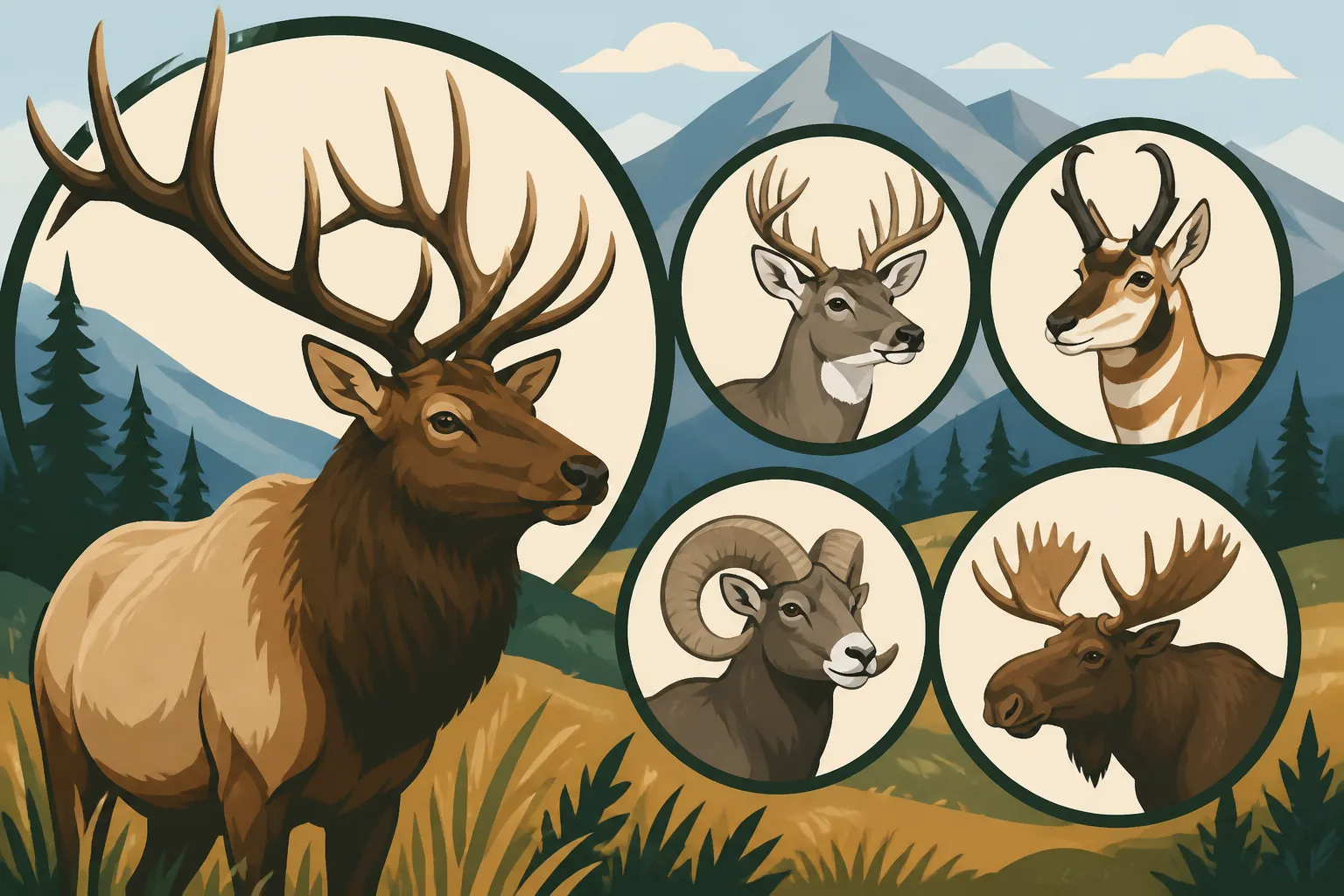
Here's the most crucial piece of information you need to engrave in your mind: A Wyoming Type 6 elk license is specifically for antlerless elk only.
What does "antlerless elk" mean in Wyoming? It means a cow elk or a calf elk. It absolutely does not mean a spike bull, a raghorn bull, or any bull with antlers, no matter how small or misshapen those antlers might be. If it has hardened antlers attached to its skull, it is a bull, and it is not legal to harvest with a Type 6 tag. This is a common point of confusion and a mistake that can lead to serious legal consequences. Game and Fish wardens take this very seriously, so make sure you are 100% confident in your identification before you ever pull the trigger.
The purpose of these antlerless-only tags is primarily herd management. In many units, the goal is to reduce the number of breeding females to control population growth, alleviate pressure on forage, or mitigate damage to private agricultural lands. By targeting cows and calves, the state can more directly influence population dynamics, helping to bring herds back in line with their established objectives. It’s less about trophy hunting and more about effective wildlife stewardship, offering a valuable opportunity for hunters to fill their freezers while contributing to conservation.
Season Dates and Hunt Area Specifics
Unlike general licenses that apply across many units, a Type 6 elk license is always unit-specific. That means the tag you draw will explicitly state the hunt area (e.g., "Elk Area 10," "Elk Area 30") where it is valid. You cannot use a Type 6 tag for Elk Area 10 to hunt elk in Elk Area 30, even if they are neighboring units. It's critical to know your unit boundaries inside and out before heading afield. Tools like GoHunt can be invaluable here, helping you pinpoint exact boundaries and cross-reference them with your tag.
Furthermore, the season dates for Type 6 tags are also highly specific to that particular hunt area. They often differ significantly from the general or bull-only seasons in the same or adjacent units. For instance, a Type 6 season might open much earlier in August to target elk before they migrate, or it might extend well into November or even December, long after the general rifle seasons have closed. These extended seasons are often designed to increase hunter opportunity and pressure on specific groups of elk, particularly those that might be causing agricultural conflicts or congregating on lower-elevation winter ranges.
Always, and I mean always, double-check the current year's Wyoming Game and Fish Department regulations for your specific hunt area. Wyoming Elk Season Dates Are Set Hunt Area by Hunt Area and these dates can change annually based on herd management objectives, winter severity, and other factors. Relying on last year's regulations or hearsay is a recipe for trouble.
Maximizing Your Type 6 Elk Hunting Experience
So, you've got your Type 6 antlerless elk tag in hand – congratulations! Now, how do you make the most of this opportunity and bring home some delicious elk meat? While you're not chasing a massive bull, hunting cow elk is incredibly rewarding and often presents its own unique challenges and thrills.
Finding Success with an Antlerless Tag
Hunting antlerless elk often means shifting your focus from the big, noisy herds during the rut to smaller, more discreet groups or even lone cows, especially outside of the peak breeding season. Here are some strategies that tend to be successful:
- Focus on Food and Water: Cows and calves, especially outside the rut, are primarily concerned with feeding and staying safe. Identify prime feeding areas – open parks, clear-cuts, north-facing slopes with good forage, or even agricultural fields adjacent to public land (if legal and you have access). Water sources, especially in dry conditions, are also magnets for elk.
- Glassing, Glassing, Glassing: Wyoming is a state of vast open landscapes. Your optics are your best friend. Spend significant time Glassing Wyoming Basins Before You Take a Step at dawn and dusk, scrutinizing every patch of timber and every draw for moving elk. Cows and calves can be incredibly elusive, blending seamlessly into the environment. A good pair of binoculars and a spotting scope are essential.
- Winter Range and Migratory Routes: If your Type 6 season extends into the late fall or early winter, focus on known winter range areas or migration corridors. As snow begins to accumulate at higher elevations, elk will move down to more accessible forage. These can be incredible opportunities, but also come with the challenges of colder weather and potentially deeper snow.
- Accessing Private Land: Many Type 6 tags are issued for units with a mix of public and private land, particularly where elk might be impacting ranchers. This often means there are good numbers of elk on private ground. Don't be afraid to knock on doors or call landowners well in advance of the season to ask for permission to hunt. You might be surprised by the generosity of some ranchers who are eager to have elk numbers reduced.
- Careful Identification: Even though you're looking for antlerless elk, always be absolutely sure of your target. In a mixed herd, a spike bull can sometimes be mistaken for a cow or a large calf, especially in low light or at long distances. Take your time, use your optics, and verify that there are no antlers before you shoot. When in doubt, don't shoot.
Common Hunt Areas for Type 6 Tags
Type 6 tags are most commonly found in units where the Game and Fish Department wants to reduce overall elk numbers, particularly cow populations. This often translates to units that:
- Have high elk densities: Units with a strong elk population that is at or above management objectives are prime candidates for Type 6 tags. These can be found across many regions of Wyoming, from the mountains surrounding the Bighorn Basin to the forested areas of southeastern Wyoming. Our guide to Wyoming's Top Producing Elk Units often highlights areas with consistent elk numbers, which may include Type 6 opportunities.
- Experience agricultural damage: When elk populations grow too large, they can spill out of their traditional habitats and into irrigated fields, hay meadows, or ranchland, causing significant damage. Type 6 tags in these areas help alleviate these conflicts. Many units in eastern Wyoming, bordering farmland, or those with significant private land parcels are often good bets for these tags.
- Contain feedgrounds: In areas where elk are managed on supplemental winter feedgrounds (primarily in western Wyoming), Type 6 tags can be used to manage the populations that utilize these areas, especially in conjunction with disease management efforts. You can learn more about this in our discussion on How Many Elk Feedgrounds Wyoming Still Runs.
While I can't give you specific unit numbers for this year, as they change with regulations, looking at previous years' draw statistics on the Wyoming Game and Fish website or through a service like GoHunt can give you a strong indication of which units consistently offer Type 6 tags and what the draw odds typically look like. It’s worth the research time on platforms like GoHunt to understand the historical data for these specific tags.
Comparing Type 6 with Other Antlerless Options
It's helpful to know that Type 6 isn't the only antlerless elk tag available in Wyoming. There are other license types that also target cows and calves, each with its own nuances regarding unit validity, season dates, and sometimes even price. For example, you might see Type 8 or Type 9 licenses, which could also be antlerless, but they might have different season structures, perhaps only open for a very short period or restricted to specific dates within a broader season. The specific details vary significantly by hunt area.
The main takeaway is that Type 6 is a reliable indicator of an antlerless-only opportunity. These tags often have better draw odds for non-residents than bull tags, making them an excellent way to gain experience hunting in Wyoming, get into the elk woods, and bring home meat. It's often a more accessible entry point into Wyoming elk hunting for those with fewer preference points.
Consider the cost, too. While still a significant investment, What a Wyoming Cow Elk Tag Costs is generally less than a bull tag, and sometimes there are even Wyoming's Reduced-Price Antlerless Options available, particularly for late-season hunts or specific herd management units. Before applying, always check Where Cow Elk Tags Are Still Available in the leftover draw or during the initial application period. Understanding the full spectrum of antlerless options and how to read the codes on your license (we have a great resource on Reading Wyoming's Type 1 Through Type 9 License Numbers) will make you a much more informed applicant and a more successful hunter. It's all about matching the tag to your hunting goals and the available opportunities.
Planning Your Type 6 Elk Hunt
Alright, you've got the scoop on the Type 6 tag. Now, how do you turn that knowledge into a successful hunt? It requires solid preparation, just like any other big game pursuit.
Pre-Season Scouting for Antlerless Elk
Even with an antlerless tag, scouting is absolutely paramount. Don't just show up hoping to bump into elk.
- E-Scouting is Key: Before you even leave home, use online mapping tools (like those available through GoHunt, for example) to extensively e-scout your chosen unit. Look for areas with a good mix of cover (timbered draws, north-facing slopes), feeding areas (open parks, sagebrush flats), and water sources. Pay close attention to public/private land boundaries – elk often utilize private agricultural lands and then retreat to public timber during hunting pressure. Our guide on Scouting a Wyoming Unit From Your Kitchen Table can give you a fantastic head start.
- Identify Access Points: Map out potential access routes. Are there forest service roads? Walk-in areas? Private land with permission? Always know how you're going to get to your hunting grounds.
- Locate Potential Holding Areas: Antlerless elk often congregate in different areas than bulls, especially during the rut. In some units, they might be found on lower, flatter ground, while in others they might be tucked into steep, dense timber. Look for topographical features like saddles, benches, and thick draws that would offer security. It's also smart to consult Elk Unit Maps That Show Private Land Overlays to understand where elk might retreat to avoid pressure.
Essential Gear for an Antlerless Elk Hunt
Your gear list for an antlerless elk hunt won't be drastically different from a bull hunt, but some items might take on greater importance.
- Quality Optics: I can't stress this enough. Good binoculars (10×42 or 10×50 are great all-around choices) and a spotting scope are critical for locating elk, identifying them as antlerless, and picking apart distant country.
- Layered Clothing: Wyoming weather is notoriously unpredictable. Be prepared for anything from warm, sunny days to snowstorms, sometimes all in the same hunt. Layers are your best friend.
- Comfortable Boots: You'll be covering a lot of ground, potentially in rugged terrain. Invest in comfortable, broken-in hunting boots that offer good support.
- Game Bags and Cooler: When you do harvest an elk, you'll want to get that meat cooled and protected quickly. Have sturdy game bags, rope for hanging, and a large cooler ready to go. Consider the logistics of packing out a whole elk, even a cow, which is still a substantial animal.
- Navigation Tools: A reliable GPS device or a smartphone app with downloaded maps is non-negotiable. Knowing your location, unit boundaries, and public/private land designations is essential for staying legal and safe.
The Rewards of an Antlerless Tag
While the allure of a big bull is undeniable, don't underestimate the immense satisfaction of a successful antlerless elk hunt.
- Exceptional Meat: Cow elk meat is often considered some of the finest wild game table fare. It's lean, flavorful, and incredibly versatile. A successful Type 6 hunt will fill your freezer with prime organic protein.
- Valuable Experience: Hunting elk is challenging, regardless of whether you're after a bull or a cow. A Type 6 tag provides invaluable experience in locating elk, stalking, shot placement, and game recovery. This experience will make you a better hunter overall and can lay the groundwork for future bull hunts.
- Contribution to Conservation: By participating in a Type 6 hunt, you're directly contributing to Wyoming's wildlife management efforts. You're helping to keep elk populations healthy and balanced, which benefits the entire ecosystem and future hunting opportunities. It’s a rewarding feeling to know your efforts are part of a larger conservation picture.
Disclaimer
Hunting is an inherently dangerous activity. Always prioritize safety, follow all applicable laws and regulations, and respect wildlife. This guide is for informational purposes only and should not be considered legal advice. Always consult the official Wyoming Game and Fish Department regulations for the most current and accurate information before planning any hunt.