The Wyoming Duck Season Framework Explained
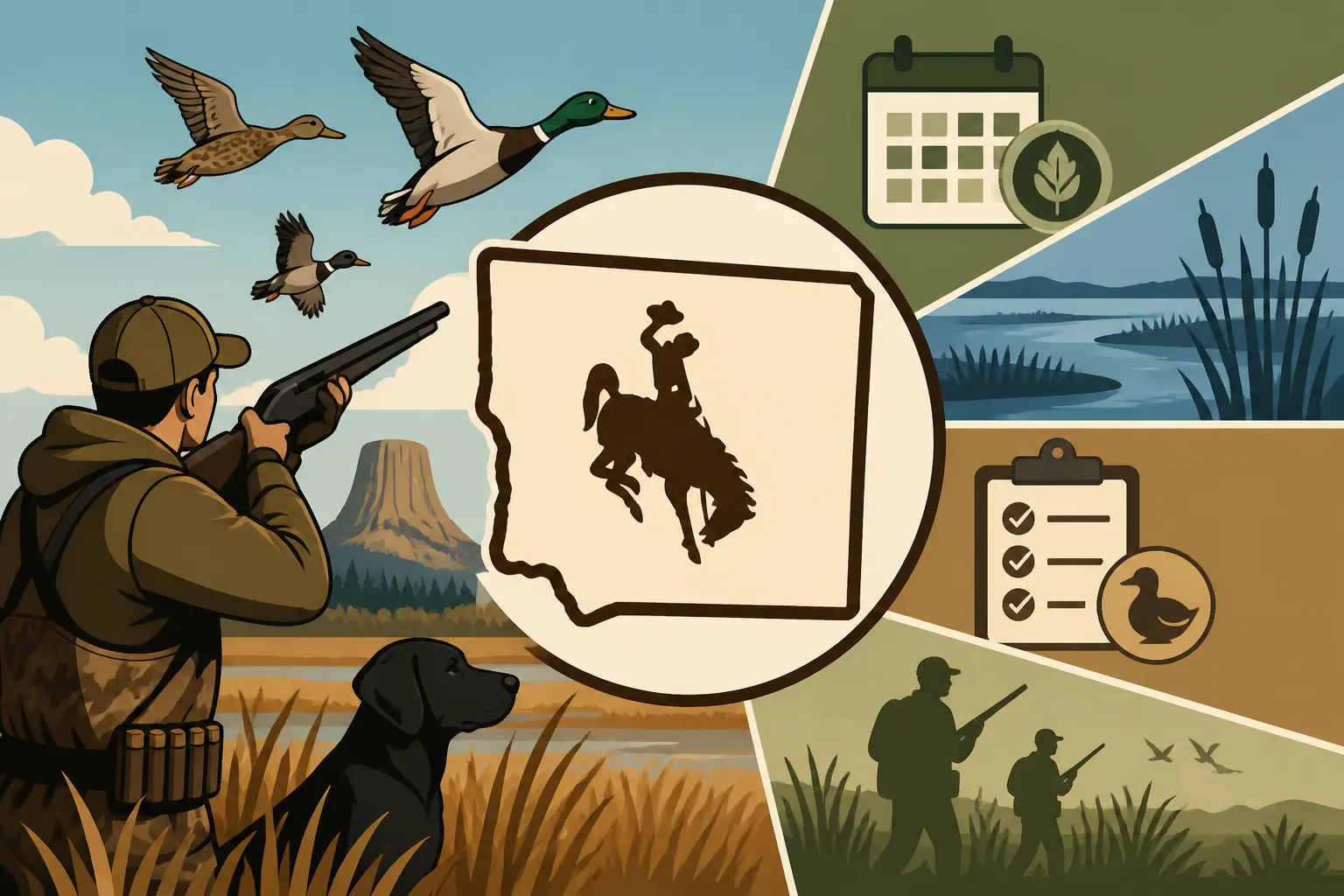
For many waterfowlers, the thought of chasing ducks in Wyoming conjures images of vast, open spaces, crisp autumn mornings, and the challenging flight patterns of high-flying birds. But before you can even dream of setting decoys, you’ve got to navigate the often-confusing labyrinth of season dates, species limits, and zone distinctions. It’s enough to make your head spin and leave you wondering if you're even allowed to hunt where you plan to. This guide is designed to cut through that confusion, giving you a clear, comprehensive breakdown of Wyoming's duck season framework so you can hunt confidently and legally.
Decoding Wyoming's Duck Hunting Zones and Species
Wyoming is a state of incredible diversity, and that extends to its waterfowl hunting opportunities. Unlike some states that fall entirely within one migratory bird flyway, Wyoming actually straddles two: the Pacific Flyway and the Central Flyway. This geographical distinction is absolutely critical because it dictates different season dates, bag limits, and even species-specific regulations. Understanding which flyway zone your desired hunting area falls into is the first, most important step in planning your hunt.
The Continental Divide generally serves as the separation line between these two flyways within Wyoming. Areas west of the Divide, like the Star Valley and Jackson Hole regions, typically fall under Pacific Flyway regulations. East of the Divide, including much of the plains and river systems, you'll find Central Flyway rules apply. These federal frameworks are then tailored by the Wyoming Game and Fish Department to manage local populations and hunter opportunities. This can make pre-season planning a bit of a jigsaw puzzle, especially if you're looking at different units across the state. Using detailed maps, perhaps even those found on platforms like GoHunt, can help clarify these boundaries, but always verify with the official Game and Fish regulations.
When it comes to the feathered quarry, Wyoming offers a fantastic variety for duck hunters. You’ll frequently encounter mallards, both dabblers and divers, which are often the bread and butter of many hunts. Pintails, gadwalls, wigeon, and various teal species (green-winged, blue-winged, and cinnamon, depending on the season) are also common. Depending on the specific habitat and time of year, you might also find shovelers, canvasbacks, redheads, and scaup. Each of these species, or groups of species, will have specific daily bag limits and possession limits that you absolutely must adhere to. For instance, the number of mallards you can take often has a drake-hen split, and pintails typically have a very restrictive limit. It's not just about filling your strap; it's about knowing what you're allowed to fill it with. For a broader look at available species, you might find our guide on Waterfowl and Small Game Across Wyoming helpful.
Key Dates and Season Structures for Wyoming Ducks
The duck season framework in Wyoming isn't a simple "open and close" affair. It's often broken down into various segments, designed to maximize hunting opportunities while protecting breeding populations and managing migratory patterns. You’ll usually see an "early teal" season, followed by a regular duck season, which itself might have a mid-season closure or be split into early and late segments. These splits are determined by federal guidelines and then finalized by the state, taking into account local conditions and population data.
For the Pacific Flyway portion of Wyoming, duck seasons typically run from late September or early October, often with a mid-season break in late October or early November, and then reopening for a late season that can extend into January. This staggered approach allows hunters to target different migratory waves. For example, early season might be great for local birds and early migrants, while the later season focuses on birds pushed down from further north by colder weather.
In the Central Flyway, the season structure can be quite similar, though the exact dates will differ. You might also see an early teal season kicking off in September, followed by the general duck season. Historically, Central Flyway seasons tend to be a bit longer in total days, reflecting the different migratory patterns and habitat availability. It's critical to remember that these dates can shift slightly year to year based on federal mandates and state wildlife management objectives, so always double-check the current year's regulations before heading out.
Beyond the general duck seasons, it’s worth noting that youth waterfowl hunts are often scheduled, usually before the regular season opens. These are fantastic opportunities for younger hunters to gain experience in a less pressured environment. Canada geese also fall under a separate but often overlapping framework, with seasons that sometimes begin even earlier in September. If you’re interested in combining your duck hunt with a goose hunt, be sure to check the specific regulations for How Long Goose Season Runs in Wyoming, as the bag limits and season dates for geese will be distinct from ducks, even in the same area. A quick check on the Wyoming Game and Fish Department website or a reliable hunting resource like GoHunt will give you the most up-to-date information on these season dates, allowing you to plan your trips effectively.
Licensing, Stamps, and Hunter Registration
Heading afield for ducks in Wyoming isn't just about having the right shotgun and waders; it's about having the correct paperwork too. There's a specific set of licenses and stamps you'll need to legally pursue waterfowl, and missing even one can result in a hefty fine or worse. This applies to both residents and non-residents, though the costs will certainly differ.
First and foremost, every hunter needs a valid Wyoming Game and Fish hunting license. For duck hunting, this is typically a "small game" license, but always confirm the specific type required. Beyond that, all hunters must purchase a Wyoming Conservation Stamp. This stamp contributes vital funds directly to wildlife conservation efforts across the state and is a mandatory addition to almost any hunting or fishing license. You can learn more about its requirements in our article, The Wyoming Conservation Stamp and Who Needs One.
Next up, and perhaps the most iconic piece of waterfowl documentation, is the Federal Migratory Bird Hunting and Conservation Stamp, more commonly known as the Federal Duck Stamp. If you are 16 years of age or older, this stamp is an absolute must. It must be signed across the face and carried with you while hunting. Not only is it a legal requirement, but 98% of the funds generated from its sale go directly to conserving wetlands and purchasing waterfowl habitat, so it's truly an investment in the future of your passion. You can purchase these at most post offices, sporting goods stores, or through the Wyoming Game and Fish Department.
Finally, you must register with the Harvest Information Program (HIP). This is a federal program that collects harvest data from migratory bird hunters. It's free and usually completed when you purchase your hunting license. HIP registration identifies you as a migratory bird hunter and ensures you receive a brief survey that helps wildlife managers track harvest trends. Without a current HIP registration, your duck stamp and hunting license aren't enough. For non-residents, the overall cost of licenses, especially for various big game, can range significantly, as detailed in Wyoming Nonresident Tags Run $326 to $1,965, but for small game and waterfowl, the structure remains consistent, though the base license price will be higher than for residents. Always ensure you have all these components in your possession before heading out.
Navigating Specific Waterfowl Regulations and Ethical Practices
Once you've got your licenses and stamps squared away and you understand the season dates for your specific flyway zone, it's time to delve into the finer points of waterfowl regulations and best practices that keep you legal and ethical in the field. These aren't just obscure rules; they're in place to ensure fair chase, promote conservation, and maintain a positive image for hunters.
Legal shooting hours are one of the most fundamental rules. For waterfowl, this typically means hunting from one-half hour before sunrise to sunset. These times are strictly enforced, and you'll need a reliable watch or a hunting app to ensure you're always within the legal window. Sunrise and sunset times vary depending on the time of year and your exact location within Wyoming, so don't just guess. For more general details on shooting hours, refer to our article on Wyoming Legal Shooting Hours for Big Game, which outlines how these times are typically applied across different species.
Baiting is an absolute no-go for migratory birds, including ducks and geese. You cannot hunt over any area where bait (such as corn, wheat, or other grains) has been placed to attract birds. This rule is designed to prevent unfair advantage and ensure ethical hunting practices. Similarly, electronic calls are prohibited for migratory bird hunting. While they might be legal for some predator species, as discussed in Electronic Calls for Predators and Varmint Hunting, they are strictly forbidden for ducks and geese. You can use traditional calls, of course, but anything battery-powered that emits a bird sound is off-limits. Decoys, however, are perfectly legal and a staple of duck hunting, provided they are not motorized.
Another crucial aspect is the ethical retrieval of birds. You must make a reasonable effort to retrieve all downed birds. Wounding loss is a serious issue in waterfowl hunting, and responsible hunters do everything in their power to recover every bird they shoot. This often means having a well-trained dog, using a boat, or being prepared to wade into difficult terrain. Hunting from a vehicle is also largely prohibited, with very specific exceptions, usually for those with disabilities. Generally, you need to be out of your vehicle to shoot. The nuances of this are often explained in detail under general hunting rules, such as those found in The Rules on Hunting From a Vehicle.
Finally, it's paramount to always consult the current year's Wyoming Game and Fish Department regulations. While this guide provides a solid framework, specific dates, bag limits, and localized rules can change. Many hunters utilize resources like GoHunt for initial research, which often aggregates official information, but nothing replaces reading the official G&F pamphlet cover to cover. It’s your responsibility as a hunter to know and follow all regulations, ensuring a safe, successful, and ethical hunt for everyone.
| Document Type | Purpose | Availability | Cost (approx. 2024) | Notes |
|---|---|---|---|---|
| Wyoming Hunting License (Small Game) | Basic license to hunt small game, including ducks. | WGFD Website, License Agents | Resident: ~$35, Non-Resident: ~$70 | Required for all hunters. |
| Wyoming Conservation Stamp | Funds conservation efforts. | WGFD Website, License Agents | $12.50 | Required for all hunters. |
| Federal Duck Stamp | Funds wetland conservation; required for waterfowl hunters 16+. | Post Office, Sporting Goods, WGFD | $25 | Must be signed and carried. |
| HIP Registration | Harvest Information Program data collection. | WGFD Website (part of license purchase) | Free | Required for all migratory bird hunters. |
Disclaimer
Please be aware that hunting regulations are subject to change. While this guide provides a comprehensive overview based on current information, it is essential to consult the official Wyoming Game and Fish Department regulations each year before you hunt. This article is for informational purposes only and should not be considered legal advice.