Wyoming’s Statewide September Archery Deer Season
Many hunters, especially those new to Wyoming or coming from states with more complex season structures, often find themselves scratching their heads when it comes to archery deer dates. It can feel like a maze of unit-specific rules, weapon types, and overlapping seasons. This comprehensive guide is here to untangle the specifics of Wyoming's statewide September archery deer season, offering clarity on its regulations, strategic considerations, and how to make the most of this prime hunting opportunity.
Understanding Wyoming's Archery Deer Season Framework
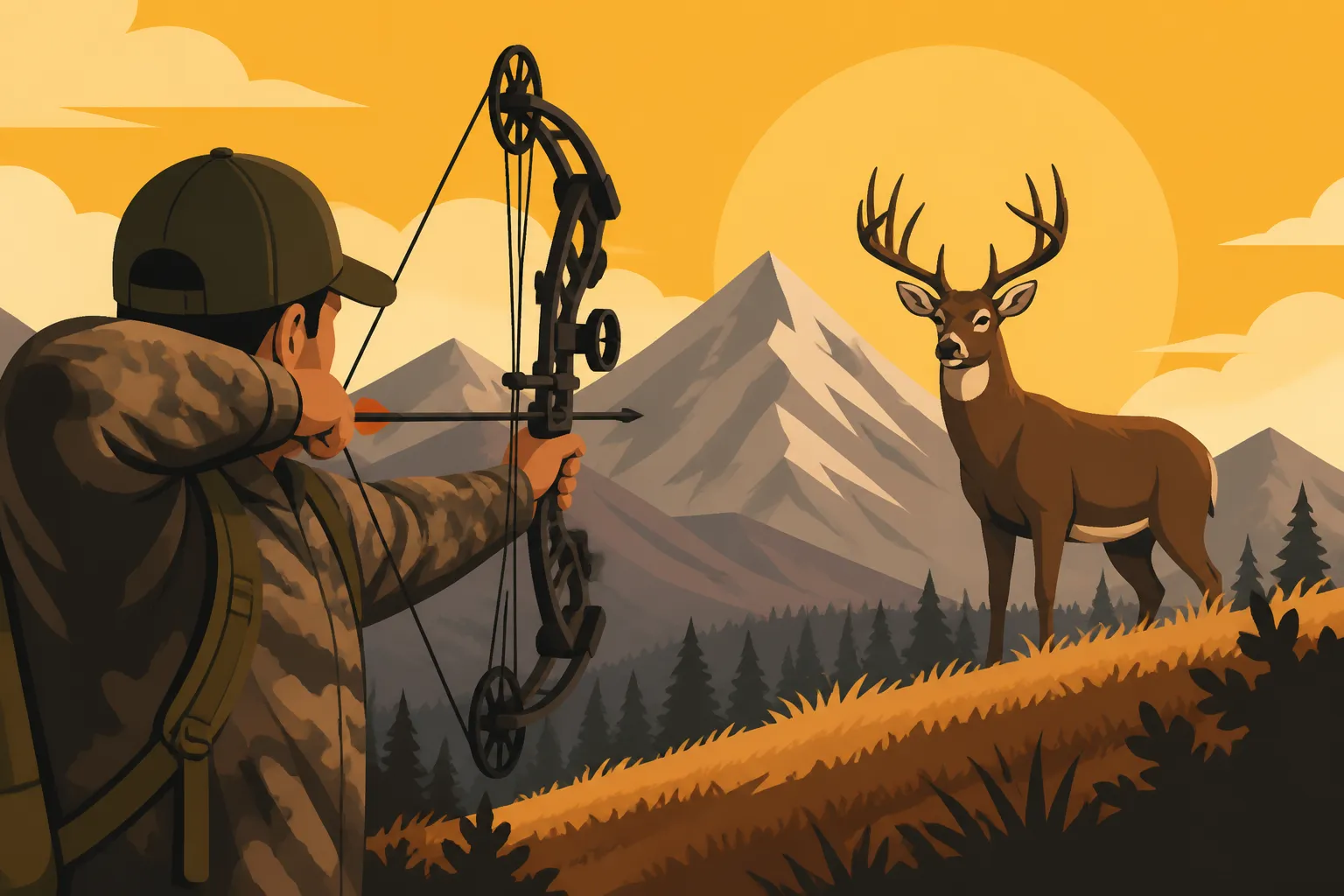
Wyoming offers a distinct archery season for deer that precedes the general firearm seasons. This early opportunity allows bowhunters to pursue deer in a less pressured environment, often when deer are still in summer patterns and bucks may still be in velvet or just hardening their antlers. However, it’s crucial to understand the specific framework that governs this season.
The Statewide September Archery Opener
For most deer hunt areas across Wyoming, the archery season kicks off on September 1st. This is a significant date because it represents a uniform start date, simplifying planning for many hunters. While some specific areas or licenses might have slight variations, the general rule of thumb is that if you have a deer license, you can begin archery hunting for that species on September 1st. This statewide opener is a unique aspect, creating consistent expectations across vast and varied landscapes. It means whether you're chasing mule deer in the rugged mountains or whitetails along river bottoms, the archery action often begins on the same calendar day. The opportunity to hunt during this early window is highly coveted, as it provides a chance to intercept deer before they've become heavily pressured by rifle hunters.
Bowhunting Versus Rifle Season Dates
The archery season typically runs through September 30th for most deer hunt areas, though some specific areas might have an earlier close if their rifle season starts sooner, or a later close if they have a combined archery/rifle season. This dedicated archery period gives bowhunters a full month to pursue their quarry. Once the rifle seasons open, which usually happens in October, both archery and firearm hunters can be in the field concurrently, provided they have the appropriate license for the given weapon. It's important to remember that during a concurrent season, all hunters, regardless of weapon, must adhere to the blaze orange requirements if hunting in areas where firearms are permitted. For many, the pure archery season in September offers a quieter, more traditional hunting experience, free from the booming of rifles, allowing for a deeper immersion in the natural environment. You’ll want to consult the specific hunt area regulations to confirm exact dates, as these can vary. Understanding the nuances of Wyoming's Statewide September Archery Deer Season is paramount for successful planning.
General Versus Limited Quota Deer Licenses
Wyoming issues two primary types of deer licenses: general and limited quota. General deer licenses, often available over the counter or through a less competitive draw, typically allow hunting across multiple general units within a region. These are fantastic options for hunters looking for accessibility and flexibility. The archery season generally applies to these general licenses in the same way it does to limited quota tags. Limited quota deer licenses, on the other hand, are unit-specific and highly competitive, often requiring several preference points to draw. These licenses are tied to specific hunt areas, designed to manage herd numbers and trophy potential in those regions. Regardless of whether you hold a general or limited quota deer license, the statewide September archery season is typically available to you, allowing you to use your bow within the parameters of your specific tag. While a general license might allow you to pursue deer in a broader area, a limited quota tag restricts you to a specific hunt unit but often promises a higher quality hunting experience due to stricter management. Always ensure your license type matches the area and season you intend to hunt. Check out Wyoming General Deer Licenses Over the Counter for more details on this option.
What "Statewide September" Actually Means for Deer Hunters
The term "statewide September archery deer season" doesn't mean you can just hunt anywhere. It refers to the universal opening date and duration of archery deer hunting across most of the state, but it still operates within specific regulations concerning species, weapon types, and designated hunt areas.
Species Covered: Mule Deer and Whitetail
When we talk about deer in Wyoming, we're primarily referring to two species: mule deer and whitetail deer. The statewide September archery season covers both of these species. This is fantastic news for hunters who might be targeting either, or even those pursuing a combination hunt if their tags allow. Whether you're dreaming of a heavy-antlered mule deer buck in the high country or a cagey whitetail along an eastern river bottom, your archery opportunity kicks off on September 1st. The tactics for hunting these two species can vary greatly—mule deer often prefer open, rugged terrain where glassing is key, while whitetails are masters of cover and often found in agricultural areas or dense riparian zones. Knowing the habits and habitats of each species you intend to pursue is crucial for maximizing your chances during this early season. Many hunters dedicate their September efforts to targeting mature bucks before the full chaos of the rut and rifle seasons begin.
Weapon Specifics: Vertical Bows Only
This is a critical distinction that sometimes confuses new hunters. The "archery" season, specifically during this September period, is almost exclusively for vertical bows—compound bows, recurves, and longbows. Crossbows, while considered archery equipment in some contexts and legal for big game hunting in Wyoming for hunters with disabilities or during the general firearm season, are generally not permitted during the dedicated September archery-only season unless a specific disability permit is obtained. This means you need to be proficient with a traditional or compound bow. Moreover, your bow and arrows must meet specific minimum requirements set by the Wyoming Game and Fish Department. For instance, Wyoming's 40-Pound Minimum for Deer, Antelope and Sheep is a vital regulation to be aware of, ensuring your equipment has sufficient kinetic energy to humanely harvest an animal. Similarly, broadhead regulations are strict, demanding a minimum cutting width and specific design characteristics. Always check the current year's regulations booklet for the most up-to-date information on equipment standards, including draw weight, arrow length, and broadhead type.
Geographic Scope: Where You Can Bowhunt
While the September archery season is "statewide" in its general application, it doesn't mean every square inch of Wyoming is open to deer hunting. You still must possess a valid deer license for the specific hunt area you are in. Wyoming is divided into numerous hunt areas, each with its own designated boundaries, season dates, and license types. Even within the statewide archery framework, certain areas might have unique restrictions or closures. For example, some private lands may not allow hunting, or specific public lands might have seasonal closures for wildlife protection or other reasons. Tools like the GoHunt platform can be incredibly useful here, providing detailed unit maps, public land overlays, and draw odds information that can help you understand the precise geographic scope of your license. Always double-check your chosen hunt area's specific regulations to confirm it is open for archery deer hunting during September. It’s also wise to research public land access points and any rules pertaining to those specific areas.
Key Regulations and Requirements for Archery Deer Hunting
Beyond understanding the season dates and species, successful and legal archery deer hunting in Wyoming requires adherence to specific equipment, safety, and licensing regulations. Ignoring any of these can lead to fines, loss of privileges, or worse.
Archery Equipment Standards
Wyoming Game and Fish has clear guidelines for archery equipment used for big game, ensuring humane and ethical harvesting. Your vertical bow must have a minimum draw weight of 40 pounds for deer, antelope, and sheep, and 50 pounds for elk and moose. This isn't just a suggestion; it's law, and wardens can and do check. The arrow itself must be at least 24 inches long. When it comes to broadheads, they must be fixed-blade or expandable (mechanical) designs that meet a minimum cutting width. Specifically, The Minimum Cutting Width a Broadhead Must Make is generally 7/8 of an inch, measured in the cutting diameter when deployed. This means if you're using mechanicals, they must deploy to at least that width. It's not enough for the blade to just touch the 7/8-inch mark; the cutting surface must extend beyond it. Make sure your broadheads pass the "7/8-inch ring test" to be fully compliant. Beyond the basics, things like lighted nocks are generally permitted, which can be a huge help in tracking arrow flight and recovery in low light. Conversely, electronic devices that attach to the bowstring or arrow to aid in aiming are generally prohibited, maintaining the traditional challenge of archery hunting.
Hunter Orange Rules for Bowhunters
This is one area where the rules for archery-only seasons often differ from general firearm seasons. During the dedicated September archery season, when only vertical bows are permitted, blaze orange or other fluorescent colors are typically not required in Wyoming. This allows bowhunters to utilize camouflage effectively, which is often crucial for closing the distance on wary deer. However, this regulation changes dramatically once any firearm season opens in that specific hunt area. When firearm seasons begin, whether for deer or other species, all hunters in the field, regardless of their chosen weapon, must wear at least one piece of visible fluorescent orange, which can be a vest, coat, hat, or other outerwear. This is a critical safety measure to distinguish hunters from game. It's imperative to know the specific opening dates of rifle seasons in your chosen hunt area. If your archery hunt extends into a concurrent season, be prepared to don that blaze orange. Never assume the September rule applies throughout your entire hunt; always consult the specific hunt area regulations.
Hunter Education and Licensing
Before you even step foot in the field, you need to ensure you're properly licensed and educated. Anyone born after January 1, 1965, is required to possess proof of hunter education certification to hunt in Wyoming. This rule applies to both residents and nonresidents alike. If you've completed a hunter education course in another state, Wyoming generally recognizes it, but you must carry your certification card. The process for obtaining a deer license involves applying through the Wyoming Game and Fish Department's Electronic Licensing System (ELS). For nonresidents, drawing a quality deer tag can be competitive, and researching draw odds and accumulating preference points through platforms like GoHunt is often a necessary step. The cost of nonresident licenses, such as Wyoming Nonresident Deer and Antelope Prices, can be substantial, so planning your application strategy carefully is crucial. Remember, having a license means you have a privilege, not an entitlement, and adhering to all game laws, including tagging requirements and ethical harvesting practices, is paramount. Always carry your license, conservation stamp, and proof of hunter education while hunting.
Strategic Considerations for September Archery Deer
September offers a unique set of challenges and opportunities for deer bowhunters in Wyoming. Understanding deer behavior during this period, adapting to varied terrain, and preparing for environmental factors are key to success.
Pre-Rut Movement and Patterns
September falls squarely in the pre-rut period for both mule deer and whitetails. While the intense breeding activity of the rut is still weeks away, bucks are actively feeding, building up reserves for the upcoming breeding season, and their antlers are fully hardened. During early September, bucks might still be in their summer bachelor groups, making them predictable if you can locate their feeding and bedding areas. As the month progresses, these bachelor groups tend to break up, and bucks become more solitary or associate with smaller groups of does. Their movement patterns are heavily influenced by food sources, water, and security cover. In the high country, this might mean alpine meadows and timber fringes, while on the plains or in river bottoms, it could be agricultural fields adjacent to dense riparian areas. E-scouting platforms, combined with on-the-ground reconnaissance, become invaluable for identifying potential food sources, travel corridors, and bedding cover. Focus on finding consistent patterns—deer are creatures of habit, and understanding their routines during this pre-rut phase can give you a significant advantage. This is an excellent time to use observation stands or blinds near water sources or food plots.
High-Country Versus Plains Tactics
Wyoming's diverse landscape means you could be hunting mule deer in the rugged peaks of the Bighorn Mountains or pursuing whitetails in the river bottoms of eastern Wyoming. Each environment demands vastly different tactics for September archery success. In the high country, glassing is king. Spend hours behind good optics, systematically scanning vast basins and timberlines at dawn and dusk to locate deer. Once a target buck is spotted, a strategic stalk, often involving significant elevation changes and careful wind management, is required. Physical fitness is paramount for Preparing for Altitude on a Wyoming Hunt in these challenging environments. For plains and river bottom hunting, especially for whitetail deer, cover and scent control become critical. Deer here are often found in thicker vegetation, using river bends, coulees, and shelterbelts for security. Stand hunting over known travel routes, food plots, or waterholes is often effective. Decoys can also play a role, particularly for whitetails during this period when bucks are beginning to assert dominance. The key is to adapt your strategy to the specific terrain and deer behavior of your chosen hunt area.
Weather Challenges and Opportunities
September weather in Wyoming can be a mixed bag, offering both challenges and unique opportunities for bowhunters. Early September can still bring warm, dry conditions, particularly in lower elevations. This means deer activity might be concentrated around water sources, making blinds near tanks or springs a viable option. Mid-day activity may be low, with deer moving primarily at dawn and dusk. As the month progresses, cooler temperatures often arrive, potentially bringing crisp mornings, frosty nights, and even early snowfalls in the high country. These cooler conditions typically increase deer activity throughout the day, as they become more comfortable moving and feeding. However, dramatic weather shifts, like sudden blizzards or strong winds, can make hunting challenging and require specialized gear. Being prepared for everything from 80-degree afternoons to freezing mornings is crucial. Pack layers, waterproof outer shells, and know how to adjust your hunting times and locations based on the forecast. A little rain or snow can be a hunter's friend, masking noise and encouraging deer movement, but extreme conditions demand caution and preparedness.
Maximizing Your Success in Wyoming's Archery Deer Season
Success in Wyoming's September archery deer season isn't just about showing up with a bow; it's about meticulous preparation, understanding public land access, and adhering to ethical post-harvest practices.
E-Scouting and Physical Preparation
Before you ever leave your home, your hunt begins with e-scouting. Utilizing online mapping tools and resources, you can virtually explore your chosen hunt area, identify potential bedding and feeding locations, water sources, and public land access points. E-Scouting a Unit Before the Season Opens allows you to pinpoint high-probability areas, understand terrain features, and plan potential stalks or stand placements. Platforms like GoHunt offer invaluable data, including historical draw odds, harvest success rates by unit, and detailed topographical maps with public/private land ownership overlays. Combine this digital reconnaissance with physical preparation. Wyoming hunting, especially in the mountains, can be incredibly demanding. Hours of hiking, often at elevation, are common. Regular exercise, including cardio and strength training, will not only improve your endurance but also enhance your mental fortitude when the going gets tough. Practice shooting your bow regularly at varying distances and angles, simulating real-world hunting scenarios. This ensures you're confident and accurate when that shot opportunity finally arises.
Public Land Access and Considerations
Wyoming boasts vast stretches of public land managed by the Bureau of Land Management (BLM) and the U.S. Forest Service. This offers incredible hunting opportunities, but understanding access rules is paramount. Just because a parcel shows as public on a map doesn't always mean it's legally accessible. Landlocked public parcels, surrounded entirely by private land, can be a common frustration. You must have a legal means of accessing public land, which generally means via a public road, by floating a navigable waterway, or by walking in from adjacent public ground. The controversial topic of corner crossing, where a hunter steps from one public parcel to another at a common corner without touching private ground, has been deemed legal by a federal jury, offering new pathways for access. However, respecting private property boundaries is always critical. Additionally, be aware of specific regulations on public lands, such as vehicle restrictions, dispersed camping rules, and any seasonal closures for wildlife winter range or other management objectives. The Wyoming Game and Fish Department also manages Walk-In Areas (WIAs) and Hunter Management Areas (HMAs) under its Access Yes Opens Private Wyoming Ground to Public Hunters program, which provides additional public hunting access on private land—just remember HMAs often require a permission slip. Always consult a current map with land ownership data, like those offered by onX Hunt, to ensure you are always on legal ground.
Post-Harvest Requirements and Ethics
Congratulations, you've successfully harvested a deer with your bow! Now, the real work begins, and it's accompanied by a strict set of ethical and legal responsibilities. The first and most critical step is to immediately tag your animal. Wyoming law requires that you validate and attach your license tag to the carcass at the site of the kill before moving it. Ensure the tag is visible and securely attached. Next, you must comply with Wyoming's meat salvage requirements, meaning you are ethically and legally obligated to remove all edible portions of meat from the carcass. This includes the hindquarters, forequarters, backstraps, and tenderloins. Failure to do so constitutes wanton waste, which carries severe penalties. Wanton Waste Rules Every Wyoming Hunter Should Know are in place to ensure respect for the animal and the resource. Be prepared with the necessary tools for field dressing and packing out your animal, especially if hunting in remote or rugged terrain. If you're in an area with chronic wasting disease (CWD), you might also be required or encouraged to submit samples for testing. Always transport your harvested game in a manner that protects the meat from spoilage and follows any carcass transport rules, particularly concerning CWD management areas. This often means leaving the head and spinal column at the kill site or properly disposing of them. Knowing and adhering to these post-harvest rules is a cornerstone of responsible hunting.
Disclaimer
Please remember that hunting regulations are subject to change. While this guide provides comprehensive information, it is your responsibility to consult the most current Wyoming Game and Fish Department regulations manual and any specific hunt area supplements before heading afield. Always prioritize safety, ethical hunting practices, and respect for wildlife and private property.