Waterfowl and Small Game Across Wyoming
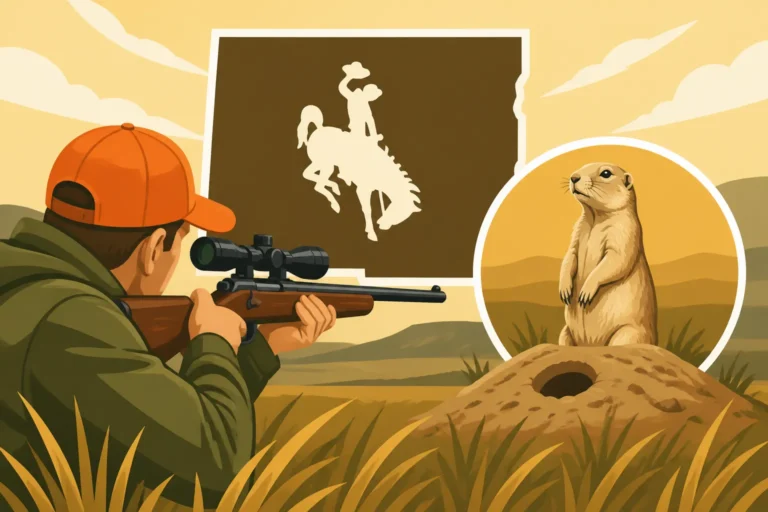
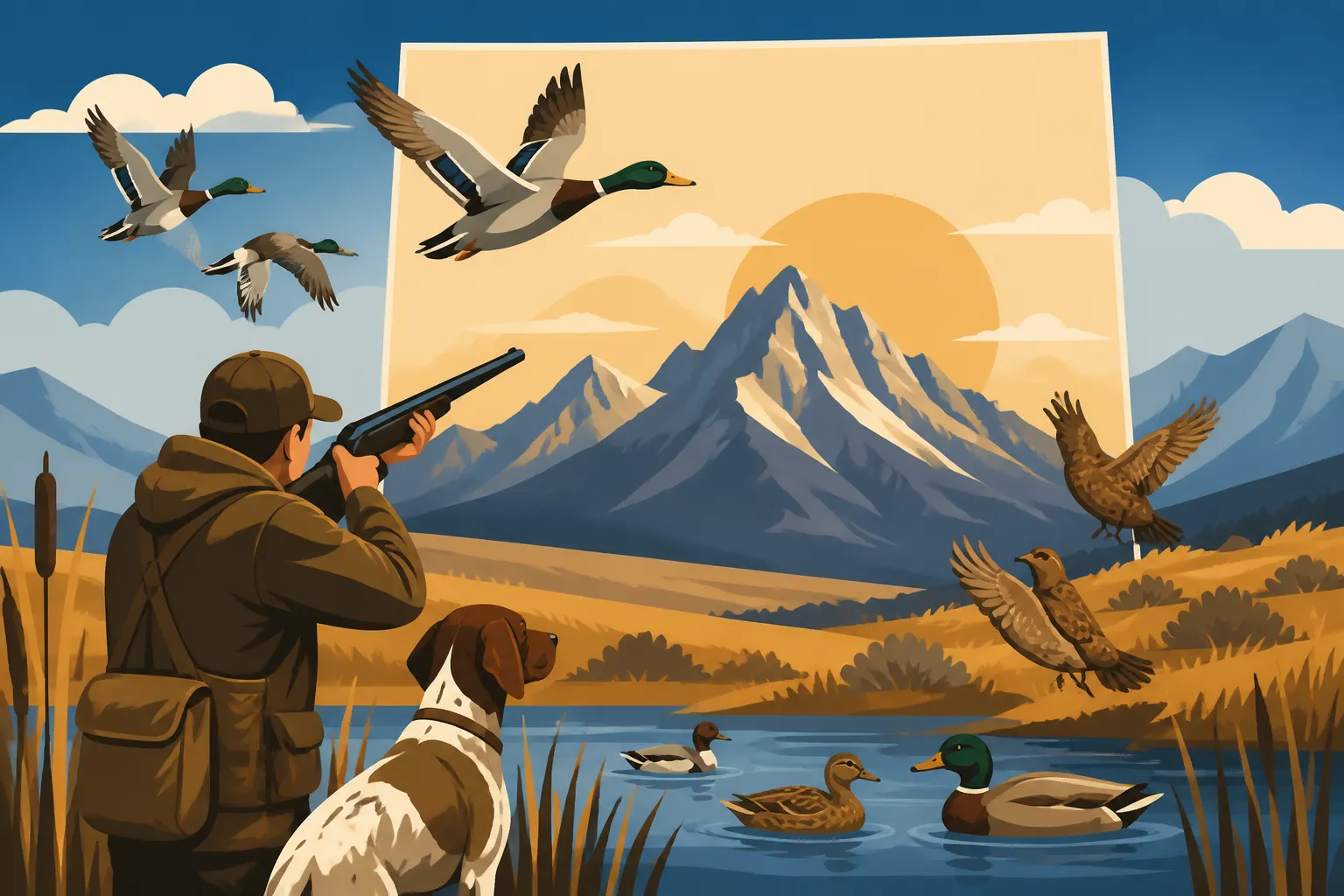
When most people think of hunting in Wyoming, their minds immediately jump to giant bull elk bugling in the mountains or huge mule deer bucks silhouetted against a ridge. And while those experiences are certainly incredible, it's easy to overlook the fantastic opportunities that exist for waterfowl and small game hunting across the Cowboy State. This guide is here to shed light on those often-underestimated pursuits, helping you discover new adventures, extend your hunting season, and hone your skills in diverse Wyoming landscapes.
Beyond Big Game: Why Small Game and Waterfowl Offer Big Rewards
Let's be honest, drawing a premier big game tag in Wyoming can feel like winning the lottery, often taking years of building preference points. This reality leaves many hunters, especially non-residents, wondering how they can still enjoy the state's incredible outdoor traditions without waiting a lifetime. The beauty of small game and waterfowl hunting is that it offers abundant, accessible opportunities, often with over-the-counter licenses, opening up a whole new world of adventure.
Extending Your Hunting Calendar
One of the biggest frustrations for hunters is when the big game seasons wrap up, leaving a void until next fall. Small game and waterfowl hunting totally changes that. You can often pursue birds well into the late fall and even winter, long after the last rifle shot for elk or deer has echoed through the canyons. This extended calendar means more time afield, more memories made, and more chances to keep your hunting instincts sharp. Imagine chasing pheasants in December when everything else is closed, or calling ducks on a crisp November morning. It's a fantastic way to cure the off-season blues and continue engaging with the land.
Skill Building and Accessibility
Hunting small game and waterfowl is an incredible way to refine a wide array of hunting skills that directly translate to big game success. Sharpening your shooting eye on fast-flying pheasants or ducks will undoubtedly improve your chances when a mule deer steps out at distance. Learning to read terrain, understand animal behavior, and master camouflage is just as vital for stalking grouse as it is for closing the gap on an antelope. Plus, these hunts are often much more physically accessible than mountain elk hunts, making them perfect for younger hunters, seasoned veterans, or anyone looking for a less demanding but equally rewarding experience. Many small game and waterfowl opportunities can be found closer to towns or on flatter terrain, reducing the logistical challenges and physical exertion often associated with big game.
Upland Game Bird Opportunities Across Wyoming's Diverse Habitats
Wyoming's landscape might be famous for its wide-open spaces, but it also boasts a surprising variety of habitats that are perfect for upland game birds. From the sagebrush flats to the agricultural fields and mountain timber, there's a bird for every hunter and every terrain.
Pheasant Hunting: A Midwest Tradition Out West
While Wyoming isn't the first state that comes to mind for pheasant hunting when you think of the Dakotas, it certainly holds its own, especially in specific areas. These colorful birds thrive in agricultural areas, particularly around corn and wheat fields, and along river bottoms with thick cover. The eastern plains of Wyoming, particularly counties like Goshen, Platte, and Sheridan, offer some fantastic pheasant action. The Wyoming Game and Fish Department even has release programs in certain areas to bolster populations and provide additional opportunities. Finding good access often involves looking for public land along river corridors, often through the Access Yes program, or securing permission on private land that manages habitat for these birds. It’s a fast-paced, exciting hunt, typically best enjoyed with a good bird dog to sniff out the cunning roosters holding tight in dense cover. The thrill of a pheasant exploding from cover at your feet is something every hunter should experience.
You can learn more about specific regulations and potential release sites by looking up Where Wyoming Releases Pheasants Each Fall. Knowing the local patterns and habitat preferences is key, and resources like GoHunt can be invaluable for pinpointing likely pheasant territories and verifying access before you hit the road. Remember, The Pheasant Bag Limit Explained can vary, so always check the current regulations.
Grouse Species: Sage, Sharp-tailed, Blue, and Ruffed
Wyoming is a true grouse hunter's paradise, offering a variety of species that each present a unique challenge.
Sage Grouse: The King of the Sagebrush
The Greater Sage-grouse is an iconic species of the American West, intrinsically tied to the vast sagebrush ecosystems. These birds are found throughout large portions of Wyoming where extensive sagebrush habitat exists, such as the Red Desert, Sublette County, and the Bighorn Basin. Hunting sage grouse requires miles of walking, keen eyesight, and often a good pointing dog to locate birds that blend in perfectly with their environment. Seasons are typically short and often have conservative bag limits due to conservation concerns. It's a truly wild hunt that connects you deeply with one of Wyoming's most unique landscapes. Understanding The Sage Grouse Bag Limit Explained and How Long Wyoming's Sage Grouse Season Runs is crucial, as seasons are often area-specific and can be quite short.
Sharp-tailed, Blue, and Ruffed Grouse: Forest and Prairie Gems
Beyond the sagebrush, Wyoming offers other grouse species. Sharp-tailed grouse are found in prairie and transitional areas, often near agriculture or riparian zones on the eastern plains, offering a fast-flying challenge similar to pheasants. Where to Find Sharp-Tailed Grouse in Wyoming often overlaps with areas suitable for pheasants, though they prefer more open, grassy habitat.
In the higher elevations and forested mountains, you'll find blue grouse (also known as dusky grouse) and ruffed grouse. Blue grouse tend to inhabit conifer forests and aspen groves, often higher up the mountain slopes. Ruffed grouse, with their distinctive drumming, prefer dense riparian areas and mixed forests. Hunting these mountain grouse often involves still-hunting through timber or working brushy draws, a delightful contrast to the wide-open sagebrush. It’s a hunt that can easily be combined with scouting for big game or enjoying the autumn colors in the mountains. For those looking to explore higher altitudes, specific areas that hold Blue and Ruffed Grouse in Wyoming's Mountains will be found within the state's National Forests.
Wild Turkey: Merriam's in the Black Hills
Wyoming might not be on the top of everyone's list for turkey hunting, but it offers fantastic opportunities, especially for the Merriam's subspecies. The Black Hills of northeastern Wyoming, around areas like Sundance and Hulett, are prime Merriam's country. These birds are known for their striking white-tipped tail feathers and inhabit ponderosa pine forests, often ranging into adjacent meadows. Spring turkey season is a truly immersive experience, calling in gobblers with yelps and purrs, and the fall season offers a chance to fill your freezer with a delicious bird. Getting into position, reading the birds, and making that perfect call is an art form that brings immense satisfaction. You can find detailed information on The Turkey Hunting Units Explained and The Turkey Season Bag Limit Explained in the annual regulations.
Waterfowl Hunting Across Wyoming's Rivers and Reservoirs
Wyoming is crisscrossed by major rivers like the North Platte, Green, and Snake, and dotted with numerous reservoirs and smaller ponds. These waterways create crucial resting and feeding grounds for a huge variety of migrating ducks and geese, offering incredible waterfowl hunting from early fall through the winter freeze-up.
Duck Hunting: A Symphony of Wings
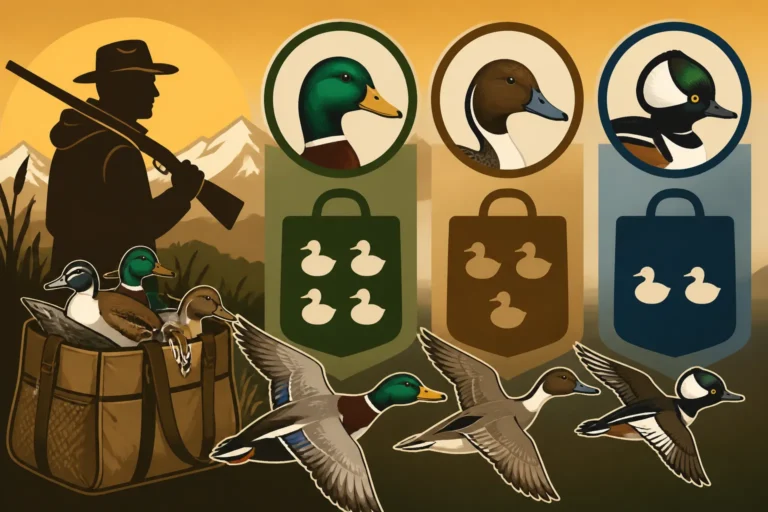
Wyoming lies within the Central Flyway, meaning it sees a tremendous diversity of duck species pass through each fall. Mallards are, of course, a favorite, but you'll also find pintails, wigeon, teal, gadwall, and various diving ducks. Hunting methods vary widely depending on the chosen habitat. On larger reservoirs, hunters might set out large spreads of decoys from boat blinds or shore blinds, waiting for flights of ducks to commit. Along river systems, particularly the North Platte, hunters often float sections, jump-shooting birds from bends in the river or setting up smaller decoy spreads in strategic spots. Early season sees plenty of local birds, while late season often brings in large migrations of hardy northern mallards and divers when other waters freeze up. Understanding Duck Bag Limits Broken Down by Species is critical, as limits can vary by species and sex.
Key Waterfowl Hotspots
The North Platte River, particularly sections in southeastern Wyoming, is renowned for its waterfowl hunting. The river provides consistent open water and food sources, drawing in thousands of ducks and geese. Other major reservoirs like Boysen, Glendo, and Keyhole also offer excellent opportunities, especially for diverse species and large numbers of birds. Knowing the patterns of these birds and scouting ahead can greatly increase your success. Resources like GoHunt can help you identify prime public land parcels adjacent to water bodies or potential access points for floating rivers.
Goose Hunting: The Challenge of Big Birds
Canada geese are abundant in Wyoming, providing fantastic hunting opportunities throughout the fall and winter. Much like ducks, goose hunting can take place on large open water bodies, but it’s often centered around agricultural fields where geese feed on leftover grains. Large decoy spreads, layout blinds, and expert calling are often employed to lure these wary birds within range. Snow geese also pass through Wyoming during their migrations, offering unique and sometimes fast-paced hunting opportunities, though their presence can be more unpredictable. The sheer size and power of a Canada goose making its final approach over your decoys is an unforgettable sight. How Long Goose Season Runs in Wyoming generally allows for a lengthy pursuit, often split into different zones and phases.
Sandhill Crane and Swan: Specialty Draws
For those looking for a truly unique waterfowl experience, Wyoming offers limited opportunities for hunting Sandhill Cranes and Tundra Swans. These magnificent birds require special permits, which are typically allocated through a limited quota drawing system.
Sandhill Crane: The Ribbon-Dancer
Sandhill cranes, with their distinctive trumpeting calls and elegant flight, offer a unique hunting challenge. They are primarily found in agricultural areas and wetlands, feeding on grains. The hunt requires scouting to locate feeding fields and then setting up blinds and decoys (often silhouette decoys) to intercept them. Wyoming's primary Sandhill Crane hunting takes place in the eastern and central parts of the state. These are often bucket-list hunts for waterfowl enthusiasts. If you're interested, you'll need to know How to Get a Wyoming Sandhill Crane Permit and participate in the draw.
Tundra Swan: A Once-in-a-Lifetime Opportunity
Tundra swans are another incredibly unique opportunity in Wyoming. These majestic white birds also require a limited quota permit, and drawing one is quite rare. Swan hunting is typically concentrated in specific areas where they congregate, often large wetlands or reservoir complexes. It's a hunt steeped in patience and observation. To learn more about applying for this rare tag, look into The Swan Permit Lottery Explained. These specialty hunts often involve a long wait and dedicated scouting, but the reward of harvesting one of these impressive birds is immense.
Essential Gear and Tactics for Wyoming Small Game and Waterfowl
To successfully pursue small game and waterfowl in Wyoming, you'll need the right gear and a solid understanding of effective tactics. It’s more than just showing up with a shotgun; preparation makes all the difference.
Shotguns, Loads, and Chokes
For most small game and waterfowl, a 12-gauge shotgun is the workhorse, offering versatility for different shot sizes and loads. A 20-gauge can be a great option for lighter recoil, especially for younger or smaller hunters. Semiautomatic or pump-action shotguns are popular choices for their reliability and quick follow-up shots. For upland birds like pheasants and grouse, typical loads range from 6 to 7.5 shot, while for ducks, 3 or 4 shot steel (or other non-toxic shot) is common. Geese often require larger steel shot, like BB or BBB, to ensure clean kills at longer ranges. Remember, lead shot is generally prohibited for waterfowl hunting across the United States, so always carry non-toxic shot when hunting near water. Choke tubes are also crucial: improved cylinder or modified for close-range upland work, and modified or full for longer shots on ducks and geese.
| Species Targeted | Recommended Gauge | Common Shot Size (Upland) | Common Shot Size (Waterfowl, Non-Toxic) | Typical Choke |
|---|---|---|---|---|
| Pheasant | 12, 20 | 5, 6 | N/A | IC, Mod |
| Sage Grouse | 12, 20 | 5, 6 | N/A | Mod, Full |
| Ducks | 12, 20 | N/A | 2, 3, 4 (steel) | Mod, Full |
| Geese | 12 | N/A | BB, BBB (steel) | Full, X-Full |
| Turkeys | 12, 20 | 4, 5, 6 (lead/hevi-shot) | N/A | Full, Turkey |
Decoys, Calls, and Blinds
For waterfowl, decoys are often the cornerstone of success. A realistic spread of duck or goose decoys, coupled with effective calling, can bring birds into range. Motion decoys, like spinning wing decoys, can add an extra layer of realism. Learning to use a duck or goose call effectively takes practice, but it's an incredibly rewarding skill that can turn a slow morning into an epic hunt. Decoys are also sometimes used for other species, such as The Decoy Distance That Actually Pulls Antelope Bucks, although that is for big game, the principle of attracting animals is similar. Blinds, whether portable layout blinds in a field, natural vegetation blinds along a riverbank, or boat blinds, are essential for concealment. Blending into your surroundings is critical, as waterfowl have incredibly sharp eyesight.
For turkeys, different types of calls – box calls, slate calls, diaphragm calls – are used to mimic hens and gobblers. Decoys are also popular for turkeys, especially in the spring, to give a tom something visual to approach.
The Indispensable Hunting Dog
A well-trained hunting dog can elevate your small game and waterfowl experience exponentially. For pheasants and grouse, a good flushing or pointing dog will find birds you would otherwise walk right past, and then retrieve downed game. Labs, German Shorthaired Pointers, English Setters, and Brittanys are popular breeds. For waterfowl, a retrieving dog like a Labrador Retriever is almost a necessity, especially when hunting cold water or retrieving birds from dense cover. Not only do dogs increase your success, but they also significantly reduce the chance of losing wounded game, fulfilling your ethical obligation as a hunter. Plus, there's nothing quite like the bond forged with a loyal canine companion in the field.
Scouting and Public Access
Just like big game, scouting is vital for small game and waterfowl. For upland birds, look for areas with good cover, food sources, and water. For waterfowl, identify key flight paths, feeding fields, and resting areas on water. Public land is abundant in Wyoming, but knowing how to access it legally and effectively is key. Using online mapping tools like GoHunt or onX can help you identify public land parcels, especially those checkerboarded with private ground, and pinpoint potential access points. Be mindful of Wyoming State Trust Land Hunting rules, which are generally open to foot traffic for hunting but sometimes have specific regulations. Pay attention to private land boundaries and always obtain permission if you need to cross or hunt private property.
Navigating Licenses, Seasons, and Regulations
Understanding the specific licensing requirements, season dates, and regulations for small game and waterfowl in Wyoming is paramount. These can vary significantly by species, hunt area, and even within the season itself.
General Licensing for Small Game and Birds
For most small game and upland bird species, residents and non-residents will need a Wyoming small game license. This is often an over-the-counter purchase, readily available from license vendors or online through the Wyoming Game and Fish Department website. Some species, like wild turkeys, require a separate tag, which can also be purchased over-the-counter for specific hunt areas or through a draw for others. Always carry proof of your license and any necessary tags in the field.
Waterfowl Stamps and HIP Registration
Waterfowl hunters have additional requirements. In addition to a general hunting license (or conservation stamp for residents), you'll need a federal duck stamp (available at post offices or online) and a Wyoming state waterfowl stamp. All migratory bird hunters (ducks, geese, doves, sandhill cranes, swans) are also required to register with the Harvest Information Program (HIP). This is a free registration that helps wildlife agencies gather data on migratory bird harvests. Without it, your migratory bird hunt is not legal. The process is quick and can typically be done online or over the phone. You can find a comprehensive overview of general seasons in Wyoming Small Game Seasons at a Glance.
Deciphering Season Dates and Bag Limits
Season dates and bag limits are critical and can vary significantly:
- Upland Birds: Seasons for pheasants, grouse, and turkeys typically open in the fall and can run into winter. Bag limits are usually daily and possession limits. For example, The Sage Grouse Bag Limit Explained will detail daily and season limits specific to that species.
- Waterfowl: Duck and goose seasons are often split into early and late segments, with varying bag limits depending on the species and sex (e.g., mallard hens often have a lower limit). Remember, Duck Bag Limits Broken Down by Species and How Long Goose Season Runs in Wyoming will be crucial reading.
- Specialty Draws: For Sandhill Cranes and Swans, the season dates are specific to the hunt area and permit, and are often shorter.
It's your responsibility to review the current year's Wyoming Game and Fish Department regulations. These are available online and often include detailed maps of hunt areas. Many hunters find tools like GoHunt invaluable for quick access to regulation summaries and season dates specific to their planned hunting areas. This helps avoid any unintended violations due to misinterpreting complex regulations.
Conservation and Responsible Hunting Practices
As with all hunting, pursuing small game and waterfowl in Wyoming comes with a responsibility to practice ethical hunting and contribute to conservation efforts. Our actions in the field directly impact the future of these resources.
Ethical Shots and Game Retrieval
Ensuring a quick, clean kill is paramount. This means practicing your shotgunning skills to ensure you can consistently make ethical shots on moving targets. Always know your effective range and don't shoot at birds that are too far out. Furthermore, making every effort to retrieve downed game is a critical ethical obligation and often a legal requirement to avoid wanton waste. This is where a good retriever dog truly shines. Losing wounded game is a disheartening experience that every hunter wants to avoid.
Respecting Land and Other Users
Wyoming is a state shared by many. Whether you're hunting public or private land, always leave no trace. Pack out all your shells, trash, and anything else you bring in. If hunting near agricultural operations, be respectful of crops and livestock. Be mindful of other outdoor enthusiasts—hikers, birdwatchers, anglers—and always maintain a safe distance and be courteous. Understanding and adhering to Legal Shooting Hours and Vehicle Rules in Wyoming is also important for respectful hunting and avoiding conflicts. Hunting can coexist peacefully with other activities if everyone respects shared spaces.
Contributing to Habitat and Research
The fees you pay for licenses and stamps directly fund the Wyoming Game and Fish Department's conservation efforts, including habitat improvement, disease monitoring, and population surveys. The federal duck stamp specifically channels funds towards wetland conservation, benefiting countless species beyond just waterfowl. Participating in programs like HIP, even a simple registration, provides vital data that helps biologists manage migratory bird populations effectively. Small game and waterfowl hunters are an integral part of the conservation community, and their contributions are just as important as those pursuing big game.
Disclaimer
Please be aware that hunting regulations, season dates, and licensing requirements can change annually. It is crucial for every hunter to consult the most current Wyoming Game and Fish Department regulations prior to heading afield. This guide provides general information and should not be considered a substitute for official legal documentation.