Wyoming’s Elk Feedgrounds and Why They Exist
You've heard the whispers, seen the headlines, and perhaps even driven past them: those vast, open fields in the dead of winter where thousands of elk congregate, drawn by the promise of hay. For many, it's a breathtaking sight, a testament to wildlife management. For others, it's a source of deep concern, a complex issue fraught with questions about disease, natural behavior, and the future of Wyoming's iconic elk herds. This guide is going to peel back the layers on Wyoming's elk feedgrounds, exploring their origins, how they operate, the real impacts they have, and the ongoing efforts to chart a sustainable path forward.
The Genesis of Elk Feedgrounds in Wyoming
It’s easy to look at the current situation with elk feedgrounds and wonder how we got here. These aren't just random occurrences; they are a direct result of a century of intertwined human settlement, land use changes, and a genuine desire to help struggling wildlife. Understanding this historical context is crucial to grasping the complexities we face today. It wasn't a sudden decision; it was a gradual evolution born out of necessity and a changing landscape.
Winter Hardship and Early Settlements
Imagine Wyoming in the late 1800s and early 1900s. Winters were brutal, as they still can be, but the landscape was different. Vast tracts of land were being settled, fences were going up, and cattle and sheep herds were expanding. This meant less open range for wildlife, especially during the harsh winter months when elk naturally migrate from high country to lower elevations. Historically, these migrations allowed elk to spread out, find sparse forage, and avoid large concentrations that could lead to widespread starvation. But as human populations grew and agricultural lands replaced traditional wintering grounds, these natural movements became increasingly difficult.
The situation reached a critical point during particularly severe winters, such as the infamous winter of 1909-1910, which saw massive die-offs of elk, particularly the iconic Jackson elk herd. Reports from the time described thousands of elk perishing from starvation and disease. It was a heart-wrenching sight that galvanized public sentiment and spurred action. The idea was simple: if elk couldn't find food on their traditional ranges, perhaps humans could provide it. This humanitarian impulse, coupled with concerns about elk raiding haystacks on private ranches, laid the groundwork for the establishment of the first feedgrounds. They were seen as a necessary intervention, a way to prevent future catastrophes and ensure the survival of a valuable wildlife resource.
Mitigation for Habitat Loss
The creation of feedgrounds wasn't just about preventing starvation; it was also a direct response to shrinking habitat. As towns expanded, roads were built, and agriculture flourished, elk lost critical winter range. Their traditional corridors for moving between summer and winter grounds were disrupted or completely blocked. Without these safe havens, elk were forced into smaller, often less productive areas, leading to overgrazing and further stress on the ecosystem.
The feedgrounds were, in many ways, a band-aid solution to a much larger problem of habitat fragmentation and loss. They allowed elk to survive winters in areas where they otherwise couldn't, effectively subsidizing their populations in landscapes increasingly dominated by human activity. This also helped to alleviate conflicts with ranchers whose hay was often the only available forage for starving elk, leading to significant economic losses for farmers. For example, the creation of the National Elk Refuge, established in 1912 near Jackson, was a monumental effort to provide dedicated winter range and supplemental feeding, specifically to protect the migrating Jackson elk herd. Over time, more feedgrounds were established across western Wyoming, each serving a similar purpose: to sustain elk populations in the face of human expansion and a changing natural world. This historical context is vital to understand why we continue these practices today, even as new challenges emerge.
How Wyoming's Feedground System Operates Today
Fast forward to the present, and Wyoming's elk feedground system is a well-established, complex operation. It’s not just about tossing hay out of a truck; it involves significant planning, personnel, and resources. These are active management sites, and their day-to-day functions are designed to keep thousands of elk alive through the leanest months of the year, though not without controversy. If you've ever wondered about the logistics behind these operations, let's pull back the curtain a bit.
Daily Operations and Staffing
The Wyoming Game and Fish Department, along with the U.S. Fish and Wildlife Service, primarily manages the state's 22 elk feedgrounds, with the National Elk Refuge being the largest and most well-known. These operations typically begin in late November or early December, depending on snow depths and natural forage availability, and can run well into April. It's a demanding schedule, often requiring staff to work seven days a week in harsh winter conditions.
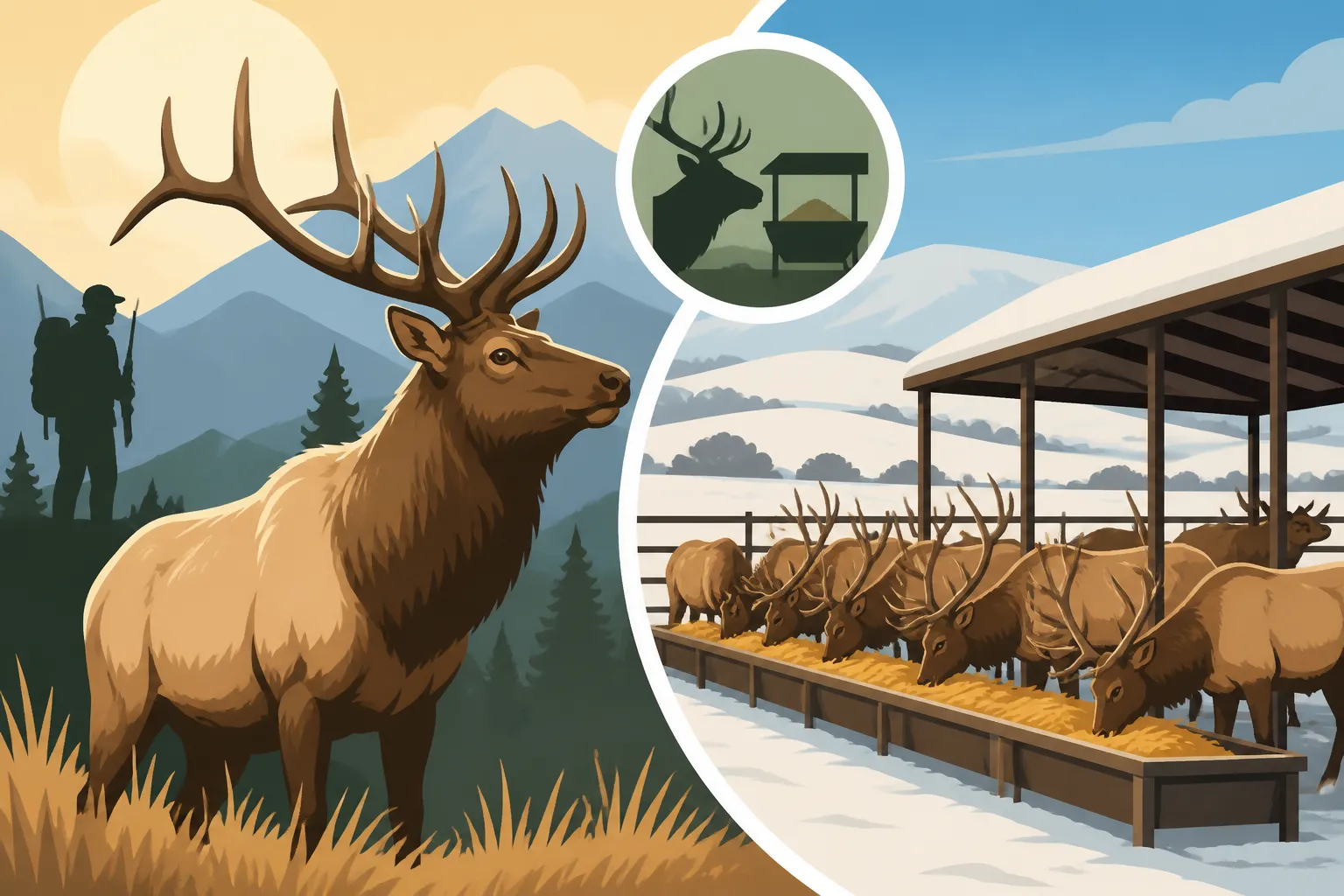
Daily tasks involve monitoring elk numbers and health, assessing forage conditions, and, crucially, distributing hay. This isn't a small undertaking; thousands of tons of hay are purchased and delivered to these sites annually. Imagine navigating snow-drifted roads in specialized equipment, distributing hay across vast areas to ensure as many elk as possible get access, while also observing for signs of disease or injury. It’s a job for dedicated individuals who often live and breathe wildlife management. They're on the front lines, making real-time decisions that impact thousands of animals. These operations are often in remote, stunningly beautiful, but undeniably challenging areas, like the areas covered by the Pinedale Elk Herd Feedground Plan Explained, showcasing the localized efforts required. The scale of the operation is truly immense, supporting thousands of animals in some of the state’s most difficult winter conditions.
Supplemental Feeding Practices
The primary goal of supplemental feeding is to provide enough nutrition to prevent starvation and keep elk in good physical condition through the winter, reducing the chances of them raiding private haystacks. Hay is typically distributed on a rotating basis across different sections of the feedground to spread out the elk, minimize ground disturbance, and reduce the concentration of waste and potential disease vectors.
The type of hay used is carefully selected, usually a mix of timothy, alfalfa, or grass hay, chosen for its nutritional value and palatability for elk. The amount of hay distributed depends on several factors: the number of elk present, snow depth, ambient temperatures, and the availability of any natural forage the elk might still be able to access. It's a dynamic calculation, not a fixed daily amount. Staff continually assess these variables to adjust feeding levels, aiming to provide just enough to sustain the herd without encouraging excessive dependency or creating overly dense concentrations. For example, you can often find information on specific feedground practices and how they manage their herds by checking the Wyoming Game and Fish Department's website or by talking to local biologists. Understanding these nuanced practices is key to appreciating the efforts involved, even while acknowledging the complex issues that arise from them.
The Biological and Ecological Impacts of Feedgrounds
While feedgrounds were established with the best intentions, they've introduced a host of complex biological and ecological challenges that wildlife managers are grappling with today. It's a classic case of unintended consequences, where solving one problem created several others that now demand innovative solutions. The environmental footprint of concentrating thousands of large animals in one place for several months out of the year is substantial and requires careful consideration.
Disease Transmission Risks
This is perhaps the most significant and well-documented concern associated with elk feedgrounds. When thousands of animals are brought together in close proximity, especially animals that are under winter stress, it creates a perfect storm for the rapid spread of infectious diseases. Two diseases, in particular, loom large over the feedground debate: Chronic Wasting Disease (CWD) and brucellosis.
CWD is a fatal neurological disease affecting deer, elk, and moose. It's caused by prions and is highly contagious, spreading through direct animal-to-animal contact, as well as indirectly through contaminated environments, such as saliva, urine, and feces left on feedground sites. The constant coming and going of elk on feedgrounds means that if one animal is infected, the potential for transmission to hundreds or thousands of others is dramatically increased. The disease can persist in the soil for years, meaning a feedground could remain a source of infection long after contaminated material is removed. You can learn more about what CWD on the Feedgrounds Means for Hunters, a critical consideration for those who harvest animals from these areas. The prevalence of CWD on some feedgrounds has led to serious discussions about their long-term viability and the health of the broader elk population.
Brucellosis is another major concern. This bacterial disease causes abortions in elk, bison, and cattle, and can even infect humans. Elk contract it primarily by coming into contact with infected fetal tissues or birthing fluids from other elk. On feedgrounds, where animals are concentrated and often give birth in close quarters, the risk of brucellosis spreading is incredibly high. This is not just a wildlife issue; it poses a significant threat to Wyoming's cattle industry. Ranchers are understandably concerned about Brucellosis, Cattle and Wyoming Elk, as an outbreak in their herds could lead to devastating economic losses and restrictions on cattle movements. The disease can also persist in the environment, making feedground areas hotspots for transmission.
Altered Migration Patterns and Behavior
Elk are magnificent migratory animals, instinctually programmed to move across vast landscapes in search of food and refuge. Feedgrounds disrupt these ancient patterns. Instead of embarking on arduous journeys to spread out and find natural forage, many elk now learn to simply wait for the hay truck. This behavioral shift has profound implications for both the elk and the ecosystems they inhabit.
One of the most noticeable changes is the reduction or complete cessation of migration for many feedground-dependent herds. Elk that would historically travel dozens or even hundreds of miles between summer and winter range now often stay within a much smaller radius, awaiting the arrival of supplemental feed. This sedentary lifestyle can lead to an overpopulation in certain areas, putting immense pressure on local vegetation during non-feeding months. It also can reduce genetic diversity and resilience over generations, as natural selection pressures related to migration are eased. Furthermore, the close quarters on feedgrounds can lead to increased stress and aggression among elk, altering their social dynamics. While the feedgrounds provide sustenance, they fundamentally change the wild character of these animals, transforming them from wide-ranging migrants into localized, managed populations.
Population Management Challenges
Managing elk populations that utilize feedgrounds presents a unique set of challenges for wildlife biologists. While feedgrounds prevent starvation and maintain high numbers of elk, this can sometimes lead to populations exceeding the natural carrying capacity of the surrounding landscape. The goal of wildlife management is often to achieve a balance between healthy animal populations and sustainable habitats, but feedgrounds can complicate this equilibrium.
High elk numbers, particularly in the absence of natural migration, can lead to overgrazing of sensitive habitats adjacent to feedgrounds once the feeding season ends. This can degrade vegetation, impact other wildlife species that rely on the same forage, and even lead to soil erosion. Wildlife agencies must then use hunting as a primary tool to manage these populations, sometimes issuing more cow elk tags or antlerless licenses to reduce herd sizes and bring them closer to population objectives. While hunting provides essential management, relying heavily on it to counteract the effects of supplemental feeding can be a perpetual cycle. It requires constant monitoring and adaptive strategies, which can be difficult given the dynamic nature of both elk populations and environmental conditions. It's a delicate balancing act, trying to ensure herd health while also maintaining ecological integrity, a task made considerably harder by the very existence of the feedground system. For hunters looking to understand the dynamics, resources like GoHunt's data on Wyoming Elk Herd Units and Winter Range can be incredibly insightful for planning.
The Social and Economic Considerations
The impacts of elk feedgrounds extend far beyond the biological realm, touching deeply into the social fabric and economic landscape of Wyoming. They influence hunter opportunities, shape relationships between wildlife agencies and private landowners, and carry significant financial costs. Understanding these dimensions is essential for a holistic view of the issue. The discussions around feedgrounds are never just about the elk; they're about people, livelihoods, and traditions too.
Hunter Opportunity and Access
For many hunters, the promise of healthy, robust elk populations is a major draw to Wyoming. Feedgrounds, by sustaining large numbers of elk through the winter, directly contribute to maintaining huntable populations and, consequently, hunter opportunity. This is especially true for those seeking a Bull Against Cow Elk Tags in Wyoming. While the concentration of elk on feedgrounds during winter doesn't directly translate to easy hunting in the fall, it ensures that a significant number of animals survive to contribute to the next hunting season. Many hunters specifically target areas known to be near feedgrounds, understanding that these areas are often crucial winter range and can hold good numbers of elk.
However, the nature of hunting these feedground-influenced elk can be a point of debate. Some argue that it creates a "less wild" hunting experience, as elk may be more habituated to human presence or have altered behavioral patterns that make them easier to locate. Others contend that ethical hunting challenges remain, and that sustaining populations through feedgrounds is a practical necessity for maintaining hunting traditions in a changing world. Moreover, the economic contribution of hunting to Wyoming is substantial, bringing in revenue through license sales, outfitter fees, and local expenditures. A significant portion of this revenue helps fund wildlife management, including the very operations of the feedgrounds themselves. While complex, the relationship between feedgrounds and hunter opportunity is undeniable and often a key factor in the public debate surrounding these operations.
Rancher Relations and Property Damage
Before the widespread establishment of feedgrounds, conflicts between migrating elk and ranchers were common and often severe. Starving elk would descend from the mountains onto private lands, seeking out valuable haystacks and pastures. This led to significant property damage, economic losses for ranchers, and understandable frustration. Imagine working tirelessly to put up hay for your cattle, only to have a hungry herd of elk consume it in a few nights.
Feedgrounds were designed, in part, to mitigate these conflicts. By providing a dedicated food source on public or state lands, the aim was to draw elk away from private ranches and protect agricultural interests. For many ranchers, this has been a successful strategy, reducing the incidence of elk depredation on their property. However, the presence of large elk populations, even those utilizing feedgrounds, can still lead to localized issues. Elk might still wander onto adjacent private lands, and the sheer number of animals can sometimes strain resources or lead to increased human-wildlife encounters.
The costs associated with feedgrounds are also a point of discussion. Millions of dollars are spent annually on purchasing hay, equipment, and staffing for these operations. While funded by license sales and federal aid, this represents a substantial investment. These costs, coupled with the ongoing debates about disease and ecological impacts, mean that the relationship between feedgrounds and rancher interests, though often positive in terms of depredation reduction, remains a delicate balance. The state often offers programs to compensate ranchers for elk damage, further highlighting the ongoing need to manage these interactions.
Ongoing Debates and Future Management Strategies
The conversation around Wyoming's elk feedgrounds is dynamic and often passionate. There’s no easy answer, no simple fix. Wildlife managers, conservationists, hunters, and local communities are all engaged in a complex dialogue about how to move forward, acknowledging both the historical necessity of feedgrounds and the very real challenges they present today. The future of Wyoming's Elk Feedgrounds and Why They Exist is a topic of constant evaluation and adjustment.
Phasing Out or Modifying Feedgrounds
One of the most frequently discussed long-term strategies is the idea of phasing out or significantly modifying the current feedground system. This isn't a new concept, and it's driven largely by the concerns around disease transmission, particularly CWD and brucellosis, and the desire to restore more natural elk behaviors. The argument for phasing out suggests that removing supplemental feed would encourage elk to disperse, return to more natural migration patterns, and reduce densities, thereby lowering disease risk.
However, phasing out feedgrounds is not a simple undertaking, and the potential consequences are significant. Without supplemental feed, many elk, especially those dependent on feedgrounds for generations, would face severe winter hardship. This could lead to massive die-offs from starvation, increased conflicts with ranchers as elk search for alternative food sources on private land, and potentially even more widespread disease transmission as stressed animals wander more broadly. Any plan to phase out feedgrounds would require extensive habitat restoration efforts, the securing of new winter range, and potentially a gradual reduction in herd sizes over many years. It's a long-term vision that necessitates careful planning, significant investment, and broad stakeholder consensus. Some feedgrounds, such as those that have tested positive for CWD, are already being looked at for potential modification or closure. This isn't just a Wyoming issue, with the National Elk Refuge Manages Its Herd through similar considerations.
Collaborative Conservation Efforts
Recognizing the complexity and sensitivity of the feedground issue, many conservation organizations, state agencies, and local groups are increasingly focusing on collaborative, proactive approaches. These efforts aim to find solutions that benefit both elk and people, often looking beyond just the feedgrounds themselves. Tools like those provided by GoHunt can aid these efforts by mapping out critical winter ranges and migration corridors.
One key area of focus is habitat improvement and restoration. By enhancing natural winter forage and securing new winter range, the hope is to reduce elk reliance on feedgrounds and encourage more natural dispersal. This might involve purchasing conservation easements on private lands, undertaking large-scale habitat projects on public lands to improve forage quality, or constructing wildlife-friendly fencing that allows for easier movement.
Another critical component is addressing migration corridors. As human development continues, identifying and protecting these ancient routes is vital. Efforts like overpasses or underpasses for wildlife, or working with landowners to ensure connectivity, are gaining traction. Education and outreach are also crucial, informing the public about the challenges and solutions, fostering a shared sense of responsibility. Ultimately, the future of Wyoming’s elk feedgrounds will likely involve a combination of strategic modifications, localized closures where feasible, and a significant investment in landscape-level conservation efforts that allow elk to be more self-sufficient, healthier, and truly wild. You can often find details on where to get an elk tested for CWD at various drop-off locations, which is part of this larger conservation strategy.
Comparing Wyoming's Major Elk Feedgrounds
To give you a clearer picture of the scale and distribution, here’s a look at some of Wyoming's key elk feedgrounds. Remember, these are just a few examples, and each has its own specific management considerations.
| Feedground Name | Primary County | Managing Agency | Est. Avg. Winter Elk (approx.) | Key Concerns | Status/Notes |
|---|---|---|---|---|---|
| National Elk Refuge | Teton | USFWS | 7,000 – 8,000 | CWD, Brucellosis, Elk-Bison Interaction | Largest, most studied; ongoing CWD surveillance and management plan review. |
| Gros Ventre | Teton | WY Game & Fish | 2,000 – 3,000 | CWD, Brucellosis | Closely tied to National Elk Refuge herd dynamics; extensive monitoring. |
| Alkali | Sublette | WY Game & Fish | 1,500 – 2,000 | CWD, Brucellosis, habitat degradation | Part of the Pinedale herd unit; focus on managing disease and local impacts. |
| Scab Creek | Sublette | WY Game & Fish | 800 – 1,200 | CWD, Brucellosis | Smaller, but faces similar disease challenges and management considerations. |
| Horse Creek | Lincoln | WY Game & Fish | 1,000 – 1,500 | Brucellosis, CWD detection | Critical for local herd survival in harsh winters; ongoing disease surveillance. |
| Grey's River | Lincoln | WY Game & Fish | 2,500 – 3,500 | Brucellosis, potential CWD spread | Major feeding operation in a significant elk migration corridor. |
| Pinedale Mesa | Sublette | WY Game & Fish | 1,000 – 1,500 | CWD, Brucellosis, potential for private land issues | Efforts to reduce elk dependency being explored. |
Note: Elk numbers are estimates and can fluctuate significantly based on winter severity and herd dynamics. Disease status is continually monitored and updated.
Disclaimer
The information provided in this article is for general informational purposes only and does not constitute official legal or wildlife management advice. Hunting regulations, policies, and scientific understanding of wildlife diseases are constantly evolving. Always consult the most current regulations directly from the Wyoming Game and Fish Department and other relevant authorities before making any decisions related to hunting or wildlife management.