What CWD on the Feedgrounds Means for Hunters
The shadow of Chronic Wasting Disease (CWD) casts a long, unsettling pall over hunting conversations across the West, and here in Wyoming, that concern often feels most acute when we talk about our iconic elk herds and the traditional feedgrounds. Many hunters worry about the future of these herds, the safety of their harvest, and what this all means for the hunting traditions we cherish. This guide will walk you through the realities of CWD on Wyoming's feedgrounds, explaining the disease, its implications for elk and other cervids, and, most importantly, what you, as a hunter, need to know and do to navigate these challenges responsibly and confidently.
Understanding Chronic Wasting Disease and Its Impact
Let's be honest, hearing about a disease that impacts wildlife, especially the majestic animals we pursue, can feel daunting. CWD isn't just another illness; it's a unique and persistent challenge that demands our attention and understanding.
What CWD Actually Is and How It Spreads
Chronic Wasting Disease is a transmissible neurological disease belonging to a family of illnesses called transmissible spongiform encephalopathies (TSEs), which also include Mad Cow Disease in cattle and Creutzfeldt-Jakob disease in humans. What makes CWD so uniquely concerning is its cause: an abnormal protein called a prion. These misfolded prions accumulate in the brain and nervous tissue of infected animals, slowly but surely destroying brain cells and leading to a range of devastating symptoms. Affected animals become emaciated, exhibit abnormal behaviors, drool excessively, and eventually die. There is no known cure or vaccine.
The way CWD spreads is particularly insidious. It's not caused by a virus or bacteria, but by these prions, which are incredibly resilient. They can be transmitted directly from animal to animal through contact with saliva, urine, feces, and blood. But the truly worrying aspect for wildlife managers and hunters alike is the indirect transmission: infected animals shed prions into the environment, contaminating soil, plants, and water sources. These prions can persist in the environment for years, even decades, making it possible for healthy animals to pick them up long after an infected animal has left the area. This environmental persistence is why CWD is so difficult to eradicate once it takes root in a landscape. Deer, elk, and moose, collectively known as cervids, are all susceptible, making it a widespread concern across our Western landscapes.
Why Feedgrounds Become Hotbeds for CWD
For decades, Wyoming has maintained a system of elk feedgrounds, primarily to mitigate depredation on private lands and to concentrate elk during harsh winters. These feedgrounds provide supplemental forage, ensuring elk can survive when natural forage is scarce. While they've served an important purpose in managing elk populations and preventing conflicts, they've unintentionally created a perfect storm for the spread of diseases like CWD.
The core issue is density. Imagine hundreds, sometimes thousands, of elk gathered in a relatively small area day after day, year after year. This unnatural concentration leads to increased direct contact between animals – nose to nose, mouth to mouth – facilitating the rapid exchange of bodily fluids. Any infected animal within that population becomes a super-spreader. Beyond direct contact, the feedground environment itself becomes highly contaminated with prions shed by infected individuals. Think of it: thousands of elk urinating and defecating in the same spots, year after year, on ground that is continually re-used. These prions bind to soil particles and plants, creating a "hot zone" where healthy elk are constantly exposed. The persistent presence of prions in the soil means that even if all infected animals were removed, the environmental contamination would remain a significant challenge, perpetuating the cycle of infection. This is a tough pill to swallow for many hunters who have fond memories of feedground activity, but it's a stark reality of disease ecology. If you're looking for more information on their history and purpose, you might find our article on Wyoming's Elk Feedgrounds and Why They Exist insightful.
Wyoming's Elk Feedground System and CWD Presence
Wyoming is home to some of the most impressive elk herds in North America, and our feedground system is a unique, albeit complex, part of their management. Understanding where these feedgrounds are and where CWD has been detected is crucial for any hunter.
A Look at Wyoming's Feedground Network
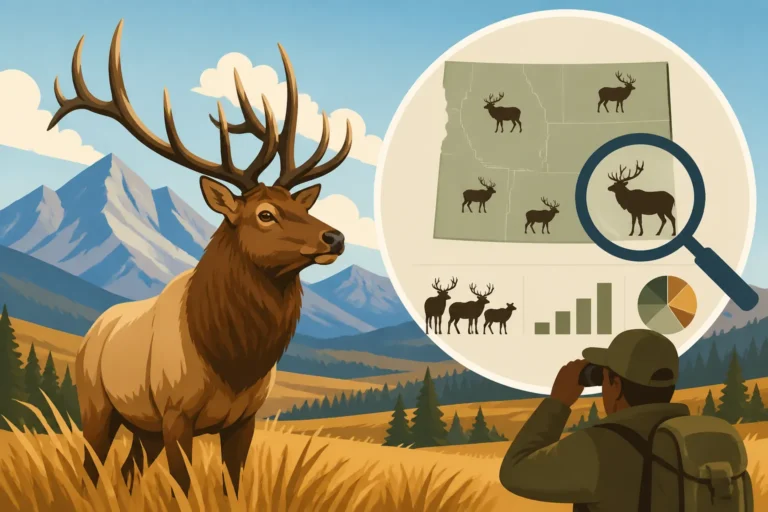
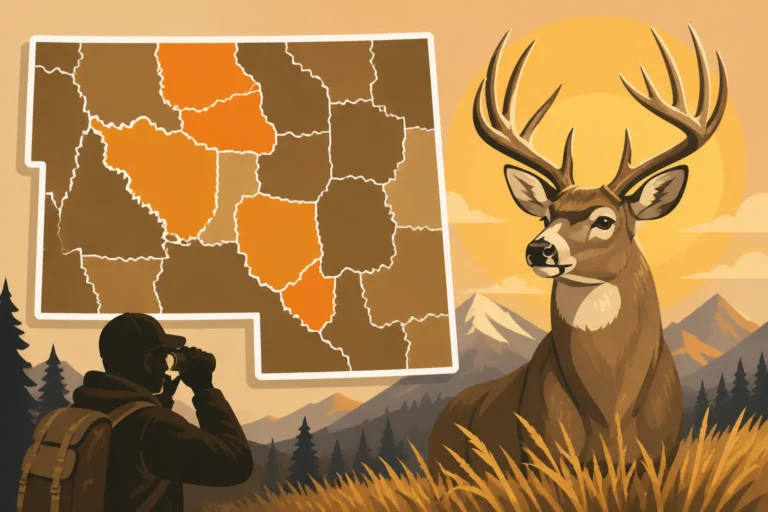
Wyoming operates over 20 state-run elk feedgrounds, in addition to the federally managed National Elk Refuge near Jackson. These feedgrounds are concentrated in western Wyoming, specifically in the Jackson, Pinedale, and Star Valley regions, where winter conditions can be exceptionally severe and elk often migrate down from high country into valleys with significant human populations and agricultural interests. Historically, these feedgrounds were established to prevent elk from starving during harsh winters and to keep them from raiding ranchers' haystacks – a pragmatic solution born out of necessity. They’ve allowed massive herds to persist, particularly the renowned Jackson Elk Herd.
However, this concentration comes with a cost. The very success of these feedgrounds in sustaining large elk populations has inadvertently created conditions ripe for disease transmission. While the exact number of elk at any given feedground fluctuates with winter severity, the sheer volume of animals packed together means that interactions, both direct and indirect, are constant. This includes not just elk-to-elk contact, but also nose-to-ground contact on contaminated soil. The Wyoming Game and Fish Department is constantly monitoring these feedgrounds, and managing them has become a complicated balancing act between historical practices and modern disease concerns. For a deeper dive into specific regional plans, you could look into resources like The Pinedale Elk Herd Feedground Plan Explained.
Documented CWD Cases on Wyoming Feedgrounds
The reality is that CWD has been detected on several of Wyoming's elk feedgrounds. The Wyoming Game and Fish Department (WGFD) has been actively monitoring for CWD since the mid-1990s, with detections increasing over time. While the disease is widespread across the state in both deer and elk populations, the confined nature of feedgrounds makes detections there particularly concerning due to the heightened risk of rapid spread. Recent data from the WGFD indicates that some of the major feedgrounds, including parts of the Gros Ventre feedground complex and others in the Sublette region, have had confirmed CWD-positive elk. This isn't just a handful of animals; it indicates a persistent presence within those localized herds.
The WGFD publicly shares surveillance data and updates on CWD detections. Hunters can access this information through their website or by calling local Game and Fish offices. Staying informed about which areas are affected is paramount for making ethical hunting decisions. Knowing Which Feedgrounds Have Tested Positive for CWD helps hunters understand the landscape of risk, guiding decisions on where to hunt and how to manage harvested animals. The goal of continuous monitoring is to understand prevalence rates and to inform management strategies, which increasingly involve difficult conversations about the future of feedgrounds themselves.
Practical Implications for Hunters on the Ground
For hunters, CWD on the feedgrounds isn't just a biological curiosity; it has direct, tangible impacts on how we approach our hunts and what we do with our harvest. Taking personal responsibility is key to minimizing risk and being part of the solution.
Testing Requirements and Recommendations for Harvested Animals
When you're out there, perhaps after a long stalk or a patient wait, and you've successfully harvested an elk, the last thing you want to think about is a disease. However, CWD testing has become an increasingly important part of responsible hunting, especially if you're hunting in areas near known feedgrounds or CWD hotspots. While CWD testing is generally voluntary across most of Wyoming, the WGFD strongly recommends it for all harvested cervids, particularly those taken in designated CWD management areas or near feedgrounds. In some specific hunt areas, especially those with high CWD prevalence, mandatory testing or submission of samples may be implemented, so always check the current regulations for your specific hunt unit.
The process for submitting samples is straightforward. The WGFD sets up check stations during hunting seasons, and you can also take lymph node or brainstem samples to any regional WGFD office. Many hunters will work with their taxidermists or meat processors, who are often trained and equipped to collect the necessary samples. It's a small step that provides immense peace of mind. Getting your animal tested not only ensures the safety of your harvest but also contributes vital data to wildlife management efforts, helping biologists track the disease and refine their strategies. For a step-by-step guide on the process, our article on Where to Get an Elk Tested for CWD can provide valuable instructions. It’s an easy process that helps everyone.
Carcass Handling and Transport Regulations
Harvesting an animal in a CWD-positive area or near a feedground means you need to be extra mindful of how you handle and transport the carcass. The primary goal is to prevent the spread of CWD prions to new areas, especially if you're taking your harvest out of state or into an uninfected part of Wyoming. Wyoming Game and Fish has specific regulations in place to address this. Generally, if you harvest an animal in a CWD-positive hunt area, you are only allowed to transport certain parts of the carcass out of that area. This typically includes deboned meat, cleaned skull plates (antlers attached), capes (without brain or spinal cord material), and finished taxidermy mounts. The brain, spinal cord, eyes, spleen, and lymph nodes are the tissues most likely to contain CWD prions, and these must be left at the kill site or disposed of in an approved landfill within the CWD area.
This might sound like a hassle when you're tired and excited after a successful hunt, but it's a critical measure to protect our wildlife resources. Proper field dressing away from waterways and leaving the high-risk parts of the carcass behind significantly reduces the chance of spreading prions. It's about being a responsible steward of the land and the animals. Always double-check the current regulations for Carcass Transport Rules Explained before you head out, as they can change based on the latest CWD surveillance data. It also helps to be familiar with requirements for Evidence of Sex Requirements on a Carcass as these often go hand-in-hand with field dressing regulations.
Addressing Hunter Concerns About Meat Safety
One of the most pressing questions for hunters, and rightly so, is about the safety of consuming meat from CWD-infected areas. It's a serious consideration, and getting reliable information is key to making informed choices.
Current Scientific Understanding of CWD and Human Health
The scientific community has extensively studied CWD for decades, and ongoing research continues to shed light on its potential risks. The good news, as of now, is that there has been no direct evidence of CWD transmission to humans. Major public health organizations like the Centers for Disease Control and Prevention (CDC) and the World Health Organization (WHO) have continually monitored the situation and state that while no human cases have been identified, they recommend against consuming meat from animals known to be infected with CWD. They err on the side of caution, which is a sensible approach given the nature of prion diseases.
The lack of confirmed human cases provides some reassurance, but it's crucial not to become complacent. Prion diseases can have long incubation periods, and researchers continue to investigate any potential barriers or pathways for cross-species transmission. For many hunters, this scientific uncertainty means that testing is the only way to feel truly confident in their harvest. The peace of mind that comes from a negative CWD test result is invaluable. It’s a personal decision, but one that more and more hunters are choosing to make. For a comprehensive look at this topic, our guide, Is Elk Meat Safe If the Animal Had CWD?, dives into the details.
Mitigating Risks and Making Informed Decisions
Given the current scientific understanding, mitigating potential risks associated with CWD involves a combination of best practices and personal discretion. First and foremost, always follow proper field dressing techniques. Wear gloves when handling game, especially when removing organs, and minimize contact with brain and spinal tissues. These are the areas where prions are most concentrated. Once field dressed, consider having your animal tested, particularly if it was harvested in an area with known CWD prevalence, like near a feedground.
If your animal tests positive for CWD, the recommendation is clear: do not consume the meat. While it's a heartbreaking outcome after a successful hunt, it's the responsible choice. Instead, consider donating the carcass to science or disposing of it according to WGFD guidelines to prevent further environmental contamination. For those without a positive test, knowing your animal is CWD-free allows you to enjoy your harvest with confidence. Rely on reputable sources like the WGFD for the most up-to-date information, and don't hesitate to reach out to them with specific questions. Organizations like GoHunt also provide excellent resources and forums where hunters can share information and experiences, helping you stay informed and make the best decisions for yourself and your family. Ultimately, being well-informed and proactive is your best defense against the uncertainties of CWD.
The Broader Picture: CWD Management and Hunter's Role
CWD is a complex issue, and it's not going away easily. Managing this disease requires a multi-faceted approach, and hunters are, without a doubt, an indispensable part of that strategy. We have a crucial role to play in protecting our herds.
Wyoming's Strategy for CWD Control
The Wyoming Game and Fish Department is on the front lines of CWD management, and it's an incredibly challenging task given the vast, wild landscapes and the natural behaviors of cervids. Their strategy involves a combination of surveillance, research, and targeted population management. Surveillance, as we discussed, includes mandatory and voluntary testing, which helps track the disease's spread and prevalence. This data is critical for identifying hot spots and understanding how CWD impacts different herd units. WGFD also actively conducts research to better understand the disease, its transmission, and potential long-term solutions.
Population management is another key component. In areas with high CWD prevalence, Game and Fish may issue more antlerless tags or extend seasons to reduce herd numbers. The idea is that lower animal densities can help slow the rate of transmission, as there's less direct contact between individuals. However, implementing these measures often faces public resistance, and the challenges in open-range environments are immense. It's not as simple as vaccinating a domesticated herd; we're talking about wild animals across millions of acres. The ongoing discussions about the future of feedgrounds are a direct result of these management challenges, highlighting the difficult decisions facing wildlife managers in Wyoming. More background on the larger context of disease in our herds can be found in our article on Wyoming Elk, the Feedgrounds and the Disease Question.
How Hunters Can Help Combat CWD Spread
As hunters, we are often the first line of defense and the most invested stakeholders in healthy wildlife populations. Our actions in the field directly contribute to CWD management efforts. The most impactful way you can help is by participating in CWD testing for your harvested animals. Every sample collected provides valuable data that informs WGFD’s management decisions, helping them understand the disease better and adapt strategies. Think of it as citizen science at its best.
Beyond testing, responsible hunting practices are paramount. This includes adhering to all carcass transport regulations to prevent inadvertently spreading prions to new areas. Avoid baiting or artificial feeding of deer and elk, even in your backyard, as these activities concentrate animals and increase disease transmission risk – exactly what we see on feedgrounds. Educate yourself and your hunting partners about CWD, its symptoms, and best practices. Support wildlife agencies and organizations that fund CWD research and management. By staying informed, following regulations, and taking proactive steps, we empower ourselves to be part of the solution rather than unknowingly contributing to the problem. GoHunt, for instance, often covers CWD updates and offers resources that can help you stay current on the latest information and regulations for your hunting endeavors in Wyoming and beyond.
Here's a quick reference on CWD actions for hunters:
| Action Category | Key Action | Importance |
|---|---|---|
| Before the Hunt | Check WGFD Regulations | Understand specific CWD testing & carcass rules for your hunt area. |
| During Field Dressing | Wear Gloves & Minimize Contact | Reduce personal exposure; avoid brain, spinal cord, lymph nodes. |
| After Harvest | Get Your Animal Tested (Recommended/Mandatory) | Ensure meat safety; contribute vital data to disease surveillance. |
| Carcass Transport | Debone & Follow Regulations | Prevent prion spread to new geographic areas. |
| If Positive Test | Do Not Consume Meat | Adhere to public health recommendations; dispose of carcass responsibly. |
| Ongoing Support | Stay Informed & Support WGFD Efforts | Be an educated advocate for wildlife health and responsible management. |
Disclaimer
Please remember that hunting regulations and scientific understanding of CWD can change. Always consult the most current Wyoming Game and Fish Department regulations and official scientific guidance before making decisions regarding your hunt or the consumption of wild game meat. This information is for educational purposes and should not be considered a substitute for official legal or health advice.