Goose Hunting on Wyoming’s Big Reservoirs
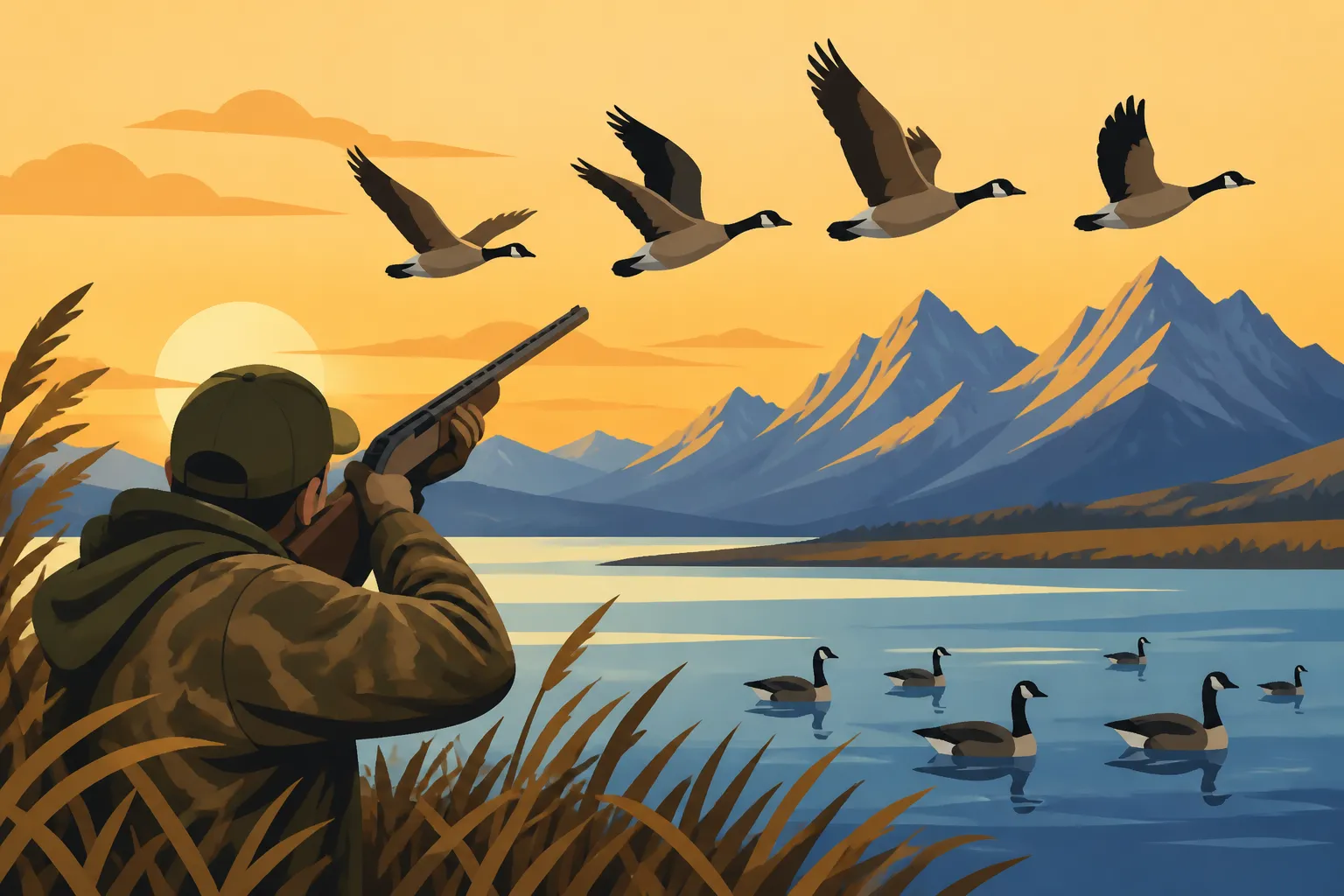
One of the most thrilling and challenging waterfowl hunts you can pursue in Wyoming is chasing geese on our big reservoirs. It's a completely different ballgame from field hunting or chasing ducks on smaller rivers, and it presents unique frustrations and incredible rewards. Those wide-open spaces, often buffeted by stiff winds, can feel intimidating, but with the right approach, you can have a truly memorable experience. This guide will walk you through the nuances of goose hunting on Wyoming's vast reservoir systems, helping you understand the birds, the tactics, and the gear you'll need to succeed.
Why Wyoming's Large Reservoirs Attract Geese
There's something majestic about the sheer scale of Wyoming's landscape, and our large reservoirs are no exception. These vast bodies of water become magnets for waterfowl, particularly geese, offering them a combination of safety, food, and resting areas that smaller ponds or rivers just can't provide. If you've ever driven past one of our larger reservoirs in the fall or winter, you've likely seen the dark specks of birds scattered across the water, often hundreds strong.
The Allure of Open Water: What Draws Geese to Reservoirs
For geese, these expansive reservoirs are a fortress. They offer immense protection from predators like coyotes, eagles, and even human hunters. Out on the main body of water, they have an unobstructed 360-degree view, making it nearly impossible for anything to approach undetected. This sense of security allows them to raft up in large numbers, conserving energy and providing a social hub. Beyond safety, these reservoirs often have adjacent agricultural fields or natural grasslands where geese can feed. They'll spend their nights or mid-day resting periods on the water, then fly to feeding grounds in the mornings and evenings. The presence of consistent open water, even as smaller bodies freeze over, is another major draw, making these reservoirs crucial wintering habitats.
Primary Species: Canada Geese Dominating the Scene
When we talk about goose hunting on Wyoming's reservoirs, we're overwhelmingly talking about Canada geese. These magnificent birds are plentiful across the state and exhibit distinct populations, including both resident flocks that breed and live here year-round, and migratory birds that pass through or winter from farther north. While you might occasionally spot a snow goose or white-fronted goose, particularly during peak migration, it's the Canada goose that truly defines reservoir hunting here. Understanding their subspecies – from the larger giant Canadas to the smaller cackling geese – can influence your calling and decoy strategies, though for most reservoir hunts, the general approach remains consistent. Each flock has its own personality, its own flight paths, and its own preferred areas, making every hunt a unique puzzle.
Migration Patterns and Local Flocks: Timing Your Hunt
Wyoming sits squarely in the path of several major migration routes, making our reservoirs critical stopovers. Timing your hunt effectively often depends on whether you're targeting local, resident geese or the big pushes of migratory birds. Early season hunts might focus on resident flocks that have grown up in the area, often exhibiting predictable patterns between roosting water and feeding fields. As the season progresses and colder weather sets in, you'll start to see more migratory geese arrive from Canada and points north. These birds can be incredibly wary and have often been shot at multiple times on their journey. Keeping an eye on weather forecasts, especially significant cold fronts to our north, can give you a heads-up on when new waves of birds might arrive. Websites and apps like GoHunt can be invaluable for tracking weather patterns across wider regions that impact migration. You can also stay informed about How Long Goose Season Runs in Wyoming to plan your efforts around peak migration windows and legal hunting periods.
Essential Scouting and Strategic Setup for Reservoir Geese
Hunting geese on big water isn't something you just show up for on opening morning. It demands meticulous scouting and a well-thought-out setup. The sheer size of these reservoirs means that geese have endless options, and finding that sweet spot where they want to be, and where you can effectively hunt them, is the key to success.
Pre-Season Reconnaissance: Glassing and Observing Patterns
Successful reservoir goose hunting starts long before you ever pull out a shotgun. It begins with hours spent glassing. You need to understand not just if geese are using a particular reservoir, but how they're using it. Which bays do they prefer for resting? Which points do they land on first? What are their flight lines to and from feeding areas?
- Driving Recon: Before the season, take some drives around the reservoir. Use binoculars or a spotting scope to watch where geese congregate. Pay attention to how they approach the water and where they spend their time. Note any specific features like shallow points, islands, or sheltered coves.
- Morning and Evening Flights: Geese are creatures of habit. Watch their morning fly-outs to feeding areas and their evening fly-ins to roost. This will tell you if they are feeding in accessible public fields nearby, or if they are just passing through. Knowing their general routes helps you identify potential ambush points or setup locations.
- Utilizing Optics: Investing in quality optics is non-negotiable for reservoir scouting. You'll be picking out dark specks from vast distances. A good pair of binoculars, like those described in Binocular Size That Survives an All-Day Glassing Session, will be your best friend. For really far-off birds, a spotting scope mounted on a sturdy tripod is indispensable. Combine this with careful observation of the wind patterns; knowing how to predict Reading Wind on an Open-Country Stalk can also help anticipate their flight paths and landing approaches, even over water.
Decoy Spreads for Large Water: Making a Convincing Spread
Geese are incredibly wary, especially those that have seen a few hunting seasons. Your decoy spread needs to be believable, and on large water, that often means a significant number of decoys. You're trying to create a welcoming, safe-looking zone amidst a vast expanse.
- Numbers Game: While not always possible, a larger spread generally works better on big reservoirs. Aim for dozens, if not hundreds, of decoys if you have the resources. Full-body floaters are ideal, but a mix of shell decoys and even some silhouettes can add depth and make your spread appear larger and more active.
- The Landing Zone: Always leave a wide-open landing zone directly in front of your blind, downwind. Geese prefer to land into the wind, and they want plenty of space to set their wings and glide in comfortably. Avoid cluttering this area with decoys.
- Social Groupings: Arrange your decoys in family groups or small feeding clusters rather than a uniform grid. This natural look is much more convincing. Imagine how real geese sit on the water—some feeding, some resting, some alert. A handful of sentry or feeder decoys can make a spread come alive.
- Anchoring and Retrieval: On big, potentially windy reservoirs, proper anchoring is crucial. Use heavy weights and strong lines. Consider a system that allows for quick deployment and retrieval, as setting and pulling decoys from a boat can be incredibly labor-intensive. Many serious reservoir hunters use custom systems involving long lines and gang rigs to make this process more efficient.
Blind Construction and Concealment: Hiding in Plain Sight
Concealment is paramount. Geese have incredible eyesight, and they'll spot anything out of place. On wide-open water or barren shorelines, finding natural cover can be a real challenge.
- Shoreline Blinds: If you're hunting from shore, natural features like cutbanks, cattail edges, or rock formations can offer some cover. Supplement this with marsh netting, natural vegetation, or commercially made ground blinds. Make sure your blind breaks up your outline and blends into the background.
- Boat Blinds: Many reservoir goose hunters operate from specially designed boat blinds. These can be custom-built frames covered with camouflage material, or pop-up blinds designed to fit specific boat types. The key is to match the color and texture of the surrounding environment as closely as possible. Often, hunters will brush in their boat blinds with local vegetation.
- Layout Blinds on Islands/Points: If you're hunting a shallow point or a small island, layout blinds can be very effective. They keep you low to the ground and allow for maximum concealment. However, they offer little protection from the elements, and in cold, wet Wyoming conditions, this can be a serious consideration. Remember to blend them thoroughly with surrounding rocks, mud, or sparse vegetation.
| Blind Type | Pros | Cons | Ideal Conditions |
|---|---|---|---|
| Boat Blind | Mobile, good for varying water levels, versatile | Requires a boat, can be bulky, harder to hide on dry land | Large reservoirs, varying access, water-based setups |
| Layout Blind | Excellent concealment, low profile, portable | No weather protection, limited movement, uncomfortable in cold/wet | Shallow points, sandy beaches, minimal shore cover |
| Natural Shoreline Blind | Blends well, inexpensive (if cover exists) | Dependent on natural cover, less mobile, can be drafty | Cattail edges, steep banks, rocky outcrops |
| Pop-Up Blind | Quick setup, decent concealment, adaptable | Can look unnatural if not brushed in, less sturdy in high winds | Versatile for shore, fields, or behind sparse brush |
Gear, Safety, and Regulations Specific to Reservoir Goose Hunting
Hunting on big water introduces a whole new set of challenges and necessities beyond simply having a shotgun and shells. Safety must always be your top priority, especially when dealing with cold water and unpredictable weather.
Watercraft and Wading Gear: Navigating the Reservoir Environment
Accessing geese on a large reservoir often requires a boat, and not just any boat.
- Boat Selection: A stable, reliable boat is crucial. Jon boats, larger duck boats, or even small utility boats can work, but they need to be capable of handling choppy water, especially on windy days. Always check the weather forecast before heading out on large water. A boat that's stable enough to manage decoys and retrieve downed birds is essential.
- Motor Considerations: A dependable outboard motor is a must. You don't want to be stranded far from shore when the wind picks up. Carry extra fuel, tools, and a way to start your motor manually if your battery dies. Consider a trolling motor for silent positioning once you're in the general vicinity of your spread.
- Waders and Decoy Bags: Even with a boat, you'll likely be wading to deploy and retrieve decoys or retrieve birds. Neoprene chest waders are essential for warmth and dryness in cold Wyoming waters. Good, sturdy decoy bags will make carrying and organizing your spread much easier, especially if you're making multiple trips to shore. Don't forget PFDs (personal flotation devices) for everyone in the boat. This isn't just a suggestion; it's a legal requirement and a life-saving measure.
Cold Weather Preparedness and Water Safety: Staying Safe on Big Water
Wyoming weather is notoriously unpredictable. A sunny, calm morning can quickly turn into a howling blizzard with whitecaps on the water. This is particularly true in the late season when geese are most prevalent.
- Layer Up: Dress in multiple layers of warm, waterproof clothing. Think wool, fleece, and good quality outerwear. Avoid cotton, which loses its insulating properties when wet. Wyoming Small Game Seasons at a Glance provides a good context for the diverse weather you might encounter during the various hunting seasons.
- Hypothermia is Real: Exposure to cold water, even for a short time, can quickly lead to hypothermia. Always tell someone where you're going and when you expect to return. Carry a dry bag with spare clothes, a first-aid kit, fire-starting materials, and high-energy snacks.
- Boat Safety Essentials: Beyond PFDs, carry all required safety gear: a whistle, navigation lights (if hunting near dawn/dusk), a fully charged cell phone (though service can be spotty on some reservoirs), and a marine radio if you're on a truly expansive body of water. Know how to operate your boat safely in rough conditions. Wind can pick up fast, turning calm water into a treacherous mess in minutes. A robust anchor is also critical to hold your position against currents or wind.
Understanding Wyoming's Waterfowl Regulations: Legal Considerations
Like all hunting in Wyoming, chasing geese on reservoirs comes with specific regulations you must follow. Ignorance of the law is never an excuse.
- Federal and State Rules: Waterfowl hunting is governed by both federal and state regulations. This means you need a valid Wyoming hunting license, a federal migratory bird stamp (often called a duck stamp), and a Wyoming conservation stamp. You also need to register with the Harvest Information Program (HIP).
- Bag and Possession Limits: Be absolutely clear on the daily bag limits and possession limits for Canada geese. These can vary by region or management area.
- Legal Shooting Hours: Waterfowl hunters have specific shooting hours, typically from 30 minutes before sunrise to sunset. These are strictly enforced. Make sure you know when Legal Shooting Hours and Vehicle Rules in Wyoming apply to your specific hunt area.
- Ammunition: Only non-toxic shot (steel, bismuth, tungsten-alloy, etc.) is permitted for waterfowl hunting. Lead shot is strictly prohibited. Use the correct shot size for geese – usually BB, BBB, or T shot in 12-gauge, depending on range and conditions.
- Electronic Calls: While often legal for predator hunting, electronic calls are not legal for migratory birds like geese. You must use mouth-blown calls. Practice your calling, because a convincing spread paired with good calling is deadly.
Finding Opportunity: Key Characteristics of Productive Wyoming Reservoirs
Wyoming has numerous reservoirs scattered across the state, but not all of them offer prime goose hunting opportunities. Success often comes down to identifying those unique characteristics that make a particular body of water attractive to geese and accessible to hunters. It's not just about water; it's about the entire ecosystem surrounding it.
Reservoir Features That Hold Geese: Bays, Points, and Islands
When scouting a reservoir, you're looking for specific topographical features that geese favor for feeding, loafing, and roosting. These aren't random choices; they're strategic decisions by the birds based on safety and comfort.
- Shallow Bays and Coves: Geese often prefer shallower water where they can safely dabble for vegetation or just rest without being in excessively deep water. Protected bays and coves offer refuge from strong winds and waves, providing a calmer environment. These areas also tend to warm up slightly faster, which can be a draw on cold days. Look for bays with mud flats or sparse vegetation along the edges.
- Long Points and Peninsulas: Points that extend far into the reservoir are often used by geese as loafing areas during the day. They provide excellent visibility and allow birds to preen and rest without being out in the middle of the main lake. Hunters can sometimes set up on these points, utilizing the natural terrain for concealment, provided the wind is right for birds to approach.
- Islands and Submerged Structures: Islands, especially smaller ones, offer ultimate security for roosting geese. They provide elevation and a complete barrier from land-based predators. If you can access an island legally and ethically, setting up a blind can be very productive. Submerged structures or old roadbeds that create shallow bars can also attract geese, offering feeding opportunities they won't find in deeper water. Knowing where the underwater topography shifts can give you a major advantage.
Accessing Public Waters: Launch Ramps and Shoreline Considerations
One of the biggest hurdles for reservoir hunters is often access. While the water itself might be public, getting to the ideal hunting spots can be tricky due to surrounding private land or challenging terrain. Utilizing resources like The Wyoming Public Land Owner Map Explained can help identify access points and delineate public/private boundaries.
- Public Boat Ramps: Most major reservoirs in Wyoming have public boat ramps, often managed by the state or federal agencies. These are your primary access points for launching a boat. Familiarize yourself with ramp conditions, especially in late season when ice or low water levels can be an issue. Some ramps may be seasonal.
- Shoreline Access: Not all reservoir hunting requires a boat. In some areas, public shoreline might extend for miles, allowing walk-in access to points, coves, or mud flats. This often means carrying all your gear a good distance, so a sturdy cart or sled can be a lifesaver. Keep an eye out for potential private land easements or restricted areas. Always respect "No Trespassing" signs.
- Managing Water Levels: Reservoir water levels fluctuate throughout the year, sometimes dramatically. What was a perfect shoreline blind location in early season might be underwater or a dry, exposed mud flat later on. Stay informed about the current water levels, as they will dictate both access and where the geese are likely to be found. A good mapping app like GoHunt can often show contours that help predict what areas will be exposed or submerged at different water levels.
Seasonal Changes and Their Impact on Goose Behavior
Goose behavior on reservoirs isn't static; it changes with the seasons, impacting where and how you should hunt.
- Early Season (Fall): During the early fall, resident geese might be less wary, still enjoying abundant food sources. They might be more scattered across the reservoir. Their patterns often involve shorter flights to nearby agricultural fields. You might find them in smaller family groups.
- Mid-Season (Late Fall/Early Winter): As migratory birds start to arrive, numbers swell, and the geese become much more cautious. They'll often raft up in larger groups in the most secure parts of the reservoir. Wind and weather become bigger factors, pushing birds to seek shelter in specific bays. You'll need more decoys and impeccable concealment.
- Late Season (Winter): In the depths of winter, open water becomes the primary factor. As smaller lakes and rivers freeze, geese concentrate on the few remaining large, open bodies of water. This can lead to massive concentrations of birds, but they are also at their wariest. Extreme cold might push them to feed more frequently to maintain energy, but their flight times can be very short. Targeting specific open water areas or finding breaks in the ice can be key. Staying on top of Wyoming's Duck Season Framework Explained or related waterfowl regulations is important as season dates progress and conditions change, ensuring you're always hunting legally.
Disclaimer
This article is for general informational purposes only and does not constitute professional advice. Laws, prices and regulations vary by location and change over time. Consult a qualified professional for guidance on your specific situation.