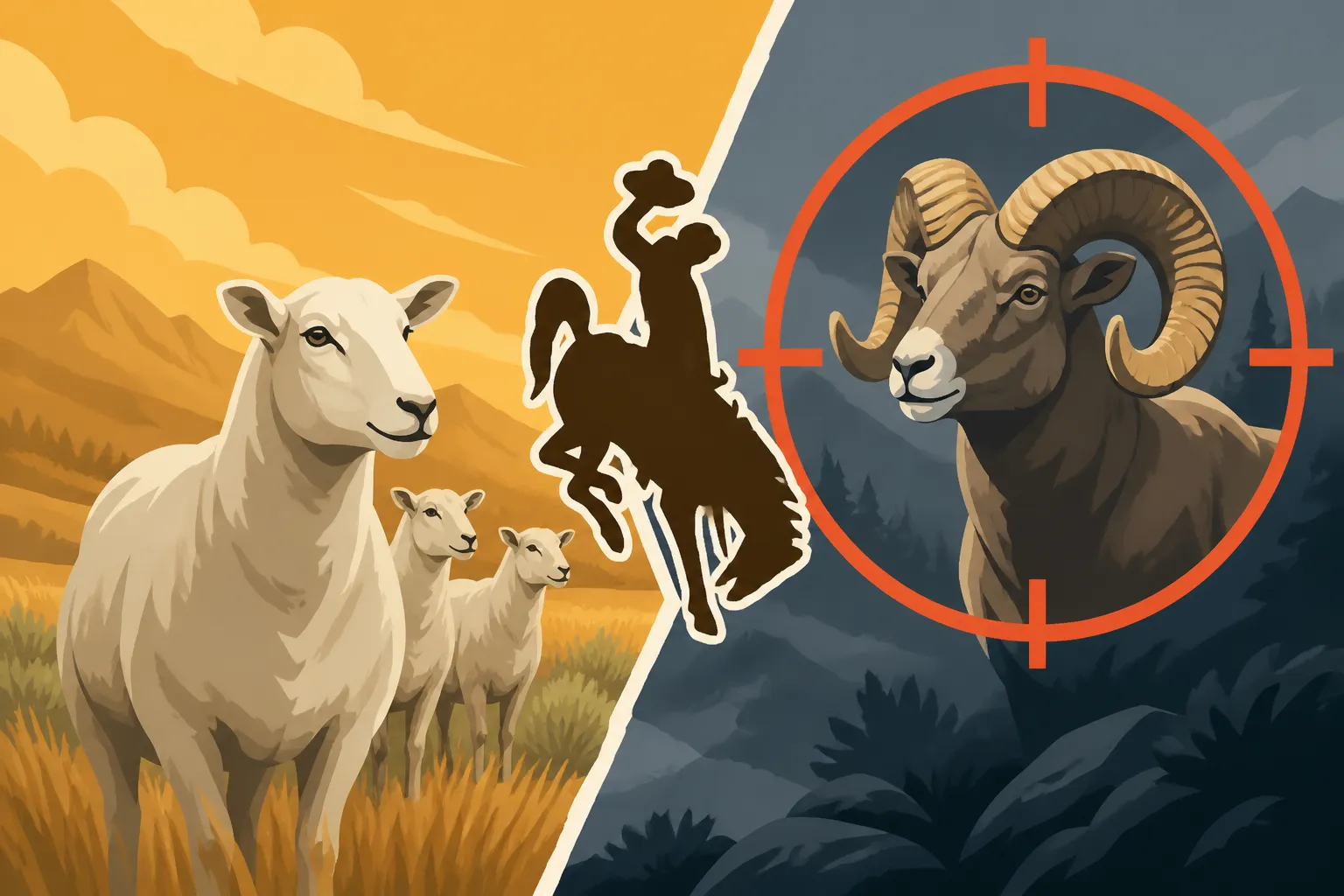
Ewe Hunts Against Full-Price Ram Tags
For many hunters, the very thought of drawing a bighorn sheep tag in Wyoming feels like a pipe dream, an almost mythical pursuit reserved for the exceptionally lucky or those with decades of preference points. The truth is, securing one of these coveted tags, particularly for a full-curl ram, is incredibly challenging. This guide is dedicated to breaking down the significant differences between pursuing a once-in-a-lifetime full-price ram tag and the more accessible, though still rare, ewe hunts, offering clarity on what each entails and how they fit into the broader conservation picture.
The Coveted Realm of Wyoming Bighorn Sheep Tags
Hunting bighorn sheep in Wyoming is often considered the pinnacle of Western big game hunting. It's an experience rooted in rugged mountains, intense physical exertion, and the pursuit of one of North America's most iconic and majestic animals. But before you even think about packing your boots, you need a tag, and these aren't your typical over-the-counter affair.
Understanding the Scarcity of Bighorn Sheep Tags
The primary reason bighorn sheep tags are so hard to come by is simple supply and demand. Bighorn sheep populations, while carefully managed, are not as robust or widespread as deer or elk. They thrive in specific, often harsh, high-elevation habitats that limit their numbers and distribution. Wyoming Game and Fish Department (WGFD) biologists allocate a very limited number of tags each year to ensure sustainable populations and prevent overharvest, particularly of mature rams. This scarcity means that for most hunters, drawing a bighorn sheep tag is a once-in-a-lifetime opportunity, so much so that Wyoming classifies it as such, making it incredibly special for those who beat the odds.
This scarcity drives the demand, creating incredibly low draw odds. Hunters often accumulate preference points for years, even decades, hoping to increase their chances. But even with maximum points, the draw for full-price ram tags remains largely a lottery, especially for non-residents. The challenge isn't just the hunt itself; it's the intense, years-long commitment just to get the chance to step into the sheep's world.
The Resident vs. Nonresident Dynamic in Bighorn Draws
Wyoming, like many Western states, has different tag allocations for residents and nonresidents, and for bighorn sheep, this difference is stark. The system is designed to prioritize residents, reflecting the state's conservation and economic interests. For once-in-a-lifetime species like bighorn sheep and moose, Wyoming employs a 90/10 split, meaning 90% of the available tags go to residents and only 10% to nonresidents. This creates an even more competitive environment for out-of-state hunters.
While residents face tough odds, they are significantly better than those for nonresidents. Nonresident draw odds for bighorn sheep can sit under one percent, even with a strong preference point accumulation. This disparity often forces nonresidents to consider other strategies, like applying for the "special" draw which costs more but doesn't necessarily guarantee better odds, or focusing on specific hunt districts that might have slightly less competition, if they exist at all for sheep. Understanding this dynamic is crucial for any hunter, resident or nonresident, planning to pursue a Wyoming bighorn.
The Allure of a Full-Price Ram Tag
When hunters dream of bighorn sheep, they're almost invariably picturing a magnificent ram, with its massive, curling horns. The pursuit of a full-price ram tag is steeped in tradition, challenge, and the desire for an iconic trophy. It's not just about the animal; it's about the journey, the physical and mental test, and the awe-inspiring landscapes these animals call home.
The Quest for a Trophy Ram
A full-price ram tag represents the pinnacle of sheep hunting because it allows the harvest of a mature ram, typically defined by a "full curl" or an equivalent maturity measurement. The ram curl requirement explained by the WGFD ensures that hunters are targeting older, sexually mature animals, allowing younger rams to contribute to breeding. These animals are masters of their environment, living in some of the most unforgiving terrain imaginable. Spotting a ram, let alone closing the distance, requires exceptional glassing skills, physical endurance, and a deep understanding of sheep behavior.
The challenge is immense. Hunters often spend days, sometimes weeks, scouring vast mountainsides, climbing thousands of vertical feet, and enduring harsh weather. The sheer scale of the hunt, combined with the bighorn's incredible eyesight and agility, makes success hard-earned and deeply satisfying. The trophy itself, a symbol of a wild and challenging pursuit, becomes a lifelong memory and a testament to perseverance. For many, it's the ultimate big game hunting accomplishment.
Where and How Ram Hunts Take Place
Wyoming's Bighorn Sheep Hunt Districts are scattered across the state's highest and most remote mountain ranges, including the Absarokas, Wind River Range, Gros Ventre, and parts of the Bighorns. Each district presents its own unique challenges and opportunities. A hunter lucky enough to draw a ram tag will often spend months, or even years, researching their chosen district. Tools like the hunt planner on the WGFD website, combined with digital mapping software and resources from organizations like GoHunt, become invaluable for e-scouting, identifying potential sheep habitat, and planning access.
The hunts themselves are typically conducted on foot, often with pack horses or mules carrying gear into spike camps deep in the wilderness. It's a physically demanding endeavor. Hunters must be prepared for extreme elevation, rapidly changing weather conditions, and the potential for long stalks across treacherous terrain. Success often hinges on the ability to locate sheep, assess their age and horn development to ensure they meet the legal requirements, and then execute a precise, ethical shot in challenging conditions. The remoteness and ruggedness of these areas mean that hunters must be self-sufficient or employ experienced outfitters and guides who understand the intricacies of sheep country and possess the necessary knowledge for a safe and successful hunt.
The Practicality and Purpose of Ewe Hunts
While the pursuit of a trophy ram captures the imagination, ewe hunts play a vital role in bighorn sheep management and offer a unique hunting experience that is often more accessible, both physically and in terms of draw odds.
Conservation Benefits of Ewe Harvests
Ewe hunts are not primarily about trophy hunting; they are a critical tool for wildlife management. When a bighorn sheep herd grows beyond the carrying capacity of its habitat, or when disease is a concern, controlled ewe harvests help maintain healthy populations. By reducing the number of breeding females, managers can prevent overgrazing, minimize the spread of diseases like pneumonia, and improve the overall health and vigor of the remaining animals.
In areas where populations might be stressed, or where specific conservation goals are in place, ewe tags might be issued to reduce competition for resources, allowing rams and remaining ewes to thrive. This proactive management ensures the long-term sustainability of the bighorn sheep resource, benefiting the entire ecosystem. It's a testament to responsible wildlife management that hunting can be used as a conservation tool, directly contributing to the health of the very animals we pursue. Hunters participating in ewe hunts contribute directly to these conservation efforts.
The Experience of a Ewe Hunt
A ewe hunt offers a different, yet equally rewarding, experience compared to a ram hunt. While the physical demands of hunting in steep, rocky terrain remain, the pressure to find a "full curl" ram is absent. The focus shifts more purely to the act of hunting, the challenge of the stalk, and the opportunity to harvest a magnificent animal for its meat and the experience. Ewe tags are often less expensive than full-price ram tags, making them a potentially more affordable entry point into bighorn sheep hunting for some.
Furthermore, because ewe tags are issued to manage populations, they are sometimes offered in areas or through seasons that might have slightly better draw odds, or even as landowner tags in specific circumstances. While still incredibly difficult to draw, they offer a glimmer of hope to hunters who might never accumulate enough points for a ram. These hunts allow individuals to immerse themselves in the sheep's world, learn about their habits, and contribute to wildlife management, all while enjoying the challenge of hunting one of Wyoming's most iconic species. You can find out where ewe sheep hunts are still offered by consulting the latest WGFD regulations.
Navigating the Draw: Ram vs. Ewe Tag Application
The application process for bighorn sheep tags in Wyoming is notoriously complex, and understanding the nuances between ram and ewe tag applications is crucial for anyone hoping to draw. The differences in availability, cost, and draw odds profoundly impact strategy.
Comparing Draw Odds and Application Strategy
The draw odds for full-price ram tags are incredibly low, especially for nonresidents. As mentioned, they can be well under 1%, even for applicants with max points. This is largely due to the limited number of permits issued for mature rams and the intense competition. Hunters often spend years, if not decades, building preference points, hoping to increase their chances in the random draw that applies after points are factored in, as Wyoming splits every draw 75 percent points and 25 percent random. GoHunt's detailed draw odds provide invaluable insights into historical success rates by hunt district and point level, which can help applicants make informed decisions.
Ewe tags, while still very limited and difficult to draw, generally have slightly higher draw odds than ram tags. Because they are used as a management tool, the WGFD may issue more ewe tags in specific areas where population control is needed. This doesn't mean they're easy to get, but for many, it represents a more realistic chance at a bighorn sheep experience. Applicants need to meticulously research specific hunt areas and their tag types. Some areas might only offer ram tags, others ewe tags, and a few might offer both. Understanding these distinctions from the WGFD regulations and resources like GoHunt is paramount to developing a coherent application strategy.
Costs and Deadlines for Sheep Applications
Both full-price ram tags and ewe tags fall under the general nonresident tag pricing structure, which can range from $326 to $1,965, depending on the species and tag type (special draw options are even higher). The application fee itself is typically modest, but the tag fee is substantial, and for nonresident ram tags, it's among the most expensive big game tags in the state. Ewe tags are generally less costly than full-price ram tags, reflecting their management purpose rather than trophy status.
The most critical aspect of the application process is adhering to Wyoming's four application deadlines, February through June. For bighorn sheep, along with moose, goat, and bison, the application deadline is typically April 30th. Missing this deadline means waiting another year. It's essential to mark these dates on your calendar and double-check the WGFD website annually for any changes. Additionally, hunters often consider whether to buy Wyoming preference points without applying for a tag if their goal is a ram tag many years down the road. This strategy allows accumulation of points without the financial commitment of applying for a tag that has exceptionally low odds.
Here's a quick comparison of key aspects between ram and ewe tags:
| Feature | Full-Price Ram Tag | Ewe Tag |
|---|---|---|
| Primary Purpose | Trophy/Recreational Hunt of Mature Male | Wildlife Management, Population Control, Meat Hunt |
| Draw Difficulty | Extremely Low Odds, Very High Demand | Low Odds, Higher than Ram Tags, Moderate Demand |
| Cost | Higher (e.g., ~$2000+ for nonresidents) | Lower (e.g., ~$300-$500 for nonresidents, varies) |
| Trophy Focus | Yes, seeking mature animals with "full curl" horns | No, focus on overall herd health and meat |
| Physical Demands | Very High, often targeting remote, steep terrain | High, similar terrain, but less pressure for "trophy" |
| Tag Allocation | Very Limited, highly competitive | Limited, generally more available than ram tags |
| Conservation Role | Sustainable harvest of mature males | Population control, disease prevention, habitat health |
Ethical Considerations and Conservation Impact
Every hunt, especially for a species as iconic and sensitive as the bighorn sheep, carries significant ethical responsibilities. Both ram and ewe hunts, while different in their immediate objectives, contribute to the overarching goal of bighorn sheep conservation in Wyoming.
Responsible Hunting Practices for Bighorns
Hunting bighorn sheep demands the highest standards of ethical conduct. This includes meticulous shot placement to ensure a clean, humane kill, particularly given the challenging terrain and conditions often encountered. Hunters must also be intimately familiar with the legal ram curl requirement explained in the regulations to avoid mistakenly harvesting an underage ram. Misidentifying a ram's age or curl can lead to serious penalties and undermines conservation efforts.
Furthermore, proper field dressing and meat salvage are not just legal requirements but ethical imperatives. Every part of the animal that can be utilized should be. This respect for the animal and the resource is fundamental to responsible hunting. In Wyoming's rugged backcountry, retrieving a downed sheep can be an arduous task, often requiring significant effort and time, highlighting the importance of physical preparation and having a solid recovery plan in place. This commitment to ethical behavior ensures that hunting remains a respected and valuable component of wildlife management.
The Broader Picture of Bighorn Conservation
Both ram and ewe hunts contribute to the broader conservation strategy for bighorn sheep in Wyoming. Controlled ram harvests allow for recreational opportunities while still maintaining a healthy breeding population, as typically only a small percentage of mature rams are taken. Ewe hunts, on the other hand, are explicitly designed to manage herd dynamics, reduce disease transmission, and balance sheep populations with available habitat.
The funds generated from bighorn sheep tag sales, especially the higher nonresident fees, are directly reinvested into wildlife management programs, including habitat improvement, research, and law enforcement. Organizations like the Wild Sheep Foundation also play a crucial role, partnering with state agencies to fund projects aimed at increasing bighorn sheep populations, improving genetic diversity, and addressing disease issues. Every hunter who applies for a bighorn tag, whether for a ram or a ewe, becomes a financial contributor to the future of these magnificent animals, securing their place in the wild landscapes of Wyoming for generations to come.
Disclaimer
The information provided in this guide is for general informational purposes only and is subject to change. Hunting regulations, seasons, and draw odds are dynamic and can be updated annually by the Wyoming Game and Fish Department. Always consult the most current official WGFD regulations, proclamations, and hunt planners before making any hunting plans or submitting applications.