Why Sheep Is a Once-in-a-Lifetime License in Wyoming
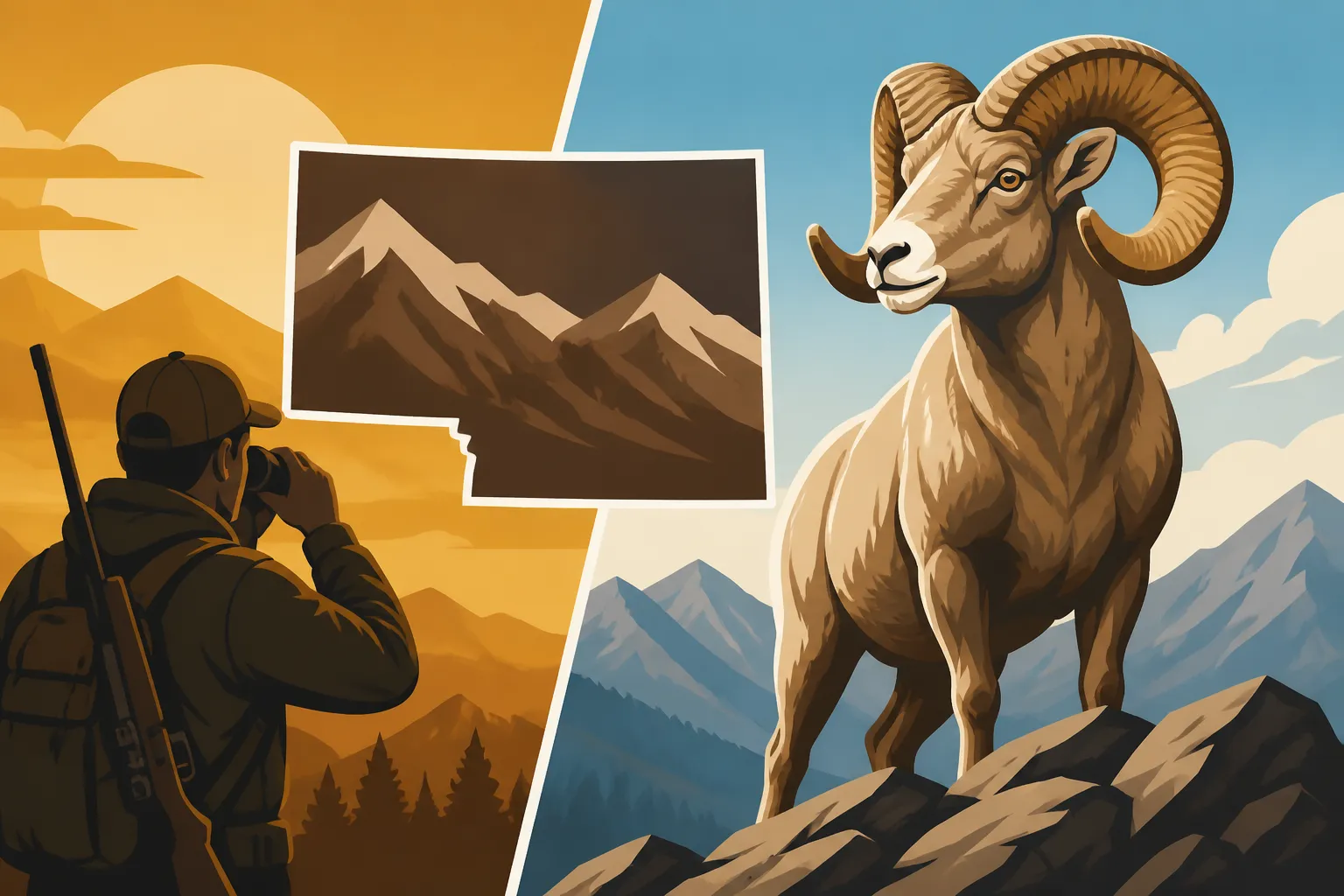
For any Western hunter, the dream of drawing a bighorn sheep tag in Wyoming feels like finding a golden ticket. It's a pursuit that often comes with years, sometimes decades, of applications and an almost mystical reverence for the animal itself. The sheer difficulty, and the deeply ingrained "once-in-a-lifetime" rule, can be incredibly frustrating for those of us who yearn to chase these majestic animals through the high country. This guide is dedicated to pulling back the curtain on why a Wyoming bighorn sheep license is designated as a once-in-a-lifetime opportunity, exploring the intricate balance of conservation, population management, and the unique challenges faced by these iconic mountain dwellers.
The Rarity of Bighorn Sheep in Wyoming's Ecosystem
Wyoming's bighorn sheep populations are a delicate balance, living in some of the most rugged and inaccessible terrain. Unlike more abundant species, bighorns face a unique set of challenges that limit their numbers and, consequently, the number of hunting opportunities available. Understanding their ecology is key to appreciating why their tags are so incredibly precious.
Historical Decline and Recovery Efforts
It’s easy to look at the current robust populations of some big game species in Wyoming and assume bighorns have always thrived, but that's simply not the case. Historically, bighorn sheep faced devastating declines across the American West, including in Wyoming. Diseases, primarily those transmitted from domestic sheep, played a massive role, decimating herds that were already stressed by habitat loss and unregulated hunting in earlier eras. It’s a sad chapter in wildlife history, one that wildlife managers have worked tirelessly to reverse.
For decades, the Wyoming Game and Fish Department (WGFD) and other conservation groups have invested immense resources into bighorn sheep recovery. This has included translocating sheep to establish new herds, managing habitat to improve forage and reduce disease risk, and rigorous monitoring programs to track herd health and population trends. These efforts are continuous and absolutely vital. Every bighorn you see climbing a craggy peak is a testament to persistent conservation work and the resilience of the species itself, a reminder that their existence isn't something to be taken for granted.
Current Population Status and Distribution
Today, Wyoming is home to several distinct bighorn sheep herds, primarily found in the western mountain ranges. Think the Absarokas, the Wind River Range, the Gros Ventre, and parts of the Bighorns. These are truly wild places, and the sheep reflect that untamed spirit. However, even with recovery efforts, their overall numbers remain relatively low compared to deer or elk. Bighorns have very specific habitat requirements – they need steep, open terrain to evade predators, combined with quality forage. This specialized niche means they'll never be as widespread as other big game.
The WGFD meticulously monitors these herds, assessing lamb recruitment, ewe survival, and ram-to-ewe ratios. These data points are critical for determining the health of each specific population and how many tags, if any, can be sustainably offered. While some herds are doing relatively well, others struggle with disease outbreaks or habitat limitations. This constant vigilance ensures that hunting, when permitted, doesn't undermine the long-term viability of the population. It's a continuous balancing act, always prioritizing the well-being of the sheep above all else.
Conservation Philosophy Behind Once-in-a-Lifetime Tags
The "once-in-a-lifetime" rule isn't some arbitrary decision; it's a deeply considered conservation philosophy. It reflects a commitment to both the health of the bighorn populations and the equitable distribution of a profoundly rare and sought-after hunting experience.
Limiting Harvest to Ensure Sustainability
The primary driver behind the once-in-a-lifetime designation is the absolute necessity of limiting harvest. Bighorn sheep populations are inherently more fragile than those of elk or deer. They have lower reproductive rates, are highly susceptible to disease, and their specialized habitat means they can't simply expand into new areas if their numbers drop. Allowing a hunter to take more than one ram in their lifetime would significantly increase harvest pressure on these delicate herds, potentially undoing decades of conservation work.
Consider a mature ram. He represents years of survival, navigating harsh winters, predators, and the general rigors of mountain life. He's also crucial for breeding and passing on strong genetics. Each tag issued represents a significant potential impact on the local herd. By making it a once-in-a-lifetime opportunity, Wyoming ensures that only a tiny fraction of the available rams are harvested each year, maintaining healthy age structures and genetic diversity within the herds. It's about securing the future of the species, ensuring that bighorn sheep continue to roam Wyoming's wild places for generations to come.
Prioritizing Hunter Opportunity vs. Success
Another crucial aspect of this conservation philosophy is the balance between hunter opportunity and success rates. While every hunter dreams of harvesting a ram, the ultimate goal of the "once-in-a-lifetime" rule is to spread the opportunity to pursue this incredible animal as widely as possible over the years. If hunters could draw multiple sheep tags, the chances for others would plummet even further than they already are.
This approach acknowledges the extraordinary value placed on a bighorn sheep hunt. It's not just about pulling a trigger; it's about the entire experience: the draw, the scouting, the physical challenge of the hunt itself, and the immense privilege of being in bighorn country. By limiting it to one ram per hunter, Wyoming amplifies the significance of that single opportunity, making it a true capstone for a hunter's career. It makes every applicant feel that, however slim, they have a fair shot at this pinnacle experience, rather than seeing the same few hunters drawing year after year. It's about respecting the dream as much as the animal.
The Wyoming Game and Fish Department's Role
The Wyoming Game and Fish Department (WGFD) is the cornerstone of this management strategy. They don't just set the rules; they conduct the scientific research, monitor populations, and make the tough decisions that ensure these iconic species endure. Their work is tireless and critical for every hunter hoping to draw a tag.
How Quotas and Hunt Districts Are Established
Determining how many bighorn sheep tags to issue each year, and in which areas, is an incredibly complex process. It starts with years of data collection. WGFD biologists spend countless hours in the field, conducting aerial surveys, ground counts, and remote camera monitoring. They look at herd unit objectives, ram-to-ewe ratios, lamb survival rates, and overall population trends. Are the numbers stable, increasing, or decreasing? Are there signs of disease?
Based on this comprehensive data, the WGFD proposes annual quotas for specific Wyoming Bighorn Sheep Hunt Districts. These districts are carefully delineated to correspond with distinct sheep populations. You might see a district with a quota for one ram, another for two, and some with zero if a herd is struggling. Public meetings are held, allowing hunters and interested citizens to provide feedback. This transparent, science-driven process ensures that quotas are conservative and responsive to current herd health. It's a robust system designed to protect the resource first and foremost.
Data Collection and Scientific Management
The WGFD's commitment to scientific management is paramount, especially for a species as sensitive as bighorn sheep. They don't just guess; they gather hard data. This includes detailed information on age class distribution, genetic health, and migration patterns. For instance, understanding the impact of disease, such as pneumonia, on lamb survival is crucial. Biologists also track hunter harvest success, not just the number of tags, but also the age and quality of rams being harvested. This feedback loop helps refine future quotas and management strategies.
Tools like GPS collars on individual sheep provide invaluable insights into their movements, habitat use, and survival rates. This level of detail allows the WGFD to make informed decisions that adapt to changing environmental conditions or population dynamics. When you look at an application on GoHunt or the WGFD website, remember that behind those numbers is a dedicated team of biologists and game wardens committed to managing these populations for long-term health, ensuring that the privilege of hunting a bighorn sheep remains viable for future generations.
Understanding the Draw System for Bighorn Sheep
The Wyoming bighorn sheep draw is legendary for its difficulty. It's not just hard; it's exceptionally hard, and understanding the mechanics of the draw, especially the once-in-a-lifetime rule, is crucial for anyone dreaming of a tag.
The 90/10 Resident Split on Once-in-a-Lifetime Species
Wyoming's commitment to its resident hunters is clear, particularly for species as rare as bighorn sheep. For these highly coveted, once-in-a-lifetime animals, the state employs a Wyoming's 90/10 Resident Split on Once-in-a-Lifetime Species. This means that 90% of the available bighorn sheep tags in any given hunt district are allocated to Wyoming residents, while only 10% are set aside for nonresidents.
While this might seem disheartening for nonresident hunters, it's a reflection of the state's recognition of its residents' long-term investment in Wyoming's wildlife resources and their continuous support for conservation efforts. For nonresidents, this split makes an already difficult draw exponentially harder, but it reinforces the understanding that these tags are a premium. It also means that even if you accumulate many preference points for other species, sheep operate on a different system. There are no preference points for mountain goat and bighorn sheep in Wyoming; it's a true lottery system.
Navigating the Random Draw Odds
Since there are no preference points for bighorn sheep, the draw is almost entirely random for eligible applicants. Every year, each applicant who enters the draw has an equal chance, statistically speaking, as everyone else. This means that a first-time applicant has the same odds as someone who has been applying for twenty years. While this might feel frustrating for those who've dedicated years to the process, it also means that every year holds a fresh possibility, a true lottery ticket feel.
To give you a realistic picture, the Bighorn Sheep Random Draw Odds Explained often hover well below one percent for nonresidents in most hunt districts, and even for residents, the odds can be quite low. For example, in 2023, some non-resident sheep hunt areas saw drawing odds as low as 0.2% in the random pool. This is where researching with tools like GoHunt becomes invaluable, allowing you to sift through past draw statistics to understand just how steep those odds really are. It's a stark reminder of the immense competition and the preciousness of each tag issued. Given these odds, many hunters focus on merely applying year after year, content with the slim chance, simply because the reward is so extraordinary.
Here's a simplified look at the draw odds and application deadlines:
| Species | Application Deadline | Tags for Residents (Approx.) | Tags for Nonresidents (Approx.) | Preference Points Used | Once-in-a-Lifetime |
|---|---|---|---|---|---|
| Bighorn Sheep | April 30 | ~90% of Quota | ~10% of Quota | No | Yes |
| Moose | April 30 | ~90% of Quota | ~10% of Quota | No | Yes |
| Mountain Goat | April 30 | ~90% of Quota | ~10% of Quota | No | Yes |
| Elk | Jan 31 | ~75% of Quota | ~25% of Quota | Yes | No |
| Deer | May 31 | ~75% of Quota | ~25% of Quota | Yes | No |
| Antelope | May 31 | ~75% of Quota | ~25% of Quota | Yes | No |
Note: Tag percentages for Elk, Deer, and Antelope refer to the 75/25 split in the regular draw pool for areas requiring preference points. Sheep, Moose, and Mountain Goat are a 90/10 split in a purely random draw.
When you factor in the low quotas – How Many Nonresident Sheep Tags Wyoming Issues are typically in the single digits statewide each year – you begin to understand the lottery-like nature of the draw. It's why many seasoned hunters apply for decades before finally experiencing the thrill of seeing "successful" next to their name. The commitment is real, but so is the dream. Don't forget to check When Wyoming Draw Results Post, Species by Species so you know exactly when to brace yourself for that nail-biting email or website check.
Impact on Hunters and Future Generations
The "once-in-a-lifetime" rule for bighorn sheep shapes the experience for individual hunters and plays a profound role in how we perceive and conserve these magnificent animals for those who come after us. It's more than just a regulation; it’s a legacy.
The Pursuit of a "Once-in-a-Lifetime" Experience
For most hunters, the pursuit of a Wyoming bighorn sheep is the ultimate hunting aspiration. It's not just about the trophy; it’s about the journey. The designation elevates the hunt from a recreational activity to a monumental life event. Imagine the excitement and anticipation that builds over years of applying, the detailed research poured into potential hunt areas, poring over Reading a Wyoming Sheep Hunt District Map, and the physical training undertaken for the grueling mountain terrain. When that tag finally arrives, it’s not just a piece of paper; it’s the culmination of a lifelong dream.
Because it's a once-in-a-lifetime opportunity, hunters approach it with an unparalleled level of commitment and respect. Every moment in the field is savored, every ram spotted through the spotting scope is meticulously evaluated. There’s a greater emphasis on fair chase, ethical hunting, and a deep appreciation for the animal and its habitat. This isn't a hunt you rush; it's a pilgrimage. Many hunters opt for guided experiences, knowing this is their one chance, investing in the expertise to make the most of it. Whether you're considering a ram or even one of the rarer Ewe Hunts Against Full-Price Ram Tags, the gravity of the decision is immense.
Ethical Considerations and Respect for the Resource
The ethical considerations surrounding bighorn sheep hunting are deeply interwoven with the once-in-a-lifetime rule. Hunters who draw a tag understand the immense privilege they've been granted. This fosters a profound sense of responsibility towards the resource. It encourages careful shot placement, meticulous recovery efforts, and an unwavering commitment to leaving no trace. The goal isn't just to harvest an animal, but to do so in a manner that honors the species and the wild places it inhabits.
Furthermore, the limited nature of these hunts reinforces the broader message of conservation. It reminds us that wildlife populations are not infinite and that responsible management is essential for their survival. Every bighorn sheep tag awarded is a direct result of ongoing conservation efforts, funded largely by hunters' license fees and excise taxes on hunting equipment. By accepting a "once-in-a-lifetime" tag, hunters become ambassadors for the species, inspiring others to value and protect these incredible animals, ensuring that the next generation will also have the opportunity to dream of a Wyoming bighorn sheep hunt.
Disclaimer
Please note that hunting regulations, seasons, and draw odds are subject to change annually by the Wyoming Game and Fish Department. Always consult the most current official Wyoming hunting regulations before planning any hunt or submitting applications. This content is for informational purposes only and does not constitute legal advice.