The Black Bear Population Estimate Explained
It’s easy to look at a regulation book or an online report and see a single number for a species population, like for black bears here in Wyoming, and think it’s a perfectly precise headcount. But in reality, those numbers are much more complex, representing careful scientific estimates rather than exact tallies. For hunters trying to understand the health of our black bear populations and how those numbers influence hunting seasons and quotas, it's crucial to grasp what these estimates actually mean and how they're determined. This guide will walk you through the science behind Wyoming's black bear population estimates, helping you understand the real picture of these magnificent animals in our diverse landscapes.
Understanding Black Bear Population Estimates: More Than Just a Headcount
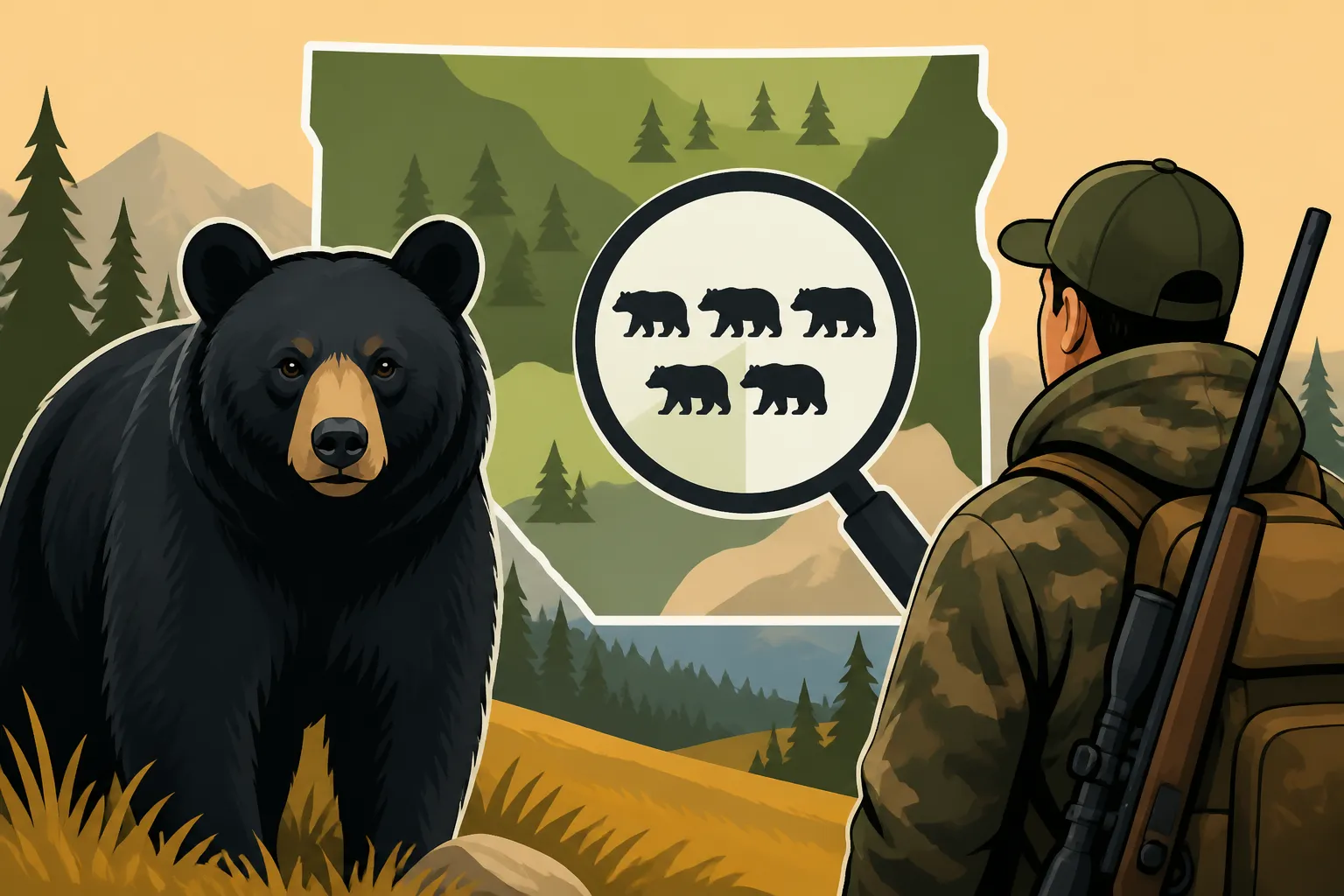
When you see a number like "estimated 10,000 black bears in Wyoming," it's natural to picture every single bear being counted, perhaps like sheep in a pasture. But anyone who has spent time in the backcountry knows how incredibly elusive black bears are. They move through thick timber, over rugged mountains, and across vast landscapes, often far from human eyes. A direct, nose-to-tail count of every black bear in a state the size of Wyoming is simply an impossible task. So, biologists rely on a sophisticated blend of science, technology, and historical data to arrive at these estimates.
These aren't just guesses pulled from thin air; they're educated calculations based on various indicators. Think of it less like counting every grain of sand on a beach and more like estimating the total based on sampling small handfuls from different sections. The goal is to provide the best possible picture of the population's health and trends, which then informs conservation efforts and hunting regulations. Without these estimates, wildlife management would be operating blind, unable to make informed decisions to ensure sustainable populations for future generations of hunters and wildlife enthusiasts.
Why Direct Counting Isn't Feasible for Black Bears
Imagine trying to count every squirrel in your neighborhood, let alone every black bear across millions of acres of varied terrain. Black bears are solitary creatures for much of the year, they're often crepuscular (most active at dawn and dusk), and they inhabit diverse habitats ranging from dense forests to rugged canyonlands. They're masters of concealment, capable of moving silently through heavy cover without leaving much trace. A physical count would require an army of observers, massive technological infrastructure, and an impossible amount of time and money, with no guarantee of accuracy due to the animals' inherent elusiveness and vast ranges.
Furthermore, black bears exhibit varying color phases, from the traditional black to cinnamon, chocolate, and even blonde. This can make visual identification and avoiding double-counting incredibly challenging, especially across a large study area. An individual bear might be seen by different observers and recorded as two separate animals, skewing the data. This highlights why biologists must employ more indirect yet reliable methods to get a true sense of the population.
The Role of Data in Wildlife Management Decisions
Population estimates are the bedrock of responsible wildlife management. They provide the context for setting hunting quotas, determining season lengths, and even identifying areas where conservation efforts might need to be intensified. If an estimate shows a healthy, growing population, it might allow for more hunting opportunities. Conversely, a declining trend could trigger more restrictive seasons or even closures in certain areas. It's a dynamic process, constantly adjusted as new data comes in.
Wildlife agencies, like the Wyoming Game and Fish Department, use these numbers to ensure that hunting remains a sustainable activity, never taking more animals than the population can naturally replenish. This isn't just about hunter success; it's about the long-term health of the ecosystem. Understanding these estimates helps hunters become more informed participants in conservation, realizing that every tag allocation is a direct result of careful scientific study and management philosophy. This is also why services like GoHunt are so valuable, as they compile this information, along with draw odds and harvest data, to help hunters make informed decisions about where and when to apply.
Methods Wyoming Uses to Estimate Black Bear Numbers
Wyoming's wildlife biologists are always working to refine their methods for estimating black bear populations. It's not a one-size-fits-all approach; different techniques provide different pieces of the puzzle, and often, multiple methods are used in conjunction to get the most robust estimate possible. These methods typically fall into categories that involve either direct sampling of individual animals or inferences drawn from hunting harvest data and other observational records.
The challenges are significant. Bears don't stand still for surveys, and their home ranges can be vast. So, instead of trying to literally count every bear, biologists devise clever ways to capture data points that, when analyzed statistically, paint a picture of the overall population size and density in various regions of the state.
Hair Snagging and DNA Analysis
One of the most scientifically rigorous and modern approaches to estimating black bear populations involves hair snagging and DNA analysis. This method capitalizes on the fact that bears are curious and their hair contains unique genetic markers. Biologists set up "hair snares" in areas known to be frequented by bears. These snares typically consist of a barbed wire fence encircling a pile of bait (often a scent lure or food attractant) that encourages bears to climb over or through the wire. As they do, small tufts of hair are snagged.
These hair samples are then meticulously collected, cataloged, and sent to a lab for DNA extraction. Each unique DNA profile represents an individual bear. By repeatedly sampling an area and identifying how many individual bears were "captured" (i.e., had their DNA sampled) over a period, and how many times specific individuals were recaptured, biologists can use statistical mark-recapture models to estimate the total population within that study area. This gives a much more accurate picture than simple observation, as it doesn't rely on actually seeing the bear, just its genetic signature. It's a fascinating blend of field biology and advanced laboratory work, providing invaluable insights into local populations.
Harvest Data and Population Models
Harvest data collected from hunters plays a huge, if indirect, role in population estimation. Every time a hunter successfully harvests a black bear in Wyoming, they are required to report it and often have to present the carcass or specific parts for biological data collection. This includes information like the bear's sex, age (determined by a tooth), weight, and location of harvest. When you bring your bear in to be sealed, all that data isn't just for paperwork; it's critical to the ongoing assessment.
Biologists use this harvest data, coupled with hunter effort (how many hunters pursued bears, how many days they hunted), success rates, and historical trends, to feed into complex population models. These models track births, deaths (both natural and human-caused), and survival rates. If harvest success rates are consistently high despite stable hunter numbers, it might suggest a robust or growing population. Conversely, declining success could indicate a need for closer examination. While not a direct count, this data helps track population trends and adjust management strategies over time, giving a pulse on the health of different black bear populations across the state. The legal harvest data is one of the most consistent and long-term datasets available to game managers.
Challenges and Future Directions in Estimation
Estimating bear populations is fraught with challenges. One of the biggest is the sheer scale of the landscape and the cost associated with large-scale DNA sampling efforts. Another is ensuring that sampling efforts are truly random and representative of the entire population, avoiding biases towards areas with higher bear densities or easier access. Habitat changes, climate fluctuations, and even human-wildlife conflict can also impact local bear numbers and make estimation more complex.
Wyoming biologists are continually exploring new technologies and statistical models. This includes leveraging remote sensing data, refining spatial capture-recapture methods that account for bear movement, and potentially incorporating citizen science data in carefully controlled ways. The goal is always to improve accuracy and efficiency, providing the best possible information to make sound management decisions for Wyoming's black bear resource. The future of black bear estimation will likely involve even more integration of cutting-edge technology to paint an ever-clearer picture of these resilient animals.
What Population Estimates Mean for Your Wyoming Bear Hunt
For the passionate hunter, understanding black bear population estimates isn't just an academic exercise; it directly impacts your hunting opportunities. These numbers dictate the structure of seasons, the availability of licenses, and even the types of bears you might be able to pursue in a given area. It helps contextualize why certain regulations are in place and why some hunt areas might have different opportunities than others.
The Wyoming Game and Fish Department uses these estimates to ensure that hunting is sustainable, striking a balance between providing opportunities for hunters and maintaining healthy, viable bear populations across their range. It's a constant balancing act, influenced by biological data, social factors, and the inherent variability of wild animal populations.
Setting Quotas and Season Lengths
The most direct impact of black bear population estimates on your hunt is in the setting of quotas and season lengths. In areas with robust and growing bear populations, wildlife managers might set higher harvest quotas or offer longer seasons. Conversely, if an estimate shows a population that is stable but needs careful management, quotas might be more conservative, or seasons could be shortened to ensure sustainable harvest levels. Some hunt areas even have female bear harvest quotas, which close the season early if met, to protect breeding females and ensure future generations. When Wyoming's Spring Bear Season Falls and When the Fall Bear Season Opens in Wyoming are directly influenced by these estimates.
These quotas are not arbitrary; they are carefully calculated based on the estimated population size, reproductive rates, and natural mortality factors. This ensures that the overall population remains healthy and can continue to thrive. Hunters might experience different opportunities year to year based on these dynamic assessments, emphasizing the need to check current regulations annually. Platforms like GoHunt often provide historical quota data, which can give hunters a sense of how opportunities have changed over time in specific units.
Impacts on Hunt Area Opportunities
Different hunt areas across Wyoming can have vastly different black bear population dynamics, and thus, different hunting opportunities. An area with prime bear habitat and a high density of bears, perhaps due to abundant food sources or limited human access, might consistently offer more tags and longer seasons. Other areas, perhaps those with less ideal habitat or closer proximity to human development, might have more restrictive regulations to manage smaller populations or mitigate conflict. This is why it's so important to research specific hunt areas when planning your adventure.
Understanding these localized estimates and trends can help you make informed decisions about where to focus your hunting efforts. Some regions, like those with extensive public lands and diverse forests, tend to be more consistent producers. Knowing the general population trends and the specific regulations for each unit can be the difference between a frustrating season and a rewarding one. This information is key whether you're interested in Which Hunt Areas Allow Bear Baiting or prefer to spot and stalk.
The Management of Color Phase Bears and Grizzly Identification
Wyoming is known for its diverse black bear genetics, including a significant number of color phase bears—cinnamon, chocolate, and even blonde. While these are all genetically black bears, their appearance can add to the excitement and challenge of a hunt. Biologists monitor the prevalence of these color phases, but the population estimate itself doesn't typically differentiate between them; all black bears are counted as part of the species total. However, understanding How Common Color Phase Black Bears Are in certain areas can be part of a hunter's specific goal.
A critical aspect of black bear hunting in Wyoming, especially in the western and northwestern parts of the state, is the potential overlap with grizzly bear range. Misidentification can have serious legal consequences, as grizzlies are federally protected. Therefore, population estimates of black bears are often viewed in conjunction with knowledge of grizzly distribution. Biologists and game wardens educate hunters on how to identify the differences between the two species to prevent accidental harvest. It's vital for hunters to be absolutely certain of their target, especially if hunting in areas where grizzlies are present, so knowing Telling a Grizzly From a Black Bear is non-negotiable before you head afield.
| Estimation Method | Data Source | Primary Benefit | Key Challenge |
|---|---|---|---|
| Hair Snagging/DNA | Hair samples from snares | High accuracy for local density, individual ID | Labor-intensive, costly, limited geographic scope |
| Harvest Data | Hunter reports, tooth aging | Long-term trend tracking, broad geographic coverage | Relies on hunter success, can lag real-time changes |
| Sightings/Observations | Public reports, biologist sightings | Real-time indicators of presence, habitat use | Highly subjective, prone to double counting, bias |
| Habitat Modeling | Land cover, food availability | Predicts potential population capacity | Doesn't account for actual animal numbers, only potential |
Factors Influencing Black Bear Populations in Wyoming
Black bear populations are never static; they're constantly shifting in response to a myriad of environmental and human factors. While hunting is a management tool, it's just one piece of a much larger puzzle. Understanding these broader influences helps us appreciate the complexity of wildlife management and the resilience of these animals. It also highlights why population estimates are so vital for long-term conservation.
From the abundance of natural food sources to the impacts of a changing climate, numerous elements play a role in whether black bear numbers increase, decrease, or remain stable across Wyoming's diverse landscapes. These factors are continuously monitored by biologists to adjust management strategies and ensure healthy populations for the future.
Habitat Health and Food Availability
The health and availability of black bear habitat are paramount to their population numbers. Bears need diverse forests and shrublands that provide a consistent supply of food: berries, nuts, acorns, roots, and even insects. Areas with abundant seasonal food sources tend to support higher bear densities and healthier populations. Conversely, drought conditions, wildfires, or widespread disease outbreaks that diminish food crops can directly impact a bear's ability to fatten up for winter, reproduce successfully, and survive.
Beyond food, bears also require secure denning sites, typically in hollow logs, rock crevices, or dense brush. Areas with sufficient cover and minimal disturbance offer safer places for sows to raise cubs. If habitat quality declines, either through human development or natural processes, it can limit the carrying capacity of the land, meaning fewer bears can be supported, regardless of other factors. Spring Bear Closures on Wyoming Public Land in specific areas are often implemented to protect sensitive denning sites and areas where bears are emerging from hibernation, especially sows with young cubs.
Reproduction Rates and Cub Survival
Black bears have a relatively slow reproductive rate compared to some other wildlife species, which makes careful population management even more critical. Sows typically don't have their first litter until they are three to five years old, and then they usually only breed every two to three years. Litter sizes generally range from one to three cubs. The survival of these cubs through their first year is crucial for population growth. Factors like harsh winters, predation, and food scarcity can significantly impact cub mortality.
A healthy population needs a good proportion of breeding-age females and strong cub survival rates. Biologists look closely at the age structure of harvested bears to understand reproductive potential. If too many young females are being harvested, or if cub survival appears low, it's a red flag that the population might struggle to grow or even maintain itself. This data influences management decisions, sometimes leading to more conservative quotas to allow breeding females to mature and contribute to the population.
Human-Wildlife Interactions and Mortality
As human populations expand and outdoor recreation increases, black bears inevitably encounter people more frequently. This interaction can sometimes lead to conflict, particularly if bears become habituated to human food sources, which can result in bears being relocated or, in some cases, euthanized. These mortalities, while often unavoidable, do impact local bear populations and are factored into overall estimates. Education campaigns on proper food storage in bear country, especially in national forests like the Bridger-Teton or Shoshone, are vital to minimize these incidents.
Legal hunting harvest is another significant human-caused mortality factor, but it is a managed one. As discussed, quotas are set to ensure sustainable harvest. Other, unmanaged human impacts include vehicle collisions, which can be a notable cause of mortality in areas with high road density. Understanding the totality of these mortality factors, both natural and human-caused, is essential for truly comprehending the dynamic nature of Wyoming's black bear populations.
Disclaimer
This article is for general informational purposes only and does not constitute professional advice. Laws, prices and regulations vary by location and change over time. Consult a qualified professional for guidance on your specific situation.