The Cottontail Season and Bag Limit
There's nothing quite like a brisk autumn or winter morning in Wyoming, the air crisp and clean, with the promise of a satisfying hunt. While many hunters focus on the big game species that our state is famous for, there's a whole world of opportunity with small game that often gets overlooked. If you've ever felt intimidated by the complexities of big game draws and regulations, or simply want to extend your time afield, cottontail rabbits offer a fantastic, accessible, and often delicious alternative. This guide will walk you through the specifics of Wyoming's cottontail season and bag limits, ensuring you're well-prepared for a successful and enjoyable hunt.
Understanding Wyoming's Cottontail Season
For many, small game hunting, particularly for cottontails, is where the passion for hunting truly begins. It's often less about bagging a trophy and more about the simple pleasure of being outdoors, sharpening your skills, and enjoying the abundance of nature.
Why Cottontail Hunting Matters
Cottontail hunting is an incredible entry point for new hunters, offering ample opportunities to learn firearm safety, tracking, and stalking techniques without the pressure of a limited-draw big game tag. It’s a chance to build confidence and develop a keen eye for subtle signs in the landscape. Beyond the learning curve, it's also a fantastic way to spend time with family and friends, introducing younger generations to the hunting tradition in a low-stakes environment. Plus, let's be honest, fresh cottontail meat, properly prepared, is a truly delicious wild food source that deserves a place on any hunter's table. It’s sustainable, readily available, and a testament to truly living off the land, even if it’s just for a meal or two.
Moreover, in a state like Wyoming, where big game tags can require years of accumulating preference points and substantial financial investment, cottontail hunting provides an accessible way to experience the hunt. It keeps you engaged with the land, helps you learn the terrain, and keeps your hunting instincts sharp during the off-season for larger species. There's a particular satisfaction in understanding the small ecosystems where these rabbits thrive, from the brushy draws to the rocky outcrops, and appreciating their role in the wider landscape. It's a reminder that not every hunt needs to be an epic, week-long backcountry expedition to be rewarding.
General Season Dates for Cottontails
The beauty of cottontail hunting in Wyoming is its long, generous season. Unlike the often narrow windows for deer or elk, cottontails typically enjoy a season that spans from early fall all the way through winter and into early spring. This extended period gives hunters plenty of opportunities to get out, whether it's on a warm autumn afternoon or a crisp, snow-dusted winter morning. You'll find specific dates in the annual Wyoming Game and Fish Department regulations, but generally, you can expect the season to kick off around September 1st and run well into March of the following year. This long window is a blessing for those who can't dedicate specific weeks to hunting or for anyone simply wanting more time afield.
It’s always, always, always a good idea to check the current year’s regulations on the Wyoming Game and Fish Department website or pick up a printed copy from a license vendor. While the general framework remains consistent, specific dates can shift slightly from year to year. You don't want to get caught afield on a technicality! Many hunters enjoy pursuing cottontails during the colder months when snow cover can make tracking easier and highlight their movements against the white backdrop. The long season also means you can combine a cottontail hunt with other small game pursuits, or simply use it as an excuse to scout for big game sign when those seasons roll around. Remember, staying updated on the precise season dates is your responsibility as a hunter.
Deciphering the Cottontail Bag Limit in Wyoming
Understanding bag limits is crucial for ethical and legal hunting. It's not just about compliance; it's about responsible wildlife management and ensuring healthy populations for future generations of hunters. Wyoming has clear guidelines for cottontails that are straightforward once you understand them.
Daily Bag Limit Explained
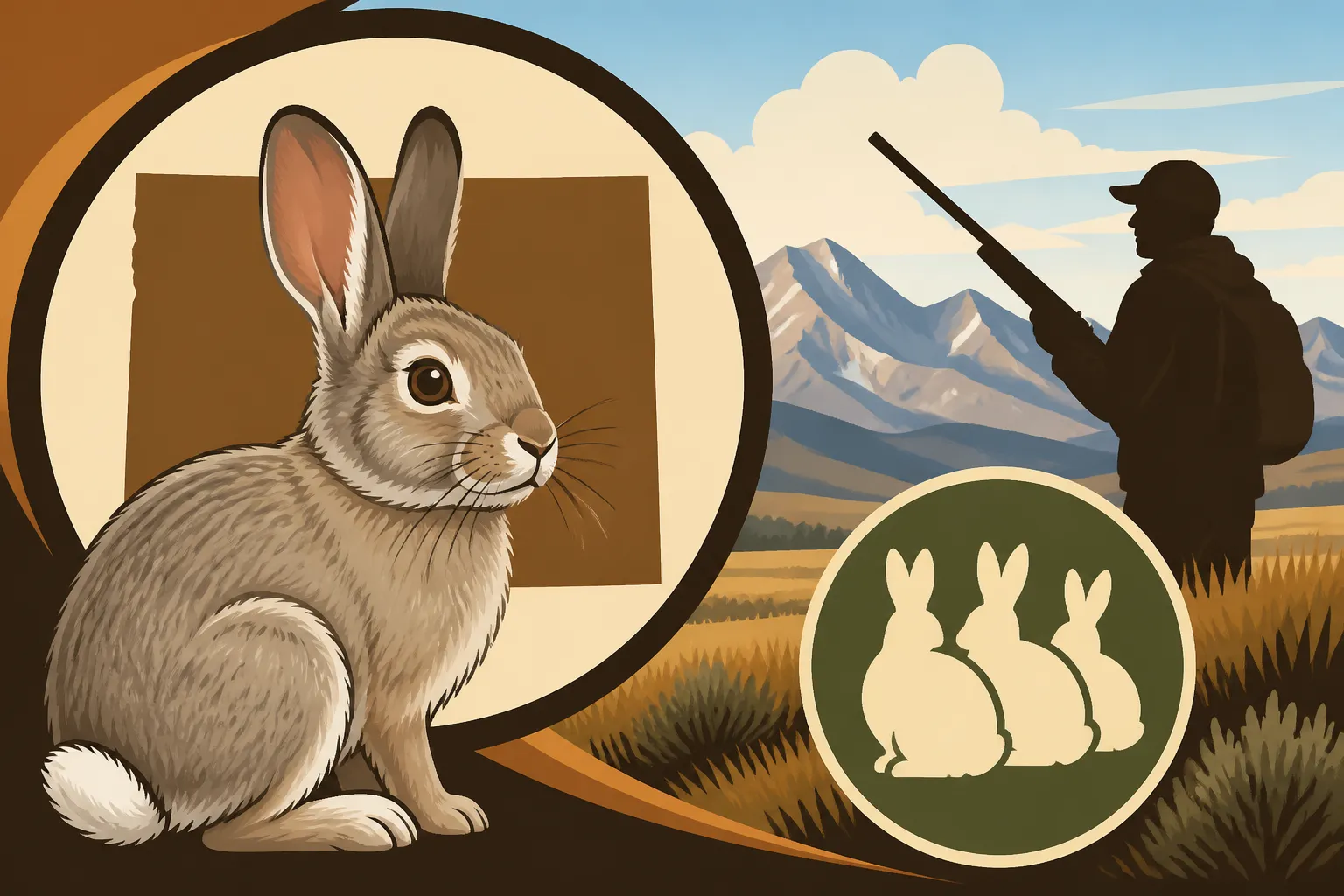
The daily bag limit for cottontail rabbits in Wyoming refers to the maximum number of rabbits you, as an individual hunter, can harvest within a single calendar day. This isn't just a suggestion; it's a hard and fast rule designed to prevent overharvesting and maintain a healthy, viable cottontail population. For cottontails in Wyoming, the daily bag limit is generally ten (10) rabbits. This means that once you’ve successfully harvested ten cottontails in a day, your hunting for that species is done until the next calendar day. It's a generous limit that allows for plenty of action without putting undue pressure on the local populations.
Imagine a scenario: You wake up early, head out to your favorite sagebrush draw, and by mid-morning, you've already bagged seven rabbits. You might be feeling great, but you know you only have three more opportunities before you reach your limit for that day. This encourages you to be mindful of your shots, to ensure quick, clean kills, and to really appreciate each animal you harvest. It’s also a good practice to start thinking about what you'll do with all that meat. Ten rabbits can provide a substantial amount of food, and respecting that resource is part of the hunting ethos. Always double-check the current regulations, but the 10-rabbit daily limit has been a long-standing guideline in Wyoming for cottontails.
Possession Limit: What You Can Take Home
Beyond the daily bag limit, Wyoming also sets a possession limit. This is often where new hunters get confused. The possession limit refers to the total number of harvested animals you can have in your possession at any given time, regardless of how many days it took you to harvest them. This includes animals in your cooler, in your vehicle, at your camp, or back home in your freezer before they are consumed or processed. For Wyoming cottontails, the possession limit is typically twenty (20) rabbits, which is double the daily bag limit.
Let's say you hunted on a Saturday and harvested your daily limit of ten cottontails. You head home, put them in the freezer, and decide to go out again on Sunday. On Sunday, you harvest another five rabbits. At that point, you have ten from Saturday and five from Sunday, totaling fifteen. You are still within the possession limit of twenty. However, if you harvested another ten on Sunday, bringing your total to twenty, and then decided to go out for a third day, you would need to process or consume some of those rabbits before harvesting more. The possession limit ensures that hunters aren’t stockpiling an excessive number of animals and that the resource is managed thoughtfully over time. It promotes responsible handling of game meat and encourages hunters to use what they harvest. Again, the specific number is subject to change, so always verify with the current regulations.
Here's a quick summary for clarity:
| Category | Limit (Typically) | Explanation |
|---|---|---|
| Daily Bag Limit | 10 Cottontails | The maximum number of cottontail rabbits an individual hunter may harvest within a single calendar day. |
| Possession Limit | 20 Cottontails | The maximum number of harvested cottontail rabbits an individual hunter may have in their possession at any given time, including at home or in transit. |
Essential Gear and Tactics for Wyoming Cottontails
While cottontails might be "small game," approaching the hunt with the right gear and a smart strategy will greatly increase your success and enjoyment. It's not about being over-equipped, but being appropriately prepared for the conditions and the quarry.
Recommended Firearms and Ammunition
When it comes to cottontails, you generally don't need heavy artillery. The most popular and effective firearm choice is often a .22 caliber rimfire rifle. A .22 Long Rifle with solid point ammunition is usually more than sufficient for cottontails, providing accurate shots at typical hunting distances while minimizing meat damage. The low recoil and relatively quiet report also make it an excellent choice for new or younger hunters. When using a .22, shot placement is key—aim for the head or front shoulder to ensure a clean kill and preserve the delicious hindquarters.
Some hunters prefer a shotgun, especially if they're pushing brushy areas or hunting with dogs. A 20-gauge or even a .410 shotgun loaded with small shot (like #6 or #7.5) can be highly effective in dense cover where quick, close-range shots are the norm. The wider pattern increases your chances of connecting, though it can result in more pellet damage to the meat if not careful. For those who enjoy a challenge, air rifles are also gaining popularity for small game, offering a quiet and precise hunting experience in areas where firearm discharge might be restricted, or simply for the pure sport of it. No matter your choice, ensure your firearm is clean, properly sighted in, and that you are familiar with its safe operation. For checking regulations and public land access, resources like GoHunt often have maps that show areas where different firearm types might be restricted.
Proven Hunting Tactics for Success
Hunting cottontails isn't usually about sitting in a blind for hours. It's an active, engaging pursuit that often involves a fair amount of walking and observation. One of the most common and effective tactics is still hunting: slowly walking through likely habitat, pausing frequently to scan for movement or the tell-tale shape of a rabbit tucked against cover. Cottontails are masters of camouflage, so patience and a keen eye are paramount. Focus on areas with dense cover next to open spaces, like brush lines along a creek bed or the edge of a rock pile.
Another productive method is to "push" brushy areas. This can be done solo, by slowly working through thickets, or with a partner or even a well-trained dog. When pushing, rabbits will often bolt from cover, offering a fast-paced, challenging shot. This is where a shotgun can really shine. Consider the wind direction; rabbits often prefer to hole up on the leeward side of hills or thickets to avoid cold drafts. You can also target water sources, especially in drier areas, as rabbits will often concentrate near these vital spots. Mapping tools from services like GoHunt can help you identify potential water sources and dense cover from above, making your ground-level scouting more efficient. Remember to move slowly and deliberately, using natural terrain features for cover, and always be ready for a sudden flush. This active style of hunting is fantastic for getting some exercise and truly immersing yourself in the landscape.
What to Look for in Cottontail Habitat
Cottontails are masters of adaptation and can be found in a surprising variety of habitats across Wyoming, but they generally prefer areas that offer a good combination of food, water, and dense cover for escape from predators. Think about places where they can quickly disappear if danger approaches. You'll often find them in areas with mixed sagebrush and rocky outcrops, especially along washes or dry creek beds that provide natural shelter and pathways. The edges of agricultural fields, particularly those with fencerows overgrown with weeds and brush, are also prime spots.
Don't overlook riparian areas—those green strips of vegetation along rivers, streams, and irrigation ditches. These areas often provide a consistent water source and lush vegetation for food, along with dense willow thickets or cottonwood stands for cover. Abandoned homesteads, old farm equipment, and even rock piles or old foundations can create ideal habitat, offering nooks and crannies for rabbits to hide. In short, look for "edge" habitats where different types of cover meet, or where dense vegetation borders more open foraging areas. Understanding their preferred habitat will save you a lot of walking and increase your chances of finding concentrations of rabbits. Finding Water Sources in Dry Hunting Country can be just as crucial for cottontails as it is for big game.
Regulations Beyond Season and Bag Limits
While the season dates and bag limits are foundational, there are other important regulations every Wyoming cottontail hunter needs to be aware of. These rules ensure ethical hunting practices, promote safety, and protect the overall hunting experience for everyone.
Hunter Education and Licensing for Small Game
Before you even think about heading afield for cottontails, you need to make sure you're legally able to hunt in Wyoming. This means having the proper license and, for most, completing a hunter education course. In Wyoming, if you were born after January 1, 1965, you are required to complete a hunter education course before you can purchase a hunting license. This isn't just a hoop to jump through; it's a vital program that teaches firearm safety, wildlife identification, hunting ethics, and responsible field practices. Even if you're an experienced shooter, the course covers important aspects of conservation and local regulations. Anyone Born After 1965 Needs Wyoming Hunter Education is a crucial piece of information for many hunters.
Once hunter education is squared away, you'll need to purchase a Wyoming small game hunting license. This license covers all small game species, including cottontails, snowshoe hares, squirrels, and various game birds. Non-residents, of course, will pay a different fee than residents, but the small game license is generally quite affordable compared to big game tags. Remember to carry proof of your hunter education and your valid license with you whenever you are hunting. Getting caught without it can lead to fines and spoil your day afield. You can find more information on costs and types of licenses on the Wyoming Game and Fish website, or even using a platform like GoHunt to guide you to the correct licensing information. Wyoming Resident License Prices by Species outlines general costs.
Land Access and Respecting Private Property
Wyoming is famous for its vast expanses of public land, but it's also a state with a significant amount of private property. Knowing where you can legally hunt is paramount. Always, and I mean always, verify land ownership before you step foot on any ground. Tools like GPS mapping apps, such as those offered by GoHunt, with public and private land layers, are invaluable for this. They can prevent an accidental trespass, which can lead to serious legal issues and tarnish the image of all hunters.
On public land managed by the Bureau of Land Management (BLM) or the Forest Service, cottontail hunting is generally permitted where not otherwise closed to hunting. However, even on public land, there can be specific restrictions, such as seasonal closures for wintering big game or within certain wildlife habitat management areas. For state lands (State Trust Lands), hunting is often allowed, but you might need to acquire a specific land use permit from the Office of State Lands and Investments, depending on the area and specific activity. Wyoming State Trust Land Hunting provides more detail on this. If you intend to hunt on private land, you must obtain permission from the landowner before you enter their property. This isn't just good manners; it's the law. A simple phone call or in-person visit can often open up fantastic hunting opportunities and build good relationships between landowners and hunters. Many hunters overlook Walk-In Hunting Areas Need No Permission Slip or Hunter Management Areas Do Need One which are programs designed to open private ground to public access, often for small game.
Safety Considerations in the Field
Small game hunting might seem less risky than big game, but safety should still be your absolute top priority. The fundamental rules of firearm safety apply without exception: treat every firearm as if it's loaded, always keep the muzzle pointed in a safe direction, keep your finger off the trigger until you're ready to shoot, and be sure of your target and what's beyond it. When hunting cottontails, especially in brushy areas, it's easy for your target to blend in, or for a hunting partner to move into your line of fire. Communication with hunting partners is critical.
Beyond firearms, consider the environmental conditions. Wyoming weather can change on a dime, especially in the fall and winter. Dress in layers, carry enough water, and be prepared for sudden drops in temperature, wind, or snow. A small first-aid kit, a knife, and a way to communicate (like a cell phone or satellite device in remote areas) are always wise additions to your pack. If you're hunting with a dog, ensure it's wearing blaze orange and is well-trained to avoid disturbing other wildlife or venturing onto private property. Always let someone know where you're going and when you expect to return. Being safe means being prepared for anything the Wyoming wild throws your way.
Disclaimer
This article is for general informational purposes only and does not constitute professional advice. Laws, prices and regulations vary by location and change over time. Consult a qualified professional for guidance on your specific situation.