Which Hunt Areas Allow Bear Baiting
For many hunters, the idea of baiting for black bears conjures images of strategic planning, patient waiting, and a deep understanding of bear behavior. However, the rules around bear baiting are not universal, and trying to decipher which areas in Wyoming actually allow it can feel like navigating a legal minefield. This guide is here to clarify exactly where and how bear baiting is permitted in the Cowboy State, helping you plan your next hunt with confidence and within the bounds of the law.
Understanding Wyoming's Bear Baiting Regulations
Wyoming's approach to black bear hunting, especially concerning baiting, is pretty specific. It's not a free-for-all, and it’s certainly not allowed everywhere. The rules are designed to manage bear populations, ensure fair chase, and address public safety concerns, so it's critical to understand them before you even think about putting out a scent attractant.
Why Baiting Rules Exist
When you look at wildlife regulations, they aren't just arbitrary lines drawn on a map. There's usually a good reason behind them, often rooted in conservation, public safety, or historical management practices. For bear baiting, it's a mix. In some areas, it’s a tool for managing bear numbers effectively, particularly in places with higher populations or where bears might conflict with human activities. On the flip side, outright banning it in other areas helps maintain a certain "fair chase" ethic or reduces potential conflicts with other outdoor enthusiasts who might stumble upon a bait site. It also plays a role in managing potential disease transmission or habituation of bears to human food sources, which can become a serious problem for both bears and people.
The General Statewide Rule
Here's the crucial point that often trips people up: for most big game species in Wyoming, baiting is strictly prohibited. You cannot, for example, put out a pile of apples to attract a mule deer or a mineral block for an elk and legally hunt over it. That's a pretty clear line in the sand. However, black bears are a distinct exception to this general rule. While they are considered big game, the Wyoming Game and Fish Department has carved out specific provisions for black bear baiting. This isn't just a small loophole; it's a deliberate management strategy in certain designated areas, recognizing the unique challenges and opportunities that black bear hunting presents. So, if you're ever wondering about baiting for deer or antelope, the answer is a resounding no, but for black bears, it depends entirely on where you are.
The Specific Bear Baiting Zones
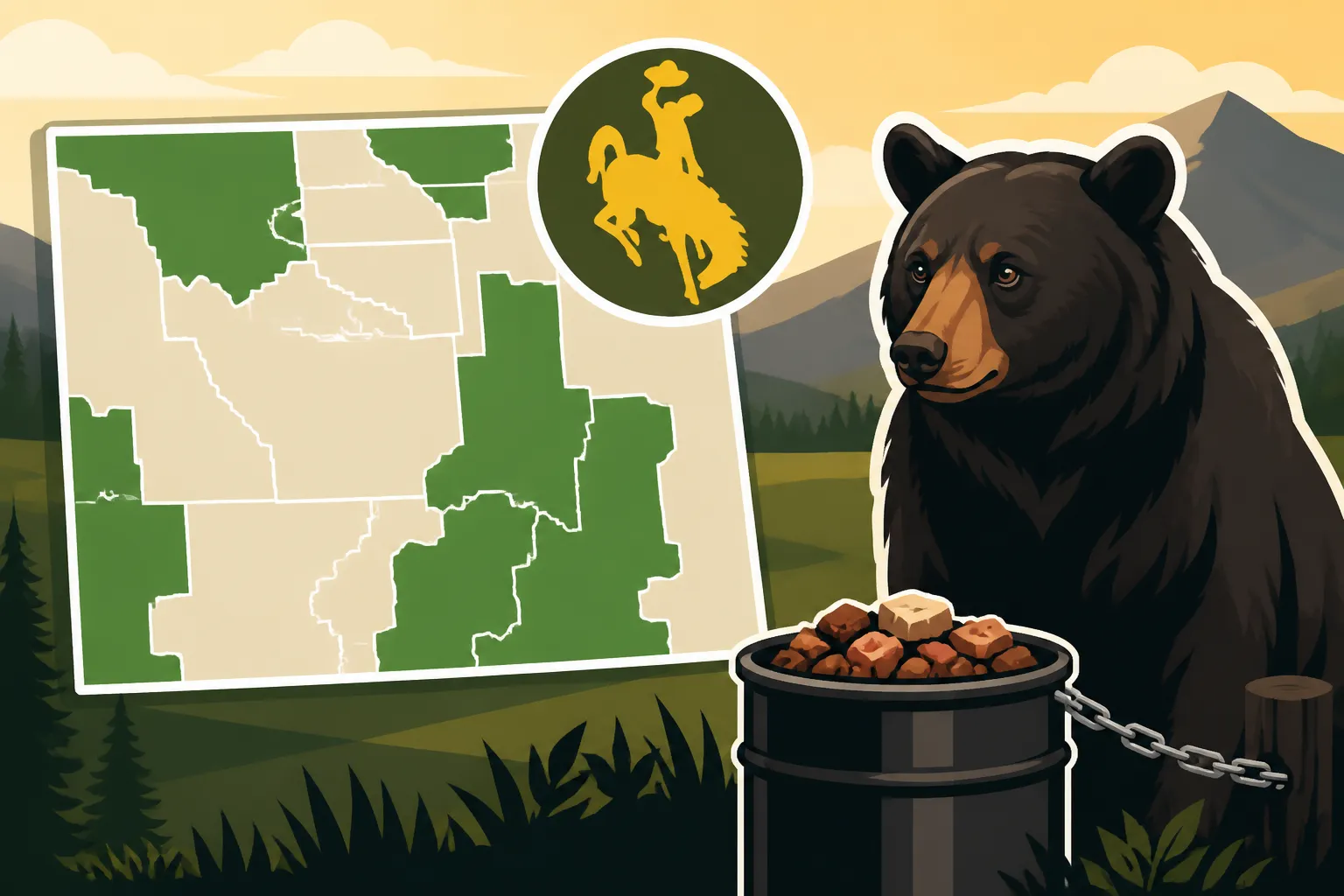
Now, for the heart of the matter: where can you actually bait black bears in Wyoming? It's not statewide. The Wyoming Game and Fish Department designates specific Black Bear Hunt Areas where baiting is explicitly allowed. These areas are generally found in the forested regions of the state, where black bear populations are more robust and habitat allows for such practices without undue public safety risks.
You'll typically find these designated baiting areas within or adjacent to the National Forests, such as the Shoshone, Bighorn, and Medicine Bow. These are vast expanses of timber, rugged terrain, and dense cover that provide excellent bear habitat and allow for effective baiting strategies. It's important to remember that these are specific hunt area numbers, not just broad regions. For instance, some sections of the Shoshone National Forest Hunting in Wyoming might allow baiting, while others do not. You absolutely must check the current year's hunting regulations booklet or the official Wyoming Game and Fish website for the definitive list of legal bear baiting areas. This information is updated annually, and what was open last year might be closed this year, or vice-versa. You can often use mapping tools like those found on GoHunt to overlay these hunt area boundaries with public land designations to get a clear picture of where you can legally set up a bait site.
A few examples of areas that have historically allowed black bear baiting include certain hunt areas within the Bighorn National Forest, some parts of the Shoshone National Forest in northwest Wyoming, and portions of the Medicine Bow-Routt National Forest. However, these are just general examples, and the specific hunt area numbers are what truly matter. Always double-check the current regulations before making any plans. Ignoring the specific hunt area boundaries can lead to serious legal trouble, as baiting outside of these designated zones is a clear violation of state hunting laws.
Navigating the Designated Bear Baiting Areas
Once you've identified a general area that allows bear baiting, the real work begins. It's not enough to simply know it's "allowed." You need to understand the nuances of how to operate within these zones, from finding the right spot to getting the necessary permits and adhering to all the specific regulations.
Finding the Right Hunt Area
The first step, after confirming that baiting is indeed permitted in a particular Black Bear Hunt Area, is to truly understand its boundaries. This sounds obvious, but you'd be surprised how many hunters get into trouble by misreading a map or assuming a general area. The Wyoming Game and Fish Department publishes detailed hunt area maps online and in their annual regulations booklet. These maps are your best friend. They clearly delineate the boundaries of each hunt area, often overlaying them with major roads, rivers, and sometimes even land ownership.
When you're looking at a map, pay close attention to the specific numbers for bear hunt areas. You might find that Bear Hunt Area 10, for example, allows baiting, but the adjacent Area 11 does not. Utilize online mapping resources, such as those provided by GoHunt or directly from the state game and fish, which allow you to zoom in and out, switch between different land layers (public, private, tribal), and even mark potential bait locations. This pre-scouting from your kitchen table is invaluable. It helps you identify access points, locate potential bedding areas or travel corridors for bears, and avoid accidentally setting up on private land where baiting might be prohibited even if the hunt area allows it on public ground. Remember, just because an area permits baiting doesn't mean all land within that area does, especially if private landowners have their own restrictions.
Permit Requirements and Application
Even within the legal baiting areas, you can't just toss out a bucket of goodies and set up a stand. Wyoming requires hunters to obtain a Black Bear Baiting Permit in addition to their regular black bear hunting license. This isn't just a formality; it's a critical part of the state's management strategy for baited bear hunts.
The application process for a baiting permit typically involves submitting an application to the Wyoming Game and Fish Department, often specifying the hunt area where you intend to bait. These permits are usually issued on a first-come, first-served basis or through a lottery system in highly sought-after areas, and there might be a limit to how many bait sites are allowed per hunt area or per hunter. You'll need to know the specific dates for applying and receiving these permits, as they often coincide with or follow the general black bear license application periods. Each permit will usually have a unique number and specific regulations tied to it, which you are legally obligated to follow. Don't assume anything; always consult the most current regulations for the precise application process, deadlines, and any associated fees. This is where a resource like GoHunt can again be helpful, as they often compile and simplify these application timelines for various species and permits.
Specific Baiting Rules Within Zones
Once you have your license and baiting permit, you're not entirely in the clear yet. There are very specific rules governing the placement and maintenance of bait sites, even in legal areas. These rules are designed to ensure ethical hunting, minimize environmental impact, and maintain public safety.
Here's a breakdown of common regulations you'll encounter:
- Bait Content: What you can use as bait is usually regulated. Generally, non-toxic, biodegradable food products are allowed. This typically includes things like pastries, dog food, grains, or even meat scraps (though meat can attract other predators). You absolutely cannot use anything that is poisonous, contains metal, glass, or other harmful non-food items. It's also often illegal to use parts of game animals from the current hunting season. Always check the current regulations for a definitive list of approved and prohibited bait materials.
- Placement Restrictions: There are strict rules on where you can place your bait. Baits are usually required to be a certain distance from public roads, established trails, designated campgrounds, and sometimes even water sources. This is to reduce human-bear encounters in high-traffic areas and maintain the wild integrity of the landscape. For example, a common rule might be that a bait site must be at least 200 yards from a public road or trail. Some areas might also have restrictions on how close a bait can be to another existing bait site, or to certain types of private land.
- Active Dates: Your bait site can only be active during specific periods. This means you can't just set it up months in advance. There will be an opening date for when baits can be established and a closing date by which all bait and related materials must be removed from the field. These dates are crucial and align with the bear hunting seasons. Knowing When Wyoming's Spring Bear Season Falls or When the Fall Bear Season Opens in Wyoming is essential, as baiting activities are strictly tied to these periods.
- Signage: You will almost certainly be required to prominently post a sign at your bait site, clearly visible to anyone who might approach. This sign typically needs to include your name, contact information, and your bear baiting permit number. This serves multiple purposes: it informs other outdoor users of the presence of a bait site, helps enforce the rules, and allows authorities to identify the responsible party if there's an issue.
- Removal of Materials: This is a non-negotiable rule. At the end of the baiting season (or when you stop hunting over that site), every single piece of bait, bait container, tree stand, blind, or other equipment must be completely removed from the field. Leaving trash or abandoned equipment is a violation and can lead to fines and loss of hunting privileges. Responsible hunters leave no trace.
- Attendance Requirements: Some regulations might dictate how frequently you need to check your bait site or whether you need to be actively hunting in the vicinity. This varies, but the general idea is to ensure the bait site is being managed responsibly.
Carefully review the annual Wyoming Game and Fish regulations for black bear hunting. They are the final word and will provide all the specific distances, dates, and requirements for the current season.
| Regulation Aspect | General Rule for Bear Baiting Areas (Check Current Regs) | Why it Matters |
|---|---|---|
| Bait Content | Non-toxic, biodegradable food only (e.g., pastries, dog food, corn, meat scraps). No metals, glass, plastics, or poisons. | Prevents harm to bears, other wildlife, and the environment. |
| Placement | Minimum distance from roads (e.g., 200 yards), trails, campgrounds, private property. | Reduces human-bear conflicts; maintains safety and experience for other recreationists. |
| Active Dates | Only during designated baiting periods, typically tied to the spring or fall bear seasons. | Aligns with hunting seasons; prevents year-round bear habituation. |
| Signage | Required: visible sign with hunter name, contact, and permit number. | Public safety; accountability; informs others of active bait site. |
| Removal | All bait and equipment must be removed by specified date. | Prevents littering, wildlife habituation, and hazards post-season. |
| Permit | A specific "Black Bear Baiting Permit" is required in addition to a hunting license. | State management and control over baiting activities. |
Disclaimer: This table provides general examples. Always consult the official, current Wyoming Game and Fish Department regulations for precise and up-to-date requirements.
Planning Your Baited Bear Hunt in Wyoming
A successful baited bear hunt involves more than just knowing where you can put out bait. It requires careful planning, understanding bear behavior, and a commitment to ethical practices. Let's dive into some practical considerations once you've secured your permits and confirmed your legal baiting area.
Timing Your Bait Setup
Black bears are creatures of habit, but their habits are deeply tied to the seasons and food availability. In Wyoming, you typically have both a spring and a fall bear season, and the effectiveness of baiting can differ significantly between them.
- Spring Season: This is often a popular time for baiting. Bears are emerging from hibernation, hungry, and actively seeking food sources after a long winter. Natural food sources can still be scarce, making a well-placed bait highly attractive. You'll want to get your baits out as soon as legally permitted, giving bears time to find them and establish a pattern of visiting. The spring window often aligns with When Wyoming's Spring Bear Season Falls. Be mindful of late-season snows and access challenges, especially in mountainous regions. You need to be able to access your site consistently to keep the bait fresh.
- Fall Season: Baiting in the fall can also be effective, but you're competing with a much wider array of natural foods, such as berries, acorns, and other mast crops. Bears are in hyperphagia, trying to pack on weight for the upcoming hibernation. This means they're eating a lot, but they might be less reliant on a single bait site if the natural forage is abundant. Fall baiting typically starts closer to When the Fall Bear Season Opens in Wyoming and might require more consistent and varied bait to keep their interest. Bears can also become more nocturnal on bait sites as natural food becomes plentiful and hunting pressure increases.
No matter the season, consistency is key. Bears learn quickly where an easy meal can be found. Irregularly baited sites often get passed over for more reliable food sources.
Choosing and Maintaining Your Bait Site
Setting up a successful bait site is an art and a science. It's about finding that sweet spot where bears feel comfortable, but you also have good hunting opportunities.
- Scouting for Bear Sign: Before you ever carry in your first bucket of bait, you need to scout. Look for bear scat, tracks, rubbed trees, and overturned rocks or logs. These are indicators of bear activity in the area. Focus on areas near dense cover, water sources, and potential bedding sites. Ridges, draws, and natural funnels can be great places to intercept bears as they travel. This is where your pre-season e-scouting with tools like GoHunt, combined with boots-on-the-ground scouting, really pays off.
- Site Selection: Pick a site that offers good visibility from your stand or blind, but also provides escape cover for the bear. Consider prevailing wind directions to ensure your scent isn't blowing directly into the bait area, spooking incoming bears. Position your stand or blind to allow for a clear, ethical shot. Ensure the background is safe, especially if you're hunting with a firearm. Remember, even though What Wyoming Counts as a Legal Firearm for Big Game provides options, you need to be confident in your shot placement.
- Bait Containers: Many hunters use barrels, culverts, or sturdy log cribs to contain the bait. This prevents other scavengers (like coyotes or ravens) from cleaning it out too quickly and forces the bear to work for it, keeping them at the site longer. It also helps manage the bait and keeps it from scattering too widely. Secure your containers to trees to prevent bears from dragging them off.
- Consistent Baiting: Once you start, you need to be consistent. Visit your bait site every few days (or as often as regulations allow and your schedule permits) to replenish the bait. Use trail cameras (if legal in your specific hunt area) to monitor activity and learn when bears are visiting. This intel will help you time your hunts. Don't let your bait run out completely; that's a quick way to lose a bear's interest.
Safety Considerations in Bear Country
Hunting black bears, especially over bait, means you're intentionally spending time in areas where bears are active. Safety is paramount. While black bears are generally less aggressive than grizzlies, they are powerful wild animals, and caution is always warranted.
- Bear Spray: Always carry bear spray, know how to use it, and have it readily accessible. It's a non-lethal deterrent that can prevent dangerous encounters. Even though you are hunting Wyoming Black Bear Runs Spring and Fall, you must be acutely aware of Color Phase Bears and Grizzly Identification, as grizzlies are present in some areas of Wyoming and are federally protected. Mistaking a grizzly for a black bear can have severe legal consequences and safety implications.
- Making Noise: When approaching or leaving your bait site, make noise. Talk loudly, clap your hands, or sing. This alerts any bears in the vicinity to your presence and gives them a chance to move off before you surprise them. Surprising a bear, especially one that's on a bait site, can lead to defensive behaviors.
- Awareness: Always be aware of your surroundings. Look for fresh tracks, scat, or disturbed vegetation. Scan the area frequently, not just at the bait. When you're in your stand or blind, remain vigilant.
- Food Storage: If you're camping near your bait site, follow strict bear-safe food storage practices. Keep all food, scented items, and trash in bear-resistant containers, hung from a tree, or secured in your vehicle. Don't bring food into your tent. Your camp should be distinctly separate from your bait site.
- Hunting with a Partner: If possible, hunt with a partner, especially when checking bait or retrieving a bear. Two sets of eyes and ears are always better than one. This also helps with the heavy work of The Bear Meat Salvage Requirement Explained.
Beyond the Bait – Other Considerations for Bear Hunters
While baiting is a specific technique, it's just one piece of the larger black bear hunting puzzle in Wyoming. There are other important regulations and ethical considerations every hunter needs to understand for a successful and legal hunt.
Bear Seasons and Tagging
Wyoming typically offers both spring and fall black bear seasons. The specific dates can vary significantly by hunt area, so once again, consulting the annual regulations is non-negotiable. Wyoming Black Bear Runs Spring and Fall covers the general concept, but the exact opening and closing dates for your chosen hunt area are critical for planning.
After you harvest a bear, the tagging requirements are immediate and strict. You must validate your license and attach the tag to the carcass as soon as possible, often before moving the animal from the kill site. Additionally, there's a mandatory inspection and sealing requirement for all harvested black bears. This means you have to present the skull and hide, with evidence of sex naturally attached, to a Wyoming Game and Fish Department official within a specified timeframe (usually a few days) after harvest. This inspection serves several purposes: it allows biologists to collect important data on bear populations, ensures legal harvest, and helps confirm the species (ensuring it's not a grizzly). Failing to report and seal your bear can result in serious penalties.
Identifying Black Bear vs. Grizzly Bear
This is perhaps one of the most critical aspects of bear hunting in Wyoming, especially in regions where black bears and grizzly bears overlap. Grizzly bears are federally protected, and it is illegal to shoot one. Mistaking a grizzly for a black bear can lead to severe legal consequences, including substantial fines and jail time.
While general rules of thumb exist (e.g., grizzlies often have a shoulder hump, a dished-in face, and smaller ears relative to their head size), color is NOT a reliable indicator. Black bears can be black, brown, cinnamon (which can be hard to differentiate from a grizzly, as discussed in Identifying a Cinnamon Bear in the Field), or even blonde. Grizzlies can also be various shades of brown.
Key identification features to look for include:
- Shoulder Hump: Grizzlies usually have a distinct, muscular shoulder hump that is absent or much less pronounced on black bears.
- Facial Profile: Grizzlies typically have a "dished" or concave profile from their forehead to their nose, while black bears often have a straighter, "Roman nose" profile.
- Ears: Black bears generally have larger, more prominent ears relative to their head size, while grizzly ears appear smaller and more rounded.
- Claws: Grizzly claws are typically longer and straighter, designed for digging, whereas black bear claws are shorter and more curved, suited for climbing. (This is often difficult to assess in the field).
Always take the time to positively identify your bear before you pull the trigger. If there is any doubt, do not shoot. This is a non-negotiable safety and legal principle. Resources like Telling a Grizzly From a Black Bear can offer more detailed visual guides.
Ethical Hunting Practices and Responsibilities
Hunting black bears, whether over bait or through other methods, comes with a deep responsibility to uphold ethical hunting practices. This means striving for clean, humane kills, respecting the animals, and adhering to all regulations.
- Shot Placement: Practice extensively with your chosen weapon to ensure you can make an ethical shot under hunting conditions. Bears are incredibly tough animals, and a poorly placed shot can lead to a long, difficult tracking job and potential suffering. Aim for the vital organs (lungs and heart).
- Meat Salvage: In Wyoming, it is generally required to salvage all edible portions of game meat. For bears, this means removing the four quarters, backstraps, and other substantial parts. The Bear Meat Salvage Requirement Explained goes into more detail, but wanton waste is a serious offense.
- Respecting Wildlife and Habitat: Beyond the regulations, it's about being a good steward of the land. Clean up all your baiting materials, remove any trash, and leave the wilderness as you found it. Minimize your impact on the environment.
- Continuous Learning: The rules and best practices can evolve. Stay informed by regularly checking the Wyoming Game and Fish Department website, engaging with other experienced hunters, and using reliable resources like GoHunt to deepen your knowledge of bear behavior and habitat.
By understanding these regulations and committing to ethical practices, you can enjoy a challenging and rewarding black bear hunt in Wyoming while ensuring the continued health of the bear population and the integrity of the hunting tradition.
Disclaimer
This article is for general informational purposes only and does not constitute professional advice. Laws, prices and regulations vary by location and change over time. Consult a qualified professional for guidance on your specific situation.