How Common Color Phase Black Bears Are
It’s easy to picture a black bear as, well, black. Most of us have that image ingrained, whether from cartoons, nature documentaries, or even previous hunting experiences. But step into the wilds of Wyoming, and you'll quickly realize that the "black" in "black bear" is often more of a species name than a color description. Many hunters are surprised to learn just how common color phase black bears truly are out here, sporting coats that range from rich chocolate to shimmering blonde. This guide will dive deep into why Wyoming is such a hotspot for these beautiful variations, how to identify them, and what it means for your hunting strategy.
Beyond the "Black" in Black Bear: Understanding Color Phases
When we talk about "black bears," we're referring to Ursus americanus, a species found across North America. The common name suggests a uniform dark coat, but the reality, especially in the western states like Wyoming, is a dazzling array of colors that can sometimes make identification a real head-scratcher. It’s a fascinating aspect of nature that adds an extra layer of excitement and challenge to bear hunting.
The Genetics Behind the Shade
The varied coloration in black bears isn't about diet or sun exposure; it's all in their genes. Just like humans have different hair and eye colors, individual bears carry different genetic markers that dictate the pigment of their fur. A recessive gene is responsible for diluting the typical black pigment, leading to lighter shades. This isn't a flaw or a mutation, but a perfectly natural genetic variation that has been present in bear populations for a very long time.
Think of it like a family trait. If both parent bears carry the gene for a lighter color, even if they themselves are black, their cubs have a chance of being born with a brown, cinnamon, or even blonde coat. This genetic lottery contributes significantly to the visual diversity we see in Wyoming's bear populations, making every sighting a unique experience. Understanding this genetic basis helps demystify why you might see a black sow with blonde cubs, or vice-versa, all within the same family group.
A Spectrum of Stunning Hues
The term "color phase" encompasses a wide range of shades beyond the standard black. While "cinnamon" might be the most well-known, these bears can also appear as chocolate, light brown, blonde, or even a deep reddish hue. Some bears might have coats that appear almost grizzled, with lighter tips on their fur, giving them a frosted look. It's a true spectrum, and sometimes, the color can even vary on a single bear, with lighter flanks and a darker back.
Imagine spotting a bear in the dappled sunlight of a Wyoming forest. What initially looks like a dark shadow might, upon closer inspection, reveal itself to be a rich mahogany or a light, sandy blonde. These variations are not only beautiful but also serve as a reminder of the incredible biodiversity within a single species. The intensity and exact shade can change based on the season, the bear's age, and even whether its fur is wet or dry, adding to the complexity of accurate identification in the field.
Wyoming's Unique Environment for Color Phase Bears
Wyoming stands out as a prime location for encountering color phase black bears. This isn't by accident; a combination of specific environmental factors, habitat characteristics, and the inherent genetic makeup of the state's bear populations contributes to this vibrant display of ursine diversity. Understanding these elements can give you a better idea of where and why these bears are so prevalent.
Habitat and Regional Factors
Wyoming's vast and varied landscape, from dense conifer forests in the mountains to sprawling sagebrush steppe at lower elevations, provides a mosaic of habitats for black bears. While black bears are adaptable, certain environments, particularly the drier, more open forests and mountain ranges in the western part of the state, seem to correlate with a higher incidence of lighter-colored bears. It's hypothesized that in some environments, lighter coats might offer a slight thermal advantage, helping bears regulate their body temperature in sunnier conditions, or perhaps even offer camouflage in areas with lighter-colored rocks or sparse timber.
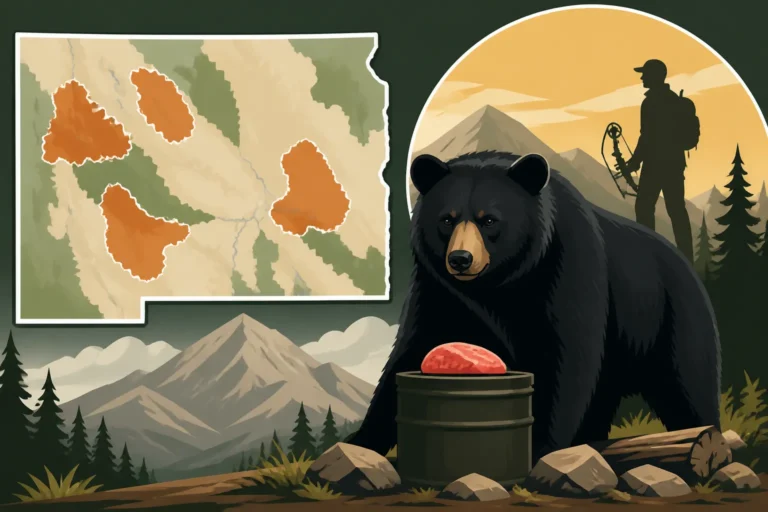
Regions like the Bighorn Mountains, the Absaroka Range, and the Shoshone National Forest Hunting in Northwest Wyoming are particularly renowned for their color phase populations. These areas often feature a mix of timber, open slopes, and rocky terrain, creating diverse niches. For hunters planning their trips, knowing these regional tendencies can be a key piece of information. When you look at The Black Bear Population Estimate Explained, you see that Wyoming supports a healthy and widespread bear population, which naturally increases the odds of encountering these genetic variations.
Genetic Diversity in Wyoming's Bear Population
The sheer genetic diversity within Wyoming's black bear population is a primary driver of the prevalence of color phases. Unlike some isolated populations that might have a more uniform genetic pool, Wyoming's bears benefit from a broad genetic exchange across various hunt areas. This robust gene flow helps to maintain and even increase the frequency of those recessive genes responsible for lighter coats. Think of it as a healthy genetic mixing pot, continually producing new combinations of traits.
Historically, black bears in the western US have shown a higher propensity for color variations compared to their eastern counterparts. This deep-seated genetic predisposition, coupled with a healthy and stable population, means that the genes for cinnamon, blonde, and chocolate coats are simply more common here. The result is a genuinely exciting hunting experience where you never quite know what magnificent creature might step out of the timber. This genetic richness is something that makes bear hunting in Wyoming particularly appealing to those hoping for a unique trophy.
Spotting the Spectrum: Identifying Color Phase Bears in the Field
The challenge and excitement of hunting color phase black bears often come down to proper identification in the field. It’s not always as straightforward as you might think, especially when you consider factors like lighting, distance, and the critical need to distinguish a black bear from its much larger cousin, the grizzly. Taking the time to learn these nuances is paramount for a successful and ethical hunt.
Distinguishing Black from Brown (and Everything In Between)
Spotting a bear is one thing; accurately identifying its specific color phase and ensuring it's indeed a black bear can be another entirely. Lighting plays a huge role. A bear that looks dark brown in the shade might appear almost golden when standing in direct sunlight. Wet fur can also darken a bear significantly, making a cinnamon bear look like a deep chocolate, while dry fur can make colors pop. From a distance, distinguishing between a very dark brown and a true black can be incredibly difficult, often requiring patience and good optics.
It’s easy to make assumptions, but rushing to judgment can lead to mistakes. Always observe the bear for an extended period if possible. Pay attention to the subtle undertones in its fur, looking for hints of red or gold that might indicate a color phase. Tools like GoHunt can provide invaluable maps and satellite imagery for scouting potential bear habitats, helping you understand the terrain where you might encounter these animals, and thus anticipate challenging light conditions. Remember, what seems black might just be a very dark brown, and vice-versa, making that initial long look through your binoculars absolutely crucial.
The Critical Difference: Black Bear vs. Grizzly Bear
This is perhaps the most vital aspect of bear identification in Wyoming. While many color phase black bears are brown, not all brown bears are black bears. Wyoming is grizzly country, and confusing a color phase black bear with a grizzly can have serious consequences, both legally and for your personal safety. Grizzly bears are federally protected in many parts of the state, and shooting one is a severe offense. More importantly, grizzlies are powerful and potentially dangerous animals, and an incorrect identification could lead to a life-threatening encounter.
There are several key features to look for when Telling a Grizzly From a Black Bear. Grizzlies typically have a pronounced shoulder hump, a dish-shaped face (concave nose profile), shorter, more rounded ears relative to their head size, and longer, straighter claws. Black bears, on the other hand, usually lack a shoulder hump, have a straighter or Roman nose profile, taller and more pointed ears, and shorter, more curved claws. While size can be a deceptive indicator, especially with young grizzlies or large black bears, these anatomical differences are consistent. Always err on the side of caution. If there's any doubt, don't take the shot.
| Feature | Black Bear (Ursus americanus) | Grizzly Bear (Ursus arctos horribilis) |
|---|---|---|
| Shoulder Hump | Generally absent or very subtle | Prominent, muscular hump |
| Facial Profile | Straighter or "Roman" nose, less dished | Dished face, concave between eyes and nose |
| Ears | Taller, more pointed, relatively larger to head | Shorter, more rounded, relatively smaller to head |
| Claws | Shorter, more curved, darker | Longer (up to 4 inches), straighter, often lighter colored |
| Size/Build | Can be large, but generally less massive build | Typically larger, more massive build |
| Coloration | Variable (black, brown, cinnamon, blonde, grizzled) | Variable (light blonde to dark brown, often grizzled/frosted) |
Hunting Color Phase Bears: Ethics, Regulations, and Preparation
Hunting any bear in Wyoming requires careful preparation, but when you're specifically hoping for a color phase, there are some extra layers to consider. From understanding the rules to honing your scouting tactics, being well-informed ensures a rewarding and responsible experience. The thrill of pursuing a unique animal makes the preparation even more critical.
Regulations and Hunt Area Considerations
The first rule of bear hunting in Wyoming is to know your regulations inside and out. While a color phase bear might look different, it's still legally a black bear, and all the same rules apply regarding seasons, quotas, and licensing. Wyoming's bear hunting is managed through specific hunt areas, each with its own season dates, typically split between spring and fall. These seasons can be quota-based, meaning they close once a certain number of bears are harvested in that area. Keeping up-to-date on these quotas is essential, as seasons can close with little notice.
You'll need to pay close attention to the specific regulations for your chosen hunt area, which are available on the Wyoming Game and Fish Department website. Platforms such as GoHunt also provide excellent resources for breaking down hunting regulations and draw odds, making it easier to navigate the complexities of specific units and their unique rules. For instance, knowing When Wyoming's Spring Bear Season Falls or When the Fall Bear Season Opens in Wyoming is just the starting point. You'll also need to be aware of regulations concerning Which Hunt Areas Allow Bear Baiting or if there are any Spring Bear Closures on Wyoming Public Land that might impact your plans. These details can make or break your hunt, so meticulous review is key.
The Thrill of the Unique Harvest
For many hunters, pursuing a color phase black bear adds an extra layer of allure to an already exciting hunt. The prospect of harvesting a beautiful cinnamon, chocolate, or blonde hide is a significant draw, offering a unique trophy that stands apart from the typical black bear. This isn't about bragging rights as much as it is about appreciating the natural beauty and rarity of these animals. A well-prepared hide can be a stunning reminder of a challenging and memorable hunt in Wyoming's wild country.
However, the pursuit of a color phase bear must always be grounded in ethical hunting practices. The objective remains a clean, humane harvest, respecting the animal and its place in the ecosystem. Regardless of the bear's color, the principles of fair chase, shot placement, and proper game recovery are paramount. Don't let the excitement of a unique color sway you into taking a risky shot or neglecting your responsibilities as a hunter. Remember, The Bear Meat Salvage Requirement Explained still applies, meaning you're obligated to make full use of the meat, just as with any other big game animal.
Scouting and Strategy
Successfully hunting a color phase bear often boils down to thorough scouting and a sound strategy. Since these bears are genetically predisposed to lighter colors, rather than environmental factors like diet, you can't necessarily "target" them in the same way you might target a large buck in a specific food plot. Instead, your strategy should focus on areas known for high bear densities and where color phases are historically observed. Pre-season scouting, both in person and using e-scouting tools, is invaluable.
Advanced mapping tools, often found on platforms like GoHunt, can overlay public and private land, showing vegetation types, elevations, and water sources that are critical for bear activity. Look for areas with dense cover, south-facing slopes (especially in spring for early green-up), and berry patches or oak stands in the fall. Trail cameras can be incredibly helpful for identifying specific bears and their travel patterns, giving you a glimpse into the color variations present in a particular area. Understanding bear behavior, whether you're still-hunting, glassing, or considering methods like Baiting Black Bear Against Baiting Big Game in Wyoming (where legal and permitted by specific hunt area regulations), will significantly increase your odds of encountering these magnificent color phase animals.
Disclaimer
This article is for general informational purposes only and does not constitute professional advice. Laws, prices and regulations vary by location and change over time. Consult a qualified professional for guidance on your specific situation.