Best All-Around Caliber for a Western Hunt
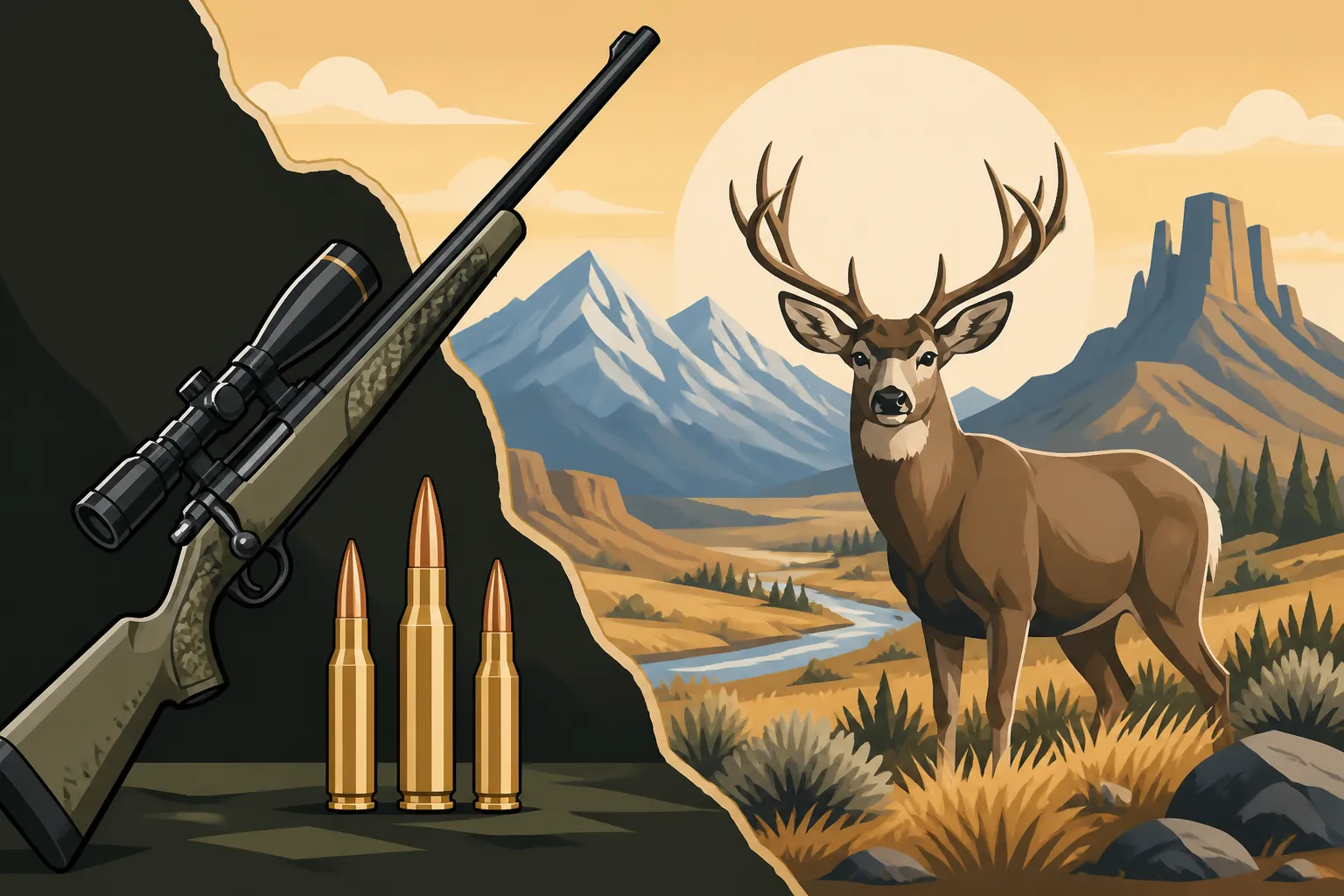
Choosing the right rifle caliber for a Western hunt, especially in a state like Wyoming, can feel like navigating a minefield of opinions, ballistic charts, and the endless debates among hunters. You’re not just looking for something that can take down an animal; you want a versatile, reliable workhorse that performs ethically across varied conditions and game, without punishing your shoulder or your wallet. This guide is here to cut through the noise, offering a realistic look at what makes an "all-around" caliber truly shine on the wide-open sagebrush plains and rugged mountain slopes of the Cowboy State.
Understanding the Unique Demands of Western Hunting
Western hunting isn't your average deer hunt in the timber back East. Everything feels bigger out here: the country, the animals, and often, the distances involved. What works perfectly in dense woods might leave you feeling under-gunned or over-recoiled when faced with a quarter-mile shot across a Wyoming basin.
The Vastness and Variety of Wyoming Terrain
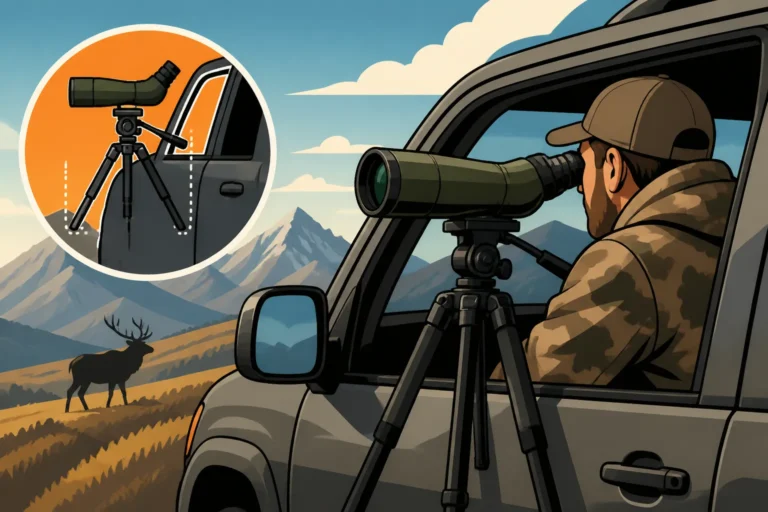
Imagine glassing a vast, open basin in central Wyoming, spotting a mule deer buck three canyons away. Or maybe you're stalking elk in the timbered slopes of the Bighorns. Then there's the high desert for pronghorn, where a shot might stretch out further than you're comfortable with. This diverse topography means you need a caliber that can handle both close encounters and those longer, wind-swept opportunities that the West is famous for. You’re not just carrying a rifle; you’re carrying a tool that needs to be effective from 50 yards to 500 yards, sometimes in the same day. This isn't just about bullet drop, but also about energy retention and wind deflection over extended distances.
Diverse Game Species and Their Requirements
Wyoming offers a incredible variety of big game animals, each with different physical characteristics and therefore, different requirements from a projectile. You might be targeting a 120-pound antelope one season and a 700-pound bull elk the next. Mule deer are often somewhere in between, but their heavy bones and muscle require adequate penetration. A smaller, lighter caliber that's perfectly suitable for deer might lack the punch needed for a mature bull elk, especially if you encounter a quartering shot that demands deep penetration through heavy bone and tissue. The "all-around" caliber needs to ethically harvest all these species. It’s a tall order, but definitely achievable with the right choice.
The Ethical Shot: Distance and Energy
At the end of the day, every hunter's goal is a quick, ethical kill. This means delivering sufficient energy and penetration to the vital organs of the animal. In the West, where shots can easily extend beyond 200 or 300 yards, the bullet’s performance at these longer ranges becomes paramount. You need a caliber that maintains enough kinetic energy to do its job effectively, even after significant flight time. Additionally, wind drift becomes a major factor, which is why cartridges launching high ballistic coefficient (BC) bullets often gain favor here. Understanding Rifle Zero Distance for Open Country Shooting and practicing Holding for Wind Past Four Hundred Yards are critical skills to pair with your chosen caliber.
The Contenders: Popular All-Around Calibers for Wyoming Big Game
When we talk about "all-around" calibers for Western hunting, we're really looking for a sweet spot: enough power for larger game like elk, flat enough trajectory for longer shots at deer and antelope, and manageable recoil for most shooters. Let's look at some of the common favorites.
The Classic Workhorses: .30-06 Springfield and .270 Winchester
These two calibers have been staples in Western hunting camps for generations, and for good reason. They are incredibly versatile and have taken every North American big game animal imaginable.
The .30-06 Springfield is often considered the quintessential all-around cartridge. It can handle a wide range of bullet weights, from 150 grains for deer and antelope to 180 or even 200 grains for elk and moose. It offers a good balance of velocity, energy, and a trajectory that, while not ultra-flat, is more than adequate for most Western hunting distances with modern bullets. Recoil is stout but manageable for most hunters. The sheer availability of ammunition and rifle platforms for the .30-06 is also a huge advantage, making it a reliable choice for any hunter heading to Wyoming. You can find ammo for it just about anywhere.
The .270 Winchester is another legendary caliber, known for its flat trajectory and relatively mild recoil compared to some of the larger magnums. It typically performs best with 130-150 grain bullets, which are excellent for deer and antelope, and with proper bullet construction, entirely capable of taking elk. Many hunters find the .270 to be easier to shoot accurately at longer ranges due to its gentler recoil, which helps maintain good form. While some might argue it's on the lighter side for elk, countless animals have fallen to well-placed shots from a .270. It’s a testament to shot placement and bullet quality over raw power.
Modern Versatility: 7mm Rem Mag and .300 Win Mag
When you step up to the magnum class, you gain more velocity, flatter trajectories, and increased energy, making these calibers particularly well-suited for the expansive Western landscapes where longer shots are more common.
The 7mm Remington Magnum has an almost cult-like following among Western hunters, and it’s easy to see why. It offers an incredibly flat trajectory, excellent energy retention, and typically uses bullets in the 140-175 grain range that have fantastic ballistic coefficients. This means less wind drift and less bullet drop, which are huge advantages when aiming at an animal across a canyon. Recoil is noticeable but generally manageable for experienced shooters, especially in a rifle with good weight and a muzzle brake. The 7mm Rem Mag is a superb choice for elk, deer, and antelope, providing ample power and reach for any of Wyoming's big game.
The .300 Winchester Magnum is often considered the big brother to the .30-06, offering a significant bump in velocity and energy. It can launch heavy 180-200+ grain bullets at blistering speeds, making it an undeniable elk slayer and an excellent choice for any large game. The flatter trajectory and increased knockdown power make it a favorite for those hunting in truly vast, open country or specifically targeting big bulls. The trade-off, however, is increased recoil. For some, this can lead to flinching and poor shooting habits, so honest self-assessment of your recoil tolerance and plenty of practice are essential before committing to a .300 Win Mag. But if you can shoot it well, it's tough to beat its performance.
Newer Hotshots: 6.5 PRC and .300 PRC
In recent years, a new generation of cartridges has entered the market, designed specifically with long-range hunting in mind. These "precision rifle cartridges" offer enhanced ballistic efficiency.
The 6.5 PRC (Precision Rifle Cartridge) is a relatively new kid on the block that has quickly gained a reputation for its exceptional accuracy and efficiency. It takes the success of the 6.5 Creedmoor and bumps it up to magnum velocities, sending high BC 140-156 grain bullets downrange at impressive speeds. This results in a very flat trajectory and outstanding wind resistance, making it an excellent choice for deer and antelope in open country. While some hunters might still prefer a larger caliber for elk, many experienced hunters have successfully taken elk with the 6.5 PRC, relying on premium, tough bullets to ensure adequate penetration. Its mild recoil compared to other magnums is a huge plus, allowing for more precise shooting.
The .300 PRC (Precision Rifle Cartridge) is Hornady's answer to the demand for a truly modern, long-range .30-caliber magnum. Designed around heavy, high BC .30-caliber bullets (typically 200-225 grains), it offers phenomenal ballistic performance, even flatter trajectories than the .300 Win Mag, and immense energy at extended ranges. If you're looking for maximum downrange performance for elk, moose, or other large game in the West, and you're willing to manage the significant recoil, the .300 PRC is a top-tier choice. It's built for precision at distance, and its performance reflects that, but it demands a commitment to practice and possibly a heavier rifle or a good muzzle brake.
Considering Recoil and Bullet Selection
Let’s be honest: recoil matters. A rifle you flinch with is far less effective than one you can shoot comfortably and accurately, regardless of its ballistic prowess. If a .300 Win Mag makes you anticipate the shot, you're better off with a .30-06 or even a .270 that you can place perfectly. Practice is key, and if a magnum makes you dread range day, it's probably not the "best" caliber for you.
Beyond the caliber itself, bullet construction is absolutely vital. Modern bullet technology means that even smaller calibers can perform admirably on larger game, provided you're using a quality, controlled-expansion or monolithic bullet. Brands like Barnes, Nosler, Hornady, and Federal offer excellent hunting bullets that retain weight, penetrate deep, and expand reliably. Don’t skimp on ammunition quality; it's the only part of the equation that actually touches the animal. Always confirm that your chosen ammunition meets What Wyoming Counts as a Legal Firearm for Big Game specifications for your target species.
Here’s a quick comparison of some popular all-around calibers:
| Caliber | Common Bullet Weights (gr) | Typical Muzzle Velocity (fps) | Trajectory (relative) | Recoil (relative) | Primary Strengths | Considerations |
|---|---|---|---|---|---|---|
| .270 Winchester | 130-150 | 2900-3100 | Flat | Moderate | Flat shooting, mild recoil, excellent for deer/antelope | Marginal for large elk at long range with poor bullet |
| .30-06 Springfield | 150-180 | 2700-2900 | Good | Moderate-High | Versatile, powerful, excellent for all big game | More drop than magnums at extended range |
| 7mm Remington Magnum | 140-175 | 2950-3200 | Very Flat | High | Excellent long-range, powerful, good BC bullets | Recoil can be stout |
| .300 Winchester Magnum | 180-200+ | 2900-3150 | Very Flat | Heavy | Max power, flat trajectory for largest game | Significant recoil, requires practice |
| 6.5 PRC | 140-156 | 2900-3000 | Very Flat | Moderate | Excellent accuracy, high BC, efficient, low recoil | Lighter for elk than .30 calibers |
| .300 PRC | 200-225+ | 2850-3050 | Extremely Flat | Very Heavy | Ultimate long-range power, highest BC .30 calibers | Very heavy recoil, specialized, ammo can be pricey |
Beyond Ballistics: What Really Matters for Your Western Caliber Choice
While ballistic charts are fascinating, they don't tell the whole story. The best caliber on paper is useless if you can't shoot it well, if your rifle doesn't fit, or if you can't find ammunition.
Your Personal Shooting Proficiency
This is, without a doubt, the most critical factor. No magnum can compensate for poor marksmanship. If you can consistently put a bullet from a .30-06 into a 6-inch circle at 300 yards, you are a far more effective hunter than someone who can barely hold a 12-inch group with a .300 PRC at the same distance. The confidence that comes from knowing your rifle and your own abilities is invaluable. This means spending significant time at the range, practicing from various field positions, not just off a bench. Learning to use Shooting Sticks or Bipod in Deep Sagebrush can drastically improve your field accuracy.
Many hunters get caught up in the "power" discussion, but proper shot placement is always superior to raw energy delivered to a non-vital area. Be honest with yourself about the recoil you can handle comfortably and accurately. A seasoned veteran will often tell you they'd rather have a hunter shoot a .270 well than a .300 Win Mag poorly.
Rifle Fit and Carrying Comfort
A rifle isn't just a projectile launcher; it's a tool you'll carry, potentially for miles, up and down rugged terrain. A poorly fitting stock can exacerbate recoil, make it harder to get a quick sight picture, and lead to fatigue. Consider the overall weight of the rifle, especially if you're planning on a physically demanding hunt in the mountains. A lightweight magnum can be brutal on the shoulder.
Also, think about the environment. Are you in dense timber or wide open country? Do you need a shorter barrel for maneuverability or a longer one for maximum velocity? Comfort in carrying and rapid target acquisition are often overlooked but incredibly important for success in the field. Don't forget that Physical Conditioning for a Mountain Hunt and Preparing for Altitude on a Wyoming Hunt are also significant aspects of preparing for a successful Western hunt.
Ammunition Availability and Cost
While high-end, boutique ammunition can offer marginal ballistic advantages, the reality for most hunters is that practical considerations matter. Can you easily find ammunition for your chosen caliber? Is it affordable enough to allow for ample practice? Some of the newer, more specialized cartridges like the .300 PRC can have limited availability and higher prices, which might hinder your ability to get enough trigger time.
For a true "all-around" caliber, widespread availability of quality hunting ammunition is a huge plus. The .30-06 and .270 Winchester excel here, with every major manufacturer producing a variety of loads. Even the 7mm Rem Mag and .300 Win Mag have excellent availability. Before you commit to a less common caliber, make sure you can reliably stock up on the specific load you want to hunt with. GoHunt often has articles and forums where hunters discuss ammo availability for specific calibers in different regions, which can be a valuable resource.
Legal Considerations in Wyoming
While Wyoming is quite hunter-friendly, there are still specific regulations regarding legal firearms and ammunition for big game. Generally, centerfire rifles are the standard. The Wyoming Game and Fish Department publishes clear guidelines on What Wyoming Counts as a Legal Firearm for Big Game and specifies caliber minimums (e.g., .22 centerfire or larger for big game, but most choose larger for ethical reasons). All the calibers discussed above are legal for big game in Wyoming.
Additionally, while not caliber-specific, you might be interested in topics like Whether Suppressors Are Legal for Big Game in Wyoming, which can impact your rifle setup and shooting experience. Always consult the most current Wyoming Game and Fish regulations before your hunt to ensure full compliance.
Making Your Personal Decision for the Ultimate Wyoming Hunt
Ultimately, the "best all-around caliber" isn't a single, universally agreed-upon answer. It's a personal equation, balancing animal size, shot distance, hunter skill, and recoil tolerance.
Matching Caliber to Your Primary Target Animal
If your dream is to harvest a bull elk in Wyoming's Elk Herd Units and Winter Range, then leaning towards the more powerful end of the spectrum, like a 7mm Rem Mag or .300 Win Mag, makes a lot of sense. These calibers provide the extra energy and penetration needed for a larger, tougher animal.
However, if you mainly hunt mule deer and pronghorn, with an occasional elk tag, a .270 Winchester, .30-06 Springfield, or 6.5 PRC might be a better fit. These offer excellent performance on those species with less recoil, making them more enjoyable to shoot and easier to master. For instance, if you're looking for an antelope tag, knowing The Wyoming Pronghorn Population Estimate Explained might influence your choice, as a flatter shooting round is often preferred for those open country opportunities. Similarly, a specific focus on Best Units to Draw for a Mature Mule Deer might lead you to prioritize accuracy and manageable recoil for those often-distant shots.
Prioritizing Versatility or Specialization
The true definition of "all-around" means it can do most things well, but perhaps not everything perfectly. A .30-06 is incredibly versatile, capable of taking anything from antelope to moose, but it's not the flattest shooting for 500-yard pronghorn, nor the most powerful for grizzly bear.
If you hunt a single species primarily, you might opt for a specialized caliber. For instance, if you only hunt pronghorn, a fast, flat-shooting cartridge like a .25-06 Rem or a lighter 6.5mm might be your ideal. If you only chase elk, a .338 Win Mag could be considered. But for the hunter who wants one rifle to cover all their Wyoming big game needs – elk, deer, and antelope – prioritizing versatility in a caliber like the .30-06, 7mm Rem Mag, or even the 6.5 PRC will serve you well.
Practice, Practice, Practice
No matter what caliber you ultimately choose, regular, diligent practice is the single most important factor in becoming a successful and ethical hunter. Know your rifle, know your ammunition, and know your effective range. Practice from prone, kneeling, and sitting positions, as these are the most common in the field. Spend time learning your rifle's trajectory with your chosen load at various distances, using a ballistic calculator.
Confidence in your equipment comes from familiarity, and that only comes with time and effort. There's no magic bullet, only consistent practice that makes you a better shooter and, in turn, a more ethical hunter.
Disclaimer
The information provided in this guide is for general informational purposes only and does not constitute legal advice. Hunting regulations, license requirements, and legal firearms may change. Always consult the most current Wyoming Game and Fish Department regulations and official sources before planning any hunting activity in Wyoming.