Does Hunter Education Include a Field Day?
It's incredibly frustrating when you're trying to do everything right to prepare for a hunt in Wyoming, and the rules around hunter education seem a little hazy, especially when it comes to whether you need to block out a whole weekend for a field day. Many folks are wondering if the online course is enough, or if they’ll still need to attend an in-person session to get certified. This guide is here to clear up that confusion, diving deep into what Wyoming's hunter education entails and whether a mandatory field day is part of the process for you.
Understanding Wyoming's Hunter Education Mandate
Getting your hunter education certification is a foundational step for many aspiring hunters in Wyoming, and honestly, it’s a good thing. It ensures everyone heading into the field has a baseline understanding of safety, wildlife management, and ethical hunting practices. The rules aren't always crystal clear for newcomers or those used to other states' systems, leading to a lot of head-scratching.
Who Needs Hunter Education in Wyoming?
The first big question for most people is, "Do I even need this?" The short answer for many is "yes," but there are some important nuances. Generally, anyone born on or after January 1, 1966, needs to complete a hunter education course to legally purchase a hunting license in Wyoming. If you were born before that date, you're usually exempt from the requirement. It’s a common cutoff date in many states, and for good reason – it basically means if you grew up hunting before organized education became widespread, you're grandfathered in. However, even if you’re exempt, taking a course isn't a bad idea, especially if you're new to Western hunting. It can really help you get familiar with the specific regulations and landscapes here. You can dig deeper into Who Wyoming's 1966 Cutoff Actually Covers to make sure you know where you stand.
For nonresidents, the rule still applies: if you were born after January 1, 1966, you'll need proof of certification. The good news is that Wyoming recognizes hunter education certificates from other states and provinces, as long as they meet the International Hunter Education Association (IHEA) standards. So, if you took a course in Colorado or Montana, you’re likely good to go. This recognition prevents a lot of redundant paperwork and classes, which is a huge relief for hunters who travel. We often get questions like Do Nonresidents Need Wyoming Hunter Education?, and the answer usually circles back to that birth year cutoff.
The Core Components of Hunter Education
Regardless of the format, Wyoming's hunter education courses aim to instill critical knowledge and skills. It’s not just about pointing a gun safely, though that's a massive part of it. The curriculum typically covers firearm and archery safety, ethical hunting practices, wildlife identification, basic survival and first aid, game care, and understanding hunting laws and regulations. You'll learn about things like shot placement, how to handle a downed animal, and the legal shooting hours, all of which are absolutely vital once you're out there. These courses are designed to make you a more responsible and effective hunter, not just a compliant one. The goal is to reduce accidents, promote conservation, and ensure the future of hunting.
Online Courses Versus Traditional Classroom Experiences
When it comes to hunter education, Wyoming offers flexibility, which is fantastic for busy folks. You essentially have two main paths: the convenient online course or the more traditional in-person classroom experience. Each has its own rhythm and approach to delivering the necessary information, and crucially, they differ in how they handle the "field day" component.
The Online Hunter Education Experience
The rise of online learning has been a game-changer, and hunter education is no exception. For many, the ability to complete the bulk of their coursework from home, at their own pace, is incredibly appealing. This is especially true for those who work odd hours or live far from traditional classroom settings. You can complete the modules, take quizzes, and learn all the theory behind responsible hunting without ever leaving your living room. The content is generally interactive, with videos, diagrams, and self-assessments to keep you engaged.
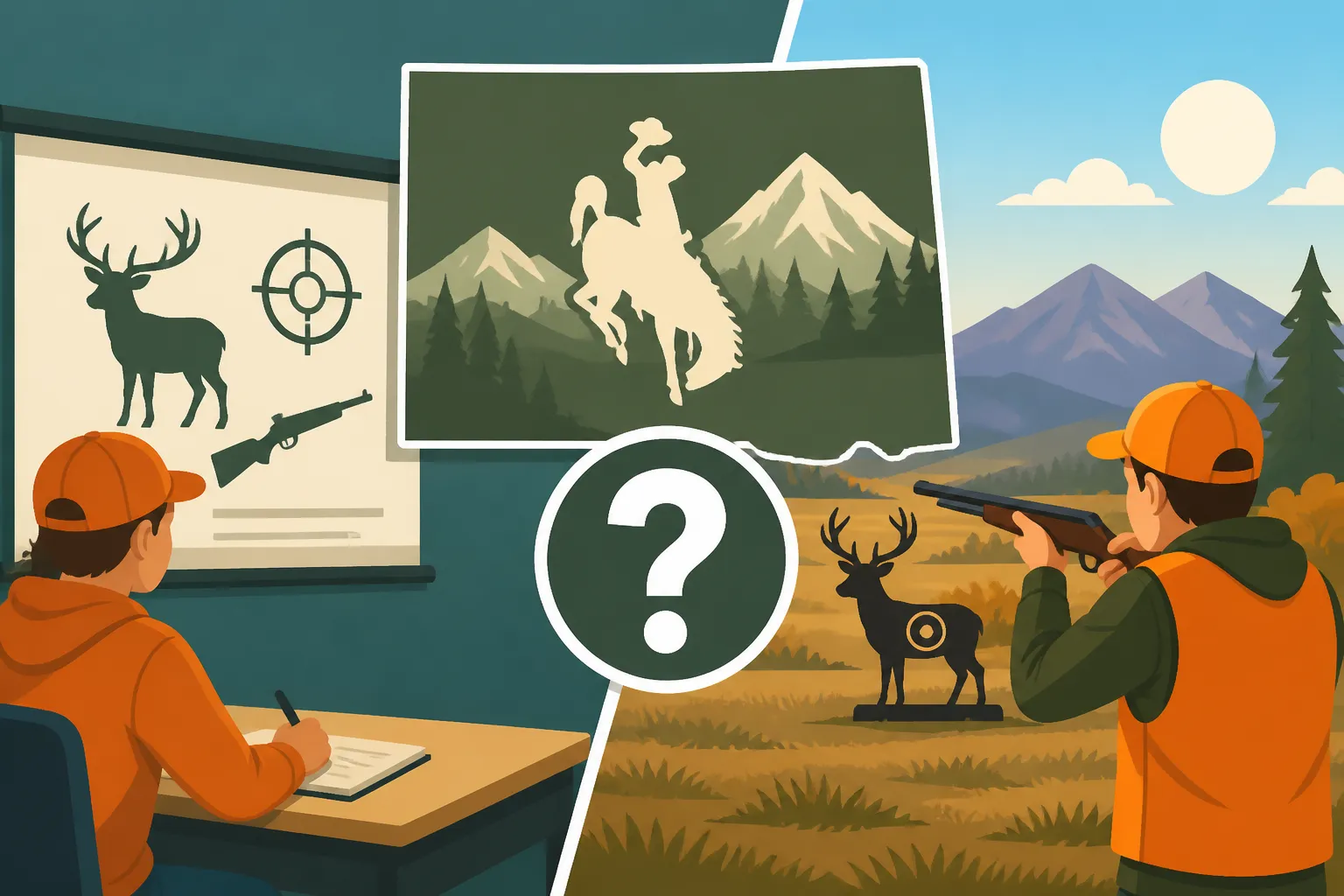
However, here’s the critical point for Wyoming: the online course does require a mandatory in-person field day. This is where the practical application of all that online learning comes into play. You can’t just click through and get your certificate; you need to demonstrate that you can safely handle firearms and apply ethical decision-making in a supervised setting. While the online portion covers a vast amount of material, the Wyoming Game and Fish Department (WGFD) understands that certain skills can only be truly learned and assessed hands-on. Many hunters ask, How Long the Online Hunter Education Course Takes, and while the online portion might be flexible, remember to factor in the additional time for that required field day.
Traditional Classroom Hunter Education
For those who prefer a more structured, in-person learning environment, the traditional classroom course is still a robust option. These courses are typically taught by certified instructors over several days or evenings, often totaling 10-16 hours of instruction. The main advantage here is direct interaction with instructors and other students. You can ask questions in real-time, participate in discussions, and get immediate feedback.
The crucial difference with the traditional classroom course is that the field day component is typically integrated into the overall curriculum. Instead of a separate event you register for, the practical skills, live-fire exercises, and safety drills are woven into the scheduled class time. This means that by the time you complete the last session of a traditional course, you've already fulfilled all the requirements, including the hands-on portions. This can be less fragmented for some, as you complete everything under one umbrella. For a full breakdown, check out Online and Classroom Hunter Education Compared.
What a Hunter Education Field Day Truly Entails
So, if you go the online route, that field day is looming. What exactly happens during this in-person session? It's much more than just showing up and getting a stamp. It's designed to be an immersive, practical application of everything you learned virtually, and it's absolutely vital for ensuring you're safe and responsible in the field.
Hands-On Safety and Skill Assessment
A hunter education field day in Wyoming is all about getting hands-on with the practical skills that are impossible to master through a screen. You'll work with certified instructors who guide you through safe firearm handling, loading, unloading, and carrying techniques. This isn't just theory; it's supervised practice. They'll assess your ability to confidently and safely manage a firearm in various scenarios, from crossing a fence to walking with others. You'll learn how to identify different zones of fire and understand the importance of muzzle control, especially in varying terrain or dense cover that you'll encounter on a real hunt.
Beyond firearms, you'll likely cover basic archery safety if it's relevant to the course, understanding arrow rests, nocking, and safe shooting practices. There's also usually a strong emphasis on practical skills like crossing obstacles with a firearm or bow, how to safely climb into or out of a tree stand (if applicable), and even basic first aid scenarios you might encounter in the backcountry. It's a chance to put the theoretical knowledge you gained online into real-world action, under the watchful eye of experienced mentors.
Live-Fire Range Practice
Perhaps the most memorable part of any field day is the live-fire range portion. This is where you get to actually shoot various firearms under direct supervision. It's not about being a sharpshooter; it's about demonstrating safe shooting practices. Instructors will guide you on proper stance, aiming, and trigger control, all while emphasizing the core tenets of firearm safety: always point the muzzle in a safe direction, treat every firearm as if it's loaded, be sure of your target and what's beyond it, and keep your finger off the trigger until ready to shoot.
This practical shooting experience is invaluable, especially for those new to firearms. It builds confidence and competence, ensuring that when you're faced with a real-world hunting situation, you react instinctively with safety as your top priority. You might get to shoot a .22 rifle, perhaps a shotgun, and sometimes even a larger caliber rifle, depending on the range and instructors. It’s a crucial opportunity to get comfortable with the recoil and noise, which can be surprising if you've never experienced it. The instructors often provide different types of firearms for you to try, giving you a broader experience than you might get otherwise.
Locating and Attending a Hunter Education Field Day
Once you've wrapped up your online hunter education modules, the next step is securing a spot in a field day. This can sometimes feel like a scramble, especially during peak seasons, but with a bit of planning and knowing where to look, it’s a manageable process.
Finding Available Field Days in Wyoming
The primary resource for finding and registering for hunter education field days in Wyoming is the Wyoming Game and Fish Department (WGFD) website. They maintain an updated schedule of all available courses, both traditional classroom and field day sessions for online graduates. You can usually filter by region, date, or specific course type to find one that fits your schedule and location. Spots can fill up quickly, especially closer to hunting season, so it’s always a good idea to start looking well in advance. Don't wait until the last minute, or you might find yourself without a slot, potentially delaying your hunting plans.
While the WGFD site is the official channel, other resources can also be helpful. Some local gun clubs, sporting goods stores like Murdoch's Ranch & Home Supply, or community centers might host or advertise courses. Third-party hunting education platforms, like GoHunt, often have tools and calendars that aggregate this information, making it easier to see all your options in one place. Using a comprehensive platform like GoHunt can really streamline your planning process, letting you focus more on the hunt itself and less on the logistics of getting certified.
What to Expect on Your Field Day
Once you've registered, you'll receive instructions on what to bring. This typically includes proof of your completed online coursework, appropriate clothing for outdoor activity (dress in layers!), water, snacks, and sometimes your own hearing and eye protection for the range. If you have your own firearm, some instructors allow you to bring it, but generally, firearms and ammunition are provided for the range portion. It's always best to clarify this with the specific course instructor beforehand.
The day itself will usually start with introductions and a review of safety rules. Instructors will verify your online course completion before diving into the hands-on activities. Expect a mix of classroom-style refreshers on safety and ethics, followed by rotations through practical stations. These stations might involve demonstrating safe gun carries, practicing obstacle crossings, identifying safe shooting zones, and, of course, the live-fire range. It's an active day, designed to be educational and engaging. Don't be shy about asking questions—that's what the instructors are there for! They want you to leave feeling confident and prepared.
Exceptions, Mentored Hunts, and Proof of Certification
While hunter education is crucial, there are a few scenarios where the requirements might differ or alternatives exist. It's important to understand these to ensure you're always hunting legally and safely.
Mentored Hunt Program in Wyoming
Wyoming offers a fantastic Mentored Hunt Program that allows aspiring hunters, particularly youth, to experience hunting before completing their full hunter education course. This program is a wonderful way to introduce new hunters to the field under strict supervision. A mentor, who must be at least 18 years old, hunter education certified (if born after 1965), and hold a valid Wyoming hunting license, accompanies the mentee. The mentee can hunt without their own hunter education certificate, but they must remain under the direct, uninterrupted supervision of their mentor at all times. This means the mentor must be within sight and voice contact.
This isn't a loophole to avoid hunter education forever, but rather a temporary pathway to gain experience. If you’re a parent or guardian looking to introduce a young hunter to the outdoors, this program is incredibly valuable. Make sure you understand Mentor Requirements: Eighteen, Certified and Licensed and what Direct Supervision Means Sight and Voice Contact to ensure compliance. It's a great opportunity, and Wyoming is one of several states that understands the importance of direct, experienced guidance in the field. Information on applying for the special authorization certificate for mentored hunts can usually be found on the WGFD website or through resources like GoHunt's extensive library of state regulations.
Out-of-State Certification and Carrying Proof
As mentioned, Wyoming recognizes hunter education certifications from other states and provinces, as long as they meet IHEA standards. This is a huge convenience for nonresident hunters who might be planning an elk hunt in the Bighorns or chasing antelope across the Red Desert. If you've already completed a course elsewhere, you simply need to carry proof of that certification with you in the field.
Proof typically means your physical hunter education card or a digital copy that can be easily displayed. The Wyoming Game and Fish Department wardens are diligent, and they can and will ask to see your license, tags, and proof of hunter education. Forgetting your card at home after completing all the hard work can lead to unnecessary headaches. Always ensure you are Carrying Proof of Certification in the Field to avoid any issues during your hunt. Think of it like your driver’s license; you wouldn’t drive without it, and you shouldn’t hunt without your proof of certification.
Disclaimer
Please note: The information provided in this guide is for general informational purposes only and is not intended as legal advice. Hunting regulations can change frequently. Always consult the most current Wyoming Game and Fish Department regulations or contact the department directly for the most accurate and up-to-date information before planning any hunting activity.