Wanton Waste Rules Every Wyoming Hunter Should Know
The moment an animal hits the ground, the real work, and your serious responsibility as a hunter, truly begin. Many of us worry about making the shot, but the critical ethical and legal obligations around retrieving and utilizing that animal often create more confusion and potential pitfalls, especially with Wyoming's strict wanton waste laws. This guide will walk you through exactly what wanton waste means in Wyoming, how to avoid it, and why understanding these rules is paramount for every hunter who steps into our beautiful landscapes.
Understanding What "Wanton Waste" Truly Means in Wyoming
In Wyoming, the concept of "wanton waste" isn't just an ethical suggestion; it's a specific legal definition with serious repercussions. It's designed to ensure that hunters respect the game they pursue by utilizing as much of the animal as reasonably possible, preventing the needless spoilage or abandonment of edible meat.
The Core Definition and Its Legal Ramifications
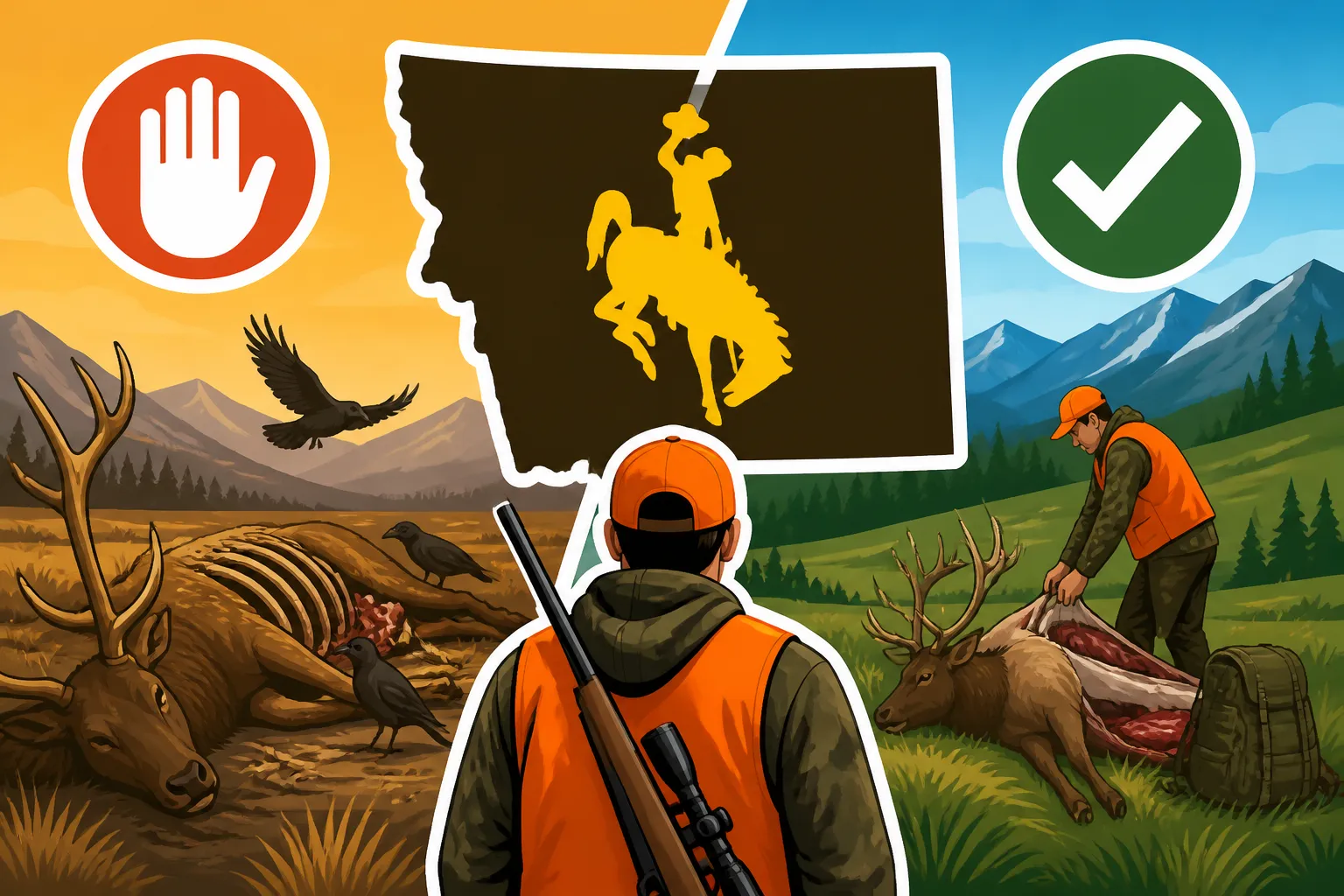
At its heart, wanton waste refers to the purposeful or negligent failure to "care for or utilize in a reasonable and prudent manner" the edible portions of a game animal. Think about that phrase: "reasonable and prudent." It's not about perfection, but about putting in a genuine, sustained effort. This means if you shoot a deer or an elk and then, through carelessness, laziness, or simple neglect, allow the edible meat to spoil or you fail to retrieve it, you could be facing a wanton waste charge. This isn't just a slap on the wrist; it's a misdemeanor offense that can carry hefty fines, potential jail time, and, critically for any hunter, the loss of hunting privileges for several years. This could mean being barred from applying for those coveted Wyoming tags through services like GoHunt for a long time, impacting not just your current season but many seasons to come. The game wardens in Wyoming take this very seriously, and ignorance of the law is absolutely no excuse.
Beyond Just Meat: What Else Must Be Salvaged?
While the primary focus of wanton waste is undeniably on the edible meat, it's important to understand that in certain situations, other parts of the animal also fall under specific salvage requirements, especially for big game. For instance, the antlers of a bull elk or a buck deer, or the horns of a bighorn sheep, are considered valuable parts of the animal. While not "edible," neglecting to retrieve these in conjunction with edible meat can certainly draw scrutiny from game wardens. Wyoming's regulations specify the need to retain "evidence of sex" on a carcass, usually a portion of the antler or horn, until it's processed and stored at your residence. This rule, designed to prevent illegal harvest, also implicitly encourages the responsible handling of these trophy elements.
Furthermore, if you're hunting species where horns or antlers are regulated for legal take (e.g., minimum antler points for certain deer or elk tags), abandoning them after killing an animal could complicate matters. The general principle is ethical utilization. While you're not expected to haul out every bone, leaving behind large, intact antlers purely out of convenience, especially if coupled with insufficient meat salvage, paints a picture of disrespect for the resource that Wyoming Game and Fish Department (WGFD) works hard to manage.
The Practicalities of Meat Salvage in the Field
Knowing the letter of the law is one thing, but applying it in the rugged, often remote terrain of Wyoming is another challenge entirely. The practicalities of getting meat from the field to your freezer are where most hunters face their real tests.
Minimum Meat Requirements for Big Game
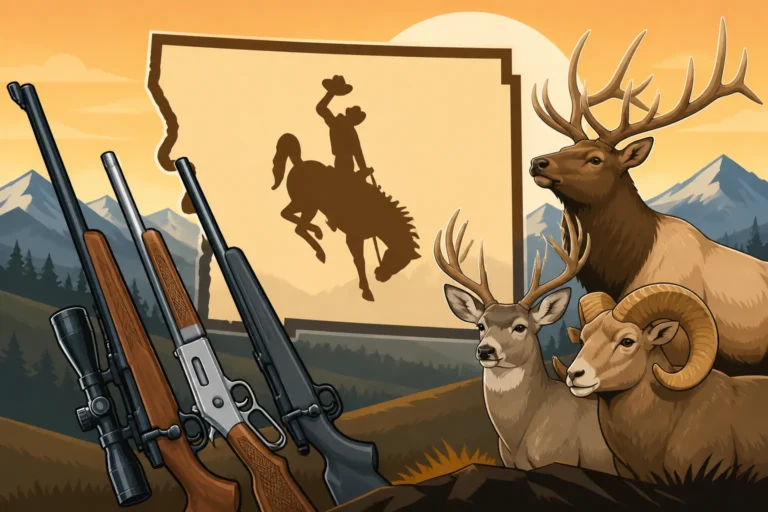
Wyoming's regulations are quite clear about what "edible portions" entail for big game animals. It's not just a token amount; you are expected to salvage specific parts. For deer, elk, antelope, moose, bighorn sheep, and mountain goat, this explicitly includes:
- All four quarters: This means the meat from the hindquarters and the front quarters, down to the knee and hock joints.
- The loins: Often called the "backstraps," these run along the spine.
- The tenderloins: These are the internal muscles along the spine, often deep within the body cavity.
You can't just take the "best" cuts and leave the rest. The spirit of the law, and the letter of it, is to take all reasonably accessible, edible meat. This means if you're quartering an animal, you need to strip all that muscle tissue off the bones of the four limbs, retrieve the backstraps, and diligently dig for those tenderloins. Leaving significant amounts of muscle meat on the bone when it could have been easily salvaged is a direct path to a wanton waste citation.
Here's a quick reference for common big game species:
| Species | Required Edible Portions |
|---|---|
| Deer (Mule & Whitetail) | All four quarters (meat down to knee/hock), loins (backstraps), and tenderloins. |
| Elk | All four quarters (meat down to knee/hock), loins (backstraps), and tenderloins. |
| Pronghorn Antelope | All four quarters (meat down to knee/hock), loins (backstraps), and tenderloins. |
| Moose | All four quarters (meat down to knee/hock), loins (backstraps), and tenderloins. |
| Bighorn Sheep | All four quarters (meat down to knee/hock), loins (backstraps), and tenderloins. |
| Mountain Goat | All four quarters (meat down to knee/hock), loins (backstraps), and tenderloins. |
It's also worth noting that specific regulations might define what constitutes "edible" beyond this list. Always consult the current year's Wyoming Game and Fish hunting regulations, available on their website or through resources like GoHunt, to ensure you're up-to-date.
Field Dressing and Transport Considerations
Retrieving the required meat is only half the battle; ensuring it remains edible until it can be properly processed is the other. This is where your field dressing and transport strategy become critical. Wyoming can be unforgiving with its temperatures, especially during early archery seasons or warm fall rifle hunts.
The clock starts ticking the moment an animal is down. The immediate priority is to cool that meat down as quickly as possible. This means prompt field dressing to remove the entrails, which hold a tremendous amount of heat. If temperatures are warm, skinning the animal in the field is highly recommended. Air circulation is your best friend. Get the hide off, quarter the animal, and get those quarters in game bags hung in the shade, allowing air to flow around them. Many hunters use portable electric fans in camp to keep quarters cool overnight, especially if they are far from a processor. Remember, the goal is to prevent spoilage, and spoiled meat is considered wasted. If the meat spoils due to negligence in cooling, it's still wanton waste.
Transporting the meat out of the backcountry presents its own set of challenges. An adult bull elk can yield several hundred pounds of meat, even after boning out. This requires careful planning for pack frames, horses, ATVs, or multiple trips. Trying to haul too much at once, or not having adequate gear, can lead to prolonged exposure of meat to heat or contamination, risking spoilage. It's crucial to think through your extraction plan before you even pull the trigger. Consider the terrain – are you hunting in an area where horses or ATVs are prohibited, requiring a strenuous pack-out on foot? Planning for these situations is part of being a "prudent" hunter.
Additionally, Wyoming has strict rules regarding How Soon You Must Tag a Downed Animal and maintaining Evidence of Sex Requirements on a Carcass during transport. While these aren't directly about wanton waste, they're part of the overall responsible carcass handling. Make sure your carcass tag is securely affixed immediately after the kill, and that the required evidence of sex remains with the meat until it's delivered to your home or a processing facility. You can find comprehensive details on all these steps in articles like Field Dressing and Carcass Transport Rules Explained.
Exemptions and Challenging Scenarios
While the law on wanton waste is strict, it's not entirely without nuance. There are specific situations where leaving meat or failing to retrieve an animal might not be considered wanton waste. However, these are exceptions, not excuses, and always require immediate communication with the WGFD.
Unforeseen Circumstances and Exceptions to the Rule
Life, and hunting, don't always go according to plan. What if you make a perfect shot, but the animal tumbles into an impossibly steep canyon, across a raging river, or onto private land where you don't have permission to retrieve it? These are genuine "unforeseen circumstances" that might exempt you from a wanton waste charge, provided you act responsibly and promptly.
The golden rule here is immediate notification. If you wound an animal and cannot find it, or if you kill one and cannot physically retrieve the edible portions due to genuine and significant obstacles, you must contact a game warden or the WGFD office as soon as possible. Explain the situation clearly, provide precise location details (GPS coordinates are invaluable), and follow their instructions. They may assist in retrieval, grant permission to leave the animal, or simply document the incident. Failing to report it, then having the animal discovered later, almost guarantees a wanton waste charge. Remember, the law is concerned with "reasonable and prudent" effort. If you genuinely put in every reasonable effort, faced insurmountable odds, and reported it, you stand a much better chance.
Consider situations where the hunt takes an unexpected turn. Perhaps you're caught in an sudden, severe weather event that makes a safe pack-out impossible, or you sustain an injury that prevents you from completing the retrieval. Again, documented efforts and immediate communication with authorities are your best defense. This is especially critical for those hunting deep in designated wilderness areas, where retrieval can be a multi-day ordeal and weather can change dramatically, as detailed in Wilderness Rules Every Wyoming Nonresident Should Know.
Dealing with Spoiled Meat and Unsalvageable Parts
Sometimes, despite your best efforts, meat can spoil. Perhaps it was an unusually hot day, and even with quick field dressing, internal temperatures remained too high for too long. Or maybe an unforeseen breakdown during transport caused delays. If meat truly spoils to the point of being unsafe for human consumption, leaving it might be permissible, but you absolutely must document it (take photos, contact WGFD) to prove it was truly unsalvageable. The burden of proof would be on you. Similarly, questions sometimes arise about the edibility of meat from animals with certain diseases. For example, if an animal tests positive for Chronic Wasting Disease (CWD), many hunters choose not to consume the meat. While Wyoming requires testing for CWD in certain areas and for specific species, the decision to discard CWD-positive meat should ideally be discussed with WGFD, or at least thoroughly documented, to ensure compliance, as discussed in Is Elk Meat Safe If the Animal Had CWD?.
It's also important to distinguish between edible meat and parts that are naturally not considered salvageable. You are not expected to retrieve bones, hide (unless specifically required for a furbearer), guts, or the contents of the stomach. The "gut pile" left after field dressing is generally acceptable. The regulations focus on muscle tissue intended for consumption. However, this doesn't mean you can arbitrarily leave large portions of good meat attached to the rib cage or back if they could have been easily removed. The general rule is to be as thorough as humanly possible under the given circumstances, focusing on maximizing meat retrieval.
Consequences and Ethical Hunting
Ignoring wanton waste laws isn't just a legal risk; it's a profound ethical failure that tarnishes the reputation of all hunters and impacts wildlife management.
Penalties for Wanton Waste in Wyoming
The penalties for wanton waste in Wyoming are designed to be a significant deterrent. As mentioned, it's typically a misdemeanor, but the financial costs can quickly escalate. Fines can range from several hundred to thousands of dollars, depending on the species and the severity of the waste. Beyond the immediate fine, convicted individuals almost certainly face revocation of their hunting and fishing licenses for a period, often multiple years. This means you won't be drawing any tags or hunting in Wyoming. For non-residents who invest considerable time and money to hunt in the state, this is a particularly painful consequence. Repeat offenders can even face felony charges.
The repercussions extend beyond the individual. Organizations like GoHunt, which provide valuable services to hunters applying for tags and planning hunts, emphasize ethical hunting and adherence to regulations because incidents of wanton waste reflect poorly on the entire hunting community. Such actions can fuel anti-hunting sentiments and make it more difficult for wildlife agencies to manage populations through hunting. This is why resources like the official Wyoming Regulation Booklets are so important; every hunter needs to know and abide by these rules.
Beyond the Law: The Hunter's Ethical Responsibility
While legal consequences are powerful motivators, every true hunter understands that ethical responsibility goes far beyond avoiding a citation. Wanton waste is, at its core, a betrayal of the animal, the resource, and the conservation principles that underpin modern hunting. We hunt for many reasons – for food, for sport, for connection to nature – but underlying all of them is a deep respect for the wildlife we pursue.
Leaving edible meat in the field, whether through laziness or poor planning, undermines that respect. It trivializes the life taken and makes a mockery of the efforts dedicated to sustainable wildlife management. When an animal is harvested, it should be done with the solemn understanding that its life provides sustenance, and that sustenance should not be squandered. This commitment to utilization is a cornerstone of our hunting heritage. When the public sees images or hears stories of wasted game, it creates a negative perception that can be difficult to overcome, eroding support for hunting as a conservation tool.
Beyond that, thinking about how your actions impact future opportunities is vital. Every successful hunt should reinforce the value of the resource, not diminish it. Practicing sound field care and ensuring every edible bit of an animal is retrieved isn't just about avoiding a ticket; it's about honoring the animal, upholding the integrity of hunting, and ensuring that these opportunities remain for generations to come. Even considering options like Donating Game Meat After a Wyoming Hunt is part of this overarching ethical responsibility, ensuring that meat doesn't go to waste even if you can't utilize all of it yourself. Remember, being a hunter means being a steward, and proper game salvage is a fundamental part of that stewardship.
Disclaimer
The information provided in this guide is for general informational purposes only and does not constitute legal advice. Hunting regulations, laws, and their interpretations can change. It is always the hunter's responsibility to consult the most current Wyoming Game and Fish Department regulations and, if necessary, seek legal counsel to ensure full compliance with all applicable laws.