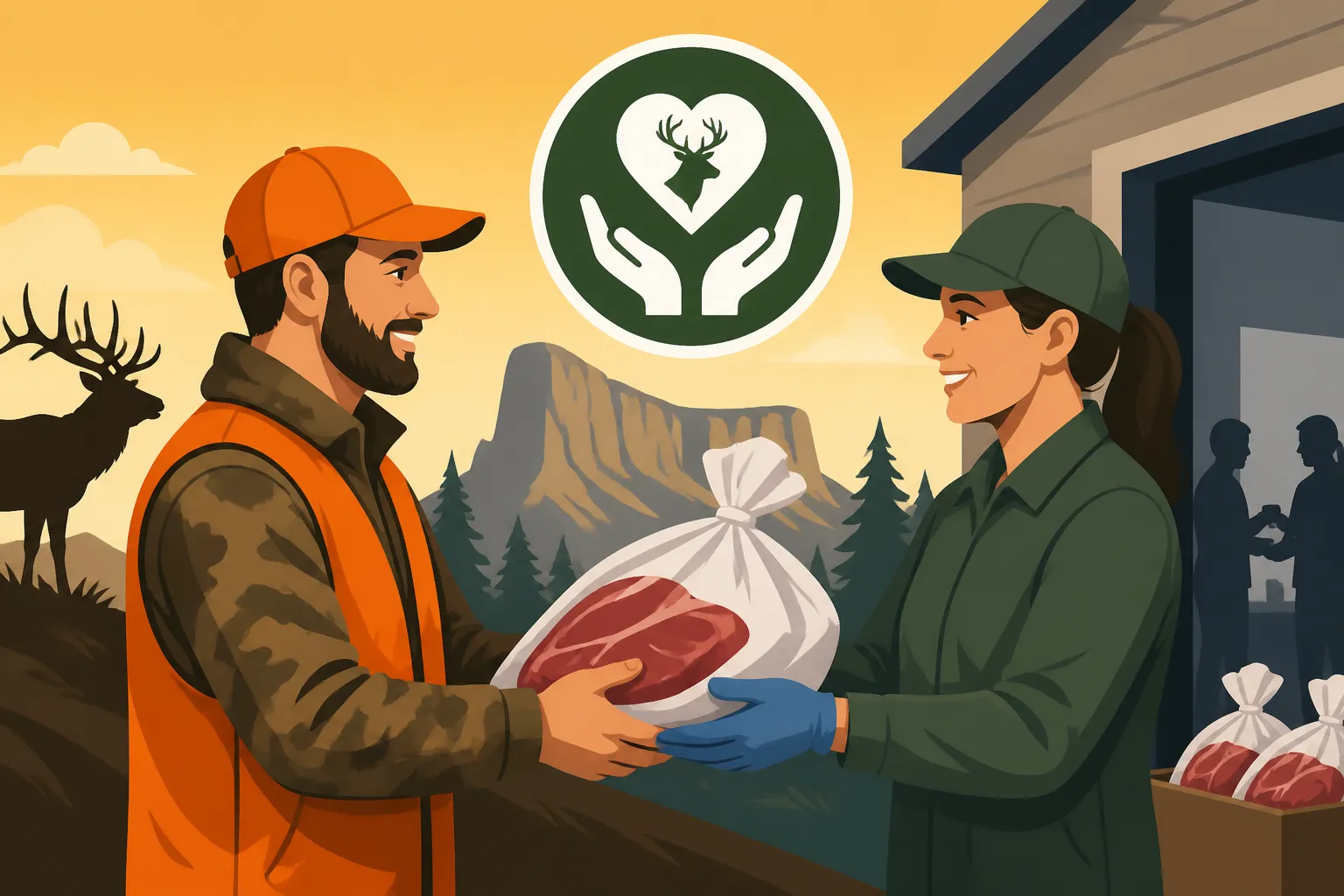
Donating Game Meat After a Wyoming Hunt
There's a unique satisfaction that comes with a successful hunt in Wyoming, filling your tag and knowing you've provided healthy, organic protein for your family. But let's be honest, sometimes you hit a hot streak, or you're already stocked up from seasons past, and that freezer space starts looking awfully scarce. Or maybe, circumstances change unexpectedly, and you find yourself with more game meat than you can realistically manage. It's a fantastic problem to have, but the thought of any of that hard-earned meat going to waste? That's a feeling no hunter wants to experience. This comprehensive guide will walk you through the ins and outs of legally and ethically donating game meat after a Wyoming hunt, ensuring every edible portion finds a good home and helps those in need.
Why Consider Donating Your Hard-Earned Game Meat?
Let's face it, we all love the bounty of a successful hunt. The freezer full of elk steaks, deer roasts, and antelope burgers is a testament to our efforts and a source of pride. But sometimes, life throws us curveballs, or luck shines a little too brightly, and suddenly, you're looking at more meat than you ever anticipated.
Unexpected Harvests and Freezer Space Challenges
Imagine this scenario: you've been putting in the work all season, and finally, you connect on a magnificent bull elk. You're ecstatic! You get it processed, fill your freezer, and then, just a few weeks later, you draw a late-season deer tag you completely forgot about. Next thing you know, you're staring at another filled tag, and your freezer, which once seemed cavernous, is now packed to the gills with not an inch to spare. The joy of the harvest quickly turns into a logistical nightmare. You don't want to waste a single pound, but where will it all go? This is where the noble act of donating your game meat truly shines. It’s a real solution to a very real problem many of us face, turning potential waste into a meaningful contribution. It eases the pressure on your personal storage and ensures that the animal you harvested continues to provide sustenance, just for a different family.
Supporting Your Community and Minimizing Waste
Beyond the practicalities of freezer space, there’s a deep satisfaction in giving back to your community. Wild game meat is incredibly lean, healthy, and a fantastic source of protein – often far superior in nutritional value to many store-bought alternatives. Many local food banks, soup kitchens, and charitable organizations across Wyoming struggle to provide high-quality protein to those experiencing food insecurity. Your wild game donation isn't just "meat"; it's a nutrient-dense option that can make a profound difference in someone's diet. It honors the animal and the hunt by ensuring every bit of edible meat goes to good use. Think about the families in Cheyenne or Casper who might be relying on these services; your contribution is a direct link to their well-being, fostering a sense of community and shared abundance.
Facing the Wanton Waste Rules in Wyoming
This point isn't just about ethics; it's about legality. Wyoming has very strict laws against "wanton waste" of game meat. Essentially, you must salvage and utilize all edible portions of the big game animal you harvest. Leaving behind significant amounts of meat in the field is not only deeply frowned upon by fellow hunters but can also land you in serious legal trouble with the Wyoming Game and Fish Department. If you've had a successful season and are concerned about meeting the Wanton Waste Rules Every Wyoming Hunter Should Know due to an overwhelming amount of meat, donation provides a clear, responsible, and legal pathway to ensure every edible portion is accounted for and utilized. It's an excellent way to comply with regulations while also doing good for others.
The Legalities and Logistics of Donating Game Meat in Wyoming
Donating game meat isn't as simple as handing a package of venison over to your neighbor, especially when dealing with official channels. There are specific rules and best practices in Wyoming to ensure food safety and proper handling.
Who Can Accept Game Meat Donations?
This is where many hunters get a bit confused. You can't just give raw, uninspected game meat directly to a charity. For health and safety reasons, legitimate charitable organizations, like food banks and soup kitchens, typically have strict policies on the type and source of food they can accept. In Wyoming, this generally means your game meat needs to be processed by a licensed meat processor. These processors are equipped to handle wild game, ensure proper sanitation, and package the meat in a way that makes it acceptable for donation to a food bank.
Think of it this way: a food bank needs to guarantee the safety of the food it distributes. Raw, home-processed meat, no matter how carefully you've handled it, doesn't meet the same inspection standards as meat from a licensed facility. Therefore, the key is often working through a processor who then facilitates the donation or prepares the meat for you to deliver to an approved charity. Organizations like Wyoming Food Bank of the Rockies often have programs or partnerships with local processors that can accept properly handled and processed wild game. A quick call to your local Game and Fish office or county extension can often provide a list of local processors and charities that participate in such programs. When looking for reliable information or community recommendations on this, online hunting resources, like those found on GoHunt, might also list processors or organizations known for facilitating game donations.
The Importance of Proper Processing and Packaging
Once you’ve made the decision to donate, the quality and safety of the meat become paramount. This isn't just about making sure it tastes good; it's about public health. Raw game meat, especially if it hasn't been properly field dressed and cooled, can be a breeding ground for bacteria. This is why it's crucial that the meat intended for donation is processed by a licensed meat processor.
These professionals will ensure the meat is properly butchered, ground (often into hamburger for easier distribution and use by recipients), and safely packaged. The packaging should be clearly labeled, indicating the type of game (e.g., "Wyoming Elk Burger"), the date, and often the processor's information. This transparency is vital for the receiving charity and the end consumer. It also helps in addressing concerns like Chronic Wasting Disease (CWD). While CWD has not been found to be transmissible to humans, guidelines for processing and testing are important. If you're concerned about CWD in your harvest, especially from areas known for it, you can seek out Where to Get an Elk Tested for CWD. While a test isn't typically required for donation, it's a responsible consideration for your peace of mind and the well-being of recipients. Remember, proper Field Dressing and Carcass Transport Rules Explained are the very first step in ensuring your game meat is suitable for any purpose, including donation.
Finding Reputable Organizations and Processors
So, you've got your animal tagged and cared for in the field, and you're ready to donate. What's next? Your best bet is to start by identifying a licensed meat processor in the area where you harvested the animal or near your home base. Many processors are familiar with handling game for donation. When you drop off your animal, clearly state your intention to donate a portion or all of the meat. They can then guide you on the next steps, often directly coordinating with local food banks or charities they partner with.
For example, if you're hunting in the Lander area of Fremont County and bag a deer, you'd look for a processor there. Ask them if they have a "Hunters for the Hungry" type program or if they work with any local food banks. If they don't, they might be able to recommend one.
You can also reach out directly to established food banks or charitable organizations in your community. Ask them about their policies for accepting wild game donations. They'll likely direct you to their preferred licensed processor or explain the specific requirements. The Wyoming Game and Fish Department website can also be a valuable resource for finding information on processors or programs. Websites and community forums, like those associated with GoHunt, can often provide current recommendations from other hunters regarding which processors or charities are actively accepting game donations.
Remember, clear communication with both the processor and the charity is key to a smooth donation process.
| Step | Action | Key Considerations |
|---|---|---|
| 1. Plan Ahead | Consider donating before or during your hunt. | Research local processors and charities that accept game. |
| 2. Proper Field Care | Field dress and cool your animal quickly and cleanly. | Follow all Carcass Coupon and Tagging Rules and game care guidelines to preserve meat quality. |
| 3. Transport to Processor | Take your tagged, field-dressed animal to a licensed meat processor. | Inform the processor immediately of your intent to donate the meat. |
| 4. Processing & Packaging | The processor will butcher, prepare, and package the meat. | Ensure meat is clearly labeled for donation, often as ground meat. Inquire if they can facilitate direct delivery to a charity. |
| 5. Coordinate Donation | If the processor doesn't handle delivery, arrange to transport the processed, packaged meat to an approved charity. | Confirm the charity's acceptance policies and delivery times beforehand. |
| 6. Document (Optional but Recommended) | Keep a record of your donation (e.g., receipt from processor, acknowledgment from charity). | Good for personal records and knowing your meat went to good use. |
Step-by-Step Guide to Donating Your Harvest
Let's walk through the practical steps to make your game meat donation a reality. It's a process that starts well before the shot is fired, and extends beyond the freezer.
Before the Hunt: Planning for Potential Donation
While most of us don't head into the field intending to donate our harvest, being prepared for the possibility is smart hunting. Planning ahead influences several critical aspects of your hunt. For instance, knowing that you might donate can reinforce your commitment to a clean, ethical shot and meticulous field care. If you know you're aiming for a freezer full of protein, perhaps you'll be more inclined to take advantage of an early opportunity, rather than waiting for that "once-in-a-lifetime" trophy, especially if you also have other tags to fill.
Consider the species you're hunting. If you're targeting a big animal like elk, and you have a deer tag in your pocket too, think about your freezer capacity. While you might be dreaming of a massive bull, a cow elk tag, often easier to draw and fill, can also provide a huge amount of delicious, healthy meat that could be partially donated. This forward-thinking approach means you're not caught off guard by a successful season. Check out resources like GoHunt to understand draw odds and typical harvest success rates in specific Wyoming Elk Hunt Unit Boundaries, which can help you gauge your potential harvest before you even apply for a tag.
After the Harvest: Field Care and Transport
This is arguably the most critical stage for any game meat, especially if it’s destined for donation. The quality of the donated meat directly reflects the care you take in the field. As soon as that animal is down, the clock starts ticking. Rapid cooling is paramount. Get your animal field dressed immediately and efficiently. This means removing the entrails to allow the body cavity to cool down.
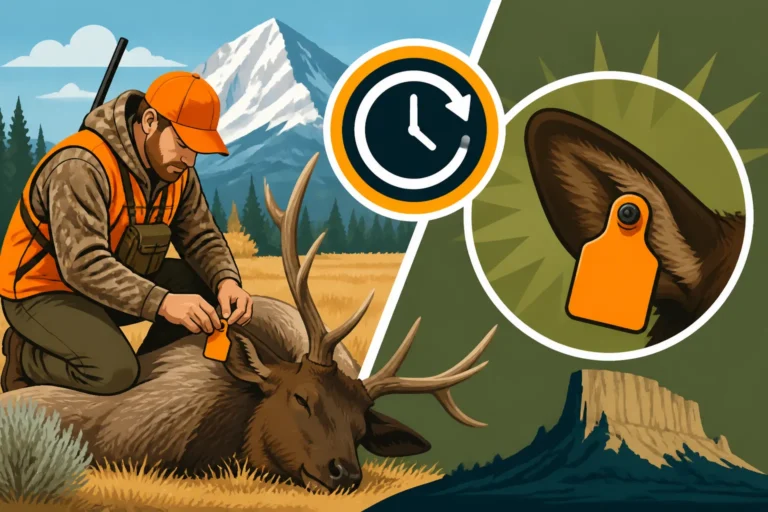
Protect the meat from dirt, leaves, and especially flies. Carry game bags and use them! Flies can lay eggs that turn into maggots, rendering the meat unsuitable for consumption. If you're in warm weather, getting that carcass quartered and on ice as quickly as possible is non-negotiable. Don’t forget to immediately tag your animal as per regulations. Knowing How Soon You Must Tag a Downed Animal and understanding all Carcass Coupon and Tagging Rules is fundamental to legal and ethical hunting. The better you handle the meat in the field, the more likely it is to be accepted for donation, and the more palatable it will be for the recipients. This is a testament to your respect for the animal and your commitment to responsible hunting.
Working with a Processor and Designated Charity
Once your game is properly field-dressed, tagged, and cooled, the next step is to get it to a licensed meat processor. Call ahead to ensure they accept wild game and that they understand your intention to donate. When you arrive, clearly communicate that you wish to donate the meat. Some processors have established relationships with local food banks and can handle the transfer directly after processing. This is often the easiest route. They will process the meat, typically grinding it into hamburger, which is versatile and often preferred by food banks for ease of distribution and cooking.
If your processor doesn't have a direct donation program, they will still prepare the meat according to health standards. You would then be responsible for contacting a designated charity that accepts wild game. Before you pick up the processed meat, call the charity to confirm their acceptance policies and schedule a drop-off time. It's vital to ensure they are prepared to receive it. Always check to see if the charity has any specific requirements regarding packaging or type of meat. For instance, some might prefer ground meat over steaks or roasts.
This whole process is a reflection of the hunting community's generosity and ethical standards. Whether you're a seasoned veteran who's had a fantastic season, or a new hunter who's found themselves with a sudden bounty, donating your excess game meat is a powerful way to turn your success into a tangible benefit for your community. It’s a way to ensure that nothing goes to waste and that the wild protein you’ve harvested can nourish those who need it most.
Disclaimer
Please remember that hunting regulations, seasons, and donation policies can change. Always consult the most current Wyoming Game and Fish Department regulations and communicate directly with any meat processors or charitable organizations regarding their specific requirements before making plans to donate game meat. This guide is for informational purposes only and should not be considered legal advice.