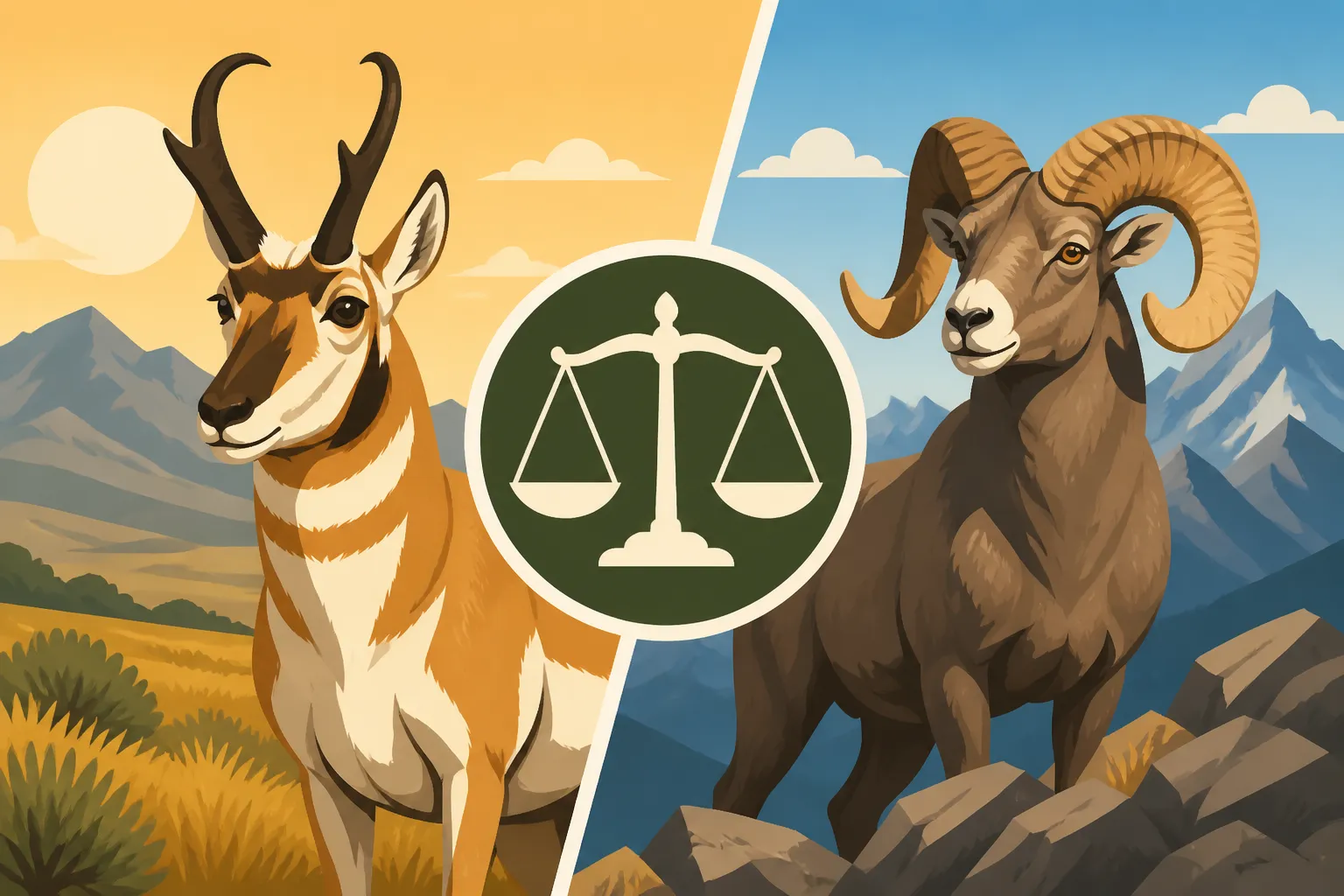
Draw Weight Rules for Antelope and Bighorn Sheep
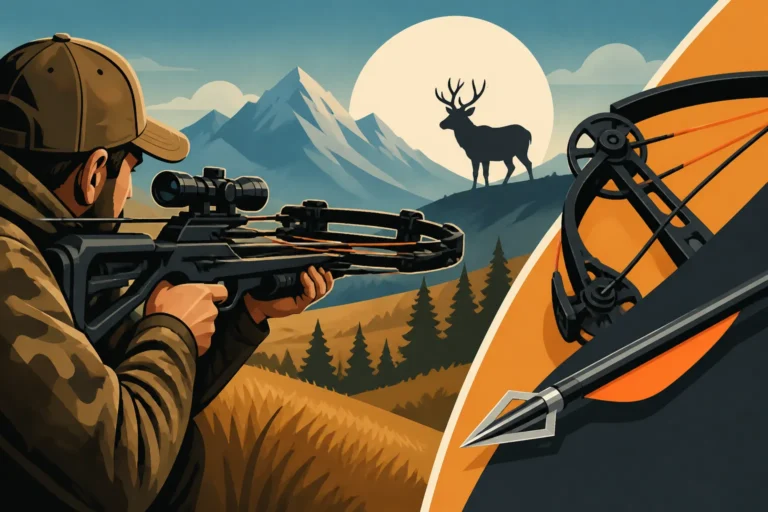
It can be incredibly confusing trying to keep track of all the different hunting regulations across Wyoming, especially when you're trying to figure out if your bow is legal for every species you want to pursue. Many hunters fret over whether their equipment meets the standard for different big game animals, and it’s a valid concern because nobody wants to travel all the way to their hunting spot only to find out their setup isn't compliant. This guide will clarify the specific draw weight requirements for hunting antelope and bighorn sheep with a bow in Wyoming, helping you prepare for a successful and legal hunt.
Navigating Wyoming's Archery Draw Weight Regulations
Wyoming has set clear guidelines for archery equipment to ensure ethical and humane harvests for all big game species. These regulations are designed to ensure that an arrow, when properly placed, has sufficient kinetic energy and penetration to bring down an animal quickly and cleanly. It's not just about pulling back a certain amount of weight; it's about the entire system working together to deliver a lethal blow. For many of us, understanding these numbers can feel like deciphering a tax form, but it's crucial for staying on the right side of the law and, more importantly, honoring the animals we pursue.
The Wyoming Game and Fish Department publishes these regulations, and while they might seem a bit dry at first glance, they are your best friend for a hassle-free hunt. Different species, due to their size and resilience, often have varying requirements. This means the bow you use for a whitetail deer might not cut it for a bull elk, and vice versa. It’s always smart to double-check the most current regulations directly from the source, but generally speaking, there's a common thread that applies to most of the smaller big game.
General Archery Draw Weight Standards
The overarching rule of thumb in Wyoming for most big game animals is a minimum draw weight of 40 pounds. This is a critical number to remember. This 40-pound minimum is established to ensure that an arrow can achieve adequate penetration, especially when encountering bone or tough hide. It's a baseline, not a target, meaning that while 40 pounds is legal, many seasoned hunters opt for more power if their physical capabilities allow for it, especially when considering the demanding conditions of a Western hunt.
When we talk about draw weight, we're talking about the force, measured in pounds, required to pull the bowstring back to its full draw length. For compound bows, this is often adjustable within a certain range, while traditional bows like recurves and longbows have a fixed draw weight. Ensuring your bow meets this standard isn't just a legal formality; it's an ethical responsibility. An underpowered shot can lead to wounded animals and prolonged suffering, which is the last thing any responsible hunter wants. It’s important to test your bow’s draw weight accurately and make any necessary adjustments well before your hunt begins.
How Draw Weight Relates to Kinetic Energy and Penetration
Draw weight isn't just an arbitrary number; it directly impacts the kinetic energy and momentum of your arrow, which are vital for penetration. A higher draw weight generally translates to more kinetic energy and speed, meaning your arrow will hit harder and penetrate deeper. However, it's not the only factor. Arrow weight, broadhead design, and shot placement all play significant roles in achieving an ethical harvest.
Imagine you're aiming at a bighorn sheep, a notoriously tough animal with sturdy bone structure. A marginal hit with an underpowered setup might glance off a rib or fail to reach vital organs. This is why the 40-pound minimum, while seemingly low to some, is considered the absolute bare minimum for delivering an effective shot. For more insight into what kind of power you need for larger game, you might want to read about The 50-Pound Bows Elk and Moose Require. Remember, the goal isn't just to launch an arrow, but to launch one that can humanely do its job.
Minimum Draw Weight for Antelope in Wyoming
Antelope are truly iconic animals of the Wyoming plains, known for their incredible speed and keen eyesight. Their relatively smaller size and thinner hide compared to, say, an elk, might lead some to think they require less stringent draw weight. However, the same ethical harvesting standards apply, and Wyoming's regulations reflect this.
The rules for hunting antelope with a bow are straightforward: your bow must have a minimum draw weight of 40 pounds. This applies to compound bows, recurves, and longbows alike. There's no separate, lower category for antelope; they fall under the general big game archery requirements. This ensures that an arrow has enough power to penetrate their vitals, even if the shot angle isn't perfect or you encounter a slight obstruction like a rib.
Why 40 Pounds for Antelope?
Even though antelope are smaller and weigh significantly less than an elk or moose, they are incredibly tough animals. Their musculature is dense, and while their hide might be thinner than some other big game, their bone structure, especially the shoulder, can be formidable. The 40-pound minimum draw weight ensures that a hunter has the capability to drive a broadhead through these areas, reaching the heart and lungs for a quick, humane kill.
Think about a typical antelope hunt: often, it involves spot-and-stalk across wide-open sagebrush country, meaning shots can be longer than anticipated, and adrenaline can play a huge factor. You're trying to close the distance on an animal that sees everything, so when you finally get an opportunity, you need absolute confidence in your equipment. GoHunt is a fantastic resource for researching unit statistics and understanding the terrain, which helps you visualize the type of shots you might encounter and the equipment needed. If your bow is set at 40 pounds, you've met the legal threshold, but consistent practice and proper arrow tuning are just as vital.
Practical Implications for Antelope Hunters
For bowhunters targeting antelope, meeting the 40-pound minimum is non-negotiable. But beyond legality, consider the practical side. Many hunters feel more comfortable and confident with a draw weight slightly above the minimum, perhaps 50-60 pounds, if they can comfortably and accurately shoot it. This offers a bit of a buffer, providing more kinetic energy and reducing the risk of a poor shot due to equipment limitations.
If you're new to bowhunting or returning after a long break, it's wise to start with a lower draw weight and build up your strength and form. Once you can consistently shoot tight groups at various distances with your hunting setup, then you know you’re ready. Remember, accuracy trumps raw power every single time. An ethical shot with a 40-pound bow is infinitely better than a poorly placed shot with an 80-pound bow. It's also worth noting that your broadheads must meet specific cutting width requirements; you can learn more about Broadheads That Fail the 7/8-Inch Ring Test.
Minimum Draw Weight for Bighorn Sheep in Wyoming
Hunting bighorn sheep in Wyoming is often considered the pinnacle of North American bowhunting, a true test of physical endurance, mental fortitude, and precise shot placement. These magnificent animals inhabit some of the most rugged and remote terrain in the state, making every aspect of the hunt incredibly challenging. With such a highly coveted and physically demanding pursuit, it's natural to assume the draw weight requirements might be higher, but they align with the general big game standard.
Just like with antelope, Wyoming mandates a minimum draw weight of 40 pounds for bighorn sheep. This rule underscores the principle that all big game animals, regardless of their specific size or habitat, require a fundamental level of power from an archery setup for a clean kill. The rarity of a bighorn sheep tag, which has Bighorn Sheep Random Draw Odds Sit Under One Percent, only amplifies the importance of adhering to every regulation and maximizing your chances for an ethical harvest when that coveted opportunity finally arrives.
Why 40 Pounds for Bighorn Sheep?
While bighorn sheep are incredibly hardy and built for survival in harsh mountain environments, their body size is more comparable to a deer than an elk. The 40-pound minimum is deemed sufficient when paired with a sharp, well-designed broadhead and a properly tuned arrow to penetrate the vitals. However, the unique challenges of sheep hunting often lead experienced archers to push beyond this minimum.
Imagine you’ve spent days climbing thousands of feet, finally located your ram, and navigated a treacherous stalk. The shot opportunity might be fleeting, at a steep angle, or in windy conditions. In these scenarios, a setup that provides more kinetic energy can offer a greater margin of error for penetration. When planning such an epic hunt, resources like GoHunt can be invaluable for understanding the specific unit you've drawn, topographical challenges, and even historical success rates, helping you prepare your gear accordingly.
Practical Implications for Bighorn Sheep Hunters
For bighorn sheep, the 40-pound minimum is just the starting line. Many hunters, when pursuing sheep, will use a draw weight they can handle comfortably in the 60-70 pound range. Why? Because you’ll likely be shooting uphill or downhill, possibly in strong winds, and you might have limited time to settle your pin. Having that extra punch in your arrow can be the difference between a clean pass-through and a marginal hit.
Your physical conditioning for a bighorn sheep hunt needs to be top-tier, and part of that conditioning should involve practicing with your hunting bow at the maximum draw weight you can shoot accurately, especially under duress. Realistic archery practice distance for big game should simulate the kinds of shots you expect in the mountains, including shooting from awkward positions. It's about confidence in your ability and your equipment when it matters most.
Beyond the Minimum: Ethical Considerations and Readiness
Meeting the minimum draw weight is a good first step, but it’s crucial to understand that it’s simply a legal floor, not a ceiling for performance. Responsible bowhunting demands that you strive for much more than just the bare minimum. Your bow setup is a system, and every component plays a role in delivering an ethical, humane harvest. This means looking at your entire setup and your own abilities honestly.
The goal isn't just to be legal; it's to be effective. An animal like an antelope, though smaller, still requires precision and power. A bighorn sheep, in its rugged habitat, often demands even more from a hunter and their gear. Focusing solely on the minimum could set you up for disappointment or, worse, an unethical shot.
The Importance of Shot Placement and Proficiency
Even with a perfectly legal bow, poor shot placement can lead to a wounded animal and a lost opportunity. This is why proficiency with your chosen draw weight is paramount. Can you consistently group arrows within a 4-inch circle at your maximum ethical hunting distance? Can you do it from various positions – kneeling, standing, uphill, downhill – simulating real-world hunting scenarios?
Many experienced hunters will tell you that a well-placed arrow from a 40-pound bow is far more effective than a poorly placed arrow from a 70-pound bow. Practice makes perfect, and consistent practice with your actual hunting broadheads is critical. Don't just shoot field points; ensure your broadheads fly true with your arrows and bow setup. Understanding your limitations in terms of shooting distance is also essential; for some helpful guidance, consider How Close a Bowhunter Really Needs to Get.
Considering Arrow Weight and Broadhead Selection
Draw weight is just one part of the equation. Arrow weight significantly influences kinetic energy and momentum, while broadhead design dictates how well that energy is transferred into penetration. A heavier arrow, even with a 40-pound draw, can often achieve better penetration than a lighter arrow, due to increased momentum. This is a common strategy, especially when hunting larger or tougher animals.
Fixed-blade broadheads are often favored for their reliability and penetration, particularly for bighorn sheep, where bone contact is a higher probability. Expandable (mechanical) broadheads can also be effective, but their performance relies heavily on proper deployment and a powerful enough setup to ensure full penetration after expansion. Always ensure your broadhead choice is legal in Wyoming; for specific rules, you might want to review Fixed and Expandable Heads Under Wyoming Rules.
Tuning Your Bow for Optimal Performance
Regardless of your draw weight, a properly tuned bow will shoot more accurately and efficiently. Bow tuning involves making adjustments to your rest, nocking point, and cam timing (for compounds) to ensure your arrow leaves the string cleanly and flies true. A well-tuned bow maximizes the kinetic energy produced by your draw weight, giving you the best possible arrow flight and penetration.
This can be a bit of a rabbit hole, but it's a worthwhile one. Many pro shops offer tuning services, or you can learn to do it yourself. It’s an ongoing process, especially if you change arrow components or broadheads. A solid tuning session can transform your accuracy and confidence, truly making the most of your draw weight.
Practical Tips for Bowhunters in Wyoming
Beyond just meeting the draw weight rules for antelope and bighorn sheep, preparing for a hunt in Wyoming requires a holistic approach. It’s about being physically ready, having the right gear, and understanding the unique challenges of the Western landscape.
Physical Conditioning is Key
Hunting in Wyoming, especially for bighorn sheep, is physically demanding. You’ll be covering vast distances, often at elevation, and potentially climbing steep terrain. Even for antelope, long stalks across uneven ground can take their toll. Your ability to consistently hold your bow at full draw and make an accurate shot after a strenuous hike is just as important as the bow's draw weight. Incorporate cardiovascular exercise, strength training, and specific archery workouts into your routine.
Familiarize Yourself with Hunt Areas
Before you even step foot in the field, spend time researching your specific hunt area. Understand the topography, typical animal behavior, and potential access points. GoHunt provides excellent mapping and scouting tools that can help you visualize the terrain and pinpoint potential spots from your home. Knowing what to expect can reduce stress and allow you to focus on the hunt itself. You can also dive into articles like Reading a Wyoming Sheep Hunt District Map for more specific details on where these animals live.
Don't Forget the Small Details
Even the most seasoned hunters can overlook small details that can impact a hunt. Ensure you have your hunter education certification if required (anyone born after 1965 needs Wyoming Hunter Education), proper licenses, and all necessary gear for varying weather conditions. Double-check arrow fletchings, broadhead sharpness, and the condition of your bowstring. The little things often make the biggest difference in the field.
| Species | Minimum Draw Weight (Pounds) | General Size Comparison |
|---|---|---|
| Antelope | 40 | Small Deer |
| Bighorn Sheep | 40 | Medium Deer |
| Mule Deer / Whitetail Deer | 40 | Medium Deer |
| Elk / Moose | 50 | Very Large |
This table provides a quick overview of the draw weight requirements for various big game species in Wyoming. As you can see, antelope and bighorn sheep both fall under the 40-pound minimum, while larger species like elk and moose demand a bit more power.
Disclaimer
Please note that hunting regulations, including draw weight requirements, can change. Always consult the most current Wyoming Game and Fish Department regulations or official sources before planning your hunt. This guide is for informational purposes only and should not be considered a substitute for official legal advice or up-to-date regulations.