How Far Wyoming’s Mule Deer Have Rebounded
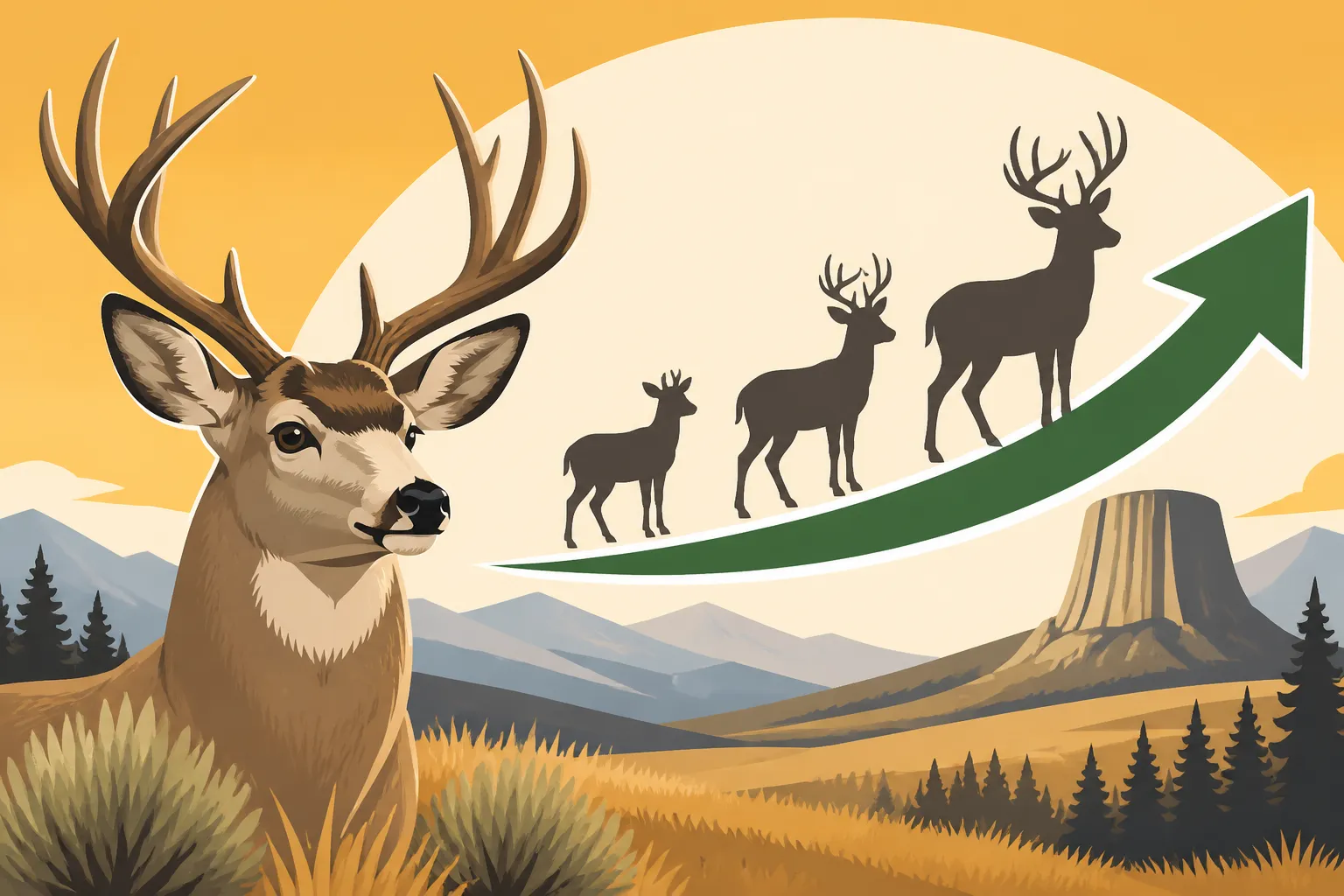
It's a question that weighs heavy on the minds of many Wyoming hunters who have witnessed the ups and downs of our beloved mule deer herds: just how far have these iconic animals truly rebounded, or are they still struggling to find their footing? We've all seen the news, heard the whispers, and perhaps even experienced the frustrating reality of fewer deer in familiar haunts. This guide aims to dig deep into the current state of Wyoming's mule deer populations, separating the hopeful signs from the harsh truths, and giving you a realistic picture of what's happening on the ground.
The Rollercoaster of Mule Deer Populations: A Historical View
For decades, the mule deer has been a cornerstone of Wyoming's hunting heritage, an animal deeply ingrained in our landscape and our outdoor traditions. But their journey has been anything but smooth. We've seen incredible highs, with vast herds gracing our sagebrush plains and mountain slopes, only to be followed by some truly heartbreaking declines. Understanding where we are now requires a quick look back at how we got here.
The Good Old Days and the Slow Erosion
Many veteran hunters can recall a time when mule deer seemed to be everywhere. Herds numbering in the hundreds, sometimes even thousands, were not an uncommon sight. This was a period where habitat was often more contiguous, development was less widespread, and the deer faced fewer human-induced pressures. However, starting in the late 1990s and continuing into the early 2000s, a slow but steady decline began to take hold in many areas. It wasn't always dramatic, but cumulatively, it chipped away at those robust populations.
This erosion wasn't due to a single culprit. It was a perfect storm of factors: increasing energy development fragmenting crucial winter and migration habitat, prolonged drought conditions impacting forage quality and quantity, and the insidious spread of diseases like Chronic Wasting Disease (CWD). Severe winters, particularly back-to-back harsh seasons, dealt heavy blows that took years for herds to recover from, if they ever fully did. It's a complex puzzle, and each piece plays a role in the overall picture of mule deer health.
The Impact of a Changing Landscape
Our landscapes are constantly evolving, and not always in ways that favor mule deer. The expansion of human settlements, new roads, and the conversion of sagebrush steppe to agricultural land all contribute to habitat loss and fragmentation. These changes make it harder for deer to access essential winter range or move freely along historical migration corridors, which are vital for their survival, especially during tough winters.
Even subtle changes, like altered fire regimes or the spread of invasive plant species, can reduce the quality of forage available to deer. They are browsers, relying on a diverse array of shrubs and forbs, and when these key food sources diminish, so too does the health and reproductive success of the herd. It’s a constant battle for them to find enough to eat, especially when you factor in competition with other ungulates, both wild and domestic.
Recent Challenges and Emerging Glimmers of Hope
The story of Wyoming's mule deer over the last few years has been one of extreme contrasts. While some areas have shown remarkable resilience and even modest gains, other critical herds have faced devastating setbacks, reminding us just how fragile these populations can be.
The Brutal Winter of 2022-23 and its Aftermath
It's impossible to talk about the current state of Wyoming's mule deer without addressing the unprecedented winter of 2022-23. Many regions, particularly the western and southern parts of the state, experienced record snowfall and prolonged cold temperatures. This wasn't just a tough winter; it was a catastrophic event for many deer herds. You've heard the stories, and they were true. This past winter was a sobering reminder of nature's power and how quickly hard-won gains can be erased.
The Game and Fish Department conducted extensive post-winter surveys, and the numbers were stark. In some areas, fawn survival was almost non-existent, and adult mortality rates were alarmingly high. While mule deer are tough, even they have their limits. The impact was not uniform across the state, with some eastern and northern herds faring better, but for many, it was a gut punch. Articles like "What the 2022-23 Winter Killed Off" detailed the losses, leaving many hunters disheartened.
Pockets of Recovery and the Long Road Ahead
Despite these recent setbacks, there are some areas where mule deer populations have shown, or are beginning to show, signs of recovery. These tend to be units where habitat conditions were better leading into the harsh winter, or where previous management efforts had built a healthier, more resilient herd. For instance, some herds that primarily utilize public lands with diverse vegetation, or those with less fragmented migration routes, often have a better chance of bouncing back.
The recovery isn't just about raw numbers, but also about the age structure of the herd. In areas that experienced heavy winter kill, we're seeing that "Why Surviving Bucks Are Older Than Usual" as the younger animals were disproportionately affected. This means fewer young bucks coming into the population for a few years, but potentially more older, mature bucks if they survived. It’s a slow process, often taking several mild winters and good fawn crops to truly rebuild. Hunters looking for insight into specific units can often find valuable data on platforms like GoHunt, which compiles historical draw odds and population trends, helping you discern which areas might be seeing a resurgence.
Comparative Trends Across Key Mule Deer Regions
To give you a clearer picture, let's look at some general trends across different regions, understanding that specific hunt areas within these regions can vary greatly.
| Region | Pre-2022/23 Trend | Post-2022/23 Impact | Current Outlook (Long-term) |
|---|---|---|---|
| Wyoming Range | Struggling, below objective | Severe decline | Very slow recovery expected |
| Red Desert | Modest gains | Significant setbacks | Long-term potential still there |
| Bighorn Basin | Generally stable to slight gain | Moderate decline | Cautious optimism |
| Eastern Plains/Black Hills | Stable, some localized growth | Minimal impact | Good to excellent |
| Southwest Counties | Historically challenged | Severe decline | Needs multiple mild years |
As you can see, the narrative isn't uniform. The hard truth is that some of Wyoming's most famous herds, like The Wyoming Range Deer Herd Is Half of What It Should Be of its objective, are facing a much longer and steeper climb back to health.
Management Strategies and What They Mean for Hunters
Wyoming Game and Fish Department (WGFD) works tirelessly to manage these dynamic populations, often making difficult decisions that impact hunter opportunity. These strategies are designed to help deer herds recover and thrive, even if it means adjusting how and where we hunt.
Adjusting Quotas and Antler Point Restrictions
One of the most direct ways WGFD manages deer populations is through license quotas and antler point restrictions. After severe winters, you'll often see a reduction in the number of doe/fawn licenses issued in affected areas, and sometimes even a reduction in buck licenses to allow more animals to survive and breed. This is a tough pill to swallow for hunters, but it’s a necessary step to give the deer a chance to rebound.
Antler point restrictions, such as those detailed in "Antler Point Restrictions Kept for the 2026 Season", are another tool. These rules, like requiring a buck to have at least three points on one side, aim to protect younger bucks and allow them to mature, contributing to the breeding population and potentially increasing the number of older, larger bucks available for harvest in future years. It's all about balancing harvest with the need for population growth. Knowing "Which Hunt Areas Require Three Points or Better" is crucial before heading afield.
Habitat Enhancement and Migration Corridor Protection
Beyond direct herd management, significant efforts are also directed towards habitat improvement and the protection of crucial migration corridors. These projects can involve anything from re-seeding native forage plants, managing invasive species, to constructing wildlife-friendly fences or overpasses. The goal is to ensure deer have access to high-quality food and safe passage between seasonal ranges. Understanding the significance of these corridors, like The Red Desert Mule Deer Migration Explained, highlights the importance of these conservation initiatives.
These efforts are long-term investments. They don't yield immediate results, but they are absolutely essential for the sustained health of mule deer populations. Without healthy habitat, no amount of hunting restriction will truly bring the herds back to their full potential. Many of these projects involve collaboration between WGFD, private landowners, and conservation organizations, demonstrating a shared commitment to Wyoming's wildlife.
Navigating the Hunt: Tips for Today's Mule Deer Hunter
So, what does all this mean for you, the hunter, eager to chase mule deer across Wyoming's vast landscapes? It means being adaptable, doing your homework, and perhaps adjusting your expectations. But it certainly doesn't mean giving up on the dream.
Research, Research, Research: Beyond the Lore
Gone are the days when you could simply pick a general area and expect to find plentiful deer. Today, successful mule deer hunting in Wyoming demands thorough research. You need to dive into the WGFD regulations, look at herd unit data, and understand population objectives. Platforms like GoHunt become invaluable here, offering tools to analyze draw odds and success rates based on historical data. They can help you identify units that are performing better, or those that might offer better odds for drawing a tag, even if the deer numbers aren't at their peak.
Don't just rely on old stories or hearsay. Modern hunting requires modern preparation. Spend time on E-Scouting a Unit Before the Season Opens, poring over maps and satellite imagery to understand terrain, water sources, and potential bedding areas. This meticulous planning is more critical now than ever before.
Adjusting Expectations and Tactics
Given the fluctuating nature of mule deer populations, it’s wise to go into your hunt with realistic expectations. Some years will be tougher than others, and you might not see the sheer numbers of deer that hunters once did. This doesn't mean there aren't mature bucks out there; it just means you might have to work harder, cover more ground, and be more patient.
Consider focusing on areas known for producing larger, older bucks, even if the overall deer density is lower. Understanding patterns, like When the Mule Deer Rut Actually Starts, can also significantly influence your hunting strategy, allowing you to target periods of increased activity. Don't be afraid to change up your tactics. If you typically hunt open country, consider areas with more timber or broken terrain where deer might find refuge. Familiarize yourself with how Wyoming numbers its hunt areas, as this will be key to deciphering regulations and data.
Being a Responsible Hunter in Challenging Times
Finally, as stewards of the land and its wildlife, our responsibility as hunters is paramount. This includes adhering strictly to regulations, participating in CWD testing, and supporting conservation efforts. With mule deer populations facing ongoing challenges, every ethical decision we make in the field contributes to their future. Remember to respect private land boundaries and understand any Mule Deer Winter Range Closures Explained to protect these animals during their most vulnerable times. By being informed, adaptable, and responsible, we can continue to enjoy the incredible experience of mule deer hunting in Wyoming, contributing to their recovery for generations to come.
Disclaimer
This article is for general informational purposes only and does not constitute professional advice. Laws, prices and regulations vary by location and change over time. Consult a qualified professional for guidance on your specific situation.