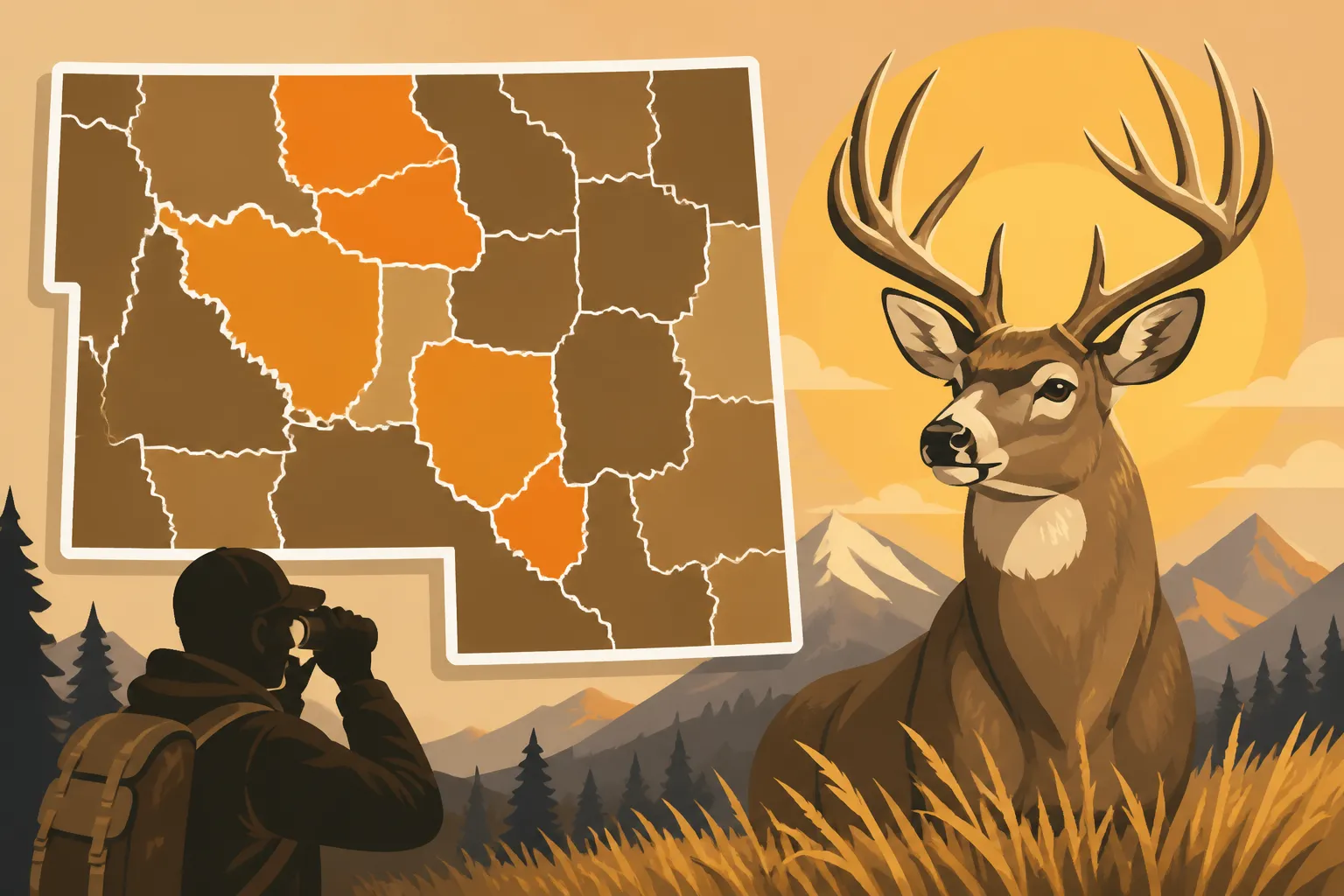
Which Hunt Areas Require Three Points or Better
Many hunters dream of chasing trophy animals across Wyoming's vast landscapes, but the reality of securing a tag in a premier unit can feel like an uphill battle. It's incredibly frustrating to invest time, effort, and money into applications, only to be unsuccessful year after year because you underestimated the competition. If you've been eyeing those sought-after hunt areas and wondering exactly which ones consistently require three or more preference points just to enter the conversation, you're in the right place. This guide is designed to shed light on Wyoming's competitive draw system, pinpoint the units that demand significant preference points for elk, deer, and antelope, and provide actionable strategies to navigate these challenging application seasons.
Understanding Wyoming's Preference Point System
Wyoming's hunting license draw system is unique and can be a bit of a head-scratcher, especially for non-residents. It's built on a preference point system designed to reward loyalty, but also includes a random component that keeps hope alive for everyone. Understanding the nuances of this system is the first step toward successfully drawing a coveted tag in a high-demand unit.
How Preference Points Work for Nonresidents
As a nonresident, preference points are your key to unlocking better draw odds in Wyoming. You earn one point for each species (elk, deer, antelope) per year that you apply for a license and are unsuccessful, or by purchasing a "point-only" option during the designated window. These points accumulate, and the more points you have, the higher your chances become in the preference point portion of the draw. It's a system designed to reward patience, building towards those once-in-a-lifetime hunts.
The cost of these points, such as What a Wyoming Elk Preference Point Costs, can add up over time, but they are an investment in future hunting opportunities. Many hunters commit to buying points for several years before ever submitting a full application for a license, understanding that the best units often require a decade or more of accumulation. This long-term strategy can feel daunting, but it's often the only reliable path to certain trophy units.
The 75/25 Draw Split Explained
A crucial element of the Wyoming draw is the 75/25 split. For non-resident licenses, 75% of the tags available in a limited quota hunt area are allocated to the preference point draw, while the remaining 25% are allocated to a random draw. This means that even if you have zero points, you still have a small chance of drawing a tag in any unit, which is a major difference from some other states where a certain number of points is a hard requirement.
The 75/25 draw split explained means that the vast majority of tags go to those who have diligently built up their points. This system ensures that hunters who have invested years in the preference point system are given a significant advantage, but it also creates a small window of opportunity for beginner applicants. For those seeking high-demand areas, however, relying solely on the random draw portion is generally not a viable long-term strategy.
Point Creep and Why It Matters
"Point creep" is a term you'll hear often among Western hunters, and it refers to the phenomenon where the minimum number of preference points required to draw a tag in a popular unit increases year after year. This happens because more and more hunters are accumulating points, and the demand for top-tier units grows faster than the supply of tags. What might have taken 5 points a few years ago could now require 7 or 8 points, making it a moving target.
This constant upward trend means that even if you're steadily accumulating points, the goalpost for drawing your dream unit might keep shifting further away. It's a frustrating reality for many, as it extends the waiting period for those truly exceptional hunts. This is why staying informed about historical draw odds and understanding Where to Check Draw Odds Before Applying is absolutely critical to manage your expectations and adjust your application strategy each season.
The "Three Points or Better" Threshold
When hunters talk about units requiring "three points or better," they're generally referring to areas that, due to their reputation, trophy potential, or sheer demand, are simply not accessible to those with zero or one point. These are the units that often start separating the patient planners from the perennial long-shot hopefuls.
What Makes a Unit High-Demand
High-demand units aren't high-demand by accident; they earn that reputation for a variety of compelling reasons. Often, these are units known for producing exceptional trophy animals, whether it's a massive mule deer, a Boone and Crockett bull elk, or a record-book antelope. The habitat in these areas is typically prime, offering abundant feed, water, and cover, which translates to healthier, larger animals. Additionally, many high-demand units offer excellent public land access, or at least a reasonable mix of public and private ground that makes them appealing to the DIY hunter. Remote wilderness areas, for example, often hold some of the biggest animals and thus command significant points, even though the hunting itself is physically demanding.
The consistent success rates, combined with breathtaking scenery and a reputation for quality experiences, drive up the competition. These units become destination hunts, bucket-list items that hunters are willing to wait years, even decades, to draw. This intense competition is the primary force behind the escalating preference point requirements.
Species-Specific Point Requirements
The "three points or better" threshold often varies significantly depending on the species you're pursuing. Elk, especially for trophy bull tags, almost universally demand more preference points than deer or antelope. This is largely due to the incredible popularity of elk hunting and the relatively limited number of trophy bull tags available in premier units. For some top-tier elk units, three points might just get you into the conversation for the random draw, with successful applicants in the preference point draw often having much more. Understanding How Many Points It Takes to Draw Wyoming Elk is a crucial piece of research.
Mule deer and antelope, while still competitive in certain areas, generally see slightly lower point requirements for quality hunts. However, for those truly exceptional trophy mule deer units, or specific antelope areas known for huge bucks, three points can definitely be the entry-level for a serious application. It really boils down to specific hunt areas and the quality of animals they are known to produce. For instance, Points Needed for a Wyoming Mule Deer Tag can be surprisingly high in specific, well-known units.
Balancing Desire with Reality in the Draw
It’s easy to get swept up in the dream of hunting a top-tier unit, but a healthy dose of realism is essential when applying in Wyoming. While holding three or more points significantly improves your odds compared to having none, it doesn't guarantee a tag, especially in the most competitive units. You might have three points for elk, but find that the unit you're targeting has successful applicants with five, six, or even eight points in the preference point draw.
This is where the detailed draw odds provided by organizations like GoHunt become invaluable. They help you understand what the actual successful point totals have been in recent years, allowing you to gauge whether your current point total gives you a legitimate chance. Chasing the absolute hardest-to-draw tags with only a few points can lead to perpetual disappointment, so it's often wise to have a backup plan or consider units where your current points give you a much stronger likelihood of success.
Identifying Specific Hunt Areas Requiring High Points
Pinpointing exact units that "require three points or better" can be dynamic due to point creep, but we can highlight types of units and general regions known for consistently demanding significant preference points. These are the units that often come up when veteran hunters talk about the long game.
Elk Units with Steep Point Requirements
When it comes to elk, many of Wyoming's wilderness units and areas known for producing giant bulls are firmly in the high-point category. These often encompass rugged mountain terrain, offering challenging hunts and spectacular scenery alongside the potential for a mature bull. Units in the northwestern part of the state, particularly those bordering national parks or wilderness areas like the Bridger-Teton National Forest, commonly demand significant points. These units are often remote, requiring horses or extensive backpacking, which can thin out the crowd of hunters but not the demand for tags.
Another factor contributing to high point requirements for elk is the presence of designated archery-only seasons or areas where the rifle season is very short and success rates are high. Hunters are willing to burn points for these prime opportunities. Keep an eye on units with high bull-to-cow ratios, as these typically indicate healthier herds and more trophy potential, directly translating to increased point demand. Researching Wyoming Elk Herd Units and Winter Range can give you a better understanding of where these quality animals are.
Mule Deer Units That Demand Preference Points
For mule deer, the units requiring substantial points are typically those found in regions famous for producing large, mature bucks. Areas in south-central Wyoming, particularly parts of Carbon and Sweetwater counties, have a reputation for growing big deer and consistently see high point requirements. These are often vast, open sagebrush country mixed with timbered draws and rimrock, offering prime mule deer habitat where bucks can grow old and antlers can grow wide.
Units that are less accessible, perhaps requiring more effort to get into or having a limited road system, also tend to hold bigger deer and thus demand more points. The deer here aren't pressured as heavily, giving them a better chance to reach maturity. Hunters looking for a true trophy mule deer experience know these units require patience and a significant point investment. Remember, even with many points, the draw for these can still be competitive, so e-scouting a unit before the season opens is a smart move.
High-Demand Antelope Areas
While antelope tags are generally easier to draw than elk or deer tags in Wyoming, there are certainly premier units that consistently require three or more preference points, especially for non-residents seeking a trophy buck. These units are often characterized by high antelope densities and a reputation for producing bucks with impressive horns, both in length and mass. Some of the top units are found in central and southwestern Wyoming, in the sprawling sagebrush flats and rolling hills that define ideal pronghorn habitat.
What makes these units high-demand for antelope is often the combination of strong genetics, consistent feed, and less hunting pressure leading to older, larger bucks. Hunters prioritize these units for their high success rates on mature animals. While you might find Wyoming Antelope Odds With Zero Preference Points in many general units, the specific trophy buck units will quickly eat up your points. Always look at the specific Type 1 licenses for bucks, as these will be the ones with the highest point requirements. Reading Wyoming's Type 1 Through Type 9 License Numbers will help you differentiate license types.
Strategies for Navigating High-Point Draws
Successfully navigating Wyoming's high-point draws requires a strategic mindset, a commitment to long-term planning, and a willingness to adapt. It's not just about accumulating points, but also about making smart decisions with those points when the time comes to apply.
The Long Game: Accumulating Preference Points
If your dream is to hunt one of Wyoming's truly premier units for elk, mule deer, or antelope, then playing the long game by consistently accumulating preference points is your most reliable path. This means committing to buying a point for your desired species every year, even if you don't plan to hunt that season. For non-residents, this is often the only realistic way to build enough leverage in the draw to secure a tag in those highly competitive areas.
Think of it as an investment account for your hunting future. Each year, you add to your "point savings," slowly building towards the critical mass needed to draw a coveted tag. This strategy requires patience, as it could take many years, perhaps even a decade or more, for some of the toughest draws. However, when that tag finally hits your inbox, the years of waiting will feel entirely worth it for the incredible experience that awaits. Just be mindful of the application deadlines, such as The Wyoming Nonresident Elk Application Deadline, to ensure you don't miss a year.
Utilizing Draw Odds Tools for Informed Decisions
In the world of Western hunting, knowledge truly is power, and utilizing modern draw odds tools is non-negotiable for anyone serious about drawing high-demand tags. Services like GoHunt are invaluable resources, offering detailed historical draw odds, application strategies, and unit breakdowns that go far beyond what you'll find on state game and fish websites alone. These platforms crunch years of data, showing you the minimum, average, and maximum points required to draw specific license types in specific units.
Instead of guessing, these tools allow you to make data-driven decisions. You can see precisely how many points it took for successful applicants in the preference point draw, as well as the odds for the random draw. This information is critical for understanding if your current point total gives you a realistic chance, or if you should continue building points. They can also help you identify "sweet spot" units where your points give you good odds without necessarily being the absolute hardest to draw. When Wyoming Deer Applications Close for the Year, you'll want to have already researched your target units using these tools.
Exploring Alternatives and "Opportunity" Hunts
While accumulating points for those dream units is a solid strategy, it doesn't mean you have to sit out hunting entirely for years on end. Wyoming offers many fantastic "opportunity" hunts in units that are less demanding on preference points or might even be available as Wyoming General Elk Licenses. These hunts might not offer the same trophy potential as the premier units, but they can still provide incredible experiences, put meat in the freezer, and allow you to explore diverse parts of the state.
Consider applying for Type 6, 7, or 8 cow/doe tags if your primary goal is to simply hunt and harvest an animal. These tags are often much easier to draw and can provide valuable experience in the field, allowing you to learn the terrain and hone your skills without burning a massive amount of points. You can also look into units that might have slightly lower success rates but offer over-the-counter options or easier draws. It’s about balancing your long-term trophy goals with the desire to get out and hunt every season, making the most of all the opportunities Wyoming has to offer.
Disclaimer
This article is for general informational purposes only and does not constitute professional advice. Laws, prices and regulations vary by location and change over time. Consult a qualified professional for guidance on your specific situation.